
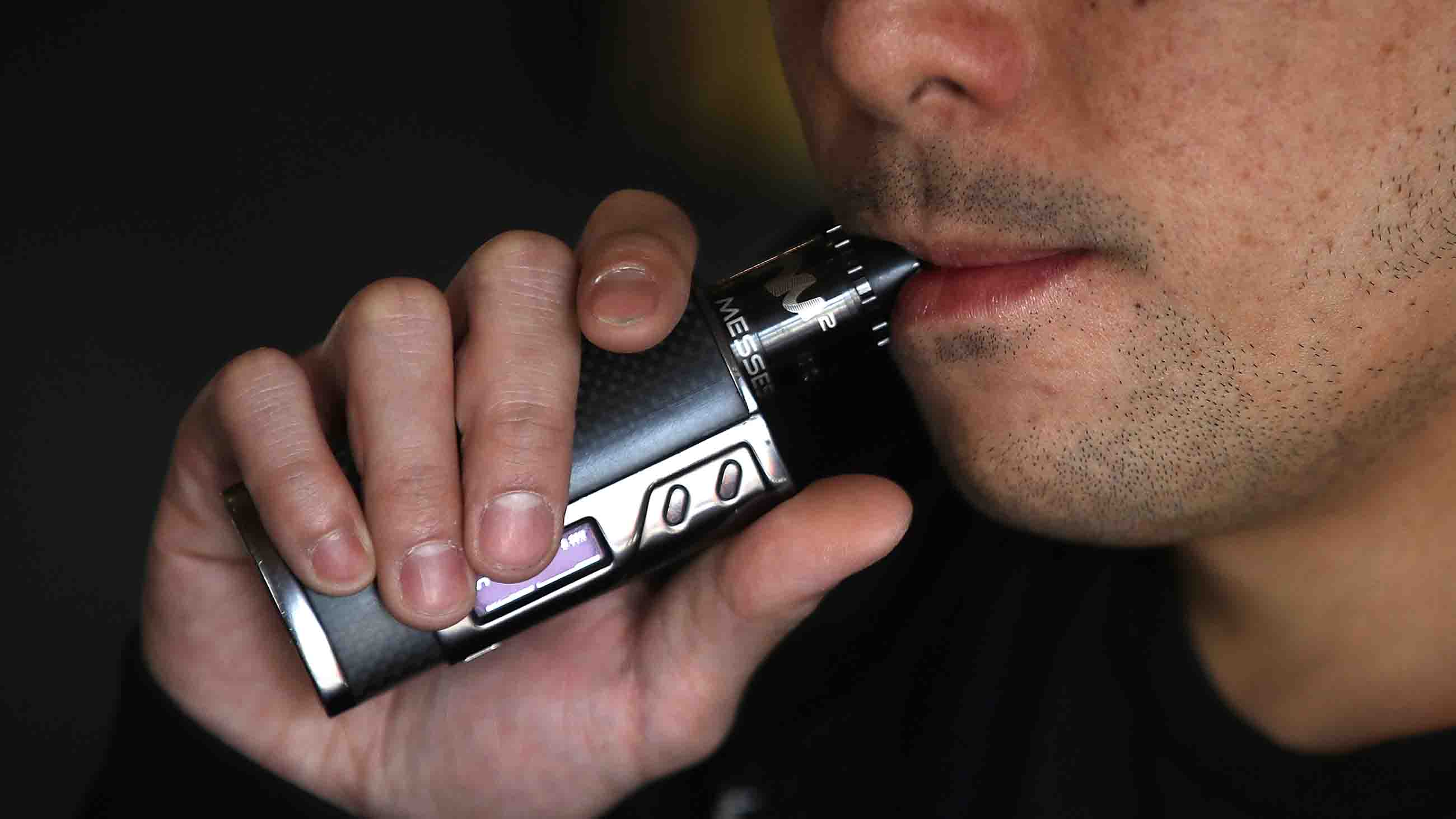
Electronic smoking, more commonly known as vaping, refers to the use of an electronic nicotine delivery system (ENDS) or a similar device to inhale an aerosol, rather than smoke, produced from heating a liquid. Far from being a simple alternative to traditional cigarettes, these devices represent a sophisticated convergence of battery technology, material science, and fluid dynamics, placing them firmly within the realm of modern gadgets and technological innovation. At its core, electronic smoking is a technological process: an intricate dance between electrical power, thermal energy, and chemical transformation, designed to deliver a specific experience through a handheld electronic device. Understanding what electronic smoking is requires delving deep into the engineering and design principles that underpin these increasingly prevalent devices.

The Technological Core: How E-Cigarettes Work
The fundamental principle behind electronic smoking is the vaporization of a specially formulated liquid, known as e-liquid or vape juice, into an inhalable aerosol. This process is orchestrated by a compact electronic system comprising several key components that work in concert.
Components of a Vaping Device
Every electronic smoking device, from the most basic “cigalike” to the most advanced “mod,” contains a core set of technological components:
-
Battery and Power Source: The heart of any vaping device is its battery, typically a rechargeable lithium-ion cell. This battery provides the electrical energy necessary to power the device. Modern devices often feature integrated circuit boards that regulate power output, manage charging cycles, and incorporate safety features like short-circuit protection and overcharge prevention. The capacity (measured in mAh) and discharge rate of the battery directly influence the device’s performance and longevity.
-
Atomizer/Heating Element (Coils, Wicks): This is the component responsible for the actual vaporization. It consists of a heating coil, usually made from resistance wire (such as Kanthal, stainless steel, nickel, or titanium), wrapped around a wicking material (most commonly organic cotton). When current from the battery flows through the coil, it rapidly heats up due to electrical resistance.
-
E-liquid Reservoir (Pod, Tank): This component holds the e-liquid. Early designs often used disposable cartridges, while modern devices predominantly feature refillable tanks (atomizers with glass or plastic reservoirs) or pre-filled/refillable pods. The design of the reservoir is crucial for preventing leaks and ensuring efficient delivery of e-liquid to the wick.
-
Sensors and Control Circuitry: Advanced vaping devices incorporate sophisticated microprocessors and sensors. These can detect when the user is inhaling (via an airflow sensor), activate the heating element, regulate wattage or temperature, and display critical information on small OLED screens. Some devices even allow for firmware updates, enabling users to customize their vaping experience.
The Vaporization Process
The journey from e-liquid to inhalable aerosol is a rapid and highly controlled technological process:
-
Wicking and E-liquid Delivery: The e-liquid is drawn from the reservoir into the wicking material, saturating it through capillary action. This ensures a consistent supply of liquid to the heating element.
-
Heating the E-liquid: When the user activates the device (either by pressing a button or by simply inhaling, which triggers an airflow sensor), the battery sends power to the coil. The coil rapidly heats up, often reaching temperatures between 100°C and 300°C (212°F and 572°F) within milliseconds.
-
Aerosol Formation: As the e-liquid absorbed by the wick comes into contact with the superheated coil, it undergoes rapid vaporization. The liquid transforms into a fine aerosol—a suspension of tiny liquid droplets and gas particles—rather than true smoke, which is a product of combustion.
-
Inhalation Mechanism: The user then inhales this aerosol through a mouthpiece, delivering the vaporized e-liquid, along with any nicotine and flavorings it contains, into the respiratory system. The speed and efficiency of this process are direct results of careful engineering in power delivery and thermal management.
Evolution of Vaping Technology: From Cigalikes to Advanced Mods
The trajectory of electronic smoking technology mirrors many other tech sectors: starting with rudimentary designs and progressing rapidly through iterations of increased power, efficiency, customization, and user-friendliness.
First-Generation Devices (Cigalikes)
The earliest electronic cigarettes, appearing in the mid-2000s, were designed to mimic the appearance and feel of traditional tobacco cigarettes. Often referred to as “cigalikes,” these devices were characterized by their small size, automatic activation upon inhalation, and disposable cartridges. Technologically, they were simple: a small battery, a basic atomizer integrated into a cartridge, and often a single-use design. While innovative for their time, their performance was limited in terms of vapor production, battery life, and flavor fidelity. They served as a proof of concept but highlighted the need for more robust engineering.
Second-Generation Devices (Vape Pens)
The next significant leap brought about the “vape pen” era. These devices moved away from direct tobacco cigarette mimicry, adopting a larger, pen-like form factor. Key technological advancements included: larger, rechargeable lithium-ion batteries; separate, refillable clearomizers (tanks) that allowed users to choose their e-liquids; and often manual button activation, providing more control. This generation offered significantly improved vapor production, longer battery life, and the ability to customize e-liquid choices, representing a major step forward in user experience and versatility.
Third-Generation Devices (Box Mods and Advanced Vaping Systems)
The rapid pace of technological innovation truly accelerated with the advent of “box mods” and advanced personal vaporizers. These devices are characterized by their larger, often box-shaped form factor, housing powerful batteries (sometimes multiple interchangeable cells) and sophisticated circuit boards. Technological hallmarks include:
-
Variable Wattage/Voltage: Users gained the ability to precisely adjust the power output delivered to the coil, directly impacting vapor density and temperature.
-
Temperature Control (TC): A revolutionary feature, TC vaping allows users to set a maximum coil temperature. The device’s chip monitors the coil’s resistance (which changes with temperature for specific materials like nickel, titanium, and stainless steel) and adjusts power to maintain the desired temperature, preventing dry hits and offering a more consistent experience.
-
Sub-Ohm Vaping: The ability to use coils with a resistance below 1.0 ohm became prevalent. This requires more power and produces significantly larger vapor clouds, catering to users who prioritize dense vapor production.
-
Customization and User Interface: Modern mods often feature OLED screens displaying real-time data (wattage, resistance, battery life, puff count), and some even allow for firmware upgrades, enabling users to fine-tune various parameters and update their device’s software.
Pod Systems: The Modern Iteration
More recently, pod systems have gained immense popularity, merging the convenience of cigalikes with some performance aspects of advanced mods. These compact devices typically use small, pre-filled or refillable pods that click into a battery unit. Their technological appeal lies in:
-
Portability and Convenience: Extremely compact and easy to use, making them ideal for on-the-go vaping.
-
Nicotine Salts: The rise of nicotine salt e-liquids, which allow for higher nicotine concentrations with a smoother throat hit, perfectly complements pod systems. This formulation provides a more efficient nicotine delivery, closer to that of traditional cigarettes, influencing device design for lower power outputs.
-
Mouth-to-Lung (MTL) Vaping: Many pod systems are designed for MTL inhalation, mimicking the draw of a traditional cigarette, appealing to users transitioning from smoking.
Key Technological Innovations Driving the Vaping Industry
Beyond the evolutionary stages of devices, specific technological advancements in various sub-components have been critical in shaping the modern electronic smoking landscape.
Battery Advancements and Safety
The power source remains paramount. Modern vaping relies heavily on high-discharge lithium-ion batteries. Innovations include:

-
Improved Energy Density: Allowing for smaller batteries with longer life.
-
Advanced Battery Management Systems (BMS): Integrated microchips that monitor battery health, balance cell charging, and prevent overcharging, over-discharging, and short circuits, significantly enhancing user safety—a crucial aspect given the high power involved in vaping.
-
Fast Charging Technologies: Minimizing downtime and enhancing user convenience.
Coil Technology and Material Science
The efficiency and performance of the atomizer are heavily dependent on coil design and material science:
-
Mesh Coils: A significant innovation, mesh coils (instead of traditional wound wires) offer a larger surface area for heating e-liquid, resulting in more even heating, faster ramp-up times, and enhanced flavor production and vapor density.
-
Diverse Coil Materials: The use of various resistance wires like Kanthal, Nichrome, Stainless Steel (SS316L), Nickel (Ni200), and Titanium allows for different vaping experiences, particularly enabling temperature control capabilities with Ni and Ti, and sometimes SS.
-
Advanced Wicking Materials: While organic cotton remains dominant, innovations like ceramic wicks or combinations with flax fiber aim to improve e-liquid absorption, heat resistance, and longevity.
E-liquid Chemistry and Delivery Systems
Though primarily a chemical formulation, the e-liquid itself heavily influences device technology:
-
Propylene Glycol (PG) and Vegetable Glycerin (VG) Ratios: Devices are often optimized for specific PG/VG ratios, which affect vapor production (more VG) and throat hit/flavor intensity (more PG).
-
Nicotine Formulations: The advent of nicotine salts has driven changes in device design. Unlike freebase nicotine, salts allow for higher nicotine concentrations to be vaped smoothly at lower power, influencing the design of compact, low-wattage pod systems.
-
Closed vs. Open Systems: Closed pod systems offer unparalleled convenience but limit user choice to manufacturer-specific e-liquids. Open systems, with refillable tanks or pods, provide greater flexibility and customization, requiring more robust design to prevent leaks.
Digital Integration and Smart Vaping
The modern era of electronic smoking is increasingly characterized by digital integration, transforming devices from simple heaters into smart gadgets.
Firmware Updates and Customization
Many advanced mods are essentially miniature computers. Their firmware can be updated via a USB connection to a PC, allowing manufacturers to fix bugs, improve performance, or add new features post-purchase. This level of digital control also enables:
-
User-defined Vaping Profiles: Users can create and save personalized settings for different e-liquids or atomizers.
-
Connectivity (Bluetooth, Apps): Some devices feature Bluetooth connectivity, allowing users to control settings, monitor usage statistics, and even receive alerts via a smartphone application, integrating vaping into the broader smart device ecosystem.
Safety Features and User Experience
Digital circuitry is paramount for enhancing both safety and the overall user experience:
-
Comprehensive Protection Circuits: Microcontrollers implement multiple safety features: overcharge/over-discharge protection for batteries, short-circuit protection, overheating protection, and puff timers (limiting continuous activation).
-
Temperature Regulation: Beyond standard temperature control, smart chips continuously monitor the coil’s resistance and temperature, adjusting power dynamically to prevent dry hits and ensure a consistent vapor.
-
Display Screens and Analytics: High-resolution OLED or color screens provide real-time data such as current wattage, resistance, battery level, puff count, and even detailed usage graphs, empowering users with comprehensive information about their vaping habits.
The Future Landscape of Electronic Smoking Technology
The trajectory of electronic smoking technology suggests continued innovation, pushing boundaries in miniaturization, intelligence, and integration.
Miniaturization and Enhanced Efficiency
Expect further advancements in battery technology and component integration, leading to even smaller, more discreet devices that don’t compromise on performance. Efficiency will be key, maximizing vapor production and battery life from increasingly compact form factors. This will likely involve improvements in energy harvesting and more efficient heating elements.
AI and Predictive Vaping
Artificial intelligence could play a role in optimizing the vaping experience. Future devices might learn user preferences, automatically adjust wattage or temperature based on inhalation patterns, or even suggest e-liquid profiles. Predictive maintenance features, alerting users to coil degradation or battery health issues before they occur, are also plausible.
Health Monitoring Integration
As wearable tech becomes more sophisticated, it’s conceivable that vaping devices could integrate with personal health monitors. This might involve tracking puff counts in relation to biometric data, or offering controlled nicotine delivery mechanisms designed to aid in reduction strategies, albeit with significant regulatory and ethical considerations.
Regulatory Technology and Age Verification
Technology will also play an increasing role in compliance and regulation. Future devices could incorporate advanced age verification mechanisms (e.g., biometrics or NFC-based ID checks) to restrict access, or include telemetry features that aid manufacturers and regulators in monitoring product usage patterns and safety.
In conclusion, electronic smoking is a dynamic field driven by continuous technological advancement. What began as a simple electronic cigarette has evolved into a diverse array of sophisticated gadgets, each iteration showcasing ingenuity in power management, material science, fluid dynamics, and digital control. As technology continues its relentless march forward, electronic smoking devices will undoubtedly continue to evolve, becoming smarter, safer, and more integrated into the broader landscape of personal electronics.
aViewFromTheCave is a participant in the Amazon Services LLC Associates Program, an affiliate advertising program designed to provide a means for sites to earn advertising fees by advertising and linking to Amazon.com. Amazon, the Amazon logo, AmazonSupply, and the AmazonSupply logo are trademarks of Amazon.com, Inc. or its affiliates. As an Amazon Associate we earn affiliate commissions from qualifying purchases.