
In an era defined by relentless technological advancement, ubiquitous connectivity, and an ever-present digital hum, the concept of “anxiety” has taken on new dimensions. While anxiety itself is a fundamental human emotion—a natural response to stress or danger—anxiety disorders represent a far more pervasive and debilitating condition. These are not merely moments of worry or nervousness; they are persistent, excessive fears and worries that interfere significantly with daily life, often manifesting in physical symptoms and profoundly impacting well-being. But how do we understand, identify, and address anxiety disorders in a world increasingly shaped by algorithms, screen time, and instant information? This article delves into the nature of anxiety disorders, exploring their characteristics, their unique manifestations in the digital age, and the role technology plays—both as a potential trigger and a powerful tool—in their management and understanding.
The Evolving Landscape of Anxiety in a Connected World
The digital revolution has undeniably transformed human interaction, commerce, and access to information. Yet, this same revolution has inadvertently created new stressors and amplified existing ones, contributing to a modern anxiety landscape that is uniquely intertwined with our technological environment. Understanding anxiety disorders today requires acknowledging these digital dimensions.
Digital Overload and Information Fatigue
The constant deluge of information from news feeds, social media, and communication platforms can be overwhelming. From global crises to personal updates, our brains are perpetually processing vast amounts of data, much of which is designed to grab attention and elicit an emotional response. This sustained cognitive load, often accompanied by the pressure to stay updated or “in the loop,” can lead to information fatigue and a chronic state of low-grade anxiety. For individuals predisposed to anxiety disorders, this digital overload can exacerbate symptoms, making it difficult to filter out noise, focus on immediate tasks, and achieve mental quietude. The fear of missing out (FOMO) is a prime example of a digitally-amplified anxiety, driven by the constant visibility of others’ experiences online.
The Pressure Cooker of Social Media
Social media platforms, designed to connect, can ironically become breeding grounds for comparison, self-doubt, and social anxiety. The curated realities presented online often foster unrealistic expectations and intense pressure to conform to perceived ideals of success, beauty, and happiness. This constant exposure to seemingly perfect lives can trigger feelings of inadequacy, isolation, and intense scrutiny. Cyberbullying, another pernicious digital phenomenon, directly targets individuals’ sense of self-worth and safety, inflicting psychological trauma that can contribute to the development or worsening of social anxiety disorder, generalized anxiety disorder, and even post-traumatic stress disorder. The performance anxiety associated with maintaining an online persona and the fear of negative judgment from a vast, unseen audience further illustrate how digital platforms can act as significant anxiety amplifiers.
Cybersecurity Concerns and Digital Anxiety
In an increasingly digital economy, the security of our personal data, finances, and online identities has become a paramount concern. Breaches, scams, and identity theft are unfortunately common occurrences, leading to a pervasive sense of vulnerability. This anxiety extends beyond personal data to the integrity of critical infrastructure, democratic processes, and even the future of work, all of which are increasingly reliant on complex and sometimes fragile digital systems. For many, the constant vigilance required to protect oneself online, coupled with the abstract and often uncontrollable nature of cyber threats, can foster a distinct form of digital anxiety. This manifests as a persistent worry about financial security, privacy violations, or the stability of the digital systems upon which modern life depends, adding another layer to the intricate tapestry of modern anxiety disorders.
Understanding Anxiety Disorders Through a Digital Lens
While the fundamental diagnostic criteria for anxiety disorders remain consistent, their presentation and triggers can be significantly influenced by our digital environment. Recognizing these connections is crucial for effective identification and intervention.
Core Characteristics and Digital Triggers
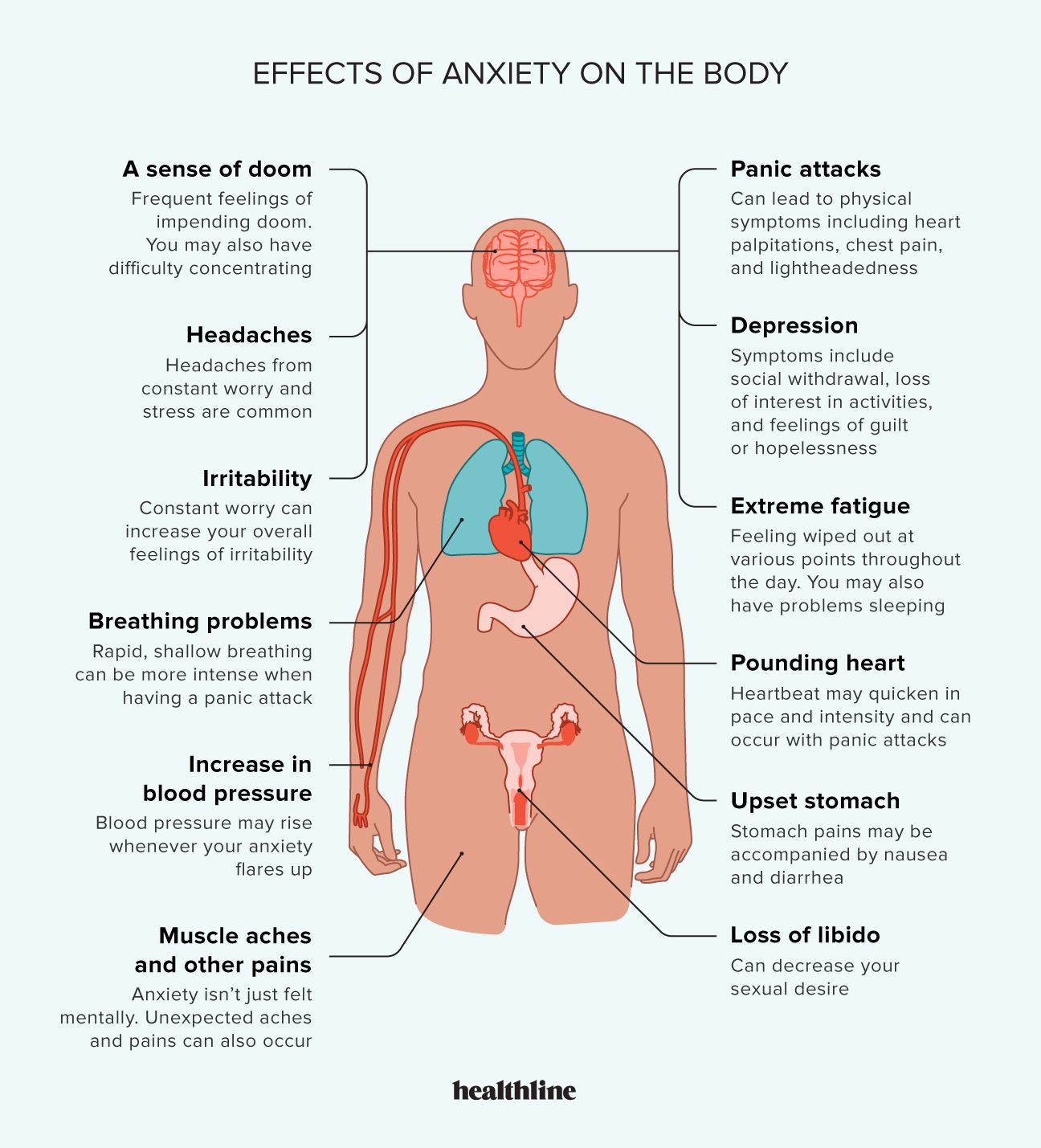
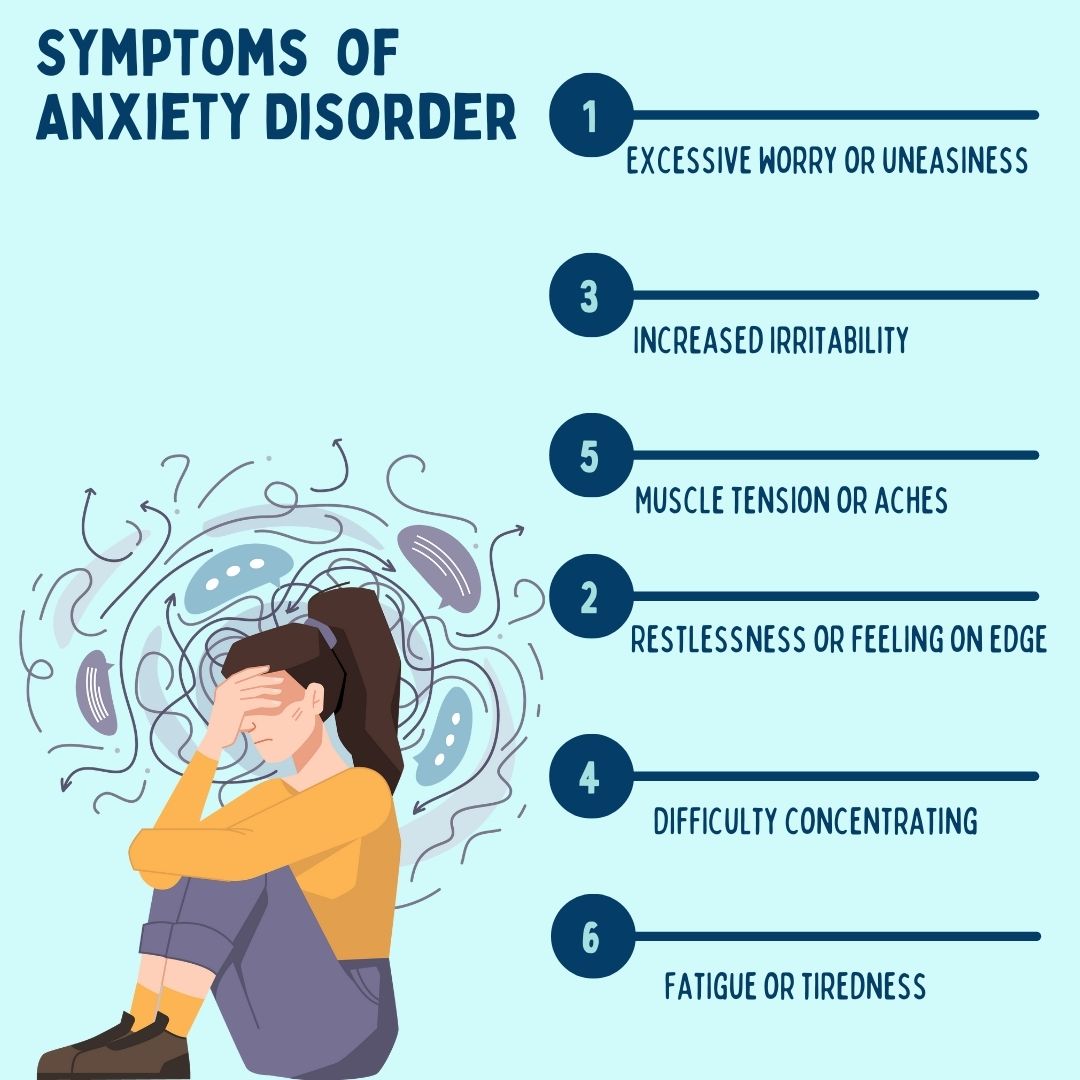
Anxiety disorders are characterized by excessive, persistent, and intense fear and worry about everyday situations. These feelings are often disproportionate to the actual threat and difficult to control. Common symptoms include restlessness, fatigue, difficulty concentrating, irritability, muscle tension, and sleep disturbances. In the digital age, these symptoms can be specifically triggered or intensified by digital interactions. For instance, the constant vibration of a smartphone might trigger a panic attack in someone with panic disorder, or an individual with generalized anxiety disorder might find their worries spiraling after consuming a particularly distressing news report online. Social media interactions can become fertile ground for social anxiety, where fear of judgment and self-consciousness are magnified by the public nature of online profiles and comments.
When Digital Stress Becomes a Disorder
It’s important to distinguish between everyday digital stress and an actual anxiety disorder. Digital stress, while uncomfortable, typically subsides once the immediate stressor is removed. An anxiety disorder, however, involves chronic and debilitating symptoms that persist regardless of external circumstances and significantly impair daily functioning. For example, mild unease about sharing personal information online is normal; but if this concern escalates to the point where an individual avoids all online activity, compulsively checks privacy settings for hours, or experiences panic attacks at the thought of a data breach, it may indicate a clinically significant anxiety disorder like generalized anxiety disorder or even elements of obsessive-compulsive disorder (OCD) manifested in a digital context. The key differentiator is the severity, persistence, and functional impairment caused by the anxiety.
The Spectrum of Tech-Related Anxiety

The impact of technology on mental health is not monolithic. We see a spectrum of tech-related anxieties that can either contribute to or mimic full-blown anxiety disorders. “Nomophobia” (no-mobile-phone phobia) describes the fear of being without one’s mobile phone, indicative of a growing dependence that can border on obsessive. “Technostress” encompasses the negative psychological impact of technology use, leading to fatigue, burnout, and anxiety. Beyond these common experiences, some individuals may develop specific phobias related to technology, such as fear of robots (robophobia) or internet outages. Understanding this spectrum is vital for clinicians and individuals alike, enabling a nuanced approach to diagnosis and treatment that considers the unique interplay between an individual’s psychological vulnerabilities and their technological environment.
Technology as a Tool for Diagnosis and Management
Despite its potential to exacerbate anxiety, technology also offers revolutionary avenues for the diagnosis, treatment, and management of anxiety disorders. From sophisticated AI platforms to accessible mobile applications, digital tools are democratizing mental health support and providing innovative therapeutic interventions.
AI-Powered Mental Health Assessments
Artificial intelligence and machine learning are transforming the way anxiety disorders are identified and monitored. AI algorithms can analyze vast datasets, including speech patterns, facial expressions, written communication, and even biometric data from wearables, to detect subtle markers associated with anxiety. Chatbots and virtual assistants powered by AI can conduct preliminary screenings, ask structured questions, and provide immediate, confidential support, guiding users towards appropriate professional help. While not a replacement for human clinicians, these AI tools can improve early detection, reduce diagnostic delays, and offer a scalable first line of assessment, particularly in underserved communities where access to mental health professionals is limited. The objective data analysis provided by AI can also help track symptom progression and treatment efficacy more precisely.
Therapy Apps and Digital Interventions
The proliferation of mental health apps has made therapeutic techniques more accessible than ever before. Cognitive Behavioral Therapy (CBT) apps, for instance, guide users through exercises to identify and challenge anxious thought patterns, develop coping strategies, and practice relaxation techniques. Mindfulness and meditation apps help individuals cultivate presence and reduce stress through guided sessions. Virtual reality (VR) exposure therapy is emerging as a powerful tool for phobias and PTSD, allowing individuals to confront feared situations in a safe, controlled digital environment. These digital interventions can supplement traditional therapy, provide support between sessions, and empower individuals to take an active role in managing their anxiety from the comfort and privacy of their own homes. The asynchronous nature of many apps also offers flexibility for those with busy schedules.
Wearables and Biofeedback for Stress Monitoring
Wearable technology, such as smartwatches and fitness trackers, is increasingly incorporating features for stress monitoring and management. By tracking physiological indicators like heart rate variability (HRV), skin conductance, and sleep patterns, these devices can provide real-time insights into an individual’s stress levels and anxiety responses. Biofeedback apps, often paired with these wearables, teach users to gain conscious control over involuntary bodily functions, such as heart rate or breathing, to reduce anxiety. For example, a device might alert a user to an elevated stress response and prompt them to engage in a guided breathing exercise. This continuous, personalized data allows individuals to better understand their anxiety triggers, observe the effectiveness of coping strategies, and make proactive adjustments to their lifestyle, offering a data-driven approach to self-management.
Ethical Considerations and Future Directions
As technology’s role in mental health expands, it brings with it important ethical considerations that must be addressed to ensure responsible and equitable implementation. Navigating these challenges will define the future of tech-augmented mental wellness.
Data Privacy and Mental Health Apps
The highly sensitive nature of mental health data stored and processed by apps and AI platforms raises significant privacy concerns. Users share intimate details about their thoughts, emotions, and personal struggles, which, if compromised, could lead to severe repercussions, including discrimination or stigma. Developers and regulators must establish robust data encryption, anonymization protocols, and transparent privacy policies that clearly outline how data is collected, stored, used, and shared. Ethical frameworks are needed to prevent the misuse of mental health data for commercial purposes or predictive profiling. Building trust through stringent privacy measures will be paramount to the widespread adoption and efficacy of these essential digital tools.
Ensuring Accessibility and Equity
While technology offers unprecedented access to mental health support, it also risks widening the digital divide if not implemented equitably. Individuals without reliable internet access, smartphones, or the digital literacy required to use complex applications may be left behind. Future developments must prioritize universal design principles, creating intuitive interfaces and multi-language support. Furthermore, cost remains a barrier; while free versions of many apps exist, premium features that offer greater therapeutic depth often come with a subscription fee. Strategies to subsidize access for low-income individuals and integrate digital mental health solutions into public health systems are crucial to ensure that technology genuinely democratizes, rather than stratifies, mental health care.
The Future of Tech-Augmented Mental Wellness
The trajectory for technology in mental health is one of continuous innovation and integration. We can anticipate more sophisticated AI that offers personalized, adaptive interventions based on real-time emotional and physiological data. Augmented reality (AR) and mixed reality (MR) may create even more immersive therapeutic environments, enhancing exposure therapy and social skills training. The concept of a “digital twin” that tracks an individual’s mental health trajectory and predicts potential crises, while ethically complex, is a possibility. However, the ultimate goal must always be to augment, not replace, human connection and compassion in mental health care. The future will likely see a hybrid model where technology empowers individuals with self-management tools and efficient access to professional support, creating a more resilient, informed, and proactive approach to understanding and alleviating the burden of anxiety disorders in our interconnected world.
aViewFromTheCave is a participant in the Amazon Services LLC Associates Program, an affiliate advertising program designed to provide a means for sites to earn advertising fees by advertising and linking to Amazon.com. Amazon, the Amazon logo, AmazonSupply, and the AmazonSupply logo are trademarks of Amazon.com, Inc. or its affiliates. As an Amazon Associate we earn affiliate commissions from qualifying purchases.