
Attention-Deficit/Hyperactivity Disorder (ADHD) is far from a condition exclusive to childhood. For millions, it persists well into adulthood, often manifesting differently than in younger years and frequently remaining undiagnosed until later in life. In a world increasingly defined by digital interaction, rapid information flow, and constant connectivity, understanding what ADHD means for adults—and how technology both complicates and aids in its management—has become critically important. This article delves into the nuances of adult ADHD, exploring its core characteristics, the profound impact of our digital environment, and the innovative technological solutions emerging to support those who navigate life with this neurodevelopmental difference.
Decoding Adult ADHD: Core Characteristics and Digital Manifestations
Adult ADHD is a complex neurobiological condition that affects executive functions—the mental processes that help us plan, focus, remember instructions, and juggle multiple tasks successfully. It’s not simply a matter of a lack of attention; it’s a difference in how the brain regulates attention and impulse control. In the contemporary digital landscape, these core characteristics interact with technology in unique and often challenging ways.
Beyond Hyperactivity: The Executive Function Deficit
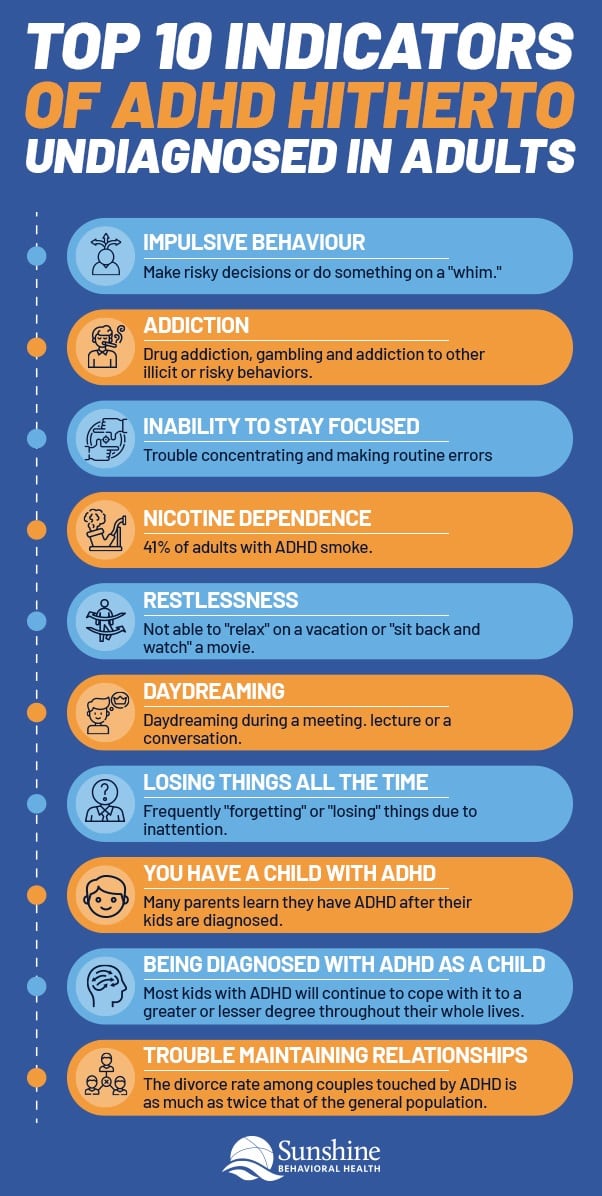
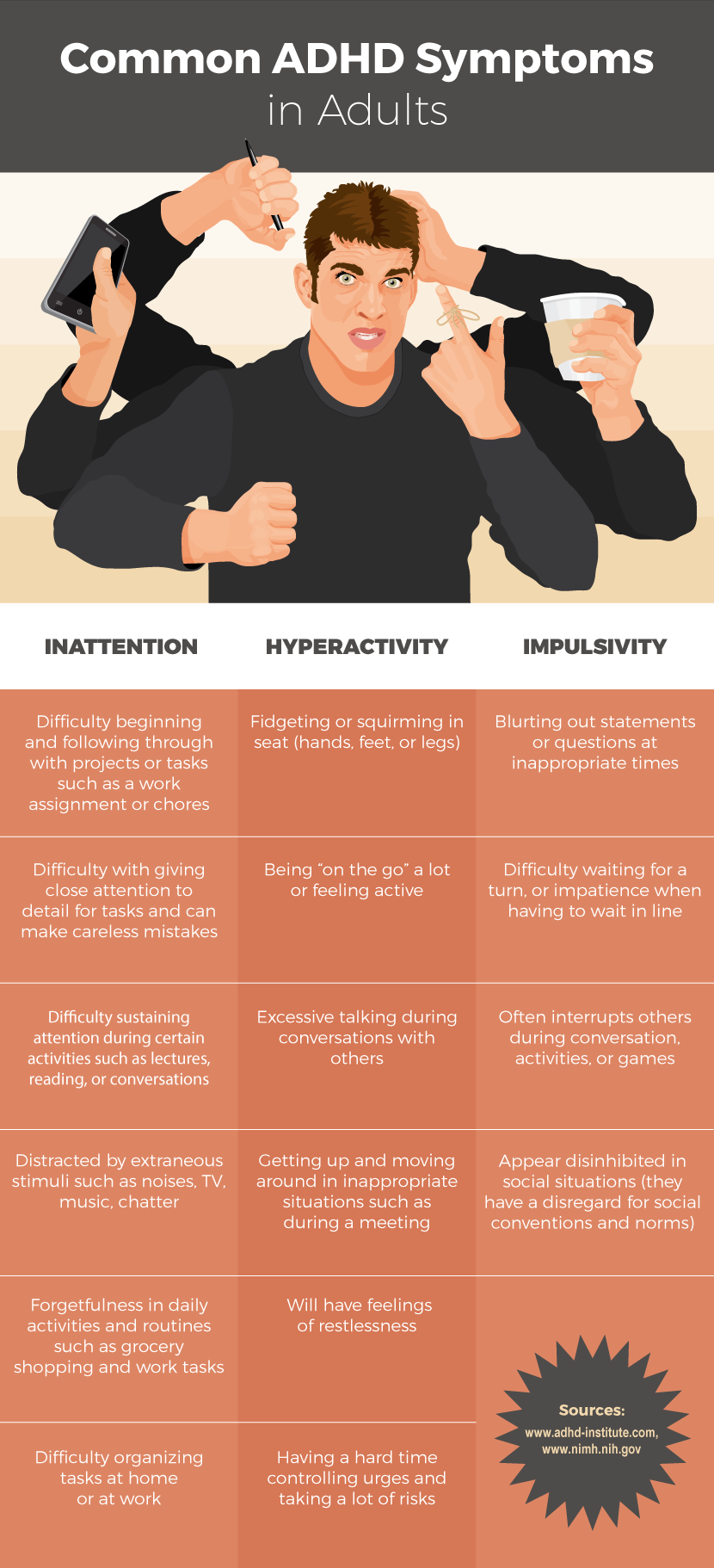
While hyperactivity, often seen as fidgeting or restlessness, can still be present in adults with ADHD, it frequently presents more internally as a “restless mind” or an overwhelming sense of agitation. The hallmark symptoms in adults tend to be rooted in impairments to executive functions. This includes difficulties with sustained attention, leading to struggles with completing tasks or focusing during meetings. Disorganization is common, manifesting as cluttered workspaces, forgotten appointments, or missed deadlines. Impulse control issues can impact decision-making, leading to impulsive spending, interrupting conversations, or difficulty waiting one’s turn. Working memory deficits make it hard to recall information or follow multi-step instructions. Furthermore, emotional dysregulation—intense emotional reactions, irritability, or difficulty managing frustration—is increasingly recognized as a significant component of adult ADHD, often exacerbated by the rapid-fire demands of digital communication. These challenges aren’t signs of laziness or lack of intelligence; they are manifestations of a brain wired differently, often struggling to regulate attention, motivation, and emotional responses.
The Double-Edged Sword of Digital Life
The digital age presents a unique paradox for adults with ADHD. On one hand, technology offers incredible tools for organization and support. On the other, it can amplify inherent struggles. The constant stream of notifications, emails, social media feeds, and news alerts provides an endless cascade of potential distractions, making sustained focus incredibly difficult. For a brain already prone to seeking novelty and external stimulation, the internet can become a hyper-stimulating environment that makes it hard to filter out irrelevant information. Time blindness, a common ADHD symptom where individuals struggle to accurately perceive the passage of time, can be worsened by the immersive nature of digital activities, leading to hours lost online without realizing it. Impulsivity can manifest as excessive online shopping, instant gratification in digital interactions, or engaging in “doomscrolling.” While the digital world offers unparalleled access to information and connection, it simultaneously demands a level of self-regulation and attentional control that can be profoundly challenging for adults with ADHD.
Late Diagnosis and the Role of Online Information
Historically, ADHD was largely considered a childhood disorder, leading to many adults going undiagnosed. As awareness has grown, driven in part by widespread information sharing, many adults are now recognizing their own symptoms. The internet, paradoxically, has played a crucial role in this late-diagnosis phenomenon. Online forums, articles, social media communities, and educational websites have become invaluable resources where adults can research symptoms, read shared experiences, and find relatable content. This digital self-discovery often prompts individuals to seek professional evaluation. Telehealth platforms and online directories of mental health professionals further facilitate access to diagnosis, breaking down geographical and logistical barriers that once prevented many from getting the help they needed. While self-diagnosis is never a substitute for professional assessment, the digital realm has undeniably democratized access to information, empowering countless adults to finally understand the root cause of their lifelong struggles.
Technology’s Role in Diagnosis and Understanding
The journey to understanding and managing adult ADHD is increasingly supported by technological advancements. From sophisticated imaging techniques to accessible telehealth platforms, technology is transforming how ADHD is diagnosed, understood, and integrated into modern healthcare.
Advancements in Neuroimaging and Diagnostic Tools
While ADHD diagnosis remains primarily clinical, relying on detailed interviews and symptom questionnaires, technology is playing an increasingly supportive role in providing objective insights. Neuroimaging techniques such as functional Magnetic Resonance Imaging (fMRI) and Electroencephalography (EEG) allow researchers to observe brain activity and structure, revealing differences in brain regions associated with executive functions in individuals with ADHD. While not yet routine for clinical diagnosis, these tools contribute significantly to our understanding of the neurobiological underpinnings of the disorder, moving beyond purely behavioral observations. Computerized cognitive assessments, which measure attention, reaction time, and impulse control, offer objective data points that can complement clinical interviews, helping to identify specific areas of cognitive difficulty and track treatment effectiveness. These technologies provide a more empirical foundation for understanding ADHD, solidifying its status as a neurological condition rather than a character flaw.
AI and Machine Learning in Early Detection and Personalized Treatment
The nascent fields of Artificial Intelligence (AI) and Machine Learning (ML) hold immense promise for the future of ADHD diagnosis and management. Researchers are exploring how AI algorithms can analyze vast datasets, including speech patterns, eye-tracking data during cognitive tasks, digital behavioral patterns (e.g., smartphone usage), and even facial expressions, to identify subtle markers associated with ADHD. The goal is not to replace clinicians but to provide supplementary, objective data that could aid in earlier and more accurate detection, particularly in complex cases or in populations where ADHD is often overlooked. Beyond diagnosis, AI and ML could revolutionize personalized treatment. By analyzing an individual’s unique symptom profile, response to different medications or therapies, and even genetic data, AI could help predict which interventions are most likely to be effective, leading to highly tailored and optimized treatment plans. This level of personalization moves beyond one-size-fits-all approaches, offering hope for more effective and efficient ADHD management.
Telehealth and Accessible Assessment
The rapid expansion of telehealth, significantly accelerated by recent global events, has dramatically improved access to ADHD assessment and treatment for adults. Virtual platforms allow individuals to connect with psychiatrists, psychologists, and therapists from the comfort of their homes, eliminating geographical barriers, transportation challenges, and the need to take time off work. This is particularly beneficial for adults in rural areas, those with demanding schedules, or individuals who experience anxiety related to in-person appointments. Virtual diagnostic interviews, often supplemented by online cognitive tests and symptom trackers, enable clinicians to conduct comprehensive assessments remotely. Furthermore, ongoing therapy, medication management, and coaching can all be delivered effectively through secure video conferencing. Telehealth has proven to be a game-changer in making expert ADHD care more equitable and accessible, reducing the long wait times and logistical hurdles that once deterred many from seeking help.
Leveraging Digital Tools for ADHD Management and Productivity
While technology can present unique challenges for adults with ADHD, it also offers an indispensable suite of tools specifically designed to mitigate symptoms and enhance daily functioning. These digital aids serve as external executive functions, providing structure, reminders, and focus support where internal regulation might falter.
Executive Function Support Apps: A Digital Assistant for the ADHD Brain
The app marketplace is rich with solutions tailored to address various aspects of executive dysfunction. Task managers and planners like Todoist, Trello, or Asana provide digital frameworks for breaking down projects, setting deadlines, and tracking progress, helping to externalize planning and organization. For focus and concentration, apps employing the Pomodoro Technique (e.g., Focus Keeper) or offering white noise/ambient sounds (e.g., Endel, Brain.fm) can create conducive environments for deep work. Browser extensions that block distracting websites or limit social media access also serve as digital gatekeepers. Note-taking and organization tools such as Evernote, OneNote, or Google Keep allow for quick capture of ideas, voice notes, and digital files, reducing the mental load of remembering everything. Finally, reminder and habit trackers integrated into smartphones or specialized apps (e.g., Habitica, Streaks) help establish routines and ensure important tasks aren’t forgotten, acting as reliable external cues for the often-unpredictable ADHD brain. These apps don’t cure ADHD, but they provide invaluable scaffolding, allowing individuals to outsource some executive functions to their digital devices.
Wearable Technology and Biofeedback for Self-Regulation
Beyond smartphone apps, wearable technology is increasingly being explored for its potential to support adults with ADHD. Smartwatches and fitness trackers can help monitor sleep patterns, heart rate variability, and activity levels—all factors that significantly impact ADHD symptoms. By providing objective data, these devices can help individuals identify triggers for restlessness or fatigue and establish healthier routines. More specialized biofeedback devices, often paired with apps, allow users to learn self-regulation techniques. These devices might track brainwave activity (neurofeedback) or physiological responses (heart rate, skin conductance) to help individuals learn to achieve states of focus or calm. While still an emerging field for ADHD-specific interventions, the promise of real-time, personalized feedback to train attention and emotional regulation is significant. Imagine a device providing subtle haptic feedback when focus wavers, gently guiding the user back to the task at hand.
Online Communities and Digital Support Networks
The isolating nature of ADHD, particularly before diagnosis, can be profoundly difficult. Technology has created vast, accessible digital spaces where adults with ADHD can connect, share experiences, and find solidarity. Online forums like Reddit’s r/ADHD, specialized Facebook groups, and even dedicated platforms offer a sense of community and understanding. These networks provide a safe space to discuss challenges, share coping strategies, celebrate successes, and seek advice from others who truly “get it.” The anonymity and convenience of online interactions can reduce the barriers of social anxiety or perceived stigma, making it easier for individuals to open up. Beyond informal groups, many organizations offer virtual support groups and webinars led by professionals, providing structured guidance and a sense of collective learning. These digital support networks are vital for mental well-being, fostering a sense of belonging and reducing the feelings of isolation that often accompany ADHD.
Ethical Considerations and Future Horizons in Tech-Assisted ADHD Management
As technology becomes more integrated into ADHD diagnosis and management, it’s crucial to consider the ethical implications and anticipate future advancements. Balancing innovation with responsible use is paramount to ensuring these tools genuinely empower individuals.
Data Privacy, Digital Overload, and Algorithm Bias
The increasing use of AI and personalized apps in ADHD management raises significant concerns about data privacy. Health data is highly sensitive, and ensuring the secure collection, storage, and use of information gathered by diagnostic tools and management apps is critical. Users must be fully informed about how their data is used and have control over it. Furthermore, while technology offers solutions, it can also contribute to digital overload. An adult with ADHD might download dozens of apps, only to find themselves overwhelmed by choice or the cognitive load of managing multiple digital systems, creating another source of distraction rather than relief. There’s also the risk of algorithm bias in AI-driven diagnostic tools. If AI is trained on unrepresentative datasets, it could perpetuate or even amplify existing health disparities, leading to misdiagnosis or delayed diagnosis in certain demographic groups. Careful ethical oversight and diverse data collection are essential to prevent these pitfalls.
Virtual Reality and Gamification for Therapeutic Interventions
Looking ahead, Virtual Reality (VR) and gamification are poised to revolutionize ADHD therapy. VR environments offer controlled, immersive settings where individuals can practice attention skills, improve working memory, and manage impulsivity without real-world consequences. Imagine a VR game designed to train sustained attention by navigating a complex virtual environment, or a simulation for practicing social skills and emotional regulation. Gamification—applying game-design elements and game principles in non-game contexts—can make therapeutic exercises more engaging and motivating, directly leveraging the ADHD brain’s natural inclination towards novelty and immediate feedback. Cognitive training programs delivered through engaging VR games could offer more effective and enjoyable alternatives to traditional paper-and-pencil tasks, potentially improving adherence and outcomes.

The Evolving Landscape of Neurotech and Personalization
The future of tech-assisted ADHD management will likely see even more sophisticated neurotechnology and hyper-personalization. Brain-Computer Interfaces (BCIs), though still largely experimental, could one day offer advanced neurofeedback or direct modulation of brain activity to enhance focus. Beyond BCIs, advancements in wearable sensors and AI could lead to highly personalized digital coaches that learn an individual’s specific triggers, optimal focus times, and preferred coping strategies, offering real-time, context-aware support. Imagine an app that subtly reminds you to take a break when it detects early signs of mental fatigue based on your physiological data, or suggests a specific strategy when you’re about to make an impulsive decision. The integration of genomic data could further refine personalized approaches, helping to predict responses to different medications and therapies with unprecedented accuracy. This evolving landscape promises a future where technology is not just a tool but an integrated, intelligent partner in managing ADHD.
In conclusion, understanding what ADHD is in adults is inextricably linked to our digital world. While technology presents a unique set of challenges by amplifying inherent tendencies towards distraction and impulsivity, it simultaneously stands as an indispensable ally. From facilitating late diagnoses through accessible online information to providing sophisticated tools for managing executive functions, and offering innovative avenues for therapy and support, technology is transforming the adult ADHD experience. As we move forward, a balanced and ethically conscious approach to leveraging these digital advancements will be crucial. By embracing the strengths of technology while mitigating its weaknesses, adults with ADHD can increasingly harness its power to navigate the complexities of their neurodiversity, achieve their potential, and thrive in the ever-evolving digital age.
aViewFromTheCave is a participant in the Amazon Services LLC Associates Program, an affiliate advertising program designed to provide a means for sites to earn advertising fees by advertising and linking to Amazon.com. Amazon, the Amazon logo, AmazonSupply, and the AmazonSupply logo are trademarks of Amazon.com, Inc. or its affiliates. As an Amazon Associate we earn affiliate commissions from qualifying purchases.