
In the vast lexicon of scientific parameters, few concepts are as fundamental, yet as widely misunderstood in their technological implications, as pH. Often associated purely with chemistry class, the pH scale is, in reality, a critical lynchpin across a multitude of modern technologies, influencing everything from the efficacy of pharmaceuticals to the sustainability of environmental systems and the safety of our food. To truly grasp “what does pH represent” is to understand a cornerstone of innovation, control, and efficiency in the technological world.
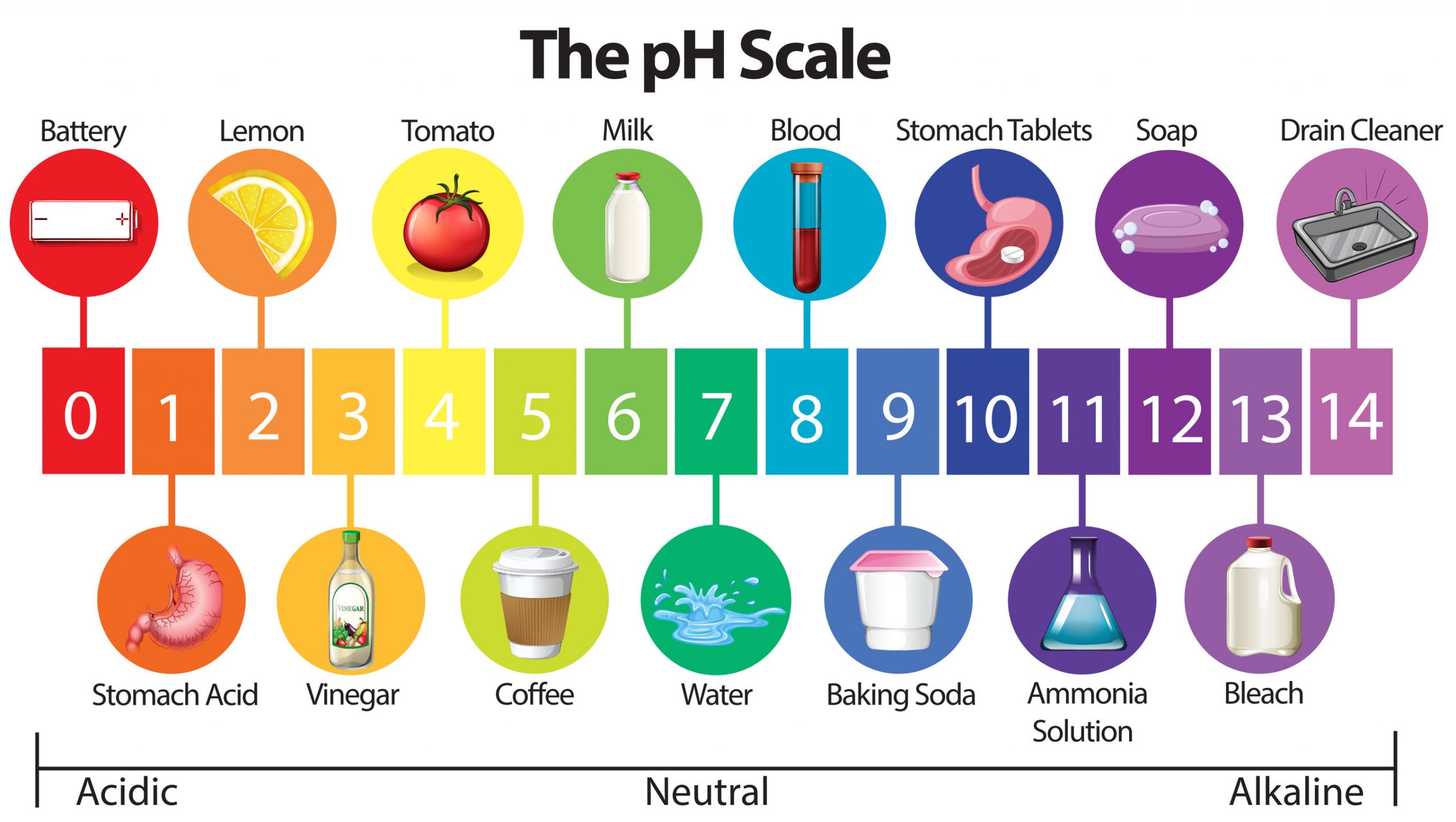
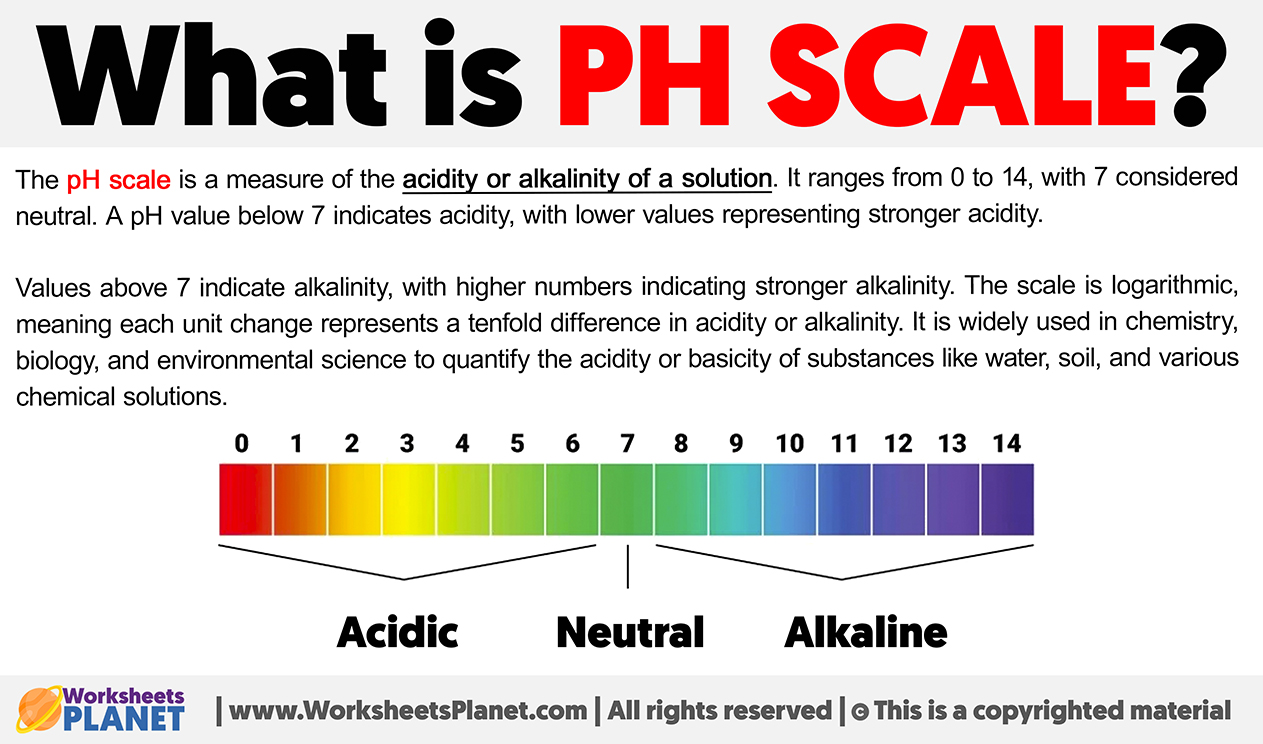
At its core, pH is a measure of the acidity or alkalinity of an aqueous solution. It quantifies the concentration of hydrogen ions (H+) relative to hydroxide ions (OH-) on a logarithmic scale ranging typically from 0 to 14. A pH of 7 is neutral, values below 7 are acidic, and values above 7 are alkaline (or basic). But beyond this textbook definition lies a profound impact on molecular interactions, reaction rates, and microbial growth – factors that developers, engineers, and scientists must rigorously control to ensure the functionality, safety, and performance of countless technological applications. This article delves into the technological essence of pH, exploring its foundational science, advanced measurement techniques, critical industrial applications, and the future of its intelligent management.

The Foundational Science of pH: More Than Just Acidity
Understanding the “what” of pH is the first step towards appreciating its “how” in technology. It’s not merely about a liquid being sour or slippery; it’s about the delicate balance of ions that dictates chemical reactivity and biological viability.
Defining the Scale: Acids, Bases, and Neutrality
The pH scale, developed by Søren P. L. Sørensen in 1909, provides a convenient way to express very large ranges of hydrogen ion concentrations. Acids are substances that donate hydrogen ions, increasing their concentration and lowering the pH. Bases, conversely, accept hydrogen ions or donate hydroxide ions, decreasing H+ concentration and raising the pH. Neutral solutions, like pure water, have an equal balance of H+ and OH- ions. This fundamental principle governs the stability and activity of enzymes, the solubility of minerals, and the corrosive potential of solutions – all critical considerations in designing technological processes and materials. In fields like semiconductor manufacturing, for instance, the precise pH of etching solutions dictates the accuracy and quality of microscopic circuits.
The Logarithmic Nature: Why Small Changes Matter
Perhaps the most crucial aspect often overlooked is pH’s logarithmic nature. A change of one pH unit represents a tenfold change in hydrogen ion concentration. This means that a solution with a pH of 4 is ten times more acidic than a solution with a pH of 5, and a hundred times more acidic than one with a pH of 6. This exponential relationship highlights why even minor pH fluctuations can have catastrophic consequences in sensitive technological environments. In biotechnology, a shift of just 0.1-0.2 pH units in a bioreactor can drastically impact cell growth, protein expression, or the yield of a valuable compound. Engineers must design robust control systems that can maintain pH within extremely narrow tolerances, often requiring sophisticated sensing and feedback mechanisms.
Natural Buffers and Their Technological Mimicry
Nature offers elegant solutions to pH stability through buffer systems – mixtures of weak acids and their conjugate bases that resist changes in pH upon the addition of small amounts of acid or base. Biological systems, such as blood, are exquisitely buffered to maintain life-sustaining pH levels. Technologically, this principle is mimicked and exploited in countless applications. Buffer solutions are essential in laboratory diagnostics, calibration of pH meters, and industrial processes where consistent pH is paramount. For example, in drug formulation, buffering agents ensure the stability and shelf-life of pharmaceutical products, preventing degradation that could be triggered by pH shifts. Understanding and artificially replicating these natural buffering capacities is a testament to applied chemical engineering.
Technological pH Measurement: From Litmus to IoT
The ability to accurately and continuously measure pH is indispensable for technological advancement. From rudimentary color changes to sophisticated digital networks, the evolution of pH measurement reflects our growing reliance on precise environmental control.
The Evolution of pH Sensing Technologies
Early pH measurement relied on indicator dyes, like litmus paper, which change color in response to pH. While useful for qualitative checks, these methods lacked the precision required for scientific and industrial applications. The real revolution began with the development of electrochemical pH sensors, particularly the glass electrode, which measures the electrical potential difference across a pH-sensitive glass membrane. This technology, still widely used today, offered significantly higher accuracy and enabled quantitative pH determination. The continuous drive for precision, robustness, and remote monitoring has propelled further innovations.
Precision in the Digital Age: pH Meters and Electrodes
Modern pH meters are sophisticated digital instruments that pair with various types of electrodes tailored for specific applications (e.g., flat-surface electrodes for viscous samples, rugged electrodes for industrial wastewater). These devices often incorporate temperature compensation, as pH is temperature-dependent, and advanced calibration features to ensure accuracy. Beyond standalone units, modular pH electrodes are integrated into complex analytical instruments, automated titration systems, and process control loops. The digital output from these devices can be directly fed into computer systems for data logging, trending, and automated process adjustments, forming the backbone of many quality control and optimization strategies in manufacturing.
Smart Monitoring and Automation: IoT and AI in pH Control
The advent of the Internet of Things (IoT) and artificial intelligence (AI) has brought pH measurement into a new era. IoT-enabled pH sensors can transmit real-time data wirelessly to cloud platforms, allowing for continuous remote monitoring of industrial processes, environmental sites, and even smart agriculture. This capability enables predictive maintenance for sensors, proactive problem-solving, and optimized resource allocation. AI algorithms can analyze historical pH data alongside other process parameters (temperature, flow rate, chemical additions) to predict future pH shifts, identify abnormal patterns, and recommend corrective actions before critical deviations occur. In water treatment plants, for example, AI-driven pH control systems can autonomously adjust chemical dosing, optimizing efficiency and minimizing human error.
pH as a Critical Parameter Across Tech Industries
The pervasive influence of pH extends across nearly every technological sector, underscoring its role as a fundamental variable that dictates success or failure.
Biotechnology and Pharmaceuticals: The pH of Life
In biotechnology, pH is arguably one of the most critical process parameters. Bioreactors cultivating cells or microorganisms require meticulously controlled pH environments because enzymes and proteins – the workhorses of biological systems – are extremely sensitive to pH changes. Deviations can denature proteins, inhibit enzyme activity, and halt cell growth, leading to reduced yields or even complete batch failure. In pharmaceutical manufacturing, pH control is vital not only in fermentation and cell culture but also in drug formulation (to ensure solubility, stability, and bioavailability), quality control, and sterility testing. Advanced sensors and automated feedback systems are standard in these high-stakes environments.
Environmental Tech: Safeguarding Water and Soil Quality
Environmental technology heavily relies on pH monitoring and adjustment to protect natural ecosystems and manage resources. In water treatment, pH control is essential for optimizing coagulation and flocculation processes, ensuring effective disinfection (e.g., chlorine efficacy is pH-dependent), and preventing pipe corrosion. Wastewater treatment plants use pH to neutralize effluents before discharge, protecting aquatic life. In soil remediation, pH manipulation can lock up contaminants or enhance their degradation. Smart agriculture uses soil pH sensors to optimize nutrient uptake for crops, ensuring healthier yields and reducing fertilizer waste. The entire edifice of environmental monitoring, from acid rain assessment to ocean acidification research, is built upon accurate pH measurement.
Food Technology: Preservation, Quality, and Safety
From farm to fork, pH plays a pivotal role in food technology. It influences the taste, texture, color, and shelf-life of food products. Many food preservation methods, such as pickling or fermentation, deliberately lower pH to inhibit the growth of spoilage microorganisms and pathogens like Clostridium botulinum. In dairy production, pH is monitored to ensure proper cheese curd formation and yogurt fermentation. In brewing, precise pH control during mashing and fermentation impacts enzyme activity and flavor profiles. Food safety regulations often mandate specific pH ranges for certain products, making accurate measurement an indispensable tool for quality assurance and consumer protection.
Material Science and Manufacturing: Engineered Environments
Even in the realm of inanimate materials, pH exerts significant influence. In electroplating, the pH of the plating bath dictates the quality, thickness, and adherence of the deposited metal layer. In corrosion control, understanding the pH of an environment (e.g., industrial cooling water, concrete pore solutions) helps engineers select appropriate materials or apply protective coatings. The synthesis of new materials, from polymers to nanoparticles, often involves reactions where pH is a critical determinant of product yield, purity, and morphology. In the semiconductor industry, precise pH control in chemical-mechanical planarization (CMP) slurries is crucial for achieving ultra-flat surfaces for microchip fabrication.
Challenges and Innovations in pH Management Technology
While pH measurement and control technologies have advanced significantly, challenges remain, driving continuous innovation.
Overcoming Sensor Limitations and Maintenance
pH electrodes, particularly glass electrodes, can be prone to fouling, drift, and breakage. Their performance is affected by temperature, pressure, and the chemical composition of the solution. Maintenance, including cleaning, calibration, and replacement, can be resource-intensive, especially in harsh industrial environments. Innovations are focused on developing more robust, low-maintenance sensors (e.g., solid-state sensors, ion-selective field-effect transistors or ISFETs), non-contact measurement techniques, and self-cleaning mechanisms. These advancements aim to reduce downtime, improve data reliability, and lower operational costs.
Miniaturization and Point-of-Care (POC) Applications
The demand for portable, compact, and rapid pH measurement devices is growing across various sectors. Miniaturized pH sensors are crucial for point-of-care medical diagnostics (e.g., blood gas analysis), in-field environmental testing, and wearable health monitors. The integration of microfluidics with advanced sensing elements is paving the way for lab-on-a-chip devices that can perform complex analyses with minimal sample volume and rapid results, revolutionizing decentralized testing.
AI-Driven Predictive Analytics for pH Optimization
The future of pH management lies in leveraging AI and machine learning for predictive analytics and proactive control. Instead of merely reacting to pH deviations, AI models can learn complex process dynamics and predict potential issues before they arise. This enables systems to anticipate pH changes and initiate preventative actions, leading to greater stability, efficiency, and reduced chemical consumption. Such sophisticated control minimizes waste, improves product consistency, and contributes to more sustainable industrial practices.
The Future Landscape: Seamless pH Integration
What does pH represent for the future of technology? It signifies a critical control point for increasingly complex, automated, and interconnected systems. As industries move towards Industry 4.0 and smart manufacturing, the integration of highly accurate, reliable, and intelligent pH monitoring and control systems will become even more seamless and indispensable. From personalized medicine and advanced biotechnology to sustainable environmental solutions and resilient manufacturing processes, the precise understanding and management of pH will continue to be a cornerstone, driving efficiency, innovation, and ultimately, human progress. The seemingly simple concept of acidity and alkalinity holds profound technological significance, continually shaping our world in ways both visible and unseen.
aViewFromTheCave is a participant in the Amazon Services LLC Associates Program, an affiliate advertising program designed to provide a means for sites to earn advertising fees by advertising and linking to Amazon.com. Amazon, the Amazon logo, AmazonSupply, and the AmazonSupply logo are trademarks of Amazon.com, Inc. or its affiliates. As an Amazon Associate we earn affiliate commissions from qualifying purchases.