
Beyond its chemical composition and therapeutic applications, Benadryl represents a formidable case study in brand longevity, market saturation, and the intricate art of consumer trust. For generations, the name “Benadryl” has transcended its pharmaceutical origins to become synonymous with relief – a ubiquitous staple in medicine cabinets worldwide. This enduring presence is not merely a testament to its efficacy as an antihistamine, but rather a profound reflection of masterful brand strategy, adaptability, and an unwavering commitment to maintaining its core identity amidst an ever-shifting competitive landscape. To understand “what Benadryl” truly signifies from a brand perspective is to delve into the foundational principles that elevate a product from a simple commodity to an iconic cultural touchstone.
The Genesis of a Household Name: Benadryl’s Brand Foundation
Every enduring brand has a origin story, a moment where a novel idea or product began its journey toward market recognition. For Benadryl, this journey began with a scientific breakthrough that was meticulously translated into a brand narrative focused on alleviation and dependability.
A Pioneering Product: From Medical Breakthrough to Market Presence
Benadryl’s story began in 1946 when it became the first antihistamine approved for prescription use in the United States. Its active ingredient, diphenhydramine, represented a significant advance in treating allergic reactions and insomnia. This pioneering status immediately granted the brand a unique position in the emerging pharmaceutical market. The initial brand-building efforts were naturally centered around its groundbreaking efficacy. Marketing focused on the scientific innovation, the relief it offered from debilitating allergy symptoms, and later, its sedative side effect being repurposed for sleep aid. This foundational messaging established Benadryl as a reliable, scientifically-backed solution, building the initial layers of trust and authority that are crucial for any brand in the health sector. The novelty of the solution itself was a powerful marketing tool, creating a distinct identity that competitors would later struggle to emulate without appearing derivative.
Crafting Core Identity: Early Branding and Messaging
From its inception, the Benadryl brand articulated a clear and simple promise: effective relief. This clarity was paramount in its early branding and messaging. Packaging design, though simpler than today’s standards, emphasized legibility and a no-nonsense approach. The brand name itself, “Benadryl,” while not immediately descriptive, possessed a certain medical gravitas and ease of pronunciation that aided memorability. Early advertisements, moving from professional medical journals to broader consumer-facing media, consistently highlighted situations where relief was needed – seasonal allergies, hives, insect bites, and later, sleeplessness. The brand successfully tapped into the universal human desire for comfort and freedom from discomfort. This consistent articulation of a straightforward value proposition – rapid, dependable relief – was instrumental in embedding Benadryl’s identity deeply into the public consciousness, establishing it as the go-to solution for common ailments. The brand’s identity was not just about the drug, but the promise it held for a better, more comfortable day or night.
Navigating the Evolving Consumer Landscape: Benadryl’s Brand Adaptation
The pharmaceutical market is rarely static; new discoveries, changing consumer behaviors, and aggressive competition constantly challenge established brands. Benadryl’s long-term success hinges on its ability to adapt without losing its core essence.
Sustaining Relevance: Adapting to New Generations and Health Trends
Over decades, Benadryl has faced the challenge of remaining relevant in a market flooded with newer, non-drowsy antihistamines and an array of sleep aids. Its brand strategy has focused on leveraging its legacy while subtly adapting to contemporary health trends and consumer preferences. For newer generations, the brand leans into its heritage of trust and reliability, often positioning itself as the “original” or the “classic” solution, implying a proven track record. While newer products may offer different benefits, Benadryl maintains its niche by emphasizing specific use cases where its properties are distinct, such as for severe allergic reactions (e.g., topical use for itching) or as a potent over-the-counter sleep aid. The brand narrative has also adapted to incorporate broader wellness discussions, focusing on the quality of life restored through effective symptom relief. This strategic framing allows Benadryl to coexist with, rather than directly compete against, newer entrants by highlighting its unique value propositions and established efficacy in specific contexts.
Expanding the Portfolio: Brand Extensions and Line Management
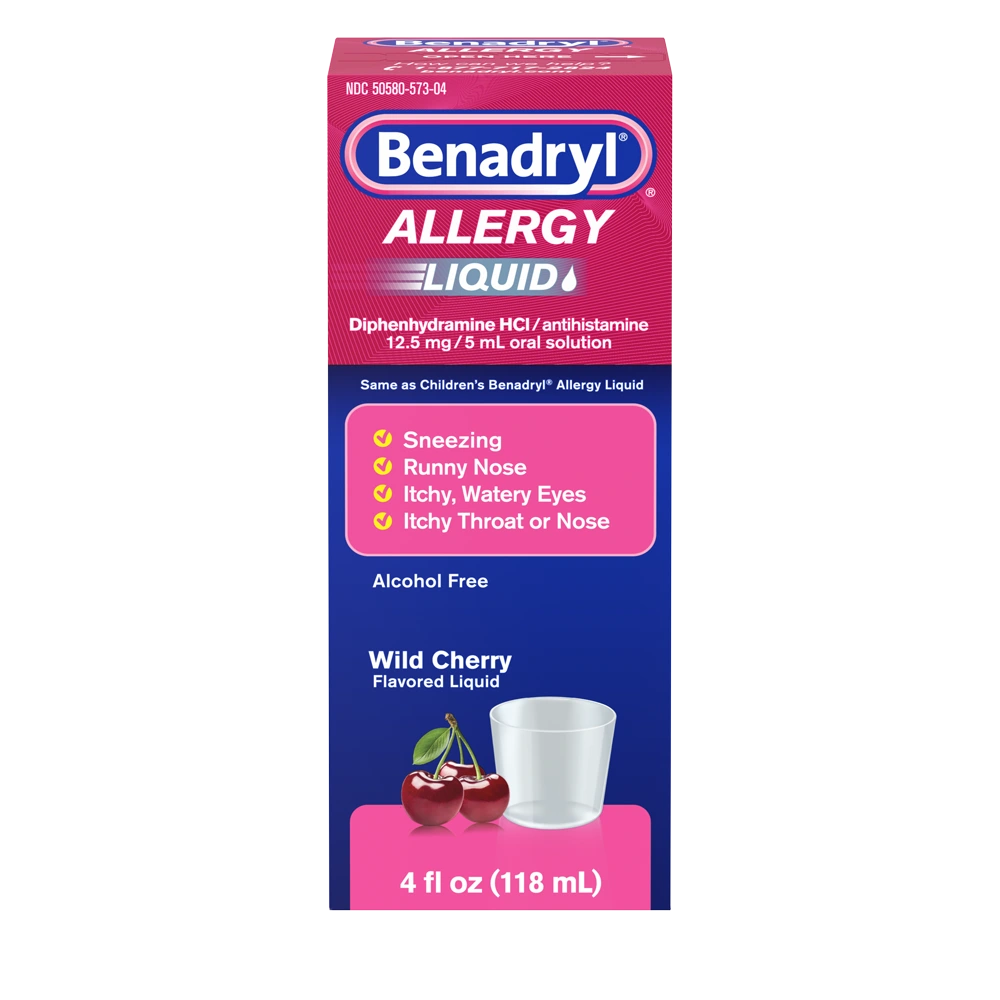
A crucial aspect of Benadryl’s brand strategy has been its intelligent approach to brand extensions. Rather than remaining solely a single-product entity, the brand has diversified its offerings under the trusted Benadryl umbrella. This includes topical creams for itching, children’s formulations, and different strengths or delivery methods. Each extension carefully leverages the existing brand equity of “Benadryl” – the name instantly conveys trust, efficacy, and familiarity. However, this expansion requires careful line management to avoid brand dilution or confusion. Each new product is strategically positioned to address a specific consumer need or demographic (e.g., “Children’s Benadryl Allergy Liquid” directly targets parents seeking relief for their kids). The visual branding, while maintaining core elements like color schemes and logo styles, is subtly adapted to differentiate products within the family, ensuring consumers can easily distinguish between an allergy relief product and a topical itch cream. This thoughtful portfolio expansion has allowed the Benadryl brand to capture more market share and remain a prominent choice across various related categories, reinforcing its status as a versatile and comprehensive solution provider.
The Architecture of Trust: Building and Maintaining Brand Equity
Brand equity is the commercial value that a brand derives from consumer perception of the brand name of a particular product or service, rather than from the product or service itself. Benadryl has amassed significant brand equity over its operational history.
The Power of Legacy: Consumer Recognition and Emotional Connection
Few brands achieve the level of ingrained recognition and emotional connection that Benadryl commands. Decades of consistent presence in homes and pharmacies have cultivated an almost instinctive association with relief and comfort. This legacy is a powerful, intangible asset. For many, Benadryl isn’t just a medication; it’s a nostalgic childhood remedy, a trusted companion during allergy season, or the reliable solution for a restless night. This deep-seated familiarity fosters an emotional bond, where consumers often choose Benadryl not just for its active ingredients, but for the inherent trust and peace of mind its brand name evokes. It’s the “brand grandmother always kept in the cabinet.” This emotional connection translates into strong brand loyalty, making consumers less likely to switch to lesser-known alternatives, even if they offer similar efficacy. The brand’s longevity itself signals reliability and safety, reinforcing its equity and positioning it as a consistent, dependable presence in an often uncertain world.
Communication Strategies: From Traditional Ads to Digital Engagement
Benadryl’s journey from a nascent pharmaceutical product to a household staple is mirrored in its evolving communication strategies. Initially, marketing relied on traditional channels: print advertisements in magazines, radio spots, and later, television commercials. These early campaigns focused on problem-solution narratives, showcasing the dramatic relief Benadryl offered. Messaging was clear, direct, and authoritative. As the media landscape shifted, so did Benadryl’s approach. While still utilizing traditional media, the brand has made significant inroads into digital engagement. Its online presence emphasizes educational content about allergies and sleep, leveraging SEO to ensure visibility. Social media campaigns often feature user-generated content or relatable scenarios, fostering a sense of community and shared experience. However, throughout these evolutions, the core messaging remains consistent: Benadryl provides dependable relief. This strategic blending of traditional authority with modern accessibility ensures that the brand not only reaches new audiences but also reinforces its foundational promise of trust and efficacy across all platforms. The communication is always geared towards affirming its status as a tried and true solution.
Challenges and Opportunities: Ensuring Benadryl’s Future Brand Resilience
Even iconic brands like Benadryl are not immune to market pressures and the imperative to adapt to a changing world. Strategic foresight is crucial for sustained relevance.
Competitive Pressures and Market Differentiation
The over-the-counter medication market is fiercely competitive, with a constant influx of generic alternatives, innovative new compounds, and aggressive marketing from rival brands. Benadryl faces the ongoing challenge of differentiating itself in this crowded space. While its legacy and brand equity provide a significant advantage, it’s not enough to rest on past laurels. The brand must continually articulate its unique value proposition, particularly when competing against newer, non-drowsy antihistamines or specialized sleep aids. Its differentiation often lies in its multi-symptom relief capabilities (allergies, itching, sleep), its established track record, and its perceived strength. For instance, while some seek non-drowsy options, Benadryl leans into its sedative effect as a unique selling point for nighttime allergy relief or occasional sleep aid. The brand also focuses on specific consumer segments who prioritize the familiarity and reliability of a long-standing product. Effective differentiation requires not just highlighting product attributes, but reinforcing the overarching brand narrative of trusted, comprehensive care.

Brand Reputation in the Digital Age: Managing Information and Misinformation
The digital age presents both unprecedented opportunities and significant challenges for brand reputation. For a health-related brand like Benadryl, the proliferation of information – and misinformation – online requires vigilant management. While the internet allows for direct consumer engagement and educational initiatives, it also amplifies anecdotal experiences and, in some unfortunate instances, dangerous trends like the “Benadryl Challenge.” Managing these scenarios demands a proactive and responsible brand strategy. Benadryl, through its parent company, must actively monitor online conversations, address concerns with clear, evidence-based information, and collaborate with health authorities to counter harmful content. The brand’s messaging needs to be consistently aligned with public health guidance, emphasizing safe and appropriate use. This involves leveraging official channels to educate consumers, debunk myths, and reinforce the brand’s commitment to consumer safety. In an era where reputation can be built or shattered in a single news cycle, maintaining public trust through transparent and responsible communication is paramount for Benadryl’s continued brand resilience.
In conclusion, “what Benadryl” represents is far more than an antihistamine; it is a masterclass in brand building and endurance. From its foundational scientific innovation to its astute adaptations to market shifts, Benadryl exemplifies how a product can evolve into a cultural fixture. Its sustained success is rooted in a clear and consistent brand identity focused on relief and trust, intelligent portfolio expansion, and an unwavering commitment to consumer safety and engagement. As it navigates the complexities of modern consumerism and digital challenges, Benadryl continues to be a powerful testament to the timeless principles of strong branding, demonstrating how a legacy brand can not only survive but thrive for generations.
aViewFromTheCave is a participant in the Amazon Services LLC Associates Program, an affiliate advertising program designed to provide a means for sites to earn advertising fees by advertising and linking to Amazon.com. Amazon, the Amazon logo, AmazonSupply, and the AmazonSupply logo are trademarks of Amazon.com, Inc. or its affiliates. As an Amazon Associate we earn affiliate commissions from qualifying purchases.