
In the intricate symphony of human biology, hormones play the role of vital messengers, orchestrating a vast array of bodily functions. Among these, androgens stand as a crucial class of steroid hormones, often dubbed “male hormones,” though their presence and function are indispensable in both males and females. Predominantly, androgens are responsible for the development of male characteristics and reproductive health, yet their influence extends far beyond, impacting metabolism, bone density, muscle mass, mood, and overall well-being in all individuals.
Traditionally, the study and management of androgens have been the domain of endocrinologists, relying on established laboratory techniques and clinical observation. However, in our increasingly interconnected and technologically driven world, the landscape of understanding, measuring, and optimizing androgen levels is undergoing a profound transformation. We are witnessing a revolution where advanced diagnostics, artificial intelligence, wearable technology, and digital health platforms are not merely supplementing conventional methods but fundamentally redefining our approach to hormonal health. This article delves into the essence of androgens through a contemporary lens, exploring how cutting-edge technology is unraveling their complexities and enabling more precise, personalized, and proactive management strategies.
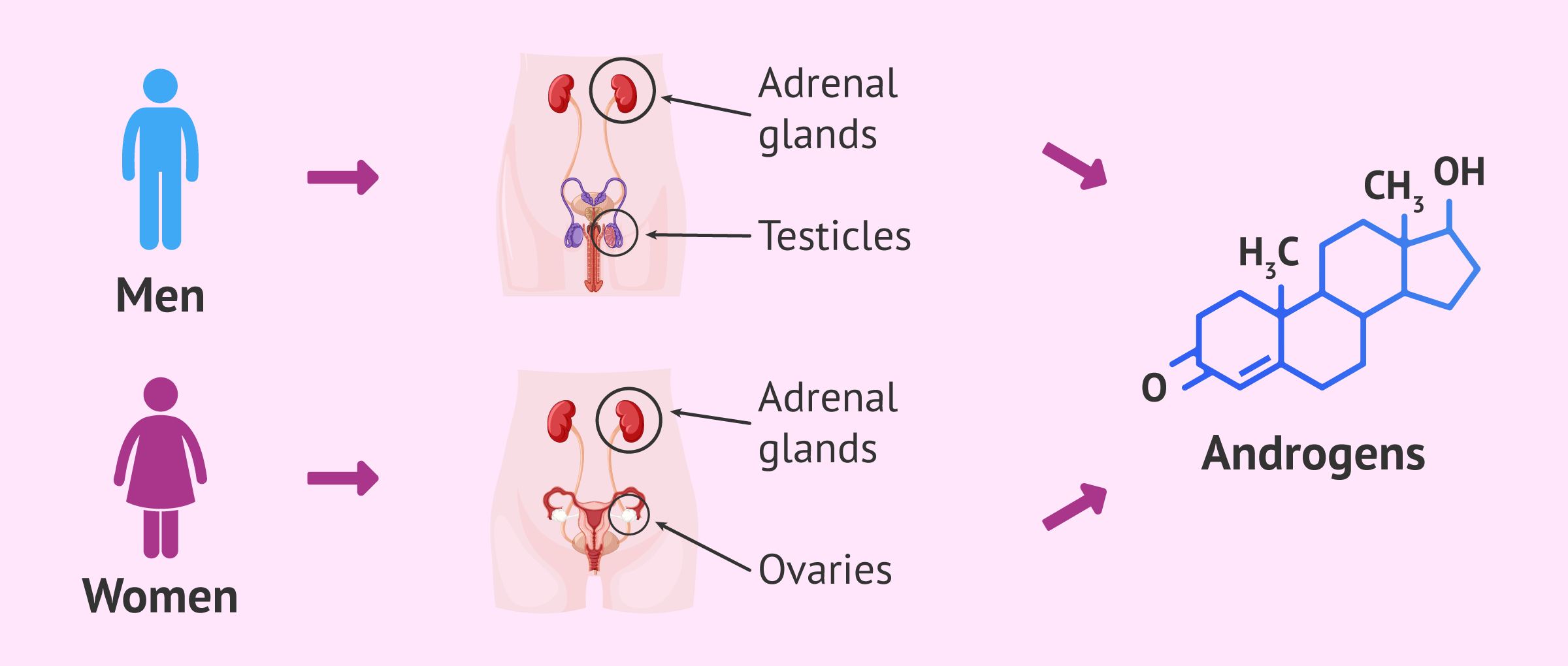
Androgens: The Biological Foundation in a Digital Age
To truly grasp the technological strides being made, a foundational understanding of androgens themselves is essential. Synthesized primarily in the testes in males, ovaries in females, and adrenal glands in both sexes, testosterone is the most well-known and potent androgen. Other significant androgens include dihydrotestosterone (DHT), dehydroepiandrosterone (DHEA), androstenedione, and androstenediol. These hormones exert their effects by binding to androgen receptors found in various tissues throughout the body, triggering specific cellular responses crucial for development and ongoing physiological processes.
From puberty and the development of secondary sexual characteristics to maintaining libido, fertility, muscle strength, and bone health in adulthood, androgens are omnipresent in their influence. Imbalances, whether too high or too low, can lead to a spectrum of health issues, from polycystic ovary syndrome (PCOS) in women and hypogonadism in men to mood disturbances and metabolic disorders. The ability to accurately assess and understand these hormonal states is paramount, and it is here that technology truly shines.
Understanding Androgens Through Advanced Diagnostics
The journey to understanding androgens often begins with precise measurement. While traditional immunoassays have long been the standard, their limitations in accuracy, especially for low concentrations or when interfering substances are present, paved the way for more sophisticated technological solutions.
Mass spectrometry (MS)-based techniques, particularly liquid chromatography-tandem mass spectrometry (LC-MS/MS), represent a significant leap forward. These technologies offer unparalleled sensitivity and specificity, allowing for the simultaneous detection and quantification of multiple androgens and their metabolites from a single sample. This high-resolution data provides a much clearer picture of an individual’s androgen profile, enabling clinicians to differentiate between closely related hormones and diagnose subtle imbalances with greater confidence. The automation of these sophisticated lab instruments, often integrated into larger laboratory information systems (LIS), enhances throughput and reduces human error, making complex analyses more accessible and efficient.
Furthermore, genomic sequencing technologies are beginning to shed light on the genetic underpinnings of androgen synthesis, metabolism, and receptor sensitivity. By analyzing an individual’s DNA, researchers can identify genetic variations that predispose them to certain androgen-related conditions or influence their response to hormonal therapies. This genetic blueprint, made accessible by high-throughput sequencing and advanced bioinformatics tools, adds another layer of precision to our understanding of individual androgen dynamics.
The Digital Evolution of Hormonal Research
Beyond diagnostic precision, the very process of androgen research has been profoundly transformed by digital tools. The advent of Artificial Intelligence (AI) and Machine Learning (ML) algorithms is accelerating the pace of discovery in endocrinology.
AI can sift through vast datasets from clinical trials, electronic health records, and genomic studies to identify novel biomarkers, predict disease progression, and uncover previously unseen correlations between androgen levels and various health outcomes. For instance, ML models can analyze patterns in patient data to identify individuals at high risk for hypogonadism or develop more effective screening protocols for PCOS, conditions where early detection significantly impacts management.
Moreover, in silico drug discovery platforms utilize AI to simulate molecular interactions, rapidly screening potential drug candidates that might modulate androgen activity or target specific receptors. This drastically reduces the time and cost associated with traditional drug development, paving the way for more targeted and effective therapies for androgen-related disorders. The ability of AI to process and interpret complex biological data is unlocking new avenues for research into the fundamental roles of androgens in health and disease, moving us beyond simple cause-and-effect relationships to a systems-level understanding.
Leveraging Technology for Androgen Measurement and Monitoring
The impact of technology on androgen management extends beyond the lab into daily life, offering unprecedented opportunities for continuous monitoring and personalized care.
Wearable Sensors and Continuous Hormone Tracking
Imagine a future where your hormone levels are continuously monitored, much like blood glucose for diabetics. This future is rapidly approaching with advancements in wearable sensor technology. While current wearables predominantly track physiological metrics like heart rate, sleep patterns, and activity levels, research is intensely focused on developing non-invasive or minimally invasive sensors capable of detecting hormone fluctuations in real-time.
Early prototypes and research indicate the potential for smart patches that analyze biomarkers in sweat, or even sophisticated smart rings that can detect subtle changes indicative of hormonal shifts. Although direct, continuous androgen measurement is still in nascent stages, continuous glucose monitors (CGMs) have paved the way for similar endocrine solutions. These devices, once perfected, could empower individuals to understand their body’s unique hormonal rhythms, detect imbalances early, and correlate lifestyle factors with hormonal responses. For athletes, optimizing performance, or for individuals managing chronic conditions, such real-time data would be invaluable for making informed health decisions and collaborating more effectively with healthcare providers.
Telemedicine and Remote Androgen Management
The digital revolution has fundamentally reshaped healthcare delivery through telemedicine and telehealth platforms. For individuals requiring ongoing androgen management, such as those undergoing hormone replacement therapy (HRT) or managing conditions like hypogonadism or PCOS, remote consultations offer unparalleled convenience and accessibility.
Secure video conferencing tools, patient portals, and remote monitoring devices allow endocrinologists to conduct follow-up appointments, review lab results, adjust treatment plans, and provide ongoing support without the need for in-person visits. This is particularly beneficial for patients in rural areas or those with mobility challenges, breaking down geographical barriers to specialized care. Integrated digital health platforms can consolidate patient data, including self-reported symptoms, wearable data, and lab results, providing clinicians with a holistic view of the patient’s health status and facilitating more proactive and personalized care. This digital infrastructure ensures continuity of care and enhances patient engagement in their long-term health management.

AI and Big Data in Personalizing Androgen Therapies
The complexity of androgenic systems means that a “one-size-fits-all” approach to treatment is often ineffective. This is where the power of AI and big data analytics becomes transformative, ushering in an era of truly personalized medicine for androgen-related conditions.
Predictive Analytics for Hormonal Imbalances
AI algorithms are increasingly being deployed to analyze vast datasets of patient demographics, lifestyle factors, genetic information, and historical hormone levels to identify patterns and predict individual risk profiles for hormonal imbalances. By integrating machine learning models with electronic health records, systems can flag patients who may be at an elevated risk for developing conditions like low testosterone or estrogen dominance, even before symptoms become pronounced.
This predictive analytics capability shifts the paradigm from reactive treatment to proactive intervention. For example, AI can help identify which individuals are most likely to benefit from certain types of androgen therapy, or conversely, who might experience adverse side effects, based on their unique biological makeup and health history. Such insights enable clinicians to intervene earlier, potentially preventing the progression of conditions and improving long-term health outcomes.
Precision Medicine Approaches
The ultimate goal of personalized healthcare is to tailor medical decisions, treatments, and products to the individual patient. For androgen therapies, precision medicine leverages genomic sequencing, proteomics, and advanced metabolomics data, interpreted by sophisticated AI systems, to create highly individualized treatment plans.
Imagine a patient with hypogonadism. Instead of a standard testosterone replacement dose, a precision medicine approach would analyze their genetic predispositions for androgen metabolism, their specific androgen receptor sensitivity, their current health status, and their lifestyle. AI would then synthesize this vast amount of data to recommend an optimal type, dosage, and delivery method of testosterone, along with dietary and lifestyle adjustments, to achieve the best possible therapeutic outcome with minimal side effects. This data-driven approach moves beyond empirical trial-and-error, offering a truly bespoke approach to managing androgen levels, ensuring treatments are as effective and safe as possible for each unique individual.
The Intersection of Androgens, Biotech, and Future Health
The rapid evolution of biotechnology promises even more groundbreaking advancements in our understanding and manipulation of androgenic systems.
Gene Editing and Hormonal Regulation
The revolutionary advent of gene editing technologies, particularly CRISPR-Cas9, opens unprecedented avenues for addressing genetic conditions that directly impact androgen production or action. For individuals born with congenital adrenal hyperplasia (CAH), a genetic disorder affecting cortisol and androgen synthesis, gene therapy could potentially correct the underlying genetic defects, restoring normal hormonal balance. Similarly, conditions like androgen insensitivity syndrome, where the body’s cells are unable to respond to androgens, could theoretically be addressed by modifying androgen receptor genes. While still largely in the research phase, the precision offered by gene editing holds immense promise for developing curative rather than merely symptomatic treatments for a range of complex androgen-related disorders.
Pharmaceutical Innovations Driven by AI
The discovery and development of new drugs that modulate androgen pathways are being dramatically accelerated by artificial intelligence. AI-driven drug discovery platforms can analyze millions of chemical compounds, predict their interactions with androgen receptors or enzymes involved in androgen synthesis, and identify promising drug candidates far more rapidly than traditional methods.
Furthermore, AI can optimize drug formulations, predict drug toxicity, and even design clinical trials, streamlining the entire pharmaceutical development process. This capability is crucial for developing novel selective androgen receptor modulators (SARMs) that can target specific androgen receptors to achieve desired effects (e.g., muscle growth, bone density) while minimizing unwanted side effects associated with traditional androgen therapies. The synergy between biotechnology and AI is poised to unlock a new generation of sophisticated, highly targeted interventions for optimizing androgen health.
Ethical Considerations and Digital Security in Androgen Data Management
As technology increasingly integrates into sensitive areas of human health like hormonal management, critical ethical and security considerations come to the forefront.
Protecting Sensitive Health Information
The collection, storage, and analysis of personal health data, especially regarding sensitive areas like hormonal profiles and genetic information, demand the highest standards of digital security and data privacy. Healthcare organizations and technology companies developing androgen-related solutions must adhere strictly to regulations such as HIPAA in the United States, GDPR in Europe, and other global data protection laws. This involves implementing robust encryption, secure data storage protocols, multi-factor authentication, and strict access controls to prevent unauthorized access, breaches, and misuse of highly personal information. Ensuring patient trust is paramount, requiring transparent policies on data usage and empowering individuals with control over their health data.

Bias in AI Algorithms and Equitable Access
The development and deployment of AI in health, including for androgen management, raise concerns about algorithmic bias. If AI models are trained on datasets that disproportionately represent certain demographics, they may perform less accurately or even perpetuate health disparities for underrepresented groups. For instance, an AI tool optimized for detecting androgen imbalances might perform differently across various ethnic groups if its training data was not sufficiently diverse. Addressing this requires careful curation of training data, rigorous testing across diverse populations, and ongoing auditing of AI performance.
Furthermore, the advanced technological solutions discussed, while offering immense benefits, must also consider equitable access. High-tech diagnostics, personalized medicine, and wearable hormone trackers can be costly, potentially exacerbating health inequalities if they are not made affordable and accessible to all segments of the population. Striking a balance between innovation and equitable distribution of its benefits is a critical ethical challenge that the healthcare technology sector must continually address.
In conclusion, androgens, fundamental to human health, are no longer solely understood through traditional biological lenses. Technology has become an indispensable partner, offering unprecedented tools for their precise measurement, deep analysis, and personalized management. From advanced diagnostics and AI-driven research to wearable sensors and gene editing, the digital age is rapidly transforming how we interact with and optimize our hormonal health, paving the way for a future of more proactive, precise, and personalized care. However, as with all powerful technologies, this revolution must proceed with careful consideration for ethical implications, data security, and ensuring equitable access to these transformative innovations.
aViewFromTheCave is a participant in the Amazon Services LLC Associates Program, an affiliate advertising program designed to provide a means for sites to earn advertising fees by advertising and linking to Amazon.com. Amazon, the Amazon logo, AmazonSupply, and the AmazonSupply logo are trademarks of Amazon.com, Inc. or its affiliates. As an Amazon Associate we earn affiliate commissions from qualifying purchases.