
Muscle spasms—those sudden, involuntary, and often painful contractions of muscles—are a widespread human experience, ranging from benign eyelid twitches to debilitating cramps that impact quality of life. While fundamentally a biological phenomenon, the modern understanding, diagnosis, and management of spasms are increasingly intertwined with the rapid evolution of technology. From wearable sensors that track subtle muscle activity to sophisticated AI algorithms predicting neurological events, technology is transforming how we perceive, prevent, and mitigate these often disruptive physiological occurrences. This article delves into the nature of spasms, viewed through the indispensable lens of contemporary technological innovation, exploring how digital tools, advanced software, and cutting-edge devices are not just augmenting, but revolutionizing, neuromuscular health.
Unpacking the Neuromuscular Phenomenon: A Foundation for Technological Intervention
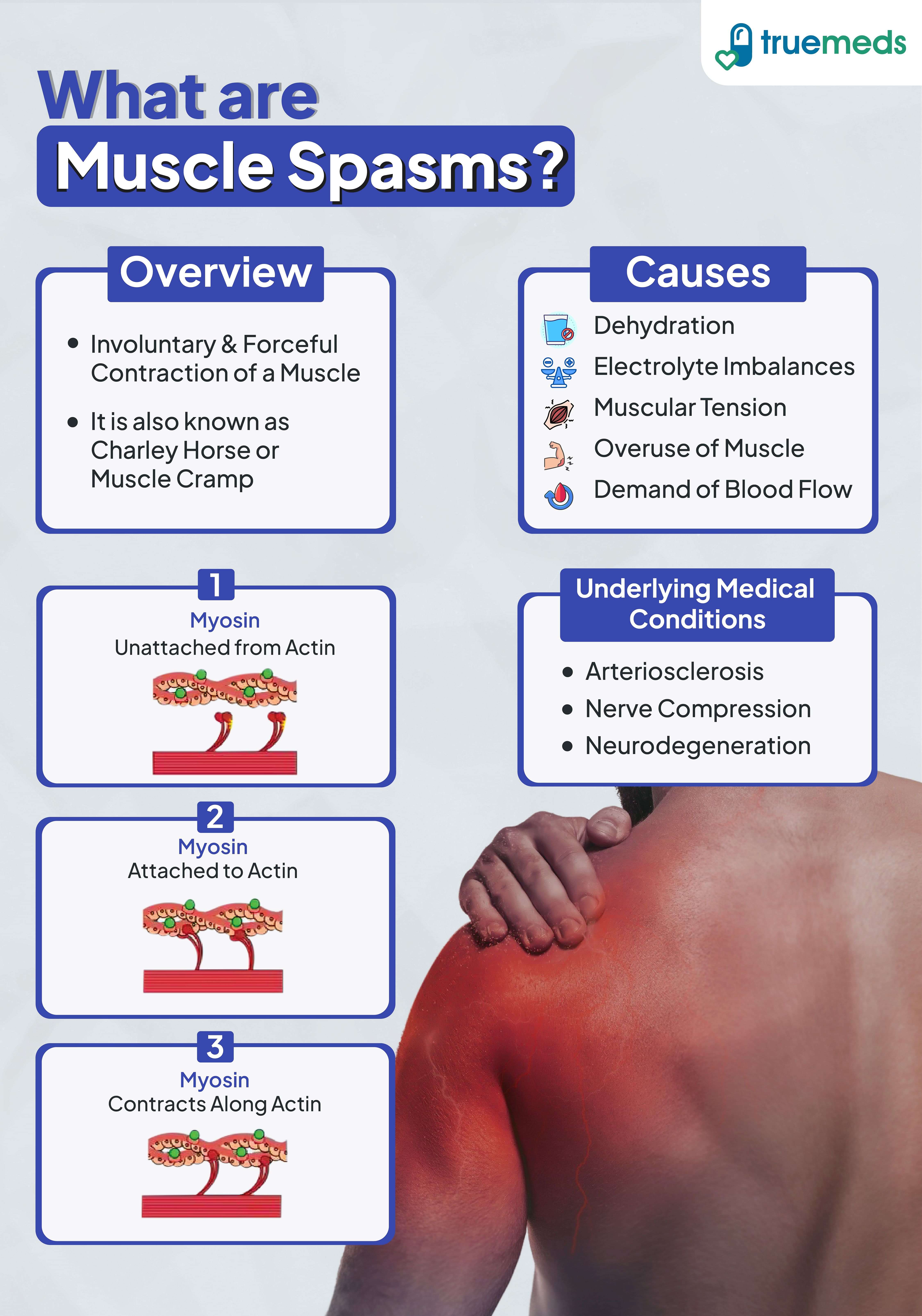
Before we explore the technological frontier, a brief understanding of spasms themselves is crucial. These involuntary muscle contractions can arise from a myriad of causes, including fatigue, dehydration, electrolyte imbalances, nerve compression, stress, or underlying neurological conditions. Their impact can range from mild discomfort to severe pain, significantly affecting mobility and daily activities. The diversity of their causes and manifestations underscores the need for precise diagnostic tools and personalized treatment strategies, areas where technology is making profound inroads.
Defining Spasms: The Biological Imperative
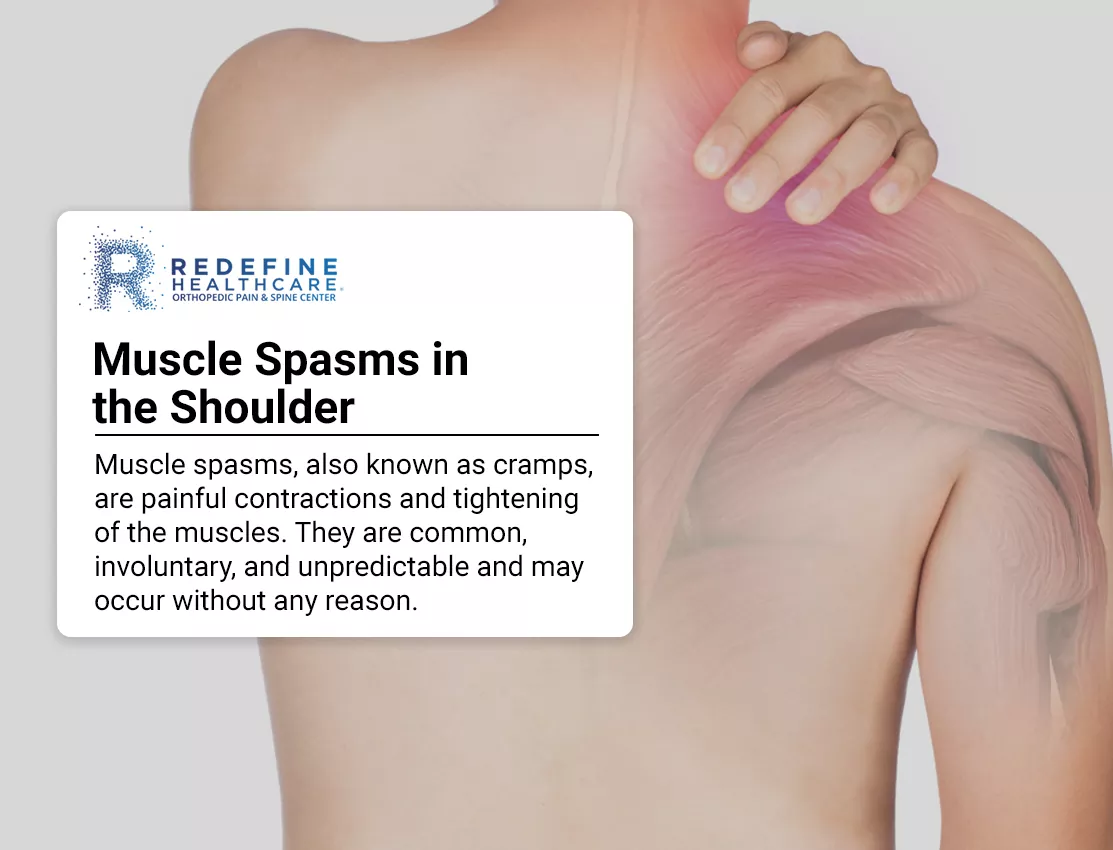
At their core, spasms are the body’s involuntary response to various stimuli, originating within the nervous system’s complex signaling pathways. A muscle spasm occurs when a muscle, or even a few fibers of a muscle, contracts involuntarily. If the spasm is sustained, it’s often referred to as a cramp. These events disrupt normal muscle function, signaling an imbalance or irritation within the neuromuscular system. Understanding these fundamental biological processes is the first step, providing the essential data points for technological solutions to interpret, analyze, and intervene. Every twitch, every sustained cramp, generates electrical signals that can be captured and processed by digital systems, transforming subjective experience into objective data.
Classifying Spasms: From Benign Twitches to Chronic Conditions
Spasms manifest in various forms, each with distinct characteristics and underlying etiologies. Benign fasciculations, for example, are harmless, localized muscle twitches often attributed to stress or caffeine. In contrast, conditions like dystonia or spasticity, common in neurological disorders such as Parkinson’s disease, multiple sclerosis, or post-stroke recovery, involve sustained or repetitive muscle contractions leading to abnormal postures or movements. Technologies must, therefore, be versatile enough to differentiate between these diverse presentations, offering targeted insights and interventions. Machine learning algorithms, trained on vast datasets of muscle activity, are increasingly adept at distinguishing between benign and clinically significant spasms, guiding both diagnosis and therapeutic strategies. This classification capability is not merely academic; it dictates the appropriate technological response, from simple biofeedback apps for stress-induced twitches to complex neuro-stimulators for chronic neurological conditions.
Leveraging Digital Tools for Diagnosis and Monitoring
The ability to accurately diagnose and continuously monitor muscle spasms is paramount for effective management. Traditional methods often rely on subjective patient reporting and clinical observation, which can be inconsistent. Modern technology, however, provides objective, real-time data, offering unprecedented precision and insights.
Wearable Technology: Real-time Data for Proactive Management
The advent of wearable technology has revolutionized personal health monitoring. For spasms, this means moving beyond the clinic into daily life. Smart patches, integrated into clothing or worn directly on the skin, can house miniaturized electromyography (EMG) sensors that detect and record the electrical activity of muscles. These devices provide continuous data streams to smartphones or cloud platforms, allowing individuals and healthcare providers to identify patterns, triggers, and the frequency and intensity of spasms. For instance, athletes can use wearables to monitor muscle fatigue and electrolyte levels to prevent exercise-induced cramps, while individuals with chronic neurological conditions can track spasm activity over time, providing invaluable data for optimizing medication dosages or therapy schedules. The ability to collect long-term, ecological data vastly improves our understanding of a patient’s condition, enabling proactive management rather than reactive treatment.
Advanced Imaging and Electromyography (EMG): Precision Diagnostics
Beyond wearables, advanced diagnostic technologies offer deeper insights. High-resolution MRI scans can visualize structural abnormalities in the brain or spinal cord that might be causing neurological spasms. Quantitative EMG, a technique that measures muscle electrical activity, has evolved with digital processing. Modern EMG systems, coupled with sophisticated software, can analyze the amplitude, duration, and frequency of muscle action potentials with extraordinary precision. This digital analysis can help differentiate between various neuromuscular disorders, characterize nerve damage, and assess the severity of muscle involvement. The integration of these diagnostic tools with AI-driven analytics allows clinicians to interpret complex data more rapidly and accurately, moving towards an era of more precise and personalized diagnosis.
AI-Powered Predictive Analytics: Identifying Patterns and Risks
One of the most exciting applications of technology in spasm management is predictive analytics, powered by artificial intelligence and machine learning. By processing vast amounts of data—from wearable sensors, electronic health records, diagnostic tests, and even environmental factors—AI algorithms can identify subtle patterns and correlations that might escape human observation. For example, AI can predict the likelihood of a spasm episode based on a patient’s activity levels, sleep patterns, hydration, and medication adherence. In chronic conditions like epilepsy (where seizures can be considered a type of neurological spasm), predictive models are being developed to forecast seizure onset, allowing individuals to take preventative measures or alert caregivers. This move from reactive treatment to proactive prediction holds immense potential for improving the quality of life for millions affected by recurrent spasms.
Therapeutic Technologies: Software, Gadgets, and AI in Action
Technology is not only improving diagnosis but also transforming therapeutic interventions. From digital health applications to sophisticated medical devices, the options for managing and treating spasms are expanding rapidly.
Digital Therapeutics and Mobile Apps: Personalized Management Programs
The smartphone in our pocket is a powerful tool for health management. Digital therapeutics (DTx) are clinically validated software programs designed to prevent, manage, or treat a medical disorder or disease. For spasms, DTx apps can offer personalized exercise regimens, guided relaxation techniques (e.g., mindfulness meditation to reduce stress-induced spasms), hydration reminders, and medication adherence tracking. Some apps incorporate biofeedback, allowing users to visualize their muscle tension levels in real-time and learn to voluntarily relax affected muscles. These apps provide an accessible, cost-effective, and highly personalized approach to self-management, empowering patients to take an active role in their care, often under the remote guidance of healthcare professionals.
Neuromodulation Devices: Targeted Relief and Functional Restoration
For more severe or chronic spasms, advanced gadgets offer targeted relief. Neuromodulation devices work by altering nerve activity through electrical or chemical stimulation. Transcutaneous Electrical Nerve Stimulation (TENS) units, once bulky, are now compact, app-controlled devices that deliver mild electrical impulses through electrodes placed on the skin, blocking pain signals and relaxing muscles. More advanced implantable devices, such as deep brain stimulators (DBS) or spinal cord stimulators (SCS), are used for conditions like dystonia or spasticity. These sophisticated gadgets deliver precise electrical pulses to specific areas of the brain or spinal cord, disrupting abnormal neural circuits responsible for involuntary movements. Programming these devices often involves complex software interfaces, allowing clinicians to fine-tune stimulation parameters for optimal therapeutic effect.
Robotic Rehabilitation and Assistive Technologies: Enhancing Mobility and Quality of Life
Robotics and assistive technologies are playing a crucial role in rehabilitation for individuals whose spasms impair mobility. Robotic exoskeletons, controlled by patient intent or pre-programmed movements, can assist individuals with severe spasticity or paralysis in walking and performing daily tasks, helping to retrain motor pathways and prevent muscle atrophy. These intelligent machines can adapt to a patient’s progress, providing tailored resistance or assistance. Furthermore, powered orthoses and smart braces, often equipped with sensors and microprocessors, can support weakened limbs and counteract involuntary movements, enhancing stability and function. Virtual Reality (VR) and Augmented Reality (AR) are also emerging as powerful tools, creating immersive environments for engaging and effective rehabilitation exercises, often making therapy more enjoyable and consistent, which can indirectly help manage spasms by improving muscle strength and control.
The Frontier of Spasm Research: AI, Big Data, and Personalized Approaches
The integration of advanced technologies is not only improving current treatments but also accelerating research into the fundamental causes and novel therapies for spasms. The future of neuromuscular health promises even more personalized and predictive interventions.
AI in Drug Discovery and Efficacy Prediction
Artificial intelligence is dramatically speeding up the drug discovery process. For conditions causing spasms, AI can analyze vast chemical libraries to identify potential compounds with therapeutic properties, predict their efficacy, and model their interactions with biological targets. Furthermore, AI can help in repurposing existing drugs for new applications by identifying previously unknown mechanisms of action relevant to spasm pathophysiology. This data-driven approach significantly reduces the time and cost associated with traditional pharmaceutical research, potentially bringing new and more effective anti-spasmodic agents to market faster.
Genomic and Proteomic Analysis: Tailoring Treatments
Genomic sequencing and proteomic analysis, empowered by high-throughput computing, are uncovering the genetic underpinnings of many neuromuscular disorders that cause spasms. By identifying specific genetic mutations or protein dysfunctions, researchers can develop highly targeted therapies, moving towards precision medicine. AI algorithms can sift through massive genomic datasets to identify biomarkers for spasm susceptibility or predict an individual’s response to specific medications, allowing for truly personalized treatment plans that minimize side effects and maximize efficacy. This level of biological insight, processed and interpreted by advanced computing, represents a paradigm shift in therapeutic strategy.
Virtual Reality (VR) and Augmented Reality (AR) for Rehabilitation
VR and AR are also pushing the boundaries of rehabilitation. Beyond providing engaging exercises, these technologies can create highly controlled environments for physical therapy, allowing patients to practice movements and manage spasms in ways that are safe and customizable. For example, a VR environment might simulate real-world challenges, helping a patient with spasticity to navigate obstacles, thereby improving motor control and reducing spasm frequency in functional contexts. The data collected within these virtual sessions provides therapists with objective metrics of progress and areas needing improvement, further refining the personalized rehabilitation journey.
Ethical Considerations and the Future of Connected Health
As technology advances, so do the ethical imperatives surrounding its use, particularly in the sensitive realm of health and personal data. Ensuring that these innovations are deployed responsibly is crucial.
Data Privacy and Cybersecurity in Health Tech
The proliferation of wearable sensors, digital therapeutics, and connected medical devices generates immense amounts of personal health information. Protecting this sensitive data from breaches, misuse, and unauthorized access is paramount. Robust cybersecurity protocols, stringent data encryption, and adherence to global privacy regulations (like GDPR and HIPAA) are non-negotiable. Patients must have confidence that their biometric and health data are secure, preventing potential discrimination or exploitation. Developers and healthcare providers alike bear the responsibility of implementing state-of-the-art security measures.
Accessibility and Equity: Bridging the Digital Divide
While technological advancements offer incredible promise, there’s a risk of exacerbating health disparities if these tools are not equally accessible. High costs, lack of digital literacy, or limited internet access can create a “digital divide,” leaving vulnerable populations behind. Future strategies must include initiatives to make advanced health tech affordable, user-friendly, and widely available across all socioeconomic strata and geographic locations. This includes designing intuitive interfaces, providing educational resources, and exploring government subsidies or insurance coverage for approved digital therapeutics and devices.
Regulatory Frameworks for Emerging Technologies
The rapid pace of technological innovation often outstrips the development of regulatory frameworks. Ensuring the safety, efficacy, and ethical deployment of AI algorithms, new medical devices, and digital therapeutics requires agile and responsive regulatory bodies. Clear guidelines for validation, approval, and post-market surveillance are essential to build public trust and ensure that these powerful tools genuinely benefit patient health without unintended consequences. International collaboration among regulatory agencies will be vital to harmonize standards and accelerate safe adoption globally.
In conclusion, “what are spasms?” leads us down a fascinating path where biology meets breakthrough technology. From the fundamental understanding of muscle contractions to the cutting-edge applications of AI, wearables, and robotics, technology is reshaping the landscape of neuromuscular health. As we continue to innovate, the focus must remain on creating solutions that are not only powerful and effective but also ethical, secure, and universally accessible, ensuring that everyone can benefit from the digital revolution in health.
aViewFromTheCave is a participant in the Amazon Services LLC Associates Program, an affiliate advertising program designed to provide a means for sites to earn advertising fees by advertising and linking to Amazon.com. Amazon, the Amazon logo, AmazonSupply, and the AmazonSupply logo are trademarks of Amazon.com, Inc. or its affiliates. As an Amazon Associate we earn affiliate commissions from qualifying purchases.