
The query “what year is it for the Chinese calendar” might seem like a simple question about dates, but for savvy brands, it’s a gateway to understanding a profound cultural phenomenon with immense strategic marketing potential. The Chinese calendar, primarily a lunisolar system, dictates not just the date of the Chinese New Year but also assigns a zodiac animal to each year in a repeating 12-year cycle. This annual reset, celebrated globally, offers an unparalleled opportunity for brands to connect with diverse audiences, innovate product lines, and craft narratives that resonate deeply. Far from a mere chronological marker, the Chinese calendar serves as a vibrant cultural canvas upon which brands can paint compelling stories, forge authentic connections, and build lasting equity. In an increasingly competitive global marketplace, understanding and strategically leveraging these ancient cycles can be the differentiator that propels modern brands towards remarkable success.
Understanding the Cultural Canvas: The Chinese Calendar’s Brand Significance
At its core, the Chinese calendar is much more than a dating system; it’s a rich tapestry of cultural symbolism, tradition, and shared values that extends its influence far beyond geographical borders. For brands, recognizing this depth is the first step in unlocking its strategic power.
Beyond Dates: The Deep Cultural Roots of the Lunar Cycle
The Chinese New Year, also known as the Lunar New Year or Spring Festival, is the most important holiday in China and is celebrated by Chinese communities worldwide. Its timing is determined by the lunar calendar, typically falling between late January and mid-February. This period is associated with family reunions, festive meals, gift-giving, and elaborate decorations, all steeped in centuries of tradition. Brands that acknowledge and respect these deep cultural roots, rather than merely treating it as another sales opportunity, demonstrate authenticity and build trust. This understanding helps in crafting messages that align with the spirit of renewal, prosperity, and togetherness, fostering a more profound connection with consumers who value these traditions. Ignoring this depth risks superficiality or, worse, cultural missteps that can damage brand reputation.
The Zodiac as a Universal Brand Language
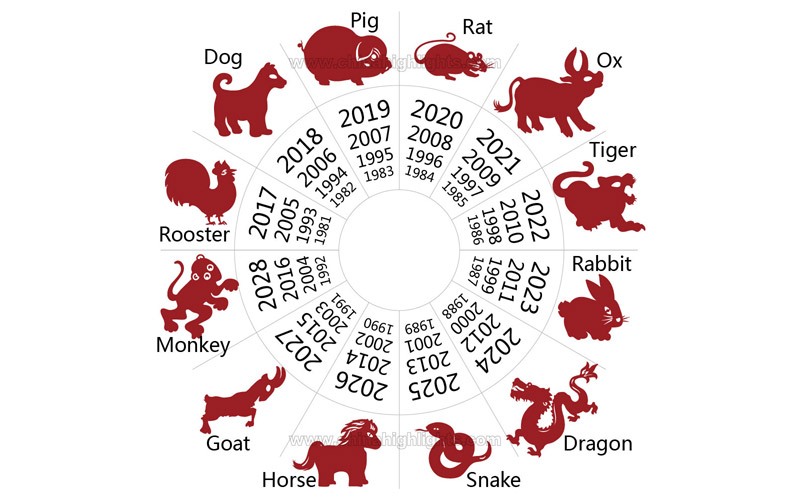
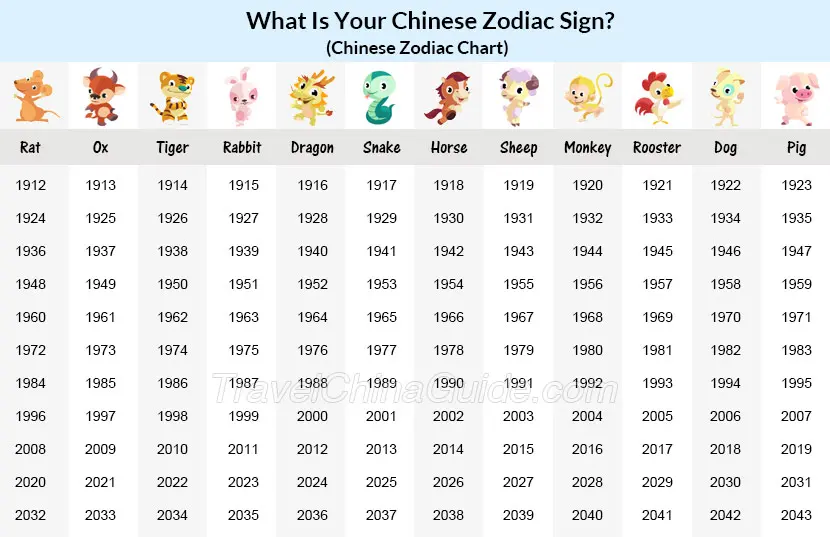
Each year in the Chinese calendar is associated with one of 12 zodiac animals: Rat, Ox, Tiger, Rabbit, Dragon, Snake, Horse, Goat, Monkey, Rooster, Dog, and Pig. These animals are not just random symbols; each carries specific characteristics, personality traits, and auspicious meanings. The Dragon, for instance, symbolizes power, nobility, and success, while the Rabbit embodies peace, longevity, and prosperity. This zodiac system has evolved into a universal brand language, easily recognizable and understood by a vast global audience, irrespective of their cultural background. Brands can tap into this rich symbolism to create distinct product lines, limited-edition packaging, and marketing campaigns that speak directly to consumer aspirations and identities. Aligning products or messaging with the traits of the current year’s zodiac animal provides an instant narrative hook, making campaigns more relatable and memorable.
Annual Cycles as a Global Marketing Rhythm
The predictability of the Chinese calendar’s annual cycle provides a clear, consistent rhythm for global marketing efforts. Unlike more sporadic trends, the Chinese New Year offers a defined window for engagement that recurs every year. This allows brands to plan extensive, multi-year strategies around this cultural cornerstone, building anticipation and loyalty over time. For multinational corporations, synchronizing product launches, promotional events, and advertising campaigns across different markets around the Lunar New Year creates a cohesive global narrative. It enables brands to leverage the widespread media attention and consumer spending associated with the holiday, transforming a cultural event into a powerful, recurring marketing crescendo that drives engagement and sales on a worldwide scale.
Strategic Brand Alignment: Capitalizing on Chinese New Year
Moving from understanding to execution, strategic brand alignment during the Chinese New Year period requires careful planning, creativity, and cultural sensitivity. It’s about more than just adding red to packaging; it’s about integrated campaigns that resonate.
The Art of Timely Campaign Launches
Timing is everything in marketing, and for the Chinese New Year, this means understanding the various phases of the celebration. Campaigns should ideally begin weeks before the actual New Year’s Day, aligning with the preparatory period when consumers are shopping for gifts, new clothes, and home decorations. Launching too early can dilute the message, while launching too late means missing the peak purchasing window. Brands often deploy teaser campaigns, followed by full-scale advertising leading up to and during the holiday period. This phased approach allows for sustained engagement, building excitement and driving traffic both online and in physical stores. Moreover, the celebration typically lasts for about two weeks, offering brands opportunities for follow-up promotions and extended engagements.
Product Innovation Through Zodiac Inspiration
The annual zodiac animal provides a fertile ground for product innovation and limited-edition releases. High-end fashion brands introduce special collections featuring the year’s animal, while technology companies might release custom-designed gadgets. Food and beverage brands often create themed packaging or special flavors. This approach allows brands to offer something fresh and exclusive each year, appealing to collectors and consumers looking for unique items. The key is not just to slap an animal graphic on a product but to thoughtfully integrate the zodiac’s characteristics into the product’s design, utility, or marketing narrative, ensuring it feels premium and relevant. This strategy can drive significant sales, generate buzz, and foster brand desirability.
Storytelling that Resonates: Crafting Narratives Around the New Year
Authentic storytelling is paramount. Brands that weave compelling narratives around the themes of the Chinese New Year—family, prosperity, good fortune, renewal, and hope—are more likely to capture hearts and minds. This can involve campaigns that depict heartwarming family reunions, individuals striving for success, or messages of optimism for the year ahead. Celebrity endorsements or influencer collaborations, particularly with personalities popular in Chinese-speaking markets, can further amplify these stories. Digital campaigns utilizing short films, interactive content, and social media challenges are highly effective in engaging a younger demographic, spreading cultural messages, and generating user-generated content that extends brand reach. The aim is to create content that entertains, educates, and inspires, rather than just overtly sells.
Designing for Impact: Visual Identity and Cultural Aesthetics
Visual communication is a powerful tool in branding, and during the Chinese New Year, leveraging cultural aesthetics appropriately can significantly amplify a brand’s message and impact.
Incorporating Traditional Motifs in Modern Branding
Beyond the zodiac animals, the Chinese calendar period is rich with traditional motifs that can be elegantly incorporated into modern branding. Symbols like auspicious clouds, traditional knots, lanterns, firecrackers, and specific floral patterns (like plum blossoms or peonies) all carry significant cultural meaning. When integrated thoughtfully into packaging, advertising, and digital assets, these motifs can evoke a sense of tradition, celebration, and good fortune. The challenge for brands is to modernize these elements without losing their essence or diluting their cultural significance, ensuring they appeal to both traditionalists and contemporary consumers. This requires a deep understanding of design principles and cultural context to create visuals that are both striking and respectful.
Color Palettes and Symbolism: More Than Just Red and Gold
While red and gold are undeniably dominant colors during Chinese New Year, symbolizing luck, happiness, and prosperity, a sophisticated brand strategy delves deeper into the broader palette of Chinese aesthetics. Other colors like jade green (representing growth and harmony), imperial yellow (royalty and power), and even certain shades of blue (tranquility and immortality) can be used to add depth and nuance to campaigns. Brands can explore gradient usage, subtle color combinations, and intricate patterns that speak to different aspects of the celebration. The careful selection and application of color can enhance the perceived value of a product, create an emotional connection, and differentiate a brand from competitors that might exclusively rely on the most obvious color choices.
Limited Editions: Creating Exclusivity with Cultural Flair
Limited-edition products are a proven strategy for generating excitement and driving immediate sales, and the Chinese New Year offers a perfect seasonal hook. These editions are not just about scarcity; they imbue products with cultural flair that resonates with specific consumer segments. From luxury watches featuring intricate zodiac engravings to designer apparel with unique New Year patterns, these limited runs tap into the desire for exclusivity and cultural relevance. They also provide opportunities for cross-category collaborations, where two brands combine their expertise to create a truly unique offering that leverages the strengths of both, amplified by the cultural significance of the occasion. This strategy effectively creates talking points, attracts media attention, and drives premium pricing.
Global Reach, Local Touch: Adapting Brand Strategy Across Markets
The global nature of the Chinese New Year requires brands to navigate a delicate balance between a consistent global message and localized execution. A one-size-fits-all approach is rarely effective.
Navigating Cultural Nuances and Avoiding Missteps
Perhaps the most critical aspect of cultural branding is avoiding missteps. What might be perfectly acceptable in one culture could be offensive or inappropriate in another. This includes everything from the choice of imagery and symbolism to language and advertising narratives. Brands must invest in thorough cultural research and partner with local experts to ensure their campaigns are respectful, relevant, and well-received. For instance, using traditional Chinese characters correctly, understanding regional variations in celebrations, and being mindful of historical sensitivities are crucial. A single cultural blunder can lead to significant backlash, damaging brand reputation and eroding consumer trust, underscoring the importance of meticulous attention to detail.
Digital Engagement: Connecting with a Global Diaspora
The Chinese New Year is a digitally vibrant holiday, with billions of digital red packets exchanged and social media platforms buzzing with festive content. Brands must embrace digital strategies to connect with a global Chinese diaspora and other communities celebrating the New Year. This includes leveraging platforms like WeChat and Weibo in mainland China, but also global platforms like Instagram, TikTok, and Facebook for wider reach. Interactive digital campaigns, augmented reality filters, mini-games, and influencer partnerships are highly effective. Creating shareable content that encourages user participation helps to extend the campaign’s organic reach, making the brand part of the celebratory conversation.
Measuring Success: ROI of Cultural Branding Initiatives
Assessing the return on investment (ROI) of Chinese New Year campaigns is essential for continuous improvement and demonstrating value. Beyond direct sales figures, brands should look at metrics such as brand sentiment, social media engagement rates, website traffic, media mentions, and customer acquisition costs. Qualitative feedback from focus groups and consumer surveys can also provide valuable insights into how campaigns are perceived culturally. Understanding which elements resonated most, which product designs were most popular, and which platforms delivered the strongest engagement allows brands to refine their strategies for future years, ensuring that their investment in cultural branding translates into tangible business growth and enhanced brand equity.
Building Long-Term Brand Equity Through Cultural Respect
The ultimate goal of leveraging the Chinese calendar for brand success is not just short-term sales spikes, but the long-term cultivation of brand equity rooted in genuine cultural respect and engagement.
Authenticity as a Cornerstone of Cross-Cultural Marketing
Authenticity is the bedrock of successful cross-cultural marketing. Consumers are increasingly discerning and can spot token gestures from genuine efforts. Brands that truly understand and respect the cultural significance of the Chinese New Year, rather than just using it as a commercial vehicle, build deeper trust. This authenticity is reflected in consistent messaging, high-quality product execution, and a demonstrable commitment to engaging with the culture throughout the year, not just during the holiday season. Brands that engage in philanthropic activities related to Chinese culture or support community events further cement their authentic commitment, fostering a positive brand image that transcends seasonal campaigns.
From Trend to Tradition: Sustaining Engagement Beyond the Holiday
While the Chinese New Year is a focal point, the principles of cultural engagement can be extended throughout the year. Brands can integrate elements of Chinese culture into their year-round strategy through subtle design cues, storytelling, or by participating in other significant cultural events. This continuous engagement helps to shift the brand’s association with Chinese culture from a fleeting trend to a consistent tradition. It positions the brand as a culturally informed entity that values diversity and global connections, contributing to a stronger, more resilient brand identity that appeals to a broader, more diverse consumer base over time.

The Future of Cultural Branding: Innovation and Inclusivity
As global markets become more interconnected and diverse, the future of cultural branding lies in constant innovation and inclusivity. Brands must continuously explore new ways to engage with the Chinese calendar and its associated traditions, perhaps through immersive digital experiences, personalized cultural content, or collaborations with up-and-coming Chinese artists and designers. Furthermore, an inclusive approach means recognizing the variations in how the Lunar New Year is celebrated across different Asian cultures, allowing for even broader and more respectful engagement. By embracing innovation and inclusivity, brands can ensure their cultural strategies remain dynamic, relevant, and impactful, transforming a simple calendar query into a foundation for enduring brand success in a globalized world.
aViewFromTheCave is a participant in the Amazon Services LLC Associates Program, an affiliate advertising program designed to provide a means for sites to earn advertising fees by advertising and linking to Amazon.com. Amazon, the Amazon logo, AmazonSupply, and the AmazonSupply logo are trademarks of Amazon.com, Inc. or its affiliates. As an Amazon Associate we earn affiliate commissions from qualifying purchases.