
In the intricate tapestry of geopolitical history, few concepts have been as persistently contested, re-imagined, and ‘branded’ as Palestine. Far from a static geographical marker, “Palestine” represents an evolving, multi-layered brand identity, shaped by millennia of human endeavor, spiritual significance, imperial ambitions, and competing national narratives. To ask “what was Palestine” is not merely to seek a historical dictionary definition, but to embark on an exploration of a brand whose equity has been built, deconstructed, and rebuilt through successive eras, each leaving an indelible mark on its identity and perception.
Understanding Palestine through a branding lens requires acknowledging that its identity is not monolithic. It is a palimpsest of historical meanings, religious associations, cultural expressions, and political aspirations. From ancient times, various civilizations, empires, and peoples have sought to define, appropriate, and communicate what Palestine meant to them, crafting narratives that resonated with their own goals and worldviews. This article delves into the historical branding of Palestine, examining how its identity has been constructed, communicated, and contested across different epochs, ultimately shaping its complex legacy in the modern world.

The Evolving Brand Identity of a Contested Land
The “brand” of Palestine has always been remarkably potent, imbued with layers of meaning that transcend mere geography. Its enduring allure and strategic importance have ensured a continuous process of rebranding, often driven by external powers but also significantly shaped by its indigenous populations.
Ancient Roots: Branding by Sacred Significance
For millennia, the primary brand equity of the land that would become known as Palestine stemmed from its profound sacred significance. To ancient peoples, this territory was “the Holy Land,” “the Promised Land,” the cradle of monotheistic religions. This religious branding was perhaps the most powerful and enduring, establishing an emotional connection and intrinsic value that transcended political boundaries. For Jews, it was Zion, the ancient homeland, the site of temples and prophecies. For Christians, it was the land where Christ walked, preached, died, and resurrected, making Jerusalem the epicenter of their faith. For Muslims, it held Al-Aqsa Mosque, the third holiest site in Islam, and the Dome of the Rock, tied to the Prophet Muhammad’s nocturnal journey.
This shared sacred branding, while uniting in its reverence, also sowed the seeds of future contestation. Each religious tradition crafted its unique narrative, emphasizing its divine connection and inherent right, thereby establishing distinct, sometimes overlapping, sometimes conflicting, brand claims to the same territory. The emotional resonance of these narratives created an identity deeply embedded in faith, attracting pilgrims, scholars, and ultimately, conquerors seeking to control this symbolically rich “brand asset.”
Imperial Overlays: Rebranding Under Conquerors
As empires rose and fell, they each imposed their own administrative and ideological “rebranding” on the land. The Egyptians, Assyrians, Babylonians, Persians, and Greeks all left their mark, influencing names, governance structures, and cultural practices. However, it was under Roman rule that the name “Palaestina” gained significant currency. Following the Bar Kokhba revolt in the 2nd century CE, the Roman Emperor Hadrian formally renamed the province of Judea to “Syria Palaestina.” This act was a deliberate rebranding strategy, aimed at erasing Jewish connection to the land and asserting Roman dominance by referencing the ancient Philistines, a people distinct from the Jews. This imperial rebranding, rooted in political subjugation, permanently altered the territory’s official designation and began a complex lineage for the “Palestine” brand name.
The Byzantine Empire continued this branding, maintaining the “Palaestina” designation, often subdividing it (Palaestina Prima, Secunda, Tertia). This administrative branding reinforced a regional identity distinct from neighboring provinces, even as its religious significance continued to flourish under Christian rule.
The Ottoman Era: A Regional Identity
For over four centuries, from the early 16th century to the early 20th century, Palestine was part of the vast Ottoman Empire. During this period, the concept of a singular, unified “Palestine” as a distinct administrative or political entity largely receded. Instead, the area was primarily governed as southern Syria, divided into several administrative districts (sanjaks) such as Jerusalem, Nablus, and Acre, reporting to larger provinces like the Vilayet of Beirut or Damascus.
This era represented a different kind of branding – a “sub-brand” within a larger imperial structure. While the name “Palestine” was still used informally by some locals and internationally (especially by European scholars, cartographers, and religious pilgrims), it did not denote a self-governing or fully distinct political unit within the Ottoman framework. The local identity was often more aligned with one’s town, village, or family, or with a broader “Syrian” or “Arab” identity. The Ottoman brand emphasized stability, religious tolerance (for Abrahamic faiths under imperial authority), and a shared Islamic cultural sphere, subtly diluting the more localized, distinct brand identity of “Palestine” in favor of a broader imperial one.
The British Mandate: A Brand Transformation in Progress
The collapse of the Ottoman Empire after World War I brought about a profound and turbulent phase of rebranding for Palestine. The League of Nations granted Britain a mandate to administer the territory, an act that radically reshaped its political, demographic, and identity landscape.
Defining Borders and Conflicting Narratives
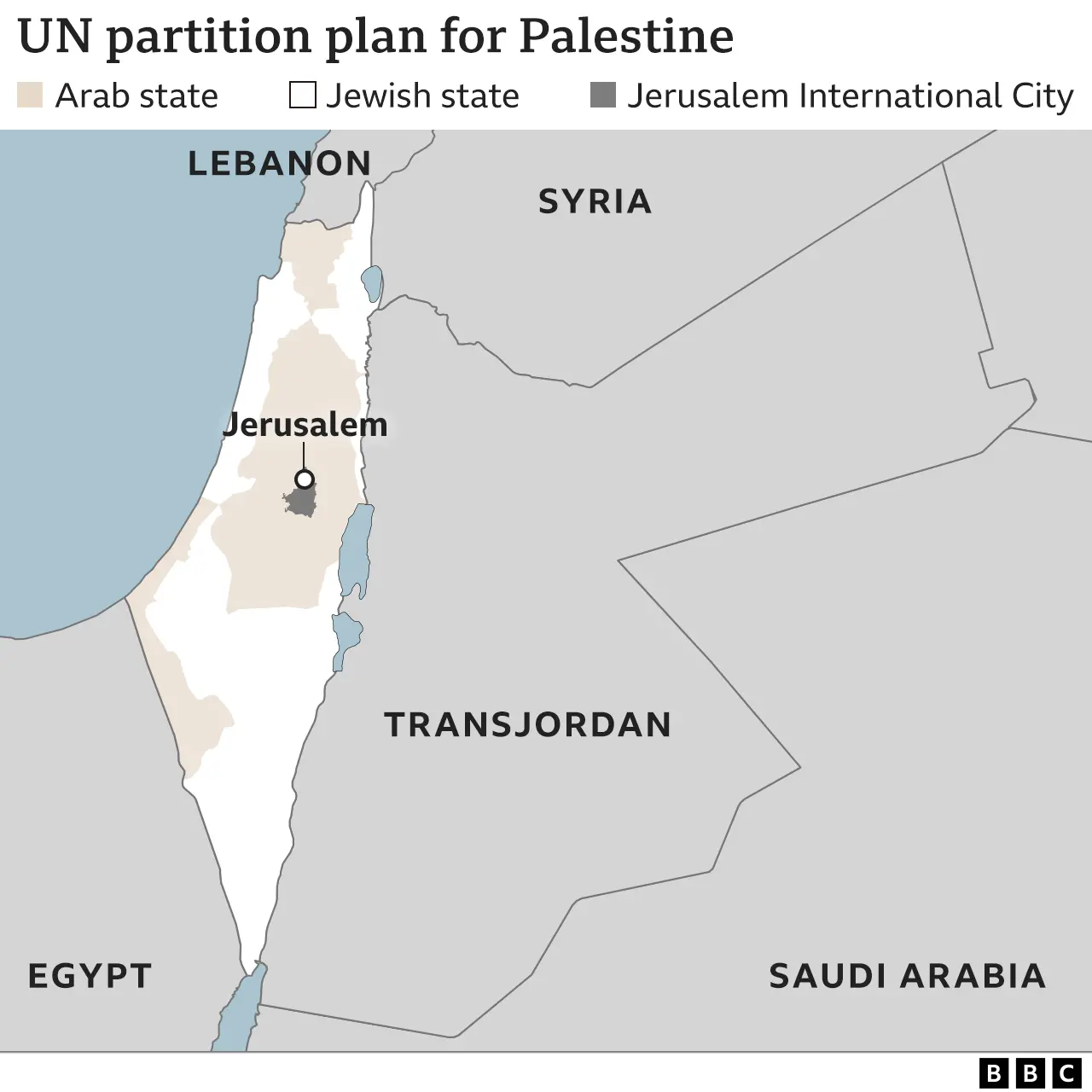
The British Mandate for Palestine (1920-1948) formally established geographical borders for “Palestine” that were largely unprecedented in their specific configuration. This act of drawing boundaries was a powerful branding exercise, creating a defined political entity where a looser regional concept had existed. Concurrently, Britain initiated a dual branding strategy, attempting to balance its commitments: the Balfour Declaration (1917) promised “a national home for the Jewish people” in Palestine, while the Mandate also stipulated safeguarding the civil and religious rights of existing non-Jewish communities.
This inherent contradiction created immediate and sustained tension. Two powerful, nascent national brand narratives emerged and clashed within the newly defined borders: the Zionist brand, emphasizing historical return and nation-building, and the Arab Palestinian brand, emphasizing indigenous rights, self-determination, and resistance to external imposition.
Competing Brand Promises: Arab and Zionist Aspirations
During the Mandate period, both Arab and Zionist leaders engaged in vigorous branding efforts to define Palestine according to their aspirations.
The Zionist brand highlighted historical continuity, emphasizing centuries of Jewish connection to the land, the urgency of Jewish self-determination in the face of persecution, and a vision of modern, pioneering development. They leveraged international diplomacy and robust organizational structures to articulate their claim, effectively “marketing” their vision for Palestine to global powers and potential immigrants. Their narrative positioned Palestine as the logical and spiritual homeland for the Jewish people.
The Arab Palestinian brand, on the other hand, emphasized indigenous residency, continuity of presence for over a millennium, cultural heritage, and the principle of self-determination against colonial rule. Their narrative focused on Palestine as an Arab land, integral to the broader Arab world, and depicted the Zionist project as a foreign imposition. They sought to rally support from neighboring Arab states and international anti-colonial movements, asserting their ownership of the land’s contemporary identity.
These competing brand promises were not just political arguments; they were deeply felt narratives shaping collective identities, driving activism, and ultimately leading to escalating conflict. The British, as the temporary “brand managers,” struggled to reconcile these divergent visions, often vacillating in their policies, which only further intensified the branding battle.
Post-1948: Brand Fragmentation and Reassertion
The end of the British Mandate in 1948 and the subsequent 1948 Arab-Israeli War (which Palestinians refer to as the Nakba, or catastrophe) led to a radical transformation and fragmentation of the “Palestine” brand.
The Palestinian “Brand” in Exile and Resistance
With the establishment of the State of Israel, the territorial and political brand of “Palestine” as a unified, contiguous entity ceased to exist in the same way. For Palestinians, who were largely displaced and became refugees, the “Palestine” brand evolved into a powerful symbol of loss, dispossession, and a collective aspiration for return and self-determination. This period saw the strengthening of the Palestinian diaspora’s identity, where “Palestine” became a brand of resistance, memory, and an idealized homeland.
Organizations like the Palestine Liberation Organization (PLO) emerged as primary “brand custodians,” working to articulate and promote the Palestinian national identity on the international stage. Their messaging focused on nationhood without a state, the right of return, and the struggle against occupation. This “brand” was characterized by resilience, suffering, and an unwavering commitment to a future independent state. It was a brand communicated through art, poetry, political action, and global advocacy, keeping the idea of Palestine alive even without territorial sovereignty.
International Perception and the Battle for Narrative
Globally, the perception of “Palestine” became intensely politicized. Different nations and political blocs interpreted and branded “Palestine” through their own ideological lenses. For some, it represented a just cause for self-determination; for others, a threat to regional stability or a historical anomaly. The “Palestine” brand became a significant touchstone in international relations, a litmus test for geopolitical alignment and humanitarian values.
This period was characterized by an intense battle for narrative control. Both sides of the Israeli-Palestinian conflict invested heavily in public relations and diplomatic efforts to shape global perceptions of “Palestine” and their own claims. The “Palestine” brand was often depicted in media and political discourse as either a victim of injustice or a source of regional conflict, demonstrating the power of framing and communication in shaping a brand’s external image.
Modern Re-branding Efforts: Statehood and Cultural Heritage
In recent decades, there have been concerted efforts to re-brand and reassert “Palestine” as a modern, aspiring state, rich in cultural heritage and capable of self-governance. The establishment of the Palestinian Authority (PA) following the Oslo Accords represented an attempt to build the institutions of a future state, thereby creating a more tangible “state brand” alongside the existing national identity.
This modern rebranding emphasizes Palestinian cultural richness, historical sites, burgeoning industries (e.g., olive oil, tourism), and a vibrant civil society. It seeks to move beyond the narrative of conflict, promoting a vision of a peaceful, prosperous, and independent state of Palestine. This involves digital diplomacy, cultural festivals, academic engagements, and direct engagement with international bodies to secure recognition and legitimacy for the “Palestine” brand as a sovereign nation. The brand messaging increasingly highlights innovation, resilience, and a future-oriented vision, while still honoring the deep historical roots and sacrifices.
Crafting a Future Brand: Challenges and Aspirations
The journey of the “Palestine” brand is far from over. It continues to be a dynamic entity, shaped by ongoing political developments, evolving global perceptions, and the aspirations of its people. Crafting its future brand identity presents unique challenges and opportunities.
Reconciling Historical Narratives
One of the foremost challenges is the reconciliation of the diverse and often conflicting historical narratives that have shaped the “Palestine” brand. Any future branding strategy must acknowledge the multi-layered history of the land and its peoples, finding ways to communicate a shared heritage while respecting distinct experiences. This requires an empathetic approach to storytelling, moving beyond zero-sum narratives to foster mutual understanding, even amidst profound disagreements. The brand of Palestine must authentically represent the hopes and memories of all who claim a connection to it.
The Role of Diplomacy and Digital Branding
In the 21st century, diplomacy and digital branding play crucial roles in shaping the future of Palestine’s identity. International recognition, bilateral relations, and multilateral engagement are essential for legitimizing the “state brand” of Palestine on the global stage. Simultaneously, digital platforms offer unprecedented opportunities for Palestinians to tell their own stories, bypass traditional media gatekeepers, and directly engage with global audiences. Through social media, cultural initiatives, and online advocacy, the Palestinian narrative can be amplified, showcasing its human dimension, cultural vibrancy, and aspirations for peace and justice. This direct-to-consumer approach to branding can help to humanize and diversify perceptions of Palestine beyond purely political frameworks.

Economic Identity and Sustainable Futures
Finally, a robust future brand for Palestine must also encompass a clear economic identity and a vision for sustainable development. Moving beyond aid-dependency, a focus on fostering local industries, promoting innovation, and attracting investment can build a brand of economic resilience and self-sufficiency. This includes showcasing Palestinian entrepreneurship, high-quality agricultural products, and its potential as a regional hub for various sectors. By highlighting economic growth and opportunities, Palestine can further solidify its identity as a viable, forward-looking entity capable of contributing positively to the global community.
In conclusion, “Palestine” has never been a simple concept; it is a brand forged in the crucible of history, faith, and political struggle. Its identity is a testament to the power of narratives, the resilience of cultural heritage, and the enduring human quest for belonging and self-determination. Understanding “what was Palestine” is to understand a brand that, through continuous evolution and contestation, remains a potent symbol of identity, aspiration, and the complex journey towards a defined future.
aViewFromTheCave is a participant in the Amazon Services LLC Associates Program, an affiliate advertising program designed to provide a means for sites to earn advertising fees by advertising and linking to Amazon.com. Amazon, the Amazon logo, AmazonSupply, and the AmazonSupply logo are trademarks of Amazon.com, Inc. or its affiliates. As an Amazon Associate we earn affiliate commissions from qualifying purchases.