
Texas Christian University (TCU) serves as a compelling case study for those interested in the intersection of academic prestige, market positioning, and the cultivation of a robust institutional brand identity. While many universities struggle with fragmented messaging or legacy baggage, TCU has successfully navigated the landscape of higher education branding by aligning its core values, athletic profile, and academic rigor into a cohesive, premium product. In the competitive marketplace of private collegiate education, the “TCU brand” is more than just a name; it is a meticulously managed identity that commands value and loyalty.
The Architecture of Institutional Brand Identity
A brand is not merely a logo or a mascot; it is the sum of every interaction a stakeholder has with an entity. For a university, these stakeholders include prospective students, parents, alumni, faculty, and corporate partners. TCU’s brand architecture relies on the strategic synthesis of its private, independent identity with the high-visibility platform of major collegiate athletics.
Aligning Values with Market Expectations
TCU has successfully bridged the gap between its historical religious affiliation and its current status as a modern, high-tier research institution. By maintaining a focus on “ethical leadership” and “global citizenship,” the university differentiates itself from large, impersonal public state systems. This value proposition—a smaller, community-oriented environment paired with high-impact research output—positions TCU as a “premium” alternative in the higher education market. From a branding perspective, this is a classic “niche dominance” strategy: providing a private-school experience that feels personal, while delivering the institutional outcomes expected of an elite, resource-rich university.
Visual Identity and Consistent Messaging
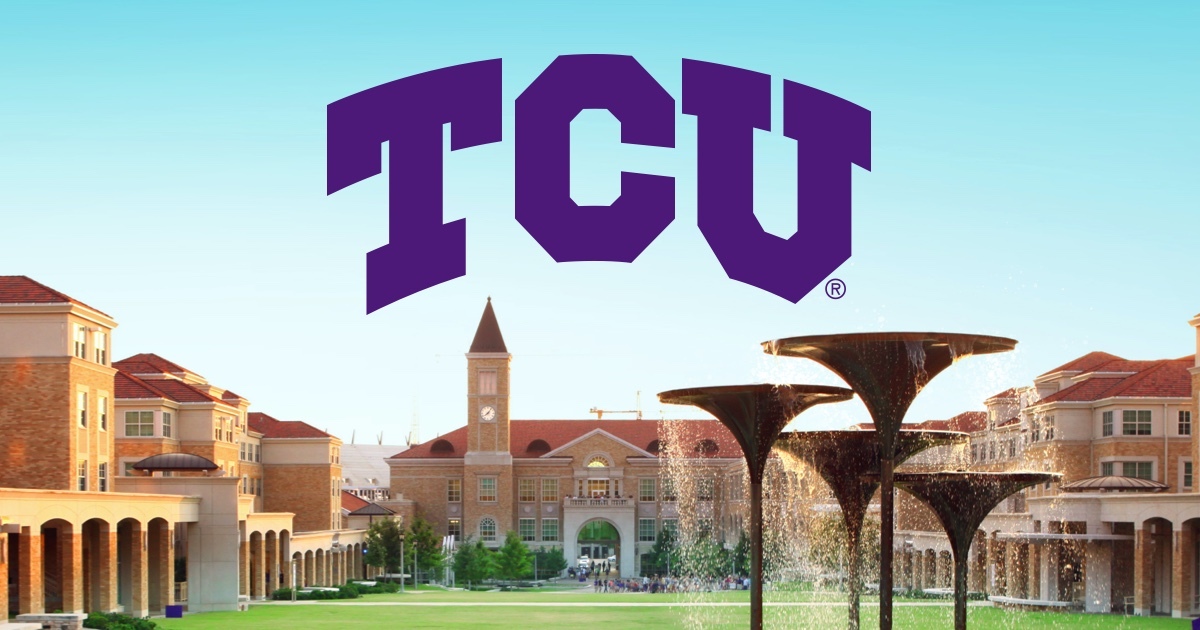
Consistency is the bedrock of corporate and institutional identity. TCU’s visual brand, characterized by the distinct “Horned Frog” imagery and its specific purple color palette, is instantly recognizable. In the context of branding, this color equity is a significant asset. It serves as an immediate mental shortcut for consumers. When a prospective student sees that purple across a digital ad, a social media post, or a sports broadcast, the association with success, community, and tradition is activated instantaneously.
Athletic Success as a Branding Catalyst
Few universities have leveraged the “front porch” of athletics as effectively as TCU. In modern institutional branding, athletics—specifically high-profile football—functions as a powerful marketing engine that creates top-of-funnel awareness for the entire brand.
The “Halo Effect” of High-Visibility Sports
The concept of the “Halo Effect” is vital to understanding TCU’s branding strategy. When a university performs well on a national stage, the perceived quality of the entire institution—including its academic programs—often rises in the public consciousness. TCU’s sustained success in the Big 12 Conference has provided millions of dollars in earned media value. This exposure allows the brand to travel far beyond the borders of Fort Worth, Texas. For a student in California or New York, the first introduction to the TCU brand is often through the lens of collegiate athletics. Once the brand has captured their attention, the secondary messaging regarding academic rankings, student-to-faculty ratios, and alumni networks takes over to convert that initial awareness into an inquiry.
Integrating Athletics into the Corporate Story
TCU does not isolate its athletic department from its academic mission; rather, it weaves them together. By framing athletic success as a byproduct of “grit, integrity, and teamwork,” the university links its extracurricular profile to its institutional values. This prevents the “jock school” label that can sometimes plague institutions overly reliant on sports for marketing. Instead, the brand is positioned as a holistic environment where excellence in the stadium is merely a reflection of excellence in the classroom.
Digital Strategy and Reputation Management

In the 21st century, the university brand is fought and won in the digital arena. TCU’s digital footprint serves as the primary touchpoint for its target demographic: Gen Z students who demand transparency, authentic digital storytelling, and seamless user experiences.
Content Marketing and Audience Segmentation
Effective university branding requires nuanced audience segmentation. TCU’s digital strategy speaks differently to a 17-year-old prospective student than it does to a potential donor or a faculty candidate. Their content marketing efforts prioritize high-quality video production, testimonial-driven storytelling, and mobile-first web design. By highlighting the outcomes of its graduates—demonstrating a clear return on investment (ROI) through career placement data—TCU addresses the central concern of modern students: “Is this degree worth the price of tuition?”
Managing the Digital Reputation
Brand strategy is not just about broadcasting; it is about listening. TCU utilizes sentiment analysis and social listening tools to monitor how the university is perceived across digital channels. In an era where a single viral incident can damage a reputation built over decades, active reputation management is a necessity. By maintaining a high level of engagement and responding promptly to concerns, the university protects its brand equity, ensuring that its digital identity remains synonymous with stability and prestige.
The Long-Term Value Proposition
Ultimately, the strength of the TCU brand is measured by the “brand loyalty” of its alumni. An institution’s brand is a perpetual asset; if managed correctly, it gains value over time.
Creating Alumni Brand Ambassadors
TCU’s focus on the “student experience” is a strategic investment in long-term brand equity. Students who have a profoundly positive campus experience are more likely to become engaged alumni, recurring donors, and vocal advocates for the brand. This cycle creates a self-sustaining marketing engine. The success of its graduates in the workforce serves as the ultimate social proof for the university. When a corporation hires a TCU graduate, and that graduate performs well, the brand value of the degree increases. This creates a positive feedback loop: better student outcomes lead to higher rankings, which attract better applicants, which leads to more successful alumni.
Sustaining Prestige in a Disruptive Environment
The higher education sector is currently facing significant disruption, ranging from demographic shifts to rising tuition costs and the rise of alternative credentialing. TCU’s brand strategy is designed to combat these headwinds by positioning itself as an essential, high-value institution that offers more than just information—it offers a community, a network, and a signal of quality to the labor market. By focusing on the “Total Value” (academic, professional, and social), TCU maintains its premium position even as other institutions race to the bottom on price or dilute their offerings.

Strategic Takeaways for Institutional Branding
TCU provides a blueprint for how an institution can maintain a distinct identity while scaling its reach. The core principles of its brand strategy include:
- Uniformity of Message: Every facet of the institution, from the athletic field to the research lab, reinforces the same set of core values.
- Strategic Use of Media Assets: Utilizing athletics not as a distraction, but as a megaphone for the broader institutional identity.
- Data-Driven Engagement: Using digital channels to listen to stakeholders and tailor the brand promise to meet the specific needs of the current generation of students.
- Emphasis on Outcomes: Shifting the narrative from “campus life” to “life outcomes,” ensuring that the brand is associated with tangible success in the real world.
TCU is not just a university in the geographical sense; it is a sophisticated brand entity that has mastered the art of balancing tradition with aggressive, forward-thinking marketing. For observers in the branding and strategy space, it stands as a testament to the fact that even long-standing institutions must operate with the agility and precision of a high-growth corporate enterprise to remain relevant in a globalized, highly competitive digital landscape. As the university continues to evolve, its ability to maintain this equilibrium between its core values and its outward brand projection will determine its continued ascent in the hierarchy of global higher education.
aViewFromTheCave is a participant in the Amazon Services LLC Associates Program, an affiliate advertising program designed to provide a means for sites to earn advertising fees by advertising and linking to Amazon.com. Amazon, the Amazon logo, AmazonSupply, and the AmazonSupply logo are trademarks of Amazon.com, Inc. or its affiliates. As an Amazon Associate we earn affiliate commissions from qualifying purchases.