
In the vast and complex landscape of psychopharmacology, certain classes of drugs hold a unique, often misunderstood, position. Among them are Monoamine Oxidase Inhibitors (MAOIs), a group of medications primarily used to treat depression and other mood disorders. While they represent one of the earliest classes of antidepressants, their use today is less common than newer alternatives due to significant dietary and drug interaction considerations. However, the foundational understanding of MAOIs and their mechanism of action remains pivotal in neuroscience, and increasingly, technology is providing new ways to analyze, manage, and potentially revitalize interest in these powerful compounds. This article delves into what MAOIs are, not just from a pharmacological standpoint, but through the evolving prism of technological innovation that shapes our interaction with complex medical treatments.
Unpacking MAOIs: A Primer through Digital Insight
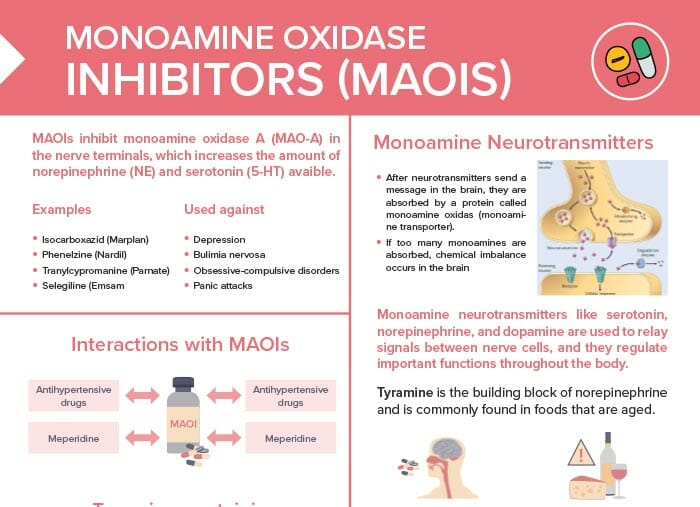
To fully appreciate the technological integration with MAOIs, one must first grasp their fundamental nature. MAOIs work by inhibiting the activity of monoamine oxidase enzymes, which are responsible for breaking down neurotransmitters like serotonin, norepinephrine, and dopamine in the brain. By preventing this breakdown, MAOIs increase the levels of these crucial mood-regulating chemicals, thereby alleviating symptoms of depression. The challenge, historically, has been the non-selective inhibition of both MAO-A and MAO-B enzymes, leading to interactions with certain foods (especially those containing tyramine) and other medications, which can cause dangerous spikes in blood pressure (hypertensive crisis).
The Biochemical Basis: Digital Modeling and Understanding
Understanding the intricate dance of enzymes, neurotransmitters, and drug molecules is a task that has profoundly benefited from advancements in computational chemistry and bioinformatics. Digital modeling allows researchers to visualize the three-dimensional structures of MAO enzymes and simulate how various MAOI compounds bind to them. This capability goes beyond traditional wet-lab experiments, offering a predictive understanding of drug efficacy and potential off-target effects. Sophisticated algorithms can analyze vast datasets of molecular interactions, identifying patterns that might explain selective MAOI action (e.g., moclobemide, a reversible MAO-A inhibitor) versus non-selective ones (e.g., phenelzine, tranylcypromine, isocarboxazid). This digital insight accelerates the initial stages of drug discovery, enabling chemists to design new compounds with improved selectivity and safety profiles, potentially leading to a new generation of MAOIs with fewer restrictions.
Furthermore, pharmacogenomic research, heavily reliant on computational analysis, explores how individual genetic variations influence a person’s response to MAOIs. Digital platforms process complex genomic data to identify biomarkers that predict treatment efficacy or susceptibility to side effects. This move towards personalized medicine, guided by digital insights, promises a future where MAOI prescriptions are tailored with unprecedented precision, minimizing risks and maximizing therapeutic benefit.
Historical Context and Modern Reassessment: Data-Driven Perspectives
MAOIs were among the first effective antidepressants, discovered somewhat serendipitously in the 1950s. Their initial widespread use was tempered by the discovery of their severe interactions, leading to a decline in their popularity as newer, seemingly safer antidepressants (like SSRIs) emerged. However, for patients who do not respond to conventional treatments, MAOIs remain a potent and often life-saving option.
Today, large-scale epidemiological studies, powered by robust data analytics, are reassessing the historical safety data of MAOIs. By aggregating and analyzing anonymized patient records, electronic health data, and adverse event reports, researchers are gaining a more nuanced understanding of the real-world incidence of MAOI-related crises. This data-driven perspective challenges some long-held assumptions and helps differentiate between perceived risks and actual occurrences. Digital tools allow for longitudinal studies that track patient outcomes over decades, providing crucial evidence for the continued, albeit careful, utility of MAOIs. This re-evaluation, supported by advanced data science, is critical for informing clinical guidelines and ensuring that effective treatments are not unfairly sidelined.
Leveraging AI and Data Analytics in MAOI Research and Development
The field of pharmaceutical research is undergoing a revolutionary transformation driven by Artificial Intelligence (AI) and advanced data analytics. For complex drug classes like MAOIs, these technologies offer unprecedented opportunities to overcome long-standing challenges.
Accelerating Drug Discovery and Repurposing for MAOIs
AI’s capacity to sift through immense chemical libraries and predict potential drug candidates is a game-changer. For MAOIs, AI algorithms can identify novel compounds that selectively inhibit specific MAO enzymes, or even modulate their activity in subtler ways, thereby reducing the risk of adverse reactions. Beyond de novo drug discovery, AI is proving invaluable in drug repurposing—identifying existing drugs approved for other conditions that might also be effective as MAOIs. This significantly cuts down on development time and costs, as these drugs already have established safety profiles. Machine learning models, trained on vast pharmacological databases, can predict potential therapeutic applications, opening new avenues for MAOI-like treatments with enhanced safety or novel mechanisms.
Furthermore, AI-powered image analysis can accelerate preclinical research by analyzing complex biological data, such as brain imaging or cellular assays, to understand the effects of MAOIs at a deeper level. This allows researchers to quickly identify promising candidates and discard those with undesirable properties, streamlining the drug development pipeline.
Predictive Analytics for Patient Response and Side Effect Management
One of the greatest challenges with MAOIs is predicting which patients will respond well and which might experience severe side effects. Predictive analytics, driven by AI, offers a solution. By analyzing a patient’s genetic profile, medical history, lifestyle data, and even real-time physiological markers (from wearables), AI models can generate personalized risk assessments and probability of response to MAOIs. This move from a “one-size-fits-all” approach to highly individualized treatment plans is paramount for MAOIs.
For example, AI could process data from millions of clinical records to identify subtle correlations between specific genotypes and the likelihood of developing a hypertensive crisis when consuming tyramine-rich foods while on an MAOI. Such insights would allow clinicians to prescribe MAOIs with greater confidence to suitable candidates, while proactively managing risks for others through tailored dietary advice or alternative treatment pathways. This capability vastly improves patient safety and optimizes treatment outcomes, transforming MAOI therapy from a cautious last resort into a precision-guided option.

Digital Health Tools for MAOI Patient Management
The stringent dietary and drug interaction restrictions associated with MAOIs necessitate meticulous patient management. Digital health tools are stepping up to bridge this gap, offering innovative solutions for monitoring, education, and adherence.
Telemedicine and Remote Monitoring for Complex Regimens
For patients on MAOIs, frequent monitoring and close communication with healthcare providers are crucial. Telemedicine platforms have revolutionized this, allowing patients to consult with specialists remotely, irrespective of geographical barriers. This is particularly beneficial for patients in rural areas or those with mobility issues, ensuring consistent oversight without the burden of travel.
Beyond consultations, remote monitoring devices, often integrated with smartphones or wearable technology, can track vital signs like blood pressure and heart rate, instantly alerting patients and clinicians to potential anomalies that might signal an adverse reaction. AI algorithms analyze these real-time data streams, providing proactive warnings and enabling timely intervention, significantly enhancing patient safety and reducing the risk of serious complications from MAOI therapy.
AI-Powered Dietary Guidance and Interaction Checkers
The infamous “tyramine-free diet” is perhaps the most daunting aspect of MAOI therapy. Misinformation or oversight can lead to dangerous interactions. Here, AI-powered apps and digital platforms offer invaluable support. These tools can provide personalized dietary recommendations, identify tyramine content in foods through image recognition (e.g., scanning food labels), and offer safe recipes. They can act as real-time checkers, allowing patients to scan ingredients or input meal plans and receive immediate feedback on potential risks.
Similarly, digital drug interaction checkers, far more sophisticated than static lists, use AI to assess the risk of interaction between MAOIs and thousands of other medications, including over-the-counter drugs and supplements. These platforms can factor in individual patient data, such as other medical conditions or liver function, to provide dynamic, personalized risk assessments, greatly reducing the chances of adverse drug reactions. This empowers patients with accessible, real-time information, transforming the management of MAOI restrictions from a daunting manual task into a digitally supported, proactive process.
Personalized Treatment Pathways through Digital Platforms
Every patient’s journey with MAOIs is unique. Digital platforms can facilitate highly personalized treatment pathways. By integrating data from electronic health records, wearable devices, patient-reported outcomes, and AI-driven predictive models, these platforms create dynamic, adaptive care plans. They can adjust medication schedules, suggest behavioral interventions, or recommend dietary modifications based on real-time feedback and individual progress. This holistic, data-informed approach ensures that treatment remains optimized for each patient, maximizing therapeutic benefits while proactively managing potential risks. Furthermore, these platforms can provide educational resources tailored to the patient’s specific learning style and needs, ensuring a deep understanding of their medication and its associated precautions.
The Future of MAOIs: Tech-Driven Innovation and Accessibility
As technology continues its relentless march forward, the landscape for MAOI medications is set for further transformation. These innovations promise to enhance safety, improve accessibility, and potentially broaden the applicability of this potent class of drugs.
Smart Devices and Wearables for Adherence and Safety
The future will see even more sophisticated integration of smart devices and wearables into MAOI management. Imagine smart pill dispensers that not only remind patients to take their medication but also detect if a dose has been missed and alert caregivers or healthcare providers. Wearable sensors could continuously monitor physiological markers related to MAOI interactions, such as sudden blood pressure surges, and communicate directly with a patient’s care team, or even trigger an automated alert system. These devices move beyond passive monitoring to active, intelligent intervention, significantly enhancing patient adherence and safety, especially for a drug class with such critical interaction profiles.
Blockchain for Secure Prescription and Supply Chain Management
The security and integrity of pharmaceutical supply chains are paramount, particularly for medications with complex prescribing guidelines. Blockchain technology offers a decentralized, immutable ledger system that can revolutionize how MAOIs are prescribed, tracked, and dispensed. Imagine a system where every prescription for an MAOI is recorded on a blockchain, ensuring that only authorized individuals can dispense it and tracking its journey from manufacturer to patient. This enhances security, prevents counterfeit drugs, and ensures regulatory compliance. For MAOIs, this could mean better control over access, verifying prescriptions against potential drug interactions in real-time across different pharmacies, and creating a transparent, auditable trail that improves patient safety and public health.
Virtual Reality and AI in Patient Education
Effective patient education is vital for safe MAOI use. Virtual Reality (VR) and AI are poised to transform this. VR simulations could allow patients to “experience” the consequences of dietary indiscretions in a safe, controlled environment, helping them truly understand the risks. AI-powered chatbots and virtual assistants could provide personalized, on-demand answers to patient questions about their MAOI regimen, dietary restrictions, or potential interactions, available 24/7. These immersive and interactive educational tools can significantly improve patient comprehension and adherence, making complex medical information more accessible and engaging.
In conclusion, while MAOIs represent a traditional class of medication, their continued relevance is being reshaped by an accelerating wave of technological innovation. From AI-driven drug discovery and personalized predictive analytics to digital health platforms and smart wearables, technology is systematically addressing the historical challenges associated with MAOI therapy. By leveraging these advancements, we are moving towards a future where MAOIs can be prescribed and managed with greater precision, safety, and effectiveness, reaffirming their vital role in treating severe mood disorders within a digitally empowered healthcare ecosystem.
aViewFromTheCave is a participant in the Amazon Services LLC Associates Program, an affiliate advertising program designed to provide a means for sites to earn advertising fees by advertising and linking to Amazon.com. Amazon, the Amazon logo, AmazonSupply, and the AmazonSupply logo are trademarks of Amazon.com, Inc. or its affiliates. As an Amazon Associate we earn affiliate commissions from qualifying purchases.