
Hypertension, or high blood pressure, affects a significant portion of the adult population worldwide. While its medical management is crucial for preventing severe health complications like heart attack, stroke, and kidney disease, the lifelong commitment to medication often carries substantial financial implications. For many, understanding and navigating the cost landscape of antihypertensive drugs is as critical as understanding their pharmacological effects. This article delves into the financial facets of managing high blood pressure through medication, offering insights and strategies for maintaining both your health and your financial well-being.
Navigating the Cost Landscape of Antihypertensive Drugs
The journey to lower blood pressure often begins with a prescription, but the cost of that prescription can vary wildly. Understanding the factors that influence medication prices is the first step towards financially savvy health management.
Brand-Name vs. Generic Medications: A Critical Financial Choice
One of the most significant determinants of medication cost is whether a drug is brand-name or generic. When a new drug is developed, its manufacturer typically holds a patent, allowing them exclusive rights to sell it for a period. During this time, the drug is sold under a brand name and is often quite expensive, reflecting the significant investment in research, development, and marketing.
Once the patent expires, other pharmaceutical companies can produce and sell generic versions of the drug. Generic medications contain the identical active pharmaceutical ingredient, in the same dosage form, strength, and route of administration, and are bioequivalent to their brand-name counterparts. This means they work in the same way and provide the same clinical benefit. Crucially, generic drugs are almost always significantly cheaper – often 80-85% less expensive than their brand-name equivalents.
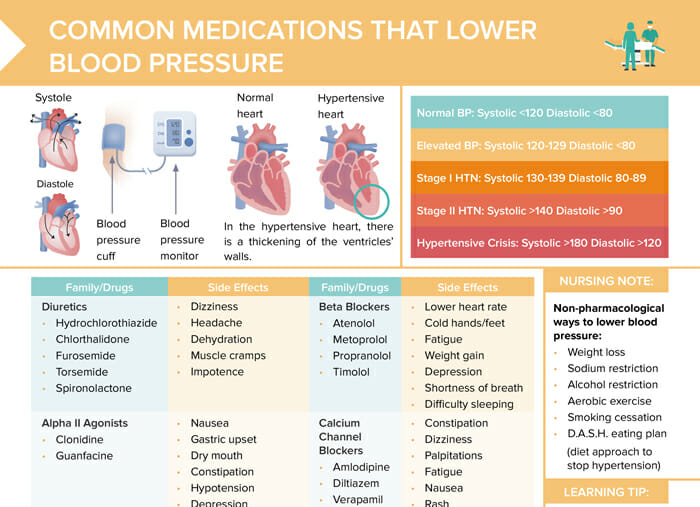
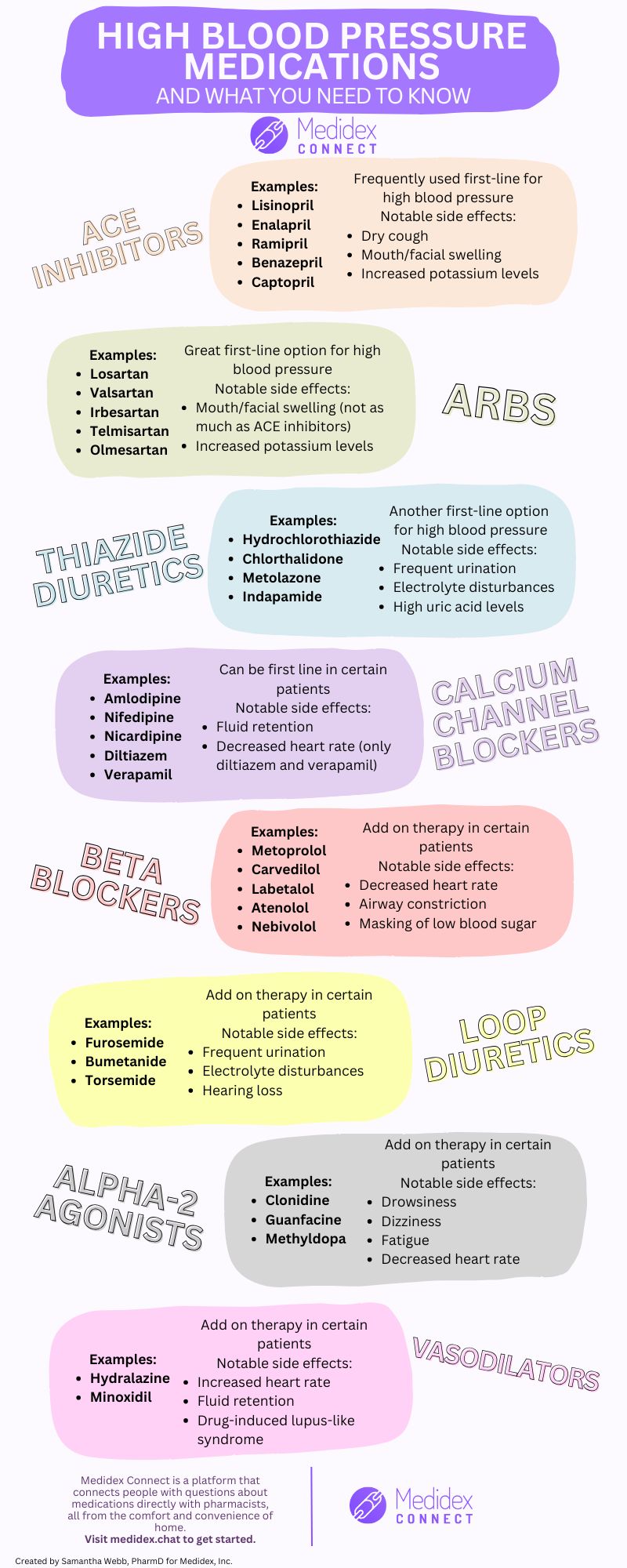
For individuals managing high blood pressure, opting for generic versions of commonly prescribed antihypertensives like ACE inhibitors (e.g., lisinopril), ARBs (e.g., losartan), diuretics (e.g., hydrochlorothiazide), or beta-blockers (e.g., metoprolol) can lead to substantial annual savings. A financial advisor would emphasize this as a prime example of smart consumer behavior within healthcare. Always discuss generic alternatives with your doctor to ensure they are appropriate for your specific condition.
Understanding Your Insurance Coverage
Health insurance plays a pivotal role in dictating the out-of-pocket costs for blood pressure medications. However, deciphering insurance policies can be complex, and a lack of understanding can lead to unexpected financial burdens.
Key insurance terms to understand include:
-
Deductible: The amount you must pay out of pocket before your insurance company begins to pay.
-
Co-pay: A fixed amount you pay for a covered health service or prescription after you’ve paid your deductible.
-
Formulary: A list of prescription drugs covered by a prescription drug plan or another insurance plan. Drugs are typically tiered (Tier 1: generics, lowest cost; Tier 2: preferred brand-names, medium cost; Tier 3: non-preferred brand-names, highest cost; Tier 4: specialty drugs, very high cost).
-
Prior Authorization: For some medications, especially newer or more expensive brand-names, your insurance company may require your doctor to obtain approval before it will cover the cost.
Carefully reviewing your insurance plan’s formulary is essential. If a prescribed medication is not on your plan’s formulary or falls into a higher tier, you may face higher co-pays or even be responsible for the full cost. Proactively discussing formulary options with your doctor can help select a medication that is both effective and financially feasible under your specific insurance plan. For long-term financial planning, factoring in these potential healthcare costs is as important as budgeting for housing or transportation.
Strategies for Affordable Blood Pressure Management
Beyond choosing generics and understanding insurance, several practical strategies can further reduce the financial strain of ongoing blood pressure medication.
Exploring Patient Assistance Programs (PAPs) and Discount Cards
Pharmaceutical companies, non-profit organizations, and state programs often offer Patient Assistance Programs (PAPs) to help low-income individuals, those without adequate insurance, or those facing significant financial hardship afford their medications. These programs might provide free or low-cost drugs directly from the manufacturer. Eligibility requirements vary but typically involve income thresholds and lack of comparable insurance coverage.
Additionally, prescription discount cards are widely available from various sources (online, pharmacies, non-profits). These cards are not insurance but can offer significant discounts on both generic and brand-name medications, sometimes reducing the price below what your insurance co-pay might be. It’s always wise to compare prices using a discount card versus your insurance coverage at the pharmacy counter.
The Role of Mail-Order Pharmacies and 90-Day Supplies
Many insurance plans and pharmacy benefit managers encourage or even require the use of mail-order pharmacies for maintenance medications, including those for high blood pressure. Mail-order services often offer a 90-day supply of medication for the same co-pay as a 30-day supply, effectively cutting your co-pay cost by two-thirds for that period. This not only offers significant cost savings but also adds convenience by eliminating monthly trips to the pharmacy and reducing the risk of running out of medication.
When considering mail-order, ensure the service is reputable, allows for easy communication with pharmacists, and has a clear process for refilling and addressing any issues. This strategy aligns well with sound financial planning, where bulk purchasing or long-term commitments often yield savings.
Physician Consultation for Cost-Effective Prescriptions
Your doctor is your primary partner in managing your health, and this includes the financial aspects of your treatment. Don’t hesitate to have an open conversation with your physician about medication costs. They may not always be aware of your financial constraints or your specific insurance formulary, but they can often help in several ways:
-
Prescribing generics: As discussed, this is the most direct path to savings.
-
Choosing less expensive brand-name options: If a generic isn’t available or suitable, there might be brand-name drugs in the same class that are more affordable or preferred by your insurance.
-
Providing samples: For new or expensive medications, your doctor might have samples that can help you start treatment or bridge a gap while you explore long-term affordability.
-
Helping with prior authorizations: Your doctor’s office staff can assist with the paperwork required by your insurance for certain medications.
A proactive discussion with your healthcare provider can ensure your treatment plan is both medically effective and financially sustainable.
Long-Term Financial Planning for Chronic Conditions
Managing high blood pressure is typically a lifelong endeavor, making it imperative to integrate medication costs into your broader financial strategy.
Budgeting for Healthcare Expenses
Just as you budget for housing, utilities, and food, allocating a consistent portion of your income to healthcare expenses, particularly for chronic conditions like hypertension, is crucial. This budget should encompass not just medication co-pays but also doctor’s visits, lab tests, and potential deductibles. Reviewing your healthcare spending annually can help you adjust your budget and identify areas for potential savings.
Consider setting up a Health Savings Account (HSA) or Flexible Spending Account (FSA) if your employer offers one. These accounts allow you to set aside pre-tax money for qualified medical expenses, effectively reducing your taxable income and providing a dedicated fund for healthcare costs. For someone consistently on blood pressure medication, these tools can offer significant tax advantages and help manage cash flow.
The Cost of Non-Adherence
While the upfront cost of medication can seem daunting, the financial consequences of not adhering to your prescribed regimen can be far more severe. Skipping doses or stopping medication altogether due to cost concerns can lead to uncontrolled high blood pressure, significantly increasing your risk of preventable complications like heart attacks, strokes, and kidney failure.
These acute events often result in emergency room visits, hospitalizations, extensive diagnostic tests, and expensive follow-up care – costs that dwarf the price of regular medication. From a purely financial standpoint, consistent adherence to your blood pressure medication is an investment that protects you from potentially catastrophic medical bills and preserves your long-term earning potential and financial stability. It’s a classic example of “an ounce of prevention is worth a pound of cure.”
Beyond Medication: Lifestyle Investments for Financial Health
While medication is a cornerstone of blood pressure management, lifestyle modifications play a vital role and can also offer financial dividends.
Investing in Preventative Measures
Adopting a heart-healthy lifestyle – characterized by a balanced diet (low in sodium, rich in fruits, vegetables, and whole grains), regular physical activity, maintaining a healthy weight, limiting alcohol, and avoiding smoking – can have a profound impact on blood pressure. For some individuals with prehypertension or early-stage hypertension, these lifestyle changes might even reduce or delay the need for medication. For those already on medication, these efforts can sometimes lead to reduced dosages or fewer medications over time, translating directly into lower out-of-pocket costs.
Framing these healthy habits as “investments” highlights their long-term financial benefits. While there might be initial costs (e.g., gym membership, healthier food choices), these are often offset by reduced medication expenses, fewer doctor visits, and a decreased risk of expensive medical emergencies down the line. It’s an investment in your physical capital that yields financial returns.
The Economic Impact of Managing Hypertension
Beyond direct medication costs, effectively managing hypertension has broader economic implications. Untreated or poorly controlled high blood pressure can lead to decreased productivity at work, increased sick days, and even early retirement due to health complications, all of which impact earning capacity and long-term wealth accumulation. Conversely, diligent management, including medication adherence, ensures you remain healthy, productive, and able to continue contributing to your financial goals. The ability to work consistently and avoid health-related career disruptions is a significant financial asset.

Conclusion
While “what medications lower blood pressure” is a question rooted in medical science, its answer carries significant financial weight for millions. Understanding the cost dynamics of brand-name vs. generic drugs, maximizing insurance benefits, leveraging assistance programs, and engaging in open dialogue with your physician are all critical steps in ensuring the financial sustainability of your health management. Moreover, viewing lifestyle modifications as preventative financial investments and recognizing the economic cost of non-adherence underscores the holistic connection between health and personal finance. By adopting a proactive and informed approach, individuals can successfully manage their blood pressure while safeguarding their financial well-being for the long term.
aViewFromTheCave is a participant in the Amazon Services LLC Associates Program, an affiliate advertising program designed to provide a means for sites to earn advertising fees by advertising and linking to Amazon.com. Amazon, the Amazon logo, AmazonSupply, and the AmazonSupply logo are trademarks of Amazon.com, Inc. or its affiliates. As an Amazon Associate we earn affiliate commissions from qualifying purchases.