
Understanding your blood sugar levels is a cornerstone of metabolic health. For decades, this understanding was often limited to sporadic tests in a clinical setting. However, the advent of sophisticated technology has revolutionized how we perceive, monitor, and manage our glycemic health. From smart glucometers to continuous glucose monitors (CGMs) and AI-powered health platforms, technology now provides an unprecedented level of insight into what constitutes a “normal” blood sugar range for an individual, and how to maintain it. This article delves into the normal ranges for blood sugar, framing this crucial information within the innovative technological landscape that makes such personal health management possible and actionable.
The Digital Evolution of Blood Sugar Monitoring
The journey to understanding one’s blood sugar once began and often ended with a doctor’s visit and a lab test. Today, personal tech gadgets and software have brought laboratory-grade accuracy into the palm of your hand, offering continuous, real-time data that paints a far more comprehensive picture of glycemic health.
Traditional Methods vs. Modern Devices
Historically, checking blood sugar involved a venipuncture at a clinic or, for daily management, finger-prick tests using basic glucometers. These traditional devices, while foundational, provided only snapshots in time. You’d get a reading at the moment of the test, but no data on how your levels fluctuated throughout the day or night in response to food, exercise, or stress.
Modern technology has transformed this. Smart glucometers, often Bluetooth-enabled, sync seamlessly with smartphone apps. These apps don’t just record data; they organize it, graph trends, and even offer basic insights. They allow users to log meals, exercise, and medication alongside their blood sugar readings, creating a richer dataset for analysis. This integration vastly improves upon the old pen-and-paper logs, making data more accessible and actionable for both the user and their healthcare provider. The convenience and digital integration of these devices have made regular self-monitoring less cumbersome and more informative.
Continuous Glucose Monitors (CGMs): A Paradigm Shift
Perhaps the most significant technological leap in blood sugar monitoring is the Continuous Glucose Monitor (CGM). Unlike a finger-prick test, a CGM uses a small sensor inserted just under the skin, typically on the arm or abdomen, to measure glucose levels in interstitial fluid every few minutes. This data is then wirelessly transmitted to a handheld receiver or a smartphone app.
The impact of CGMs is profound. They provide a continuous stream of data, revealing trends, highs, lows, and the speed at which glucose levels change – information vital for understanding individual responses to food, exercise, and medication that was previously unattainable outside of highly controlled clinical settings. For individuals with diabetes, CGMs have been transformative, reducing the need for painful finger pricks and empowering them with real-time feedback to make immediate adjustments to diet, activity, or insulin doses. For those interested in optimizing their health, CGMs offer an unprecedented window into their metabolic responses, allowing for personalized dietary and lifestyle choices based on objective data. The ability to see glucose levels trending upwards before they reach a dangerously high point, or downwards before a hypoglycemic event, is a game-changer for proactive health management.
Understanding Your Numbers: Normal Ranges in a Connected World
With an influx of data from modern monitoring devices, interpreting what constitutes a “normal” blood sugar level becomes even more critical. Technology helps users not just collect these numbers, but also contextualize them, moving beyond single data points to understand patterns and individual physiological responses.
Defining “Normal” for Different States
The definition of a “normal” blood sugar level varies depending on several factors, including whether you’ve eaten recently (fasting vs. post-meal) and your overall health status. Technology plays a crucial role in tracking these different states and providing context to the readings.
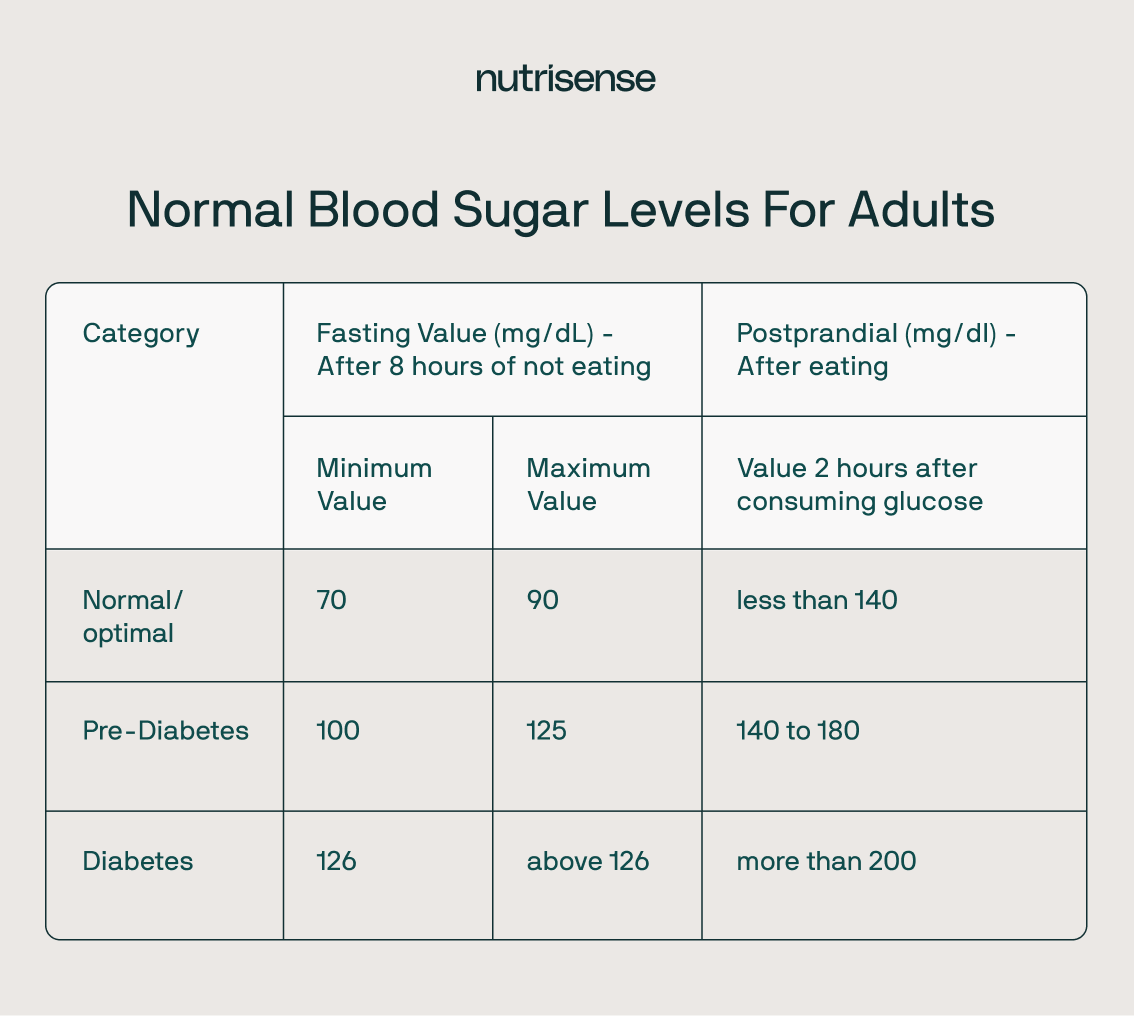
Generally, clinical guidelines define normal blood sugar ranges as follows:
-
Fasting Blood Sugar (before eating, typically after an 8-hour fast):
-
Normal: Less than 100 mg/dL (5.6 mmol/L)
-
Prediabetes: 100 to 125 mg/dL (5.6 to 6.9 mmol/L)
-
Diabetes: 126 mg/dL (7.0 mmol/L) or higher on two separate tests
-
-
Post-meal Blood Sugar (1-2 hours after eating):
-
Normal: Less than 140 mg/dL (7.8 mmol/L)
-
Prediabetes: 140 to 199 mg/dL (7.8 to 11.0 mmol/L)
-
Diabetes: 200 mg/dL (11.1 mmol/L) or higher
-
These general guidelines are what tech devices and their accompanying apps often use as benchmarks. When your smart glucometer uploads a reading or your CGM sends an alert, it’s typically compared against these established ranges to flag potential issues.
How Tech Helps Interpret Your Data
The true power of modern blood sugar monitoring technology lies not just in its ability to measure, but to interpret. Rather than simply displaying a number, sophisticated apps and platforms use algorithms to provide actionable insights.
-
Trend Analysis: Instead of just showing a single reading, apps visualize trends over hours, days, weeks, and months. This allows users to see patterns – for example, if their blood sugar consistently spikes after a particular type of meal, or if it drops overnight.
-
Contextual Logging: Many apps allow users to log meals (sometimes with photo recognition), exercise, stress levels, and medication doses directly alongside their glucose data. This rich contextual information helps users and healthcare providers understand why blood sugar levels are fluctuating. For example, a spike might be directly correlated with a high-carb meal logged an hour prior, or a dip with an intense workout.
-
Alerts and Notifications: CGMs, in particular, are invaluable for their ability to provide real-time alerts. These notifications can warn users if their blood sugar is rapidly dropping (potentially leading to hypoglycemia) or rising (hyperglycemia), allowing for immediate intervention. This proactive approach significantly reduces risks and improves safety.
-
Personalized Targets: While general “normal” ranges exist, an individual’s optimal range can be personalized based on their health status, age, and medical history. Advanced health tech platforms, often guided by clinicians, can help set and track personalized glucose targets, making the data even more relevant.
Leveraging Apps and AI for Personalized Insights
The raw data generated by blood sugar monitoring devices is incredibly valuable, but its true potential is unlocked through the intelligent processing power of software applications and artificial intelligence. These digital tools transform data points into personalized, actionable insights, empowering users to make informed decisions about their health.
The Role of Companion Apps and Data Visualization

Every smart glucometer and CGM system comes with a dedicated companion app, which is the user’s primary interface with their glucose data. These apps are designed with user experience in mind, making complex data digestible and understandable.
-
Intuitive Dashboards: Apps typically present data through intuitive dashboards, using clear graphs, charts, and color-coded indicators to highlight trends and out-of-range readings. Users can easily view their average glucose levels, time spent in range (TIR), and identify periods of high variability.
-
Data Export and Sharing: Many apps facilitate easy data export, often into formats compatible with electronic health records (EHRs), or allow direct sharing with healthcare providers. This streamlines communication and enables doctors to review comprehensive glucose histories remotely, facilitating more informed clinical decisions.
-
Educational Resources: Beyond data, many apps integrate educational content, offering articles, videos, and tips on nutrition, exercise, and diabetes management, directly relevant to the user’s glucose patterns. For example, if an app detects frequent post-meal spikes, it might suggest articles on low-glycemic foods or portion control.
AI-Powered Predictive Analytics and Lifestyle Integration
Artificial intelligence is rapidly elevating the utility of blood sugar monitoring. AI algorithms can analyze vast amounts of glucose data, combined with lifestyle inputs, to predict future glucose levels and offer highly personalized recommendations.
-
Predictive Modeling: Advanced AI models can learn from an individual’s unique glucose responses to various foods, activities, and medication timings. Over time, they can predict how specific meals or exercise routines will impact blood sugar, often hours in advance. This predictive capability is revolutionary for proactive management, allowing users to pre-emptively adjust their insulin or diet to avoid highs or lows.
-
Personalized Dietary Recommendations: Some AI-driven platforms can analyze food logs and glucose responses to suggest optimal meal choices, portion sizes, or even specific recipes that align with an individual’s metabolic profile. This moves beyond generic dietary advice to highly individualized nutrition guidance.
-
Behavioral Nudging: AI can also power “smart nudges” or personalized prompts within apps, encouraging users to take specific actions, like going for a walk after a meal that typically causes a spike, or reminding them to check their glucose before driving. These intelligent interventions are designed to reinforce healthy habits.
-
Integration with Other Wearables: The future sees AI integrating blood sugar data with information from other wearables (e.g., smartwatches tracking heart rate, sleep, activity). This holistic data synthesis allows AI to provide even more comprehensive insights into how various lifestyle factors collectively influence glycemic control.
Beyond Measurement: Tech for Proactive Management
The technological advancements in blood sugar monitoring extend beyond mere measurement and interpretation. They now encompass sophisticated systems designed for active, proactive management, blurring the lines between diagnostic tools and therapeutic interventions.
Smart Insulin Delivery Systems
For individuals with diabetes, particularly those requiring insulin, technology has paved the way for automated and semi-automated insulin delivery systems. These systems leverage the continuous data from CGMs to make real-time decisions about insulin administration.
-
Insulin Pumps: Modern insulin pumps are small, wearable devices that deliver insulin continuously throughout the day and in boluses around mealtimes. They are far more precise than traditional injections and can be programmed with complex basal rates.
-
Automated Insulin Delivery (AID) Systems (Artificial Pancreas Systems): This is where AI and sensor technology truly converge. AID systems, often called “hybrid closed-loop systems” or “artificial pancreas systems,” connect a CGM directly to an insulin pump. An algorithm continuously analyzes the CGM data and automatically adjusts insulin delivery to keep blood sugar within a target range. These systems can suspend insulin delivery if glucose levels are trending low or increase it if levels are rising, significantly reducing the burden of manual management and improving glycemic control. While not fully autonomous, they represent a monumental step towards automating diabetes care.
Telemedicine and Remote Monitoring Platforms
The digital transformation of healthcare, accelerated by recent global events, has made remote monitoring and telemedicine indispensable, especially for chronic conditions like diabetes.
-
Virtual Consultations: Patients can now have virtual appointments with their endocrinologists or diabetes educators, reviewing their glucose data remotely. This enhances access to care, reduces geographical barriers, and saves time and travel costs.
-
Cloud-Based Data Sharing: Most modern glucose monitoring devices automatically upload data to secure cloud platforms, which healthcare providers can access with patient consent. This allows for continuous oversight without the need for frequent in-person visits, enabling timely interventions and adjustments to treatment plans.
-
Population Health Management: For healthcare systems, aggregated anonymized data from remote monitoring platforms can offer insights into population health trends, helping identify at-risk groups and tailor public health interventions more effectively.
The Future of Glycemic Health: Wearables and Beyond
The trajectory of blood sugar monitoring technology points towards even greater integration, non-invasiveness, and personalization. The future promises a seamless experience where managing glycemic health becomes an almost effortless part of daily life.
Non-Invasive Technologies on the Horizon
The holy grail for many in the diabetes community is a truly non-invasive glucose monitor – a device that can measure blood sugar without any skin penetration. While several technologies are under development, none have yet achieved the accuracy and reliability required for widespread clinical use.
-
Wearable Sensors: Researchers are exploring various non-invasive methods, including sensors that use light (spectroscopy), radio waves, or even sweat analysis to infer glucose levels. Smartwatches and other wearables are prime platforms for these future innovations, potentially integrating glucose monitoring with other vital signs in a single, convenient device.
-
Smart Contact Lenses: Efforts are also underway to develop smart contact lenses that can measure glucose in tear fluid. While complex, such a device would offer continuous, discreet monitoring.
The success of these non-invasive technologies will hinge on their ability to match or exceed the accuracy of current invasive or minimally-invasive methods, while maintaining user comfort and reliability.
Data Security and Privacy in Health Tech
As blood sugar monitoring becomes increasingly digital and integrated, the importance of data security and privacy cannot be overstated. Health data is highly sensitive, and breaches can have serious consequences.
-
Robust Encryption: Companies developing health tech solutions must employ robust encryption protocols for data transmission and storage, protecting sensitive personal health information (PHI) from unauthorized access.
-
Compliance with Regulations: Adherence to strict regulatory frameworks such as HIPAA (Health Insurance Portability and Accountability Act) in the US, GDPR (General Data Protection Regulation) in Europe, and similar privacy laws globally, is paramount. These regulations dictate how personal health data is collected, stored, used, and shared.
-
User Control: Empowering users with control over their data – who it’s shared with, for what purpose, and the ability to revoke access – is a critical ethical and practical consideration. Trust in the technology hinges on transparent and secure data handling practices.

Conclusion
The question “what is the normal range for a blood sugar level” has evolved beyond a simple numerical answer. In the era of advanced technology, it signifies a deep dive into personalized health insights, enabled by an array of sophisticated digital tools. From smart glucometers offering contextual snapshots to continuous glucose monitors providing real-time streams and AI-powered platforms delivering predictive analytics, technology has transformed blood sugar management. It empowers individuals to not just know their numbers, but to understand the “why” behind them, enabling proactive choices that lead to better health outcomes. As this technology continues to advance, promising non-invasive monitoring and even more intelligent management systems, the future of glycemic health is brighter, more integrated, and profoundly personalized, marking a true paradigm shift in how we approach metabolic well-being.
aViewFromTheCave is a participant in the Amazon Services LLC Associates Program, an affiliate advertising program designed to provide a means for sites to earn advertising fees by advertising and linking to Amazon.com. Amazon, the Amazon logo, AmazonSupply, and the AmazonSupply logo are trademarks of Amazon.com, Inc. or its affiliates. As an Amazon Associate we earn affiliate commissions from qualifying purchases.