
In the intricate tapestry of human communication, words serve not only as conveyors of meaning but also as evocative vessels of sensation. Among these, few linguistic devices possess the immediate, visceral impact of onomatopoeia. Far from being a mere academic curiosity, onomatopoeia represents a fascinating intersection of sound, meaning, and perception – a powerful tool that, when understood and wielded strategically, can profoundly shape how brands are perceived, remembered, and experienced. For the discerning brand strategist, marketer, or designer, grasping the essence of onomatopoeia extends beyond a dictionary definition; it unlocks a deeper understanding of how to craft compelling, multi-sensory brand identities in an increasingly competitive marketplace. This article delves into the core meaning of onomatopoeia and, critically, explores its immense, often underestimated, value within the realm of branding and marketing.
Beyond Words: The Essence of Onomatopoeia
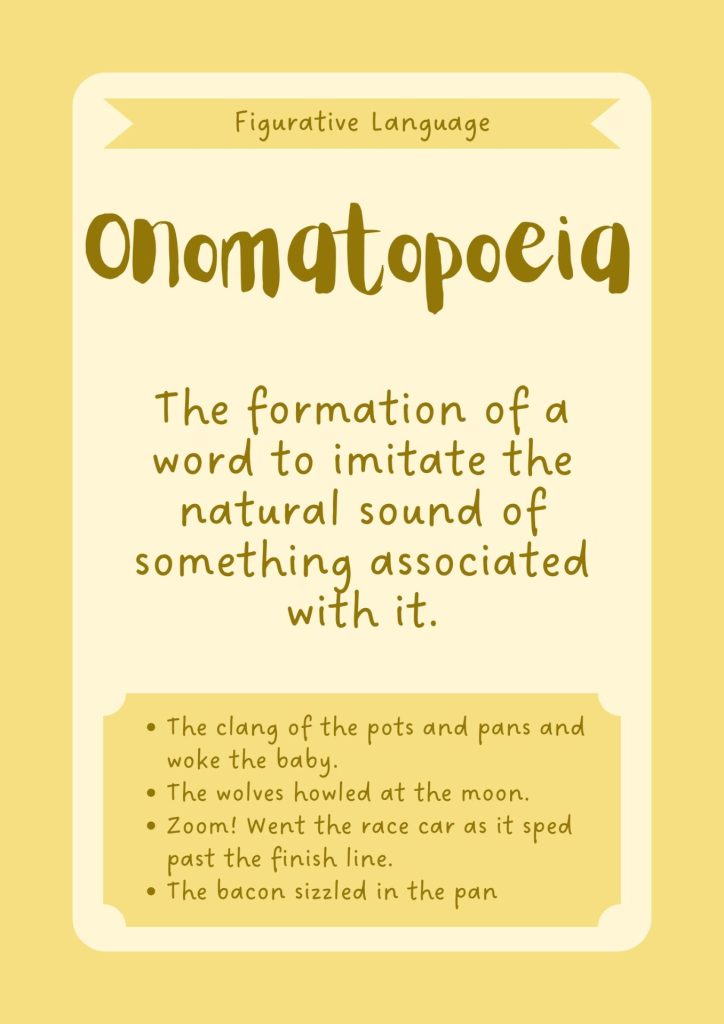
At its heart, onomatopoeia refers to the formation of a word from a sound associated with what is named (e.g., cuckoo, sizzle) or the naming of something by vocal imitation of its sound. It’s the linguistic echo of reality, where the word itself attempts to mimic the acoustic experience it describes. This direct connection between sound and meaning gives onomatopoeic words a unique potency, allowing them to transcend mere denotation and tap directly into our sensory understanding of the world.
A Fundamental Linguistic Concept
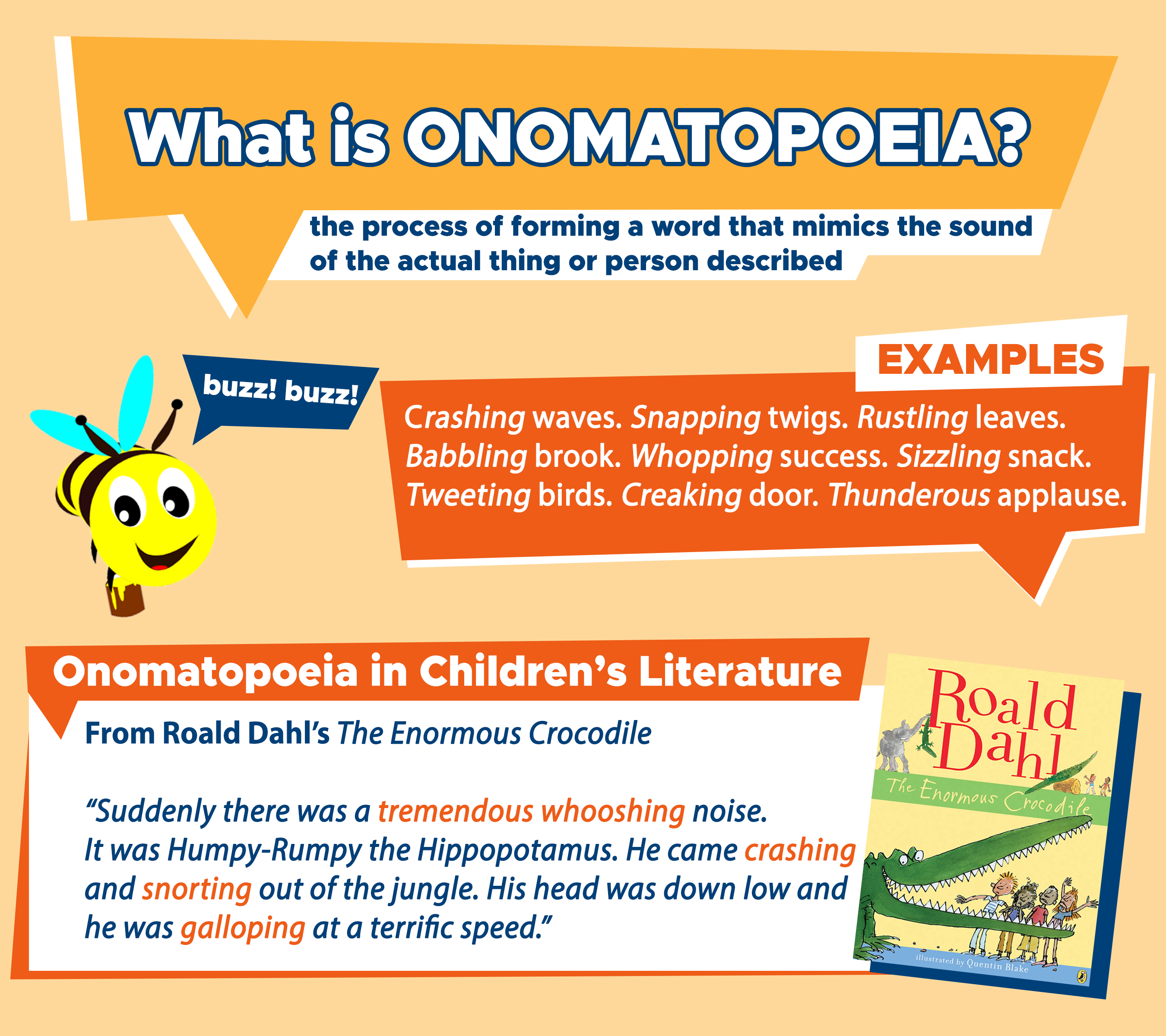
From the earliest stages of language development, humans have instinctively used sounds to describe their environment. The “bang” of a door, the “meow” of a cat, the “splash” of water – these aren’t just arbitrary labels; they are attempts to vocalize the very sounds these actions and entities produce. This makes onomatopoeia a fundamental and perhaps universal aspect of human language, present across diverse cultures and tongues, albeit with subtle phonetic variations. It’s a primal form of communication, bypassing complex semantic layers to deliver immediate sensory information. This inherent accessibility and intuitiveness are precisely what make it so valuable for brand communication, allowing messages to resonate instantly and profoundly.
The Power of Sensory Evocation
The true genius of onomatopoeia lies in its ability to evoke a sensory experience rather than just describing it. When we hear or read “crunch,” we don’t just understand that something is being chewed; we can almost hear the crispness, feel the texture, and even imagine the taste. This multisensory activation is a powerful psychological mechanism. For brands, this means onomatopoeic language can bypass purely cognitive processing, landing directly in the realm of feeling and experience. It allows a brand to suggest a product’s texture, a service’s speed, or an experience’s dynamism without lengthy explanations, embedding these attributes deeply into the consumer’s perception. This direct sensory link creates a more vivid and memorable impression, a crucial factor in brand differentiation.
Universal Appeal and Cultural Nuances
While the concept of onomatopoeia is universal, its specific manifestations vary culturally. The sound a dog makes might be “woof” in English, “bau bau” in Italian, or “wan wan” in Japanese. These nuances highlight how even seemingly direct sound imitations are filtered through phonetic systems and cultural interpretations. For global brands, understanding these subtle differences is paramount. A name or slogan that leverages onomatopoeia effectively in one market might miss the mark or even sound awkward in another. This requires careful market research and linguistic sensitivity to ensure that the intended sensory impact translates authentically across diverse audiences, reinforcing the idea that effective branding requires a deep understanding of local contexts.
Onomatopoeia as a Branding Powerhouse
In the crowded marketplace, a brand’s ability to stand out and forge a lasting connection with consumers often hinges on more than just its product or service. It depends on its narrative, its visual identity, and increasingly, its sonic identity. Onomatopoeia offers a unique pathway to crafting a powerful and distinctive brand presence. By incorporating sound-imitating words, brands can infuse their messaging with vitality, memorability, and an immediate emotional resonance that purely descriptive language often struggles to achieve.
Establishing Distinctive Sonic Identities
Just as logos provide visual identity, specific sounds or sound-evoking words can create a distinct sonic identity for a brand. Think of the “snap, crackle, pop” of Rice Krispies or the “zzzzz” of a buzzing insect repellent. These aren’t just slogans; they are auditory signatures that become inextricably linked to the product experience. For new brands, strategically employing onomatopoeia can help carve out a unique auditory niche, making them instantly recognizable and differentiated from competitors. This extends beyond literal sounds to the feeling a sound evokes, allowing brands to communicate attributes like innovation (“zip,” “whizz”), comfort (“hum,” “purr”), or excitement (“boom,” “zap”).
Enhancing Brand Recall and Recognition
The human brain is wired to respond to novelty and sensory input. Onomatopoeic words, by virtue of their direct sensory appeal, tend to be more memorable than abstract terms. They create vivid mental images and auditory associations that stick in the consumer’s mind. When a brand name or slogan incorporates onomatopoeia, it effectively doubles down on its memorability. The sound of the word reinforces its meaning, making it easier for consumers to recall the brand when making purchasing decisions or discussing products. This enhanced recall is a significant advantage in a world where consumers are bombarded with thousands of brand messages daily, allowing a brand to cut through the noise.
Building Emotional Connections
Emotions play a critical role in brand loyalty. Onomatopoeia has an inherent ability to tap into primal emotions. A “giggle” evokes joy, a “thud” suggests impact, and a “shiver” implies cold or fear. Brands can leverage this emotional resonance to deepen their connection with consumers. For example, a brand promoting a calming product might use words that evoke gentle, soothing sounds (“whisper,” “hush”). A brand for high-performance sports gear might opt for words that suggest power and speed (“zoom,” “blast”). By aligning the brand’s intended emotional experience with onomatopoeic language, companies can create a more immersive and emotionally resonant brand narrative that fosters stronger relationships and loyalty.
Strategic Application in Marketing and Advertising
The theoretical power of onomatopoeia truly shines when applied strategically in the practical domains of marketing and advertising. Here, it transforms from a linguistic concept into a potent tool for persuasion, engagement, and differentiation. From catchy jingles to evocative ad copy, onomatopoeia offers diverse avenues for brands to captivate audiences and embed themselves in the cultural lexicon.
Impactful Slogans and Taglines
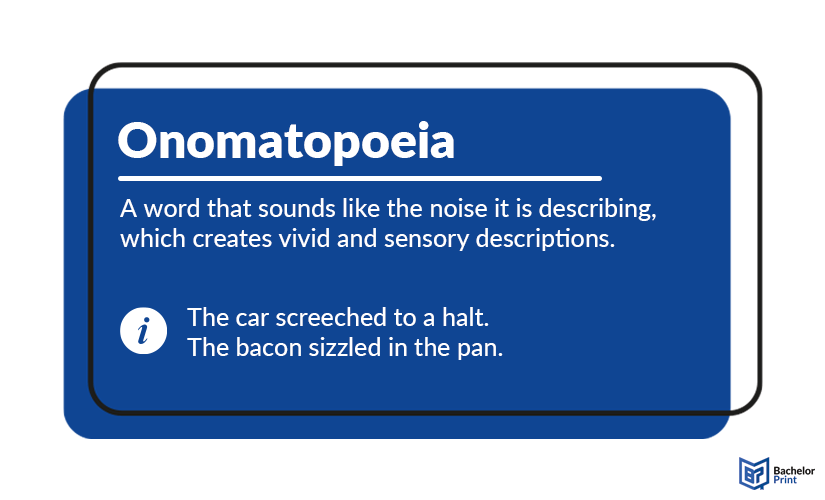
Slogans and taglines are the distilled essence of a brand’s promise. When infused with onomatopoeia, they become instantly more dynamic and memorable. Consider “Snap! Crackle! Pop!” for Rice Krispies, or “Vroom!” to signify speed and power. These aren’t just statements; they are mini-experiences. An onomatopoeic tagline can communicate a product’s benefit or a brand’s personality with remarkable efficiency. It grabs attention, stimulates imagination, and reinforces key product attributes through sound association, making the brand message stick long after the advertisement has faded. Crafting such taglines requires not only creativity but also a deep understanding of the target audience’s cultural and linguistic sensitivities.
Creating Memorable Ad Campaigns
Beyond slogans, onomatopoeia can be woven throughout entire advertising campaigns, shaping narrative, sound design, and visual cues. Imagine an ad for a sparkling beverage that prominently features a “fizz” sound effect or a car commercial highlighting the “whoosh” of acceleration. These auditory elements, when paired with visuals and copy, create a cohesive, multisensory experience that enhances the overall impact of the message. In print or digital ads, even the written onomatopoeia can trigger auditory imagination. A comic book-style “POW!” or “ZAP!” immediately conveys action and excitement, proving that the power of sound can transcend the medium. Brands can build entire campaigns around these sonic anchors, creating a consistent and distinctive brand voice across all touchpoints.
Digital Branding and UI/UX Sounds
In the digital age, onomatopoeia finds new applications, particularly in User Interface (UI) and User Experience (UX) design. The sounds apps make, the notification chimes, the feedback when a button is pressed – these micro-interactions contribute significantly to a user’s perception of a brand. A crisp “click” for a successful action, a gentle “ding” for a notification, or a playful “boing” for an error can all be carefully chosen onomatopoeic sounds that reinforce a brand’s personality (e.g., professional, friendly, innovative). These subtle sonic cues contribute to a seamless and intuitive user experience, enhancing satisfaction and strengthening brand affinity in the digital realm. Thoughtful integration of onomatopoeic sounds can transform mundane digital interactions into engaging brand touchpoints.
Crafting Brand Resonance Through Sound and Name
The strategic use of onomatopoeia extends significantly into the foundational elements of branding: naming and product design. A well-chosen, onomatopoeic brand name or product descriptor can instantly convey attributes, forge emotional connections, and build resonance that sets a brand apart from the competition. This deep integration allows brands to communicate their essence right from the first point of contact.
Onomatopoeic Brand Names: A Strategic Advantage
A brand name is often the first impression a consumer has of a company. Onomatopoeic names possess a unique ability to communicate essence without overt explanation. Consider brands like “Zoom” (implying speed), “Slack” (suggesting ease and flexibility in communication), or “Popsicle” (the sound of the ice breaking when you bite into it). These names are inherently memorable because they activate sensory associations. They don’t just label; they describe an action, a feeling, or a core benefit through sound. Crafting such names requires creativity and a deep understanding of target perception, but the reward is a name that is not only distinctive but also inherently communicative and highly sticky in the consumer’s mind.
Product Naming and Sensory Perception
Beyond the overarching brand name, individual product lines can benefit immensely from onomatopoeic naming. Think of a line of crunchy snacks named “Crispy Crunch” or a quiet vacuum cleaner called “WhisperClean.” These names immediately convey key product attributes – texture, sound level, performance – in an intuitive way. This directly impacts sensory perception even before a consumer experiences the product. When the product lives up to its onomatopoeic name, it reinforces the brand promise and builds trust. Conversely, a product that fails to deliver on its sonic promise can lead to disappointment, highlighting the importance of authenticity in onomatopoeic branding.
Extending Brand Language Across Platforms
In an omnichannel world, brand language needs to be consistent and resonant across all platforms – from websites and social media to packaging and in-store experiences. Onomatopoeia provides a versatile tool for maintaining this consistency. A brand’s sonic identity, established through onomatopoeic naming or slogans, can be echoed in website animations, app notifications, or even the tactile feedback of physical products. For instance, a coffee brand using a “brew” sound effect on its app and a “slurp” graphic in its social media posts creates a cohesive sensory narrative. This integrated approach ensures that the brand’s unique voice and personality are consistently communicated, reinforcing its identity and strengthening consumer engagement across every touchpoint.
The Future of Sensory Branding: Onomatopoeia’s Enduring Role
As technology advances and consumer expectations evolve, the landscape of branding continues to shift towards more immersive and personalized experiences. In this future, the power of sensory engagement, particularly through sound, will become even more pronounced. Onomatopoeia, with its inherent ability to bridge linguistic meaning and sensory experience, is perfectly positioned to play an enduring and increasingly critical role in how brands connect with their audiences.
Immersive Experiences and Multisensory Marketing
The trend towards immersive experiences – from virtual reality and augmented reality to experiential retail – demands a holistic approach to brand communication. Onomatopoeia becomes a natural fit for crafting these multisensory environments. Imagine a VR experience for a travel brand where the “whoosh” of a waterfall or the “crackle” of a campfire enhances the sense of presence. Or an AR app for a car brand where the “vroom” of a projected vehicle is felt as much as it is heard. These applications move beyond mere advertising to create rich, memorable brand worlds. Brands that master the integration of onomatopoeic elements into these immersive experiences will be at the forefront of engaging consumers on a deeper, more emotional level.
AI, Voice Assistants, and Sonic Branding
The proliferation of voice assistants and AI-driven interfaces (like Alexa, Google Assistant, Siri) ushers in a new era of sonic branding. As consumers increasingly interact with technology through voice, the sound of a brand’s digital presence becomes paramount. How does a brand “sound” when spoken by an AI? What sonic cues accompany its actions? Onomatopoeia can influence the development of unique verbal responses and auditory feedback loops for brands operating in this space. A playful “boop” for a confirmation or a reassuring “shhh” for a privacy setting could subtly reinforce brand personality through sound, making interactions more intuitive and brand-aligned. This nascent field offers vast opportunities for brands to define their unique sonic voice in the conversational AI ecosystem.
Sustaining Authenticity in a Noisy World
In an era saturated with information and marketing messages, authenticity is a precious commodity. Onomatopoeia, by virtue of its directness and primal appeal, can help brands cut through the noise with genuine sensory communication. When a brand’s sound-based language truly reflects its product or service, it builds trust and credibility. The challenge for future brands will be to leverage onomatopoeia not as a gimmick, but as an integral part of their authentic brand story, ensuring that the sounds they evoke truly align with the experiences they deliver. This thoughtful, integrated approach will be key to sustaining brand relevance and fostering deep, lasting connections with discerning consumers.
In conclusion, onomatopoeia is far more than a linguistic curiosity; it is a powerful branding asset. By understanding its ability to evoke senses, enhance recall, build emotional connections, and differentiate through sound, brands can strategically weave this ancient linguistic device into their modern marketing efforts. From naming conventions to digital user experiences, onomatopoeia offers a vibrant pathway to creating resonant, memorable, and authentically engaging brand identities that not only speak to consumers but truly resonate with their senses.
aViewFromTheCave is a participant in the Amazon Services LLC Associates Program, an affiliate advertising program designed to provide a means for sites to earn advertising fees by advertising and linking to Amazon.com. Amazon, the Amazon logo, AmazonSupply, and the AmazonSupply logo are trademarks of Amazon.com, Inc. or its affiliates. As an Amazon Associate we earn affiliate commissions from qualifying purchases.