
In an era defined by information overload, the simple query “What is X?” remains a fundamental human pursuit. Whether it’s an esoteric scientific phenomenon, a groundbreaking technological concept, or a complex medical condition like Tetralogy of Fallot, the need for clear, accurate, and accessible answers has never been greater. For centuries, such deep dives into specialized knowledge were confined to academic texts, expert consultations, or dusty library archives. Today, however, technology has revolutionized how we ask, find, and comprehend answers to even the most intricate questions, transforming the landscape of knowledge acquisition and dissemination.
This shift isn’t just about faster access; it’s about deeper understanding, personalized learning, and the democratization of expertise. The tools and platforms we now wield — from sophisticated search engines and AI-driven assistants to interactive simulations and specialized digital databases — have redefined what it means to learn about complex subjects. They empower individuals, from concerned parents to curious students and even seasoned professionals, to bridge knowledge gaps with unprecedented efficiency and clarity. By examining the technological scaffolding that supports our quest for understanding, we can appreciate the profound impact these innovations have on demystifying subjects that once seemed impenetrable, turning complex questions into pathways for enlightened comprehension.
The Digital Frontier of Knowledge Acquisition: Answering “What Is X?”
The journey to understand a complex subject often begins with a fundamental question. In the digital age, the tools we use to answer “What is X?” have evolved from mere information retrieval systems into sophisticated knowledge navigators. These technologies are not just providing data; they are shaping our cognitive processes and setting new standards for clarity and accessibility.
Search Engines and Information Gateways
At the forefront of this revolution are search engines, which have transcended their rudimentary keyword-matching origins. Modern search algorithms, powered by advanced machine learning, now excel at semantic understanding, interpreting the intent behind a query rather than just its literal words. When a user types “What is Tetralogy of Fallot?” into a search bar, the engine doesn’t merely look for pages containing those exact terms. Instead, it processes the request as a fundamental need for definition, symptoms, causes, and treatments related to a specific congenital heart defect.
This shift means search results are no longer a jumble of links but often curated snippets, knowledge panels, and direct answers, prioritizing authoritative sources like medical institutions, government health agencies, and reputable encyclopedias. For complex topics, this immediate provision of contextualized, verified information is critical. It transforms a potentially overwhelming search into a streamlined educational experience, laying the groundwork for deeper investigation with reliable data points. These gateways are the first, and often most crucial, step in demystifying any specialized subject, acting as the primary interface between curiosity and comprehensive knowledge.
Curated Databases and Expert Systems
Beyond general search, a more specialized layer of technological solutions exists for in-depth knowledge: curated databases and expert systems. These platforms represent a significant leap from broad information retrieval to focused, verified expertise. In the medical field, examples like UpToDate, Mayo Clinic’s knowledge base, or MedlinePlus offer meticulously reviewed content, often peer-audited and updated regularly by specialists.
For a topic like Tetralogy of Fallot, these systems provide not just definitions, but detailed clinical descriptions, diagnostic criteria, treatment protocols, and prognoses, often presented with medical illustrations and references to primary research. They function as digital encyclopedias but with an added layer of dynamic content, adapting to new research and clinical guidelines. Expert systems, in particular, aim to mimic human clinical reasoning, guiding users through complex information pathways to reach precise answers. While sometimes subscription-based, their value lies in their unparalleled accuracy and depth, making them indispensable for anyone needing authoritative answers—from healthcare professionals to patients seeking to understand their condition with absolute certainty. They represent a critical technological advancement in ensuring that complex information isn’t just available, but genuinely reliable and robust.
AI and Machine Learning: Demystifying Complex Concepts
The advent of Artificial Intelligence (AI) and Machine Learning (ML) marks a transformative era in how we interact with and comprehend complex information. These technologies are not just processing data faster; they are fundamentally changing how we understand and explain intricate concepts, acting as intelligent intermediaries between raw information and human cognition.
Natural Language Processing (NLP) for Comprehension
Natural Language Processing (NLP) is at the heart of AI’s ability to demystify complex subjects. NLP algorithms can analyze vast quantities of unstructured text—research papers, medical journals, clinical notes—and extract key concepts, relationships, and nuances. For a topic like Tetralogy of Fallot, this means an AI can digest thousands of articles on congenital heart defects, identify recurring themes, differentiate between primary and secondary symptoms, and pinpoint the latest diagnostic techniques.
Beyond extraction, NLP also enables summarization and simplification. It can take a dense, technical explanation of, for example, the physiological changes associated with Tetralogy of Fallot, and distill it into a concise, plain-language summary understandable by a non-expert. This capability is invaluable in breaking down language barriers inherent in specialized fields, allowing a wider audience to grasp complex medical terminology and concepts without requiring extensive prior knowledge. NLP is essentially creating an intelligent translator, making expert-level information accessible to everyone.
Personalization and Adaptive Learning Platforms
AI’s strength also lies in its capacity for personalization. Adaptive learning platforms leverage ML to tailor information delivery to individual users based on their existing knowledge, learning style, and engagement patterns. If a user is struggling to understand the anatomical aspects of Tetralogy of Fallot, the platform can automatically provide more visual aids, simpler analogies, or repeat explanations in different formats until comprehension is achieved.
These platforms track user progress, identify knowledge gaps, and dynamically adjust the curriculum or content presentation. For complex topics, this means the learning experience is no longer a one-size-fits-all approach but a custom-fitted journey. Whether it’s a medical student requiring in-depth physiological detail or a family member needing basic explanations, AI ensures that the information is presented at the right level of complexity, in the most effective manner for that individual. This adaptive capability is crucial for sustained learning and genuine understanding of multifaceted subjects.
Generative AI for Content Creation and Explanation
Generative AI, exemplified by models like GPT-4, represents a leap forward in the proactive creation of explanatory content. These tools can take a prompt like “Explain Tetralogy of Fallot to a 10-year-old,” “Write a brief for medical professionals on recent advancements in TOF surgery,” or “Generate an analogy for how a heart affected by TOF functions.” The AI can then produce coherent, contextually relevant, and stylistically appropriate text, images, or even code.
This capability significantly reduces the effort required to create educational materials, patient information leaflets, or explanatory articles. Educators can use generative AI to draft initial explanations, researchers to summarize findings, and patient advocacy groups to craft accessible information. The AI can act as a tireless content generator, capable of producing diverse explanations for various audiences, ensuring that complex subjects are broken down into digestible, relatable components. While human oversight remains essential for accuracy and nuance, generative AI dramatically enhances the speed and scale at which demystifying content can be produced, making complex knowledge more widely available than ever before.
Specialized Tools and Applications for Health Literacy
Beyond general AI and search engines, a suite of specialized technological tools and applications plays a pivotal role in enhancing health literacy, particularly concerning complex medical conditions. These innovations leverage various digital capabilities to make intricate information more engaging, understandable, and personally relevant.
Interactive Visualizations and 3D Models
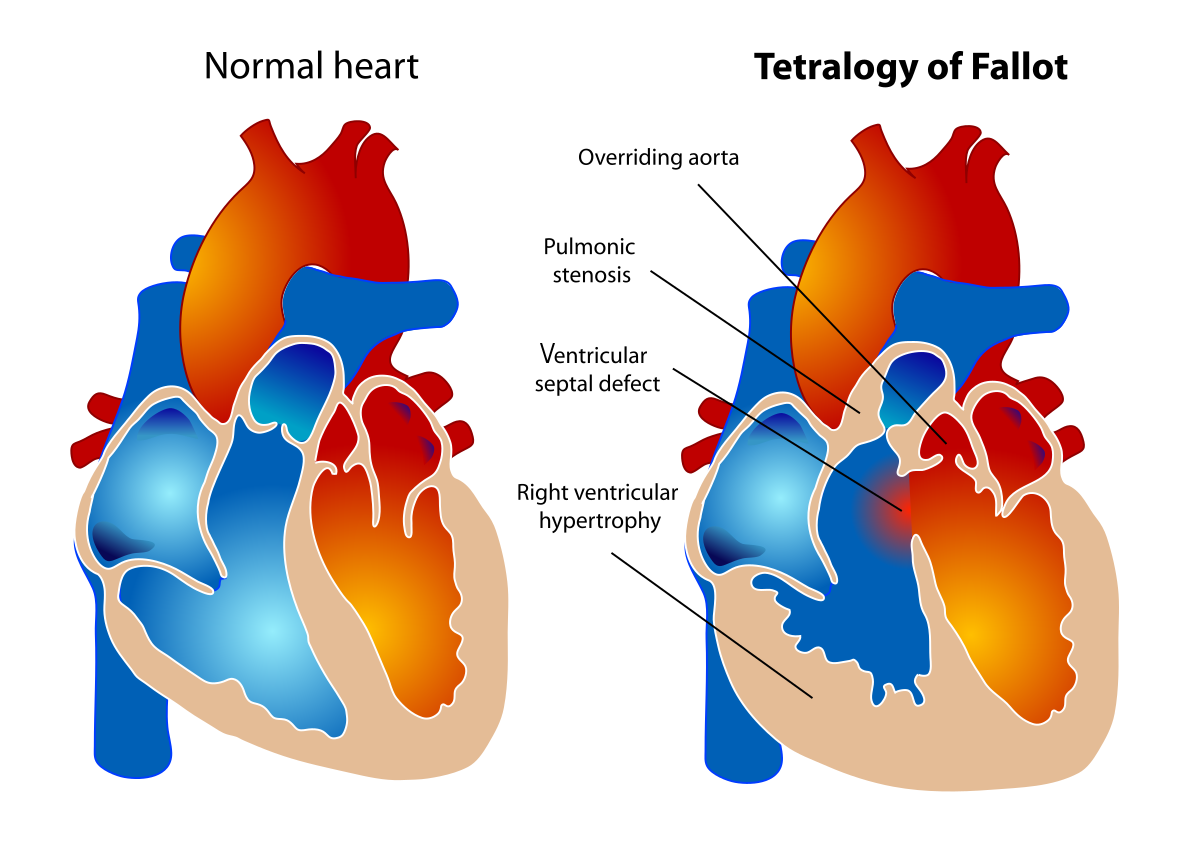
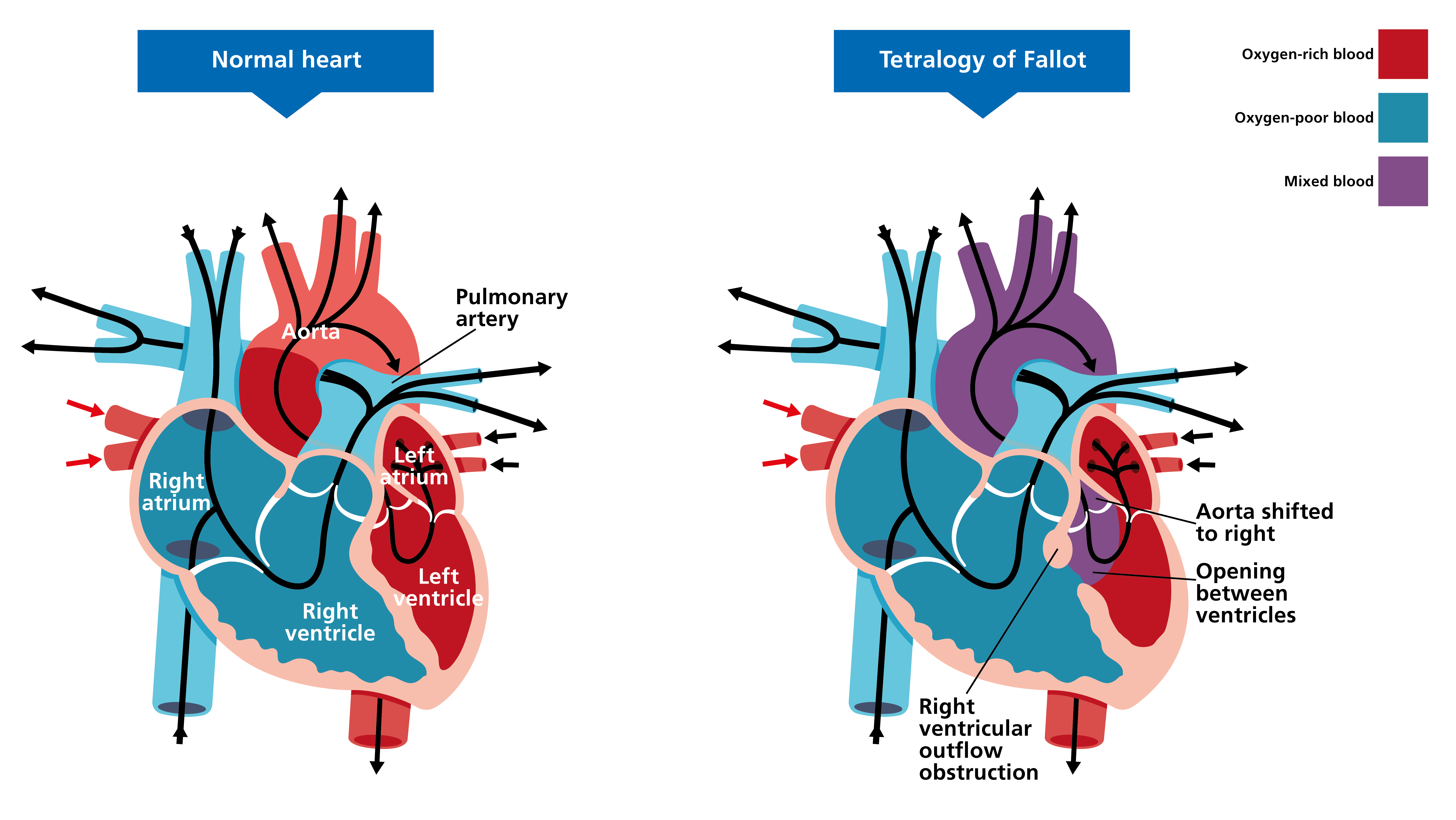
Understanding anatomical and physiological complexities, such as those involved in Tetralogy of Fallot, often benefits immensely from visual aids. Interactive visualizations and 3D models transform static textbook diagrams into dynamic, explorable environments. Applications leveraging augmented reality (AR) and virtual reality (VR) can allow users to “walk inside” a heart affected by TOF, observe the four characteristic defects in real-time, and understand how they impact blood flow.
These tools are invaluable for medical students learning intricate surgical procedures, for doctors explaining conditions to patients, and for patients themselves seeking a deeper grasp of their diagnosis. By manipulating a 3D model, zooming in on specific areas, or animating the cardiac cycle, users can develop a spatial and functional understanding that simple text or 2D images cannot provide. This immersive learning experience significantly enhances comprehension and retention of complex medical details.
Telehealth and Digital Consultations
While not directly answering “what is X” in the traditional sense, telehealth platforms are critical in bridging the information gap for complex conditions. These technologies connect patients and caregivers directly with medical professionals for personalized explanations, second opinions, and follow-up guidance, all from the comfort of their homes. For a condition like Tetralogy of Fallot, where nuanced information and emotional support are often required, a digital consultation can provide tailored answers and clarity that generic online searches might miss.
Telehealth platforms facilitate secure video calls, messaging, and remote monitoring, ensuring continuous access to expert advice. This is particularly beneficial for individuals in remote areas or those with mobility challenges, democratizing access to specialized medical knowledge that might otherwise be out of reach. These consultations allow for a personalized interpretation of complex medical facts, translating general information into specific, actionable advice for an individual’s unique situation.
Health Tracking and Monitoring Apps
While their primary function is often data collection and management, many health tracking and monitoring apps integrate robust educational content that directly contributes to understanding specific conditions. For individuals with, or at risk of, conditions like Tetralogy of Fallot, these apps might offer modules explaining the condition in detail, provide medication reminders with information on drug interactions, or track symptoms that can then be reviewed with a clinician.
Some apps go further, offering personalized insights based on aggregated data, helping users understand how their lifestyle choices or adherence to treatment plans impact their condition. By presenting information within the context of an individual’s personal health journey, these apps make complex medical facts more relevant and engaging. They empower users to become active participants in managing their health, providing them with both the tools to monitor their well-being and the knowledge to understand the underlying medical principles.
The Ethical Imperative: Ensuring Accuracy and Accessibility in Digital Health Information
As technology democratizes access to information on complex subjects, particularly in healthcare, it simultaneously introduces critical ethical challenges. Ensuring the accuracy, reliability, and equitable access to digital health information is paramount, transforming the role of technology from a mere conduit into a responsible curator of knowledge.
Combating Misinformation through Algorithmic Curation
The digital landscape, while vast, is also rife with misinformation, particularly concerning health. For a sensitive topic like Tetralogy of Fallot, inaccurate information can have severe consequences. Technology plays a dual role here: it can unfortunately spread falsehoods rapidly, but it also offers powerful tools to combat them. Algorithmic curation, utilizing advanced AI and machine learning, is increasingly employed by search engines and social media platforms to identify, flag, and deprioritize unreliable sources.
This involves complex analyses of source credibility, fact-checking against established medical authorities, and monitoring user engagement patterns to detect viral misinformation. The goal is to ensure that when someone searches “what is Tetralogy of Fallot,” they are consistently presented with scientifically sound and medically verified information. This ongoing technological battle against misinformation is crucial for maintaining public trust and ensuring that digital knowledge acquisition is not just convenient but also safe and dependable.
User Experience (UX) and Accessibility Design
Access to complex health information is meaningless if it cannot be understood or utilized by diverse populations. This is where user experience (UX) and accessibility design become critical ethical considerations. UX design aims to make digital interfaces intuitive, clear, and engaging, ensuring that information on topics like Tetralogy of Fallot is presented in an easily digestible format, regardless of the user’s technical proficiency or prior knowledge. This includes logical navigation, clear language, appropriate visual hierarchies, and multimedia integration.
Accessibility design goes a step further, ensuring that content is usable by individuals with disabilities. This means implementing features like screen reader compatibility, adjustable font sizes, high-contrast modes, and alternative text for images. For complex medical topics, it’s an ethical imperative that the information is accessible to everyone, including those with visual, auditory, or cognitive impairments. Technology must be designed inclusively, breaking down not just knowledge barriers but also physical and sensory ones, to truly democratize health literacy.
Data Privacy and Security in Health Tech
The use of advanced technology for personalized health information and digital consultations inevitably involves the handling of sensitive personal and medical data. Therefore, robust data privacy and security measures are not just technical requirements but fundamental ethical obligations. Platforms providing information or services related to conditions like Tetralogy of Fallot must adhere to stringent regulations (e.g., HIPAA in the US, GDPR in Europe) to protect user confidentiality.
This involves implementing end-to-end encryption, secure data storage, strict access controls, and transparent privacy policies. Users must be assured that their queries, personal health information, and interactions with health tech platforms are protected from breaches and misuse. As technology continues to integrate deeper into personal health management, safeguarding privacy and securing data becomes the cornerstone of trustworthy digital health solutions, fostering an environment where individuals feel safe to seek and share information on even the most sensitive health concerns.

Conclusion
The journey to understand a complex query like “What is Tetralogy of Fallot?” has been fundamentally transformed by technology. What was once the domain of specialized textbooks and limited expert consultations has evolved into a dynamic, accessible, and increasingly personalized digital experience. From the sophisticated algorithms powering our search engines and the interpretive capabilities of Natural Language Processing to the immersive experiences of 3D models and the personalized guidance of adaptive learning platforms, technology has become the indispensable scaffold upon which modern knowledge acquisition rests.
Yet, this revolution is not without its responsibilities. The power to democratize information carries with it the ethical imperative to ensure accuracy, combat misinformation, and design for universal accessibility. As we continue to refine these tools, the focus must remain on human-centered innovation—ensuring that technology serves not just to answer questions, but to foster genuine understanding, empower informed decisions, and ultimately, enhance global health literacy. The digital age promises not just information, but enlightenment, turning every “What is X?” into an opportunity for profound learning and greater well-being.
aViewFromTheCave is a participant in the Amazon Services LLC Associates Program, an affiliate advertising program designed to provide a means for sites to earn advertising fees by advertising and linking to Amazon.com. Amazon, the Amazon logo, AmazonSupply, and the AmazonSupply logo are trademarks of Amazon.com, Inc. or its affiliates. As an Amazon Associate we earn affiliate commissions from qualifying purchases.