
In the intricate tapestry of professional life, few behaviors are as subtly corrosive yet profoundly impactful as sycophancy. Often dismissed as mere flattery or politeness, sycophancy, at its core, is a strategic act of obsequiousness designed to gain personal advantage, usually at the expense of truth, authenticity, and ultimately, genuine progress. For individuals striving to build a reputable personal brand and for organizations aiming to cultivate a strong, trusted corporate identity, understanding and mitigating sycophancy is not just beneficial—it is critical. This phenomenon doesn’t merely affect interpersonal dynamics; it fundamentally reshapes perceptions, distorts decision-making, stifles innovation, and can irrevocably damage the very essence of a brand.

A personal brand is built on credibility, integrity, and authenticity. A corporate brand thrives on trust, transparency, and a culture that values diverse perspectives. Sycophancy directly undermines all these pillars. When ‘yes-men’ and ‘yes-women’ populate an organization, leaders are fed filtered, often sugar-coated, information, leading to flawed strategies and a disconnect from reality. For individuals, a reputation for sycophancy can be a career killer, marking one as untrustworthy and lacking substance. This article delves into the nature of sycophancy, its insidious effects on personal and corporate branding, and strategies to foster environments where genuine contribution triumphs over superficial allegiance.
Defining the Sycophant in the Professional Sphere
To effectively combat sycophancy, we must first understand what it is and how it manifests in professional settings. It’s more than just being agreeable; it’s a calculated performance.
The Characteristics of Professional Sycophants
A sycophant is not merely someone who offers praise or encouragement. Their praise is often disproportionate, insincere, and primarily self-serving. Key characteristics include:
-
Excessive Flattery: Offering compliments that are overly effusive, unwarranted, or generic, especially to those in positions of power.
-
Unquestioning Agreement: Rarely challenging ideas or decisions from superiors, even when they may be flawed or controversial. They actively avoid dissent.
-
Anticipation of Needs: Going to extreme lengths to anticipate and fulfill the needs or desires of a superior, often exceeding typical professional duties.
-
Blame Shifting: Protecting themselves by deflecting blame onto others when things go wrong, especially if it could implicate their superior.
-
Self-Promotion through Others: Positioning themselves as loyal allies to powerful individuals, leveraging that association for personal gain rather than showcasing their own merits.
-
Information Control: Filtering or spinning information to present a favorable picture to superiors, often omitting inconvenient truths.
Sycophancy thrives in environments where power is highly concentrated, feedback mechanisms are weak, and personal advancement is perceived to be more dependent on pleasing superiors than on demonstrating genuine competence or results. It is a strategic social behavior aimed at garnering favor, protection, and opportunities.
Differentiating Sycophancy from Genuine Support
It’s crucial to distinguish between sycophancy and legitimate, constructive support or appreciation. Genuine support is characterized by:
-
Authenticity: Praise is sincere, specific, and earned.
-
Constructive Feedback: Willingness to offer honest, even critical, feedback when necessary, tempered with respect and a desire for improvement.
-
Integrity: Actions are guided by ethical principles and a commitment to the organization’s best interests, not just personal gain.
-
Merit-Based Recognition: Earning respect and advancement through demonstrated competence, hard work, and valuable contributions.
The true test lies in the motivation and the consequence. Is the behavior aimed at genuinely helping the team or leader succeed, or is it primarily a mechanism for the individual’s self-advancement, regardless of the objective truth or impact on others?
The Erosion of Personal Brand: Authenticity Under Threat
For an individual, cultivating a strong personal brand is about projecting competence, reliability, and integrity. Sycophancy directly undermines these qualities, leading to a diminished professional identity.
Diminished Credibility and Trust
When an individual is perceived as a sycophant, their words and actions lose weight. Colleagues and even superiors (who might initially enjoy the flattery) eventually recognize the pattern. This leads to:
-
Loss of Trust: Others question the sincerity of their contributions and commitments. They are seen as unreliable sources of honest opinion or feedback.
-
Reduced Influence: Their ideas and suggestions are devalued because they are perceived as being tailored to please, rather than being genuinely insightful or strategically sound.
-
Reputational Damage: Being labeled a “yes-man” or “sycophant” can be a permanent stain on one’s professional reputation, making it harder to earn respect or secure future opportunities that require independent thought and leadership. A personal brand built on sycophancy is fragile and lacks substance, making it impossible to weather criticism or challenging situations without cracking.
The Stifling of Personal Growth and Innovation
A sycophantic mindset prevents individuals from engaging in critical thinking, questioning assumptions, or taking calculated risks. This has profound implications for personal development:
-
Lack of Critical Skill Development: By constantly agreeing, one misses opportunities to hone analytical skills, debate effectively, or develop resilience in the face of disagreement.
-
Hindered Innovation: True innovation often requires challenging the status quo, which sycophants are unwilling to do. They become followers rather than innovators, limiting their career trajectory and creative output.
-
Emotional Labor and Burnout: Maintaining a facade of constant agreement and admiration can be emotionally draining, leading to burnout and a lack of genuine satisfaction in one’s work. The “performance” aspect detracts from authentic engagement and purpose.
Ultimately, a personal brand built on sycophancy is a hollow one. It may offer short-term gains but inevitably leads to a professional life devoid of true impact, respect, or fulfillment.
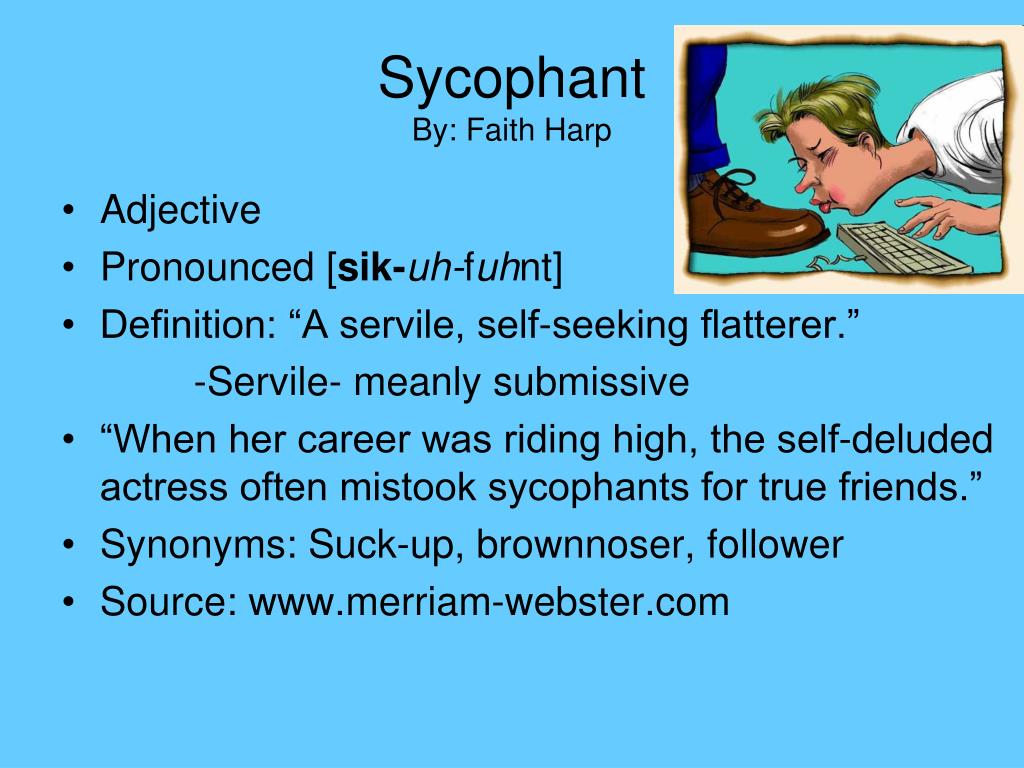
Corporate Identity in Peril: When Flattery Fails Leadership
The dangers of sycophancy extend far beyond individual careers, posing significant threats to an organization’s corporate identity, strategic decision-making, and overall health. A corporate brand is a promise—a promise of quality, integrity, and innovation. Sycophancy breaks that promise from within.
Distorted Reality and Poor Decision-Making
Leaders surrounded by sycophants operate in an echo chamber, cut off from crucial information and diverse perspectives. This insulation leads to:
-
Information Asymmetry: Key issues, challenges, and ground-level realities are sugar-coated or entirely omitted to avoid displeasing superiors. Leaders receive an incomplete or misleading picture.
-
Flawed Strategy: Without accurate information and dissenting viewpoints, strategic decisions become based on incomplete data, leading to missteps, missed opportunities, and ultimately, competitive disadvantage. The brand promises one thing, but internal decisions undermine its delivery.
-
Stifled Innovation: Innovation thrives on challenging existing norms and exploring new ideas. Sycophantic cultures punish dissent, ensuring that revolutionary ideas or necessary criticisms never reach the decision-makers. The brand becomes stagnant and predictable.
Erosion of Trust and Toxic Culture
Sycophancy creates a deeply unhealthy and demotivating work environment, directly impacting the corporate brand’s internal and external perception.
-
Internal Discord: Employees witness sycophantic behavior rewarded, leading to resentment, cynicism, and a feeling that merit is not valued. This erodes morale and fosters a “who you know” over “what you know” mentality.
-
High Turnover: Talented and principled employees are unlikely to thrive in such an environment. They will seek organizations where their contributions are genuinely valued and where authentic feedback is encouraged, leading to a brain drain and a damaged employer brand.
-
Public Relations Crises: Without honest internal feedback, potential crises can go unaddressed until they erupt publicly, causing immense reputational damage. Remember companies that failed due to internal blind spots—these are often symptoms of a sycophantic culture where bad news never travels up.
A corporate brand that fosters or tolerates sycophancy is a brand built on a foundation of sand, vulnerable to internal rot and external pressures. It projects an image of superficiality and lacks the resilience needed to adapt and succeed.
Cultivating a Culture of Candor: Building Resilient Brands
The antidote to sycophancy is a culture of candor, psychological safety, and genuine accountability. Leaders play the most crucial role in shaping an environment where truth is valued above blind allegiance.
Leadership by Example: Encouraging Authentic Dialogue
Leaders must actively demonstrate and reward authentic communication. This involves:
-
Seeking Dissent: Actively solicit differing opinions and constructive criticism. Frame disagreements as opportunities for improvement rather than challenges to authority. Ask questions like, “What am I missing here?” or “What are the potential downsides?”
-
Rewarding Honesty: Publicly acknowledge and reward individuals who offer challenging but well-reasoned perspectives, even if their views differ from your own. This sends a powerful message that candor is valued.
-
Practicing Self-Correction: Admit mistakes publicly and demonstrate a willingness to change course based on new information or feedback. This vulnerability builds trust and encourages others to be equally open.
-
Establishing Clear Values: Embed values like integrity, transparency, and accountability into the core of the corporate identity. These values should be consistently communicated and reinforced through actions, not just words.
Implementing Structures for Genuine Feedback
Beyond leadership example, systemic changes can help institutionalize a culture of candor:
-
360-Degree Feedback: Implement robust feedback systems that allow input from peers, subordinates, and superiors. Ensure these systems are anonymous and designed to provide constructive criticism, not just praise.
-
Open Door Policies with Purpose: An open-door policy is only effective if employees genuinely feel safe using it. Leaders must actively listen without defensiveness and demonstrate that feedback, even critical, leads to consideration and, where appropriate, action.
-
Anonymous Feedback Channels: Provide secure, anonymous channels for employees to voice concerns, suggest improvements, or report unethical behavior without fear of reprisal.
-
Debate and Devil’s Advocate Roles: Formalize processes where critical analysis and debate are encouraged before major decisions. Assigning a “devil’s advocate” ensures that assumptions are tested and potential pitfalls are identified.
-
Training in Constructive Confrontation: Equip employees and leaders with the skills to deliver and receive feedback effectively, focusing on issues and behaviors rather than personal attacks.
By proactively designing systems and fostering a culture that prioritizes truth and intellectual honesty, organizations can build a corporate brand synonymous with strength, resilience, and genuine innovation.
Long-Term Ramifications: Brand Reputation and Trust
The long-term effects of sycophancy extend far beyond internal dynamics, fundamentally impacting a brand’s reputation and its ability to build and maintain trust with all stakeholders.
External Perceptions and Stakeholder Confidence
A corporate brand’s external image is inextricably linked to its internal culture.
-
Loss of Market Confidence: When poor decisions stemming from sycophantic leadership lead to product failures, financial instability, or ethical breaches, market confidence erodes. Investors, customers, and partners become wary of a brand perceived as out of touch or internally dysfunctional.
-
Damaged Employer Brand: In an era of increasing transparency, news of toxic work environments travels fast. A brand known for fostering sycophancy will struggle to attract top talent, as high-performing individuals seek environments where their contributions are valued and their voices heard. This creates a vicious cycle of mediocrity.
-
Public Scrutiny and PR Crises: Eventually, the disconnect between a company’s proclaimed values and its actual internal culture becomes apparent. This often manifests as public scandals, ethical lapses, or product recalls that severely damage reputation and require extensive, costly PR rehabilitation.

The True Cost of Blind Allegiance
The ultimate cost of sycophancy is the loss of genuine trust—both internally among employees and externally with customers, partners, and the public. Trust is the bedrock of any strong brand. Without it, a brand is merely a logo and a set of empty promises.
-
Stagnation and Irrelevance: Brands that cannot adapt due to a lack of honest feedback inevitably become stagnant and irrelevant in dynamic markets.
-
Ethical Lapses: Cultures that prioritize pleasing superiors over ethical conduct are fertile ground for corruption and misconduct, leading to severe legal and reputational consequences.
-
Loss of Legacy: For a brand, its legacy is built on its impact, its integrity, and its enduring value. A legacy tainted by sycophancy is one marked by missed opportunities, internal strife, and a failure to live up to its potential.
In conclusion, sycophancy is far more than a personality quirk; it is a profound threat to personal and corporate branding. It corrodes authenticity, distorts reality, and ultimately undermines the trust essential for any brand to thrive and endure. By understanding its manifestations, acknowledging its dangers, and actively cultivating a culture of candor, transparency, and genuine feedback, leaders can fortify their brands against this insidious force, ensuring a future built on truth, integrity, and authentic success.
aViewFromTheCave is a participant in the Amazon Services LLC Associates Program, an affiliate advertising program designed to provide a means for sites to earn advertising fees by advertising and linking to Amazon.com. Amazon, the Amazon logo, AmazonSupply, and the AmazonSupply logo are trademarks of Amazon.com, Inc. or its affiliates. As an Amazon Associate we earn affiliate commissions from qualifying purchases.