
In the dynamic world of sales and business, motivation is the bedrock of success. While regular commissions and salaries form the stable foundation of compensation, businesses often seek nimble, impactful tools to ignite immediate performance. One such powerful, yet often misunderstood, financial instrument is the “spiff.” Far from a mere buzzword, a spiff is a strategic monetary incentive designed to drive specific, short-term sales objectives, directly influencing both business profitability and individual earning potential. Understanding its mechanics, financial rationale, and implications is crucial for anyone operating within the sphere of sales, business finance, or personal wealth accumulation.

At its heart, a spiff represents a direct financial reward, distinct from standard compensation, given to a salesperson, reseller, or even an affiliate for meeting a particular, often temporary, sales target or promoting a specific product. This incentive is not just about boosting numbers; it’s a finely tuned financial lever used to achieve precise business outcomes, making it a critical component of a comprehensive financial strategy for sales-driven organizations.
The Core Concept of a Spiff in Business Finance
The genesis of a spiff lies in its ability to offer an immediate, tangible financial reward for specific actions. Unlike a traditional commission, which is often a percentage of sales and forms a regular part of a salesperson’s income, a spiff is typically an additional, one-off bonus tied to a particular product, service, or sales milestone. This distinction is vital for businesses meticulously managing their finance and for individuals optimizing their personal income strategies.
Defining Spiffs: Beyond the Basic Commission
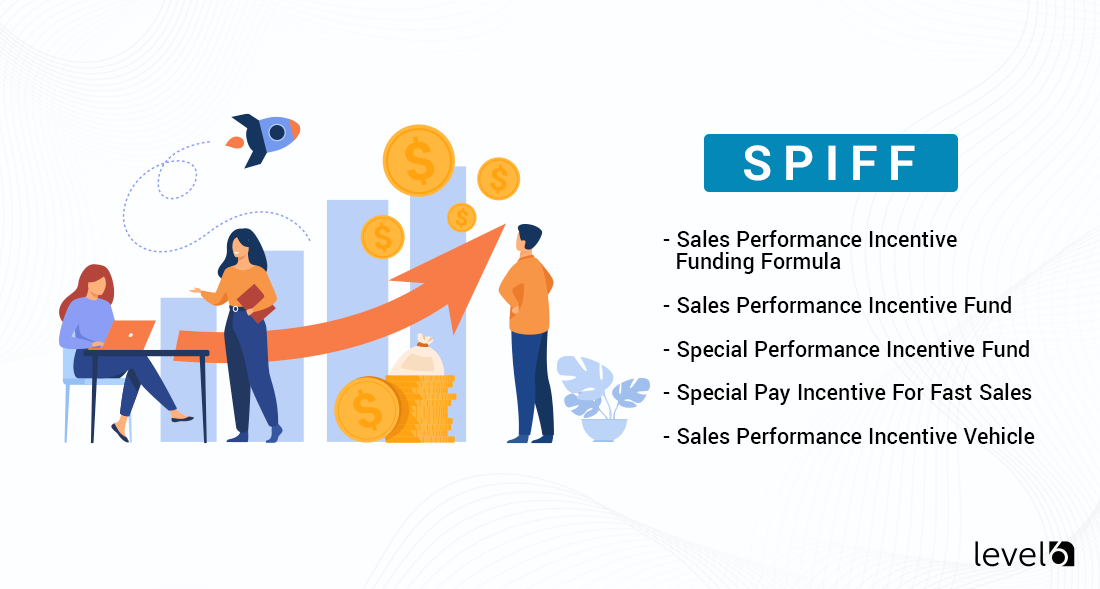
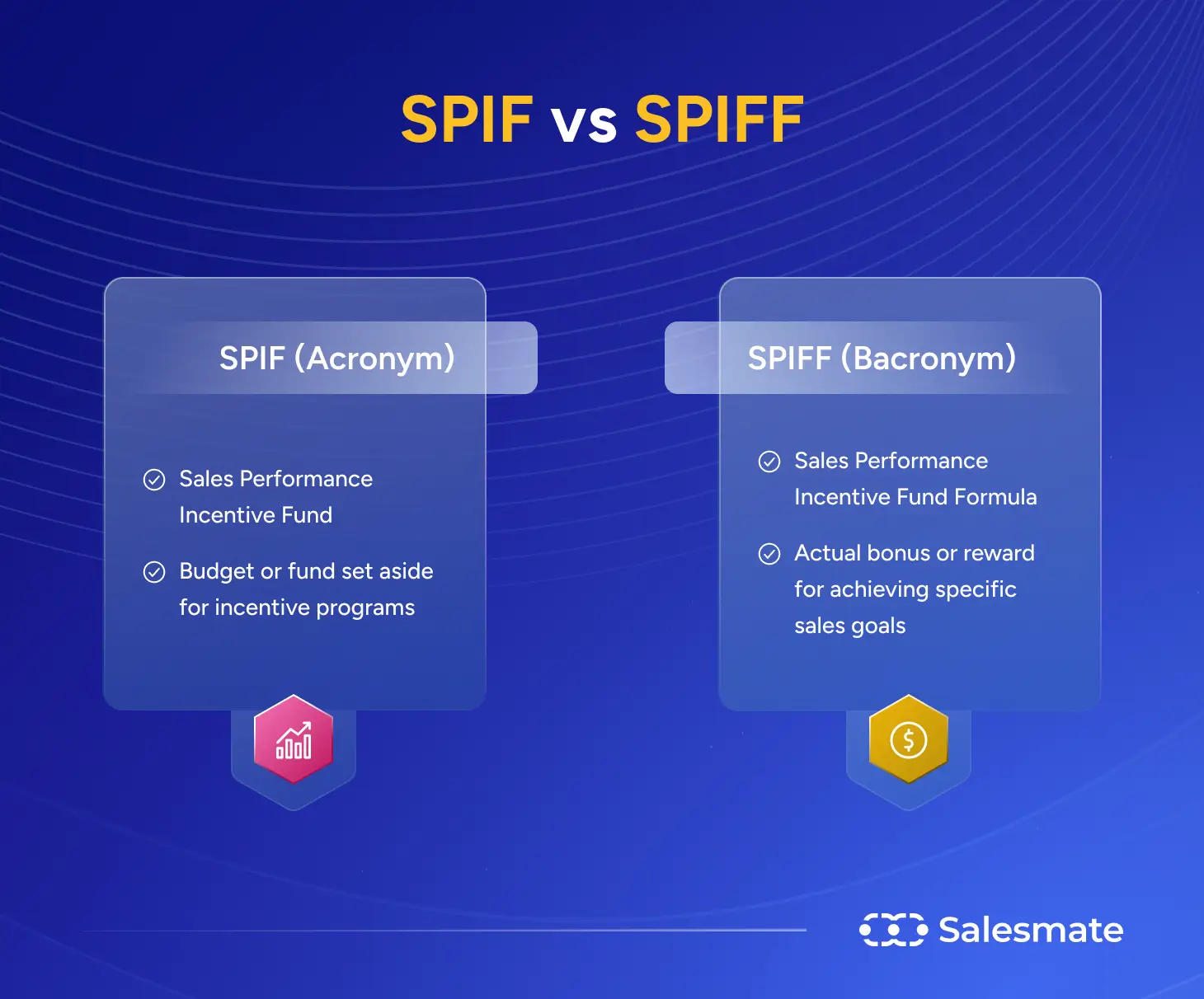
A spiff, often an acronym for “Special Performance Incentive Fund” or “Sales Performance Incentive Fund,” is a discretionary bonus paid out quickly to incentivize short-term sales goals. Imagine a scenario where a company needs to clear excess inventory of a particular model, launch a new product with immediate market penetration, or boost sales during a slow season. Standard commissions might not provide the urgency required. This is where a spiff shines. It’s an extra dollar amount, or sometimes a gift card, awarded in addition to regular commission or salary, solely for the achievement of a defined, often aggressive, goal. From a business finance perspective, it’s a targeted expenditure designed to yield an immediate, measurable return. For a salesperson, it represents an opportunity for accelerated personal finance growth beyond their regular earnings trajectory.
How Spiffs Operate: Mechanics and Trigger Points
The operational mechanics of a spiff program are designed for clarity and promptness, directly linking effort to financial reward. Typically, a company will announce a spiff for a specific period (e.g., “sell X product this month and receive an extra $50 per unit”). The trigger point is explicit: successful sale of the designated item. Once the sale is verified, the spiff is usually paid out quickly—often weekly or bi-weekly—rather than waiting for the end-of-month or quarterly payroll cycle. This rapid disbursement of funds is a key psychological motivator, reinforcing the desired behavior almost immediately.
From a financial accounting standpoint, spiffs are treated as a variable selling expense. They must be carefully budgeted and tracked to ensure they deliver a positive return on investment (ROI). Effective spiff programs require robust financial tracking systems to monitor sales achievements against payouts, ensuring transparency and fairness, which are paramount for maintaining team morale and avoiding financial disputes.
The Financial Rationale: Why Businesses Use Spiffs
For businesses, the decision to implement a spiff program is a strategic financial one. The primary rationale revolves around achieving specific, often time-sensitive, financial objectives.
-
Inventory Management: To liquidate slow-moving stock or clear out discontinued models, preventing capital from being tied up indefinitely. This frees up cash flow, a crucial aspect of business finance.
-
New Product Launches: To generate initial traction and enthusiasm for a new offering, quickly building market share and revenue streams.
-
Seasonal Boosts: To counteract seasonal dips in sales or capitalize on peak periods, ensuring consistent revenue generation throughout the year.
-
Margin Protection: While a spiff adds to the cost of sales, it can be designed to push higher-margin products, thereby increasing overall profitability despite the added incentive.
-
Channel Partner Motivation: Spiffs extend beyond internal sales teams, motivating external resellers, distributors, and even affiliate partners to prioritize a company’s products.
In each scenario, the financial investment in a spiff is weighed against the potential revenue generation, inventory reduction, or market penetration achieved. A well-designed spiff program can demonstrate a significant positive ROI, making it a powerful financial tool in a company’s arsenal.
Spiffs as a Driver for Online Income and Sales Performance
The digital age has not diminished the relevance of spiffs; if anything, it has amplified their potential, making them a significant driver for online income and a critical component of digital sales strategies. Businesses operating in e-commerce, software-as-a-service (SaaS), and digital products leverage spiffs to cut through the noise and directly incentivize online sales performance.
Boosting E-commerce Sales and Digital Products
In the highly competitive e-commerce landscape, businesses face the challenge of attracting and converting customers in a crowded market. Spiffs can be deployed to motivate internal e-commerce sales teams, customer service representatives who up-sell, or even external marketing partners to drive specific product sales. For instance, an online retailer might offer a spiff for selling a particular bundle of products, or a software company might reward its sales development reps for securing trials of a new feature. These incentives provide an immediate financial push, encouraging front-line personnel to actively promote and close sales for targeted digital goods or services, directly impacting online revenue streams. The rapid measurability of online sales data also allows for quick evaluation of a spiff’s financial effectiveness.
Affiliate Marketing and Spiff-like Structures
The concept of a spiff finds a natural parallel and significant application within the realm of affiliate marketing. While standard affiliate commissions are akin to regular sales commissions, many affiliate programs incorporate spiff-like bonuses for achieving specific performance tiers or promoting particular products during limited-time campaigns. For instance, an affiliate might receive an extra flat bonus for driving X number of sign-ups for a specific service within a month, beyond their standard per-sale commission.
This direct financial incentive encourages affiliates to focus their marketing efforts, create targeted content, and push specific promotions, ultimately generating more sales for the business and increasing the affiliate’s online income. It’s a highly scalable model for distributing financial incentives across a vast network of online promoters, making it a critical strategy for businesses looking to expand their digital footprint without directly hiring a large sales force.
Measurable Impact: ROI on Sales Incentives
From a financial management perspective, the beauty of a well-executed spiff program lies in its measurable impact. Businesses can track precisely which products were sold due to the spiff, the associated revenue, and the direct cost of the incentive. This allows for a clear calculation of ROI. For example, if a company spends $1,000 in spiffs to generate $10,000 in additional sales of a product with a 50% gross margin, the net gain (before other operating costs) is $5,000 (margin) – $1,000 (spiff cost) = $4,000. This transparent financial analysis ensures that spiffs are not merely an expense but a strategic investment that yields tangible returns. The ability to quickly analyze these financial metrics allows businesses to adapt their incentive programs in real-time, optimizing for maximum profitability and sales efficiency.
Navigating Spiffs as an Earning Opportunity (Personal Finance & Side Hustles)
For individuals, spiffs represent more than just a bonus; they are a direct opportunity to accelerate personal finance goals, supplement regular income, and even build successful side hustles. Understanding how to identify, pursue, and manage spiff earnings is key to maximizing this financial avenue.
Maximizing Earnings for Sales Professionals
For dedicated sales professionals, spiffs are an integral part of their overall compensation strategy. Astute salespeople actively track current spiff programs, prioritize products or services with higher spiff potential, and adapt their sales pitches to capitalize on these incentives. This means understanding not just what the spiff is for, but also why the company is offering it, allowing for more strategic selling.
Integrating spiff targets into personal sales goals can significantly boost annual income. By consistently hitting these specific targets, a salesperson can turn what might seem like sporadic bonuses into a reliable and substantial addition to their personal finance portfolio. This proactive approach to earning requires discipline, strong product knowledge, and an understanding of the incentive structure.
Spiffs in the Gig Economy and Side Hustles
The concept of a spiff extends naturally to the burgeoning gig economy and various side hustles. Many direct sales companies, multi-level marketing (MLM) organizations, and even some referral programs offer spiff-like bonuses for recruiting new members, hitting specific sales volumes, or selling particular starter kits within a defined period.
For individuals looking to generate online income or supplement their main job through side hustles, these spiffs can be powerful motivators. A delivery driver might get a bonus for signing up new customers for a service, or a peer-to-peer lender might receive an extra payment for referring a certain number of successful borrowers. These opportunities, while often smaller in individual amounts, can aggregate into meaningful income streams, directly contributing to one’s personal finance objectives, such as paying down debt or saving for a large purchase.
Tax Implications and Financial Planning for Spiff Earnings
While spiffs are exciting financial boosts, it’s crucial to remember that they are taxable income. From a personal finance perspective, recipients must account for these earnings when filing taxes. Companies typically report spiffs as part of an employee’s W-2 or an independent contractor’s 1099-NEC.
Sound financial planning involves setting aside a portion of spiff earnings for taxes, rather than spending the entire amount immediately. For those with significant spiff income, especially in side hustles, estimated tax payments may be necessary. Consulting with a financial advisor or tax professional is highly recommended to ensure compliance and optimize tax strategies, preventing any unwelcome financial surprises down the line. Proper financial management of spiff income is as important as earning it.
Designing and Managing Effective Spiff Programs (Business Finance & Financial Tools)
The success of any spiff program hinges on its design and meticulous financial management. For businesses, this involves more than just announcing a bonus; it requires strategic planning, precise budgeting, and the effective use of financial tools to ensure the program achieves its objectives without becoming a drain on resources.
Setting Clear Financial Targets and Payout Structures
The foundation of an effective spiff program is clarity in its financial targets and payout structure. Goals must be specific, measurable, achievable, relevant, and time-bound (SMART). For instance, “Sell 20 units of Product X by month-end for a $50 spiff per unit” is far more effective than “Sell more of Product X.” The payout structure should be easy to understand and transparent. Will it be a fixed amount per unit, a tiered bonus for hitting certain volumes, or a percentage of profit generated from the target product?
From a business finance perspective, the cost of the spiff must be carefully calculated against the expected revenue and profit gains. Overly generous spiffs can erode margins, while too low can fail to motivate. Finding that sweet spot requires analysis of product costs, selling prices, and desired profitability, ensuring the spiff is a financially viable investment, not just an expense.
Budgeting for Spiffs: Cost-Benefit Analysis
Incorporating spiffs into a company’s financial budget requires a thorough cost-benefit analysis. Businesses must project the potential cost of the spiff program based on anticipated success rates and compare it against the expected financial benefits, such as increased revenue, improved cash flow from inventory reduction, or enhanced market share. This financial scrutiny helps justify the investment and provides a framework for evaluating the program’s success.
Regular review of spiff program performance against budget is critical. Are the sales targets being met? Is the ROI positive? If not, adjustments to the spiff amount, product focus, or duration may be necessary. This agile approach to financial management ensures that resources are always deployed effectively to maximize profitability.
Leveraging Financial Tools for Spiff Administration
Managing spiff programs, especially in larger organizations or those with extensive sales networks, can be complex without the right financial tools. Modern sales performance management (SPM) software, customer relationship management (CRM) systems with integrated commission modules, and dedicated incentive management platforms are invaluable. These financial tools automate tracking of sales against spiff targets, calculate payouts accurately, and facilitate timely disbursement of funds.
Automated systems reduce administrative overhead, minimize errors, and ensure transparency, which is vital for trust and motivation. They provide real-time dashboards for sales leaders to monitor performance and for finance teams to track expenditures, making spiff administration efficient and financially accountable.
The Future of Sales Incentives: Spiffs in an Evolving Financial Landscape
As markets continue to evolve, so too must the strategies for motivating sales. Spiffs, in their adaptable nature, are well-positioned to remain a crucial financial incentive, albeit with continuous refinement to align with new business models and ethical considerations.
Adapting Spiffs for Digital-First Businesses
The shift towards digital-first businesses necessitates innovative approaches to sales incentives. Spiffs are increasingly being tied to digital metrics beyond direct sales, such as customer acquisition cost (CAC), lifetime value (LTV) of new customers, or successful onboarding rates for subscription services. Businesses in the SaaS and subscription economy might offer spiffs for securing multi-year contracts or for reducing churn rates, directly impacting long-term recurring revenue—a critical financial metric. The future will see spiffs become even more integrated into sophisticated financial models that account for the entire customer journey and its long-term profitability.
Ethical Considerations and Financial Transparency
As with any financial incentive, ethical considerations and transparency are paramount. Spiff programs must be clear, fair, and free from any ambiguity that could lead to misrepresentation or unethical selling practices. It’s crucial to ensure that spiffs motivate sales of products that genuinely benefit the customer, rather than merely pushing inventory for a bonus, which could damage brand reputation and lead to long-term financial repercussions.
Financial transparency in reporting and payout mechanisms builds trust within the sales force and among channel partners. Clear communication regarding how spiffs are earned, calculated, and paid out prevents disputes and fosters a positive, motivated selling environment, essential for sustained financial performance.
Integrating Spiffs with Broader Financial Performance Metrics
Ultimately, spiffs should not exist in a vacuum. They must be integrated into a company’s broader financial performance metrics and strategic objectives. This means understanding how spiffs contribute to overall revenue goals, profit margins, market share growth, and even employee retention (by boosting job satisfaction through higher earnings). Analyzing spiff effectiveness in conjunction with other financial indicators provides a holistic view of its value. By continuously optimizing spiff programs based on financial data and market trends, businesses can ensure that these powerful incentives remain a vital, financially sound tool for driving growth and motivating their sales engine in an ever-changing economic landscape.
aViewFromTheCave is a participant in the Amazon Services LLC Associates Program, an affiliate advertising program designed to provide a means for sites to earn advertising fees by advertising and linking to Amazon.com. Amazon, the Amazon logo, AmazonSupply, and the AmazonSupply logo are trademarks of Amazon.com, Inc. or its affiliates. As an Amazon Associate we earn affiliate commissions from qualifying purchases.