
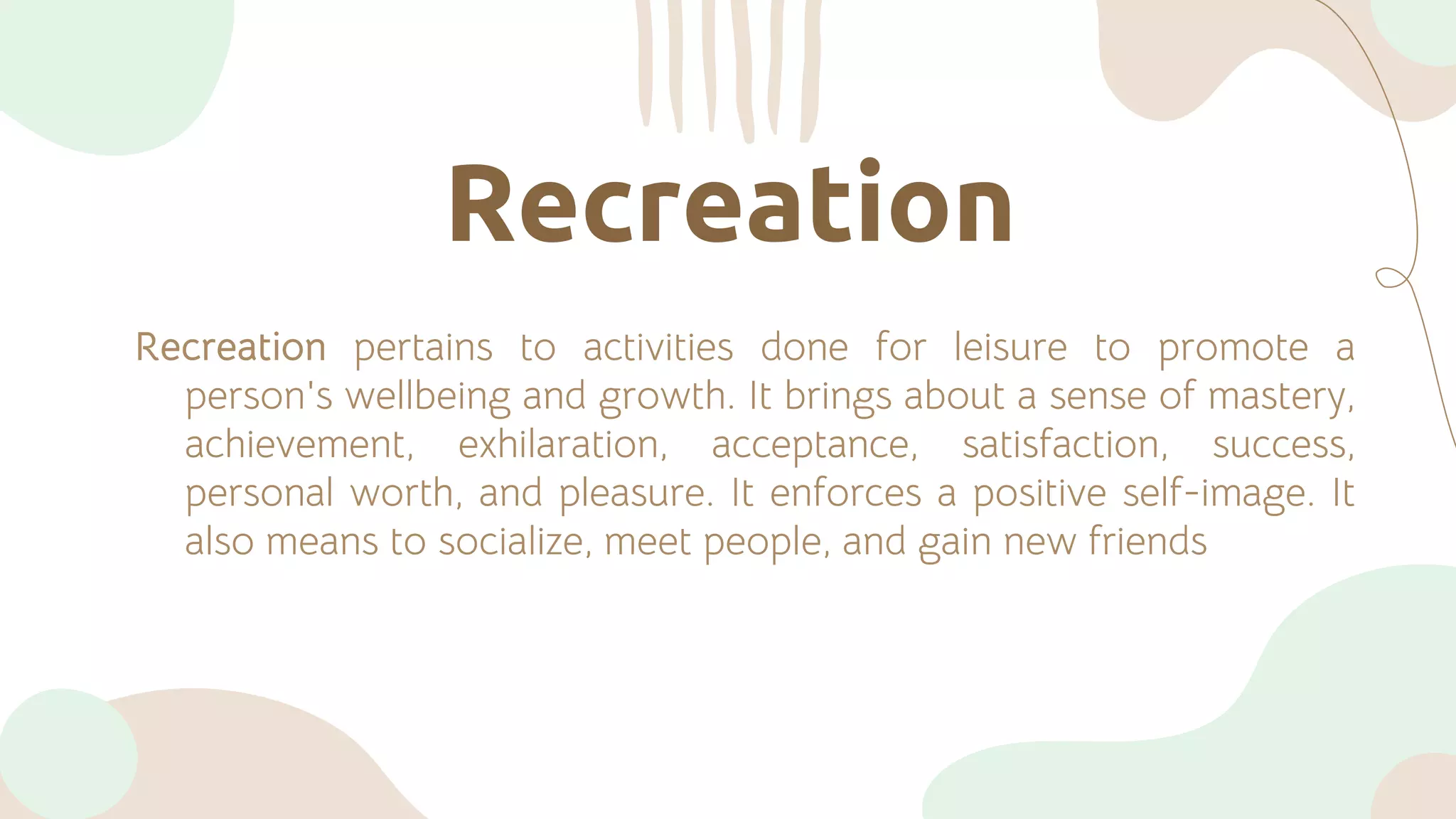
In its purest sense, “recreational” refers to activities engaged in for enjoyment, amusement, relaxation, or personal enrichment, distinct from work or necessary daily tasks. It encompasses the broad spectrum of human leisure, offering avenues for stress relief, social connection, physical activity, and creative expression. Historically, recreation has been defined by pursuits like sports, hobbies, reading, or social gatherings. However, in the 21st century, the landscape of what constitutes “recreational” has been profoundly and irreversibly transformed by technology. Today, to understand what recreational means is to understand its digital dimension, its virtual frontiers, and the myriad ways technology has not only augmented traditional leisure but also created entirely new forms of play, learning, and connection.

This article delves into the contemporary understanding of “recreational” by exploring its intricate relationship with technology. From the devices we use to unwind to the platforms that connect us in digital playgrounds, technology has become the primary enabler and often the very fabric of modern recreation. It has democratized access, personalized experiences, and fundamentally reshaped our engagement with leisure, making “recreational technology” an indispensable concept in defining our free time.
The Digital Evolution of Leisure and Play
The essence of recreation lies in escaping the mundane and engaging with activities that rejuvenate the spirit. Technology has not just facilitated this escape; it has often become the escape itself, creating immersive environments and interactive experiences that redefine the boundaries of leisure.
From Passive Consumption to Interactive Engagement
Historically, much of recreation involved passive consumption: watching a play, listening to music, reading a book. While these forms persist, technology has injected an unprecedented level of interactivity into leisure. Streaming services, for instance, have evolved beyond simple content delivery to offer personalized recommendations, interactive narratives, and community features that allow viewers to engage actively with what they watch. Beyond entertainment, interactive platforms now enable recreational learning, collaborative creativity, and problem-solving in ways that were once unimaginable. This shift means that recreation is less about merely receiving stimuli and more about active participation and contribution, driven by intuitive interfaces and sophisticated algorithms.
The Rise of Virtual and Augmented Realities
Perhaps no technological frontier has impacted the concept of recreational as profoundly as virtual reality (VR) and augmented reality (AR). These technologies offer portals to experiences previously confined to imagination. VR transports users to meticulously crafted digital worlds for gaming, exploration, or even simulated travel, providing an unparalleled sense of presence and immersion. From battling fantastical creatures to exploring historical sites or even practicing mindfulness in serene virtual landscapes, VR redefines escapism. AR, on the other hand, overlays digital information onto the real world, enhancing our physical surroundings for recreational purposes. Games like Pokémon GO famously brought digital elements into public spaces, while AR filters and apps enrich social media interactions and creative exploration. These realities are not just about entertainment; they offer new modalities for storytelling, social interaction, and even therapeutic recreation, blurring the lines between the physical and the digital in our pursuit of enjoyment.
Social Connectivity in Recreation
Recreation has always had a strong social component, fostering community and shared experiences. Technology has amplified this aspect exponentially, creating vast digital arenas for social interaction and collaborative play. Online multiplayer games allow friends (and strangers) from across the globe to compete, cooperate, and build virtual communities together, transcending geographical barriers. Social media platforms, while often maligned, also serve as significant recreational hubs where individuals share hobbies, discuss interests, and organize real-world meetups based on shared digital passions. These platforms create a sense of belonging and provide outlets for expression, making recreational activities less solitary and more connected. The ability to instantly share achievements, experiences, and creative outputs reinforces the social fabric of modern recreation, transforming solitary leisure into shared digital narratives.
Technology as a Tool for Personal Enrichment and Skill Development
Recreation isn’t solely about passive entertainment; it’s also a powerful vehicle for personal growth, learning, and skill acquisition. Technology has democratized access to these enriching recreational pursuits, allowing individuals to cultivate new talents and expand their horizons from virtually anywhere.
Learning and Hobbies Digitized
The digital age has ushered in an era where almost any hobby or skill can be pursued and perfected online. Platforms offering online courses, from coding and graphic design to music production and foreign languages, allow individuals to learn at their own pace and convenience. Creative software for music composition, video editing, digital art, and 3D modeling transforms powerful professional tools into accessible recreational outlets. Hobbyists can now design their own video games, compose symphonies, or animate short films from their home computers. Furthermore, communities built around these digital tools provide peer support, feedback, and opportunities for collaborative projects, fostering a vibrant ecosystem for recreational learning and creativity. This democratization of tools and knowledge makes “recreational” synonymous with continuous personal and intellectual development.
Wellness and Fitness Tech
The pursuit of physical and mental well-being is a core recreational activity, and technology has revolutionized this domain. Wearable devices like smartwatches and fitness trackers provide real-time data on activity levels, sleep patterns, and heart rate, gamifying fitness goals and encouraging healthier habits. Smart gym equipment offers personalized workouts guided by AI, while meditation apps and virtual yoga studios bring mindfulness practices into our daily lives. From monitoring progress in a marathon to engaging in a virtual reality workout, technology makes wellness a more interactive, trackable, and engaging recreational pursuit. It allows individuals to take a proactive and informed approach to their health, turning exercise and mental self-care into integrated, data-driven recreational experiences.
Bridging Distances and Expanding Access
Technology has dramatically expanded access to recreational opportunities, especially for those in remote areas or with physical limitations. Online communities centered around niche hobbies connect enthusiasts globally, fostering a sense of belonging irrespective of geography. Virtual tours of museums, national parks, and international landmarks offer rich cultural and educational recreation without the need for travel. For individuals with disabilities, assistive technologies and specialized software open doors to recreational activities that might otherwise be inaccessible, promoting inclusivity and engagement. This capacity to bridge distances and overcome barriers ensures that the joys of recreation are more widely distributed, allowing more people to define their leisure in ways that suit their individual circumstances and interests.
The Gadgetry of Modern Recreation
At the heart of technological recreation lies an ever-evolving array of gadgets designed specifically to enhance our leisure time. These devices are not merely tools; they are often the objects of recreation themselves, embodying innovation and engineering ingenuity.
Drones, Robotics, and Smart Toys
The recreational drone market, for instance, has exploded, offering enthusiasts everything from beginner-friendly models for aerial photography to high-performance racing drones requiring significant skill to operate. These devices provide a unique blend of technical challenge, creative expression, and outdoor adventure. Similarly, hobbyist robotics kits and programmable smart toys engage users in recreational learning about engineering, coding, and problem-solving. These gadgets turn the act of playing into an educational journey, transforming passive consumers into active creators and innovators. The allure lies in the combination of cutting-edge technology and the satisfaction of mastering complex machinery for pure enjoyment.
Advanced Entertainment Systems
Our homes have become hubs of advanced recreational technology. High-definition televisions, surround sound systems, and sophisticated gaming consoles create immersive entertainment experiences that rival commercial venues. Streaming devices and smart home integration allow for seamless access to a vast library of films, music, and interactive content, all controllable through voice commands or intuitive interfaces. The concept of “home entertainment” has been elevated to an art form, with technology enabling hyper-personalized content delivery and a level of immersion that caters precisely to individual recreational preferences. These systems are designed not just for consumption but for an elevated, sensory-rich experience that makes leisure profoundly engaging.
Wearable Tech for Exploration
Beyond fitness, wearable technology has expanded into specialized areas for outdoor recreation and exploration. GPS-enabled smartwatches with advanced mapping capabilities guide hikers and adventurers through challenging terrains. Specialized sensors for sports like golf, cycling, or swimming provide detailed performance analytics, turning recreational activities into opportunities for measurable improvement. Action cameras capture breathtaking footage of extreme sports or scenic adventures, allowing enthusiasts to relive and share their experiences. These gadgets augment human capabilities, providing data, guidance, and creative outlets that deepen engagement with the natural world and push the boundaries of personal achievement in recreational pursuits.
Navigating the Challenges and Future of Recreational Technology
While technology has undeniably enriched the concept of recreation, its pervasive nature also presents new challenges and demands careful consideration as we look to the future.
Digital Well-being and Screen Time
The very tools that enhance recreation can also become sources of imbalance. Excessive screen time, digital addiction, and the constant barrage of notifications can detract from genuine relaxation and face-to-face social interaction. Understanding “recreational” in the digital age requires a mindful approach to technology use, promoting digital well-being practices, setting boundaries, and ensuring that tech-enhanced leisure remains a source of rejuvenation rather than exhaustion. The challenge lies in harnessing technology’s benefits without succumbing to its potential pitfalls, ensuring that recreation truly serves its purpose of refreshment and enjoyment.
Accessibility and Inclusivity
While technology has made recreation more accessible in many ways, a digital divide persists. Access to high-speed internet, expensive devices, and digital literacy remains unevenly distributed, potentially excluding certain demographics from the full spectrum of modern recreational opportunities. Ensuring that the benefits of recreational technology are available to everyone, regardless of socioeconomic status, location, or physical ability, is a critical ethical consideration. Future developments must prioritize inclusive design and affordable access to truly democratize the recreational landscape.
The Horizon: AI-Powered Recreation and Hyper-Personalization
Looking ahead, artificial intelligence (AI) is poised to further revolutionize recreation. AI can already generate personalized music playlists, curate highly relevant content, and power more sophisticated virtual companions and gaming experiences. We can anticipate AI creating hyper-personalized recreational experiences, from intelligent tutors for hobbies to dynamic, adaptive virtual worlds that respond uniquely to individual users. This could lead to unprecedented levels of engagement and customization, making recreational activities more tailored and responsive than ever before. However, it also raises questions about data privacy, algorithmic bias, and the potential for AI to influence our choices in ways we might not fully understand.
Conclusion
“What is recreational” in the 21st century is a question that finds its most comprehensive answer in the realm of technology. No longer confined to traditional pastimes, recreation has expanded into vast digital landscapes, enriched by interactive experiences, and made accessible through a myriad of devices and platforms. Technology has redefined leisure by offering new avenues for entertainment, personal growth, social connection, and creative expression. From immersive VR worlds to gamified fitness and AI-powered learning, the recreational experience is now intrinsically linked to our digital lives. As we continue to innovate, understanding and embracing the evolving role of technology in our leisure time will be key to unlocking ever more engaging, enriching, and personally fulfilling forms of recreation. The future of play, learning, and relaxation is undeniably digital, promising boundless opportunities for joy and connection, provided we navigate its complexities with thoughtfulness and purpose.
aViewFromTheCave is a participant in the Amazon Services LLC Associates Program, an affiliate advertising program designed to provide a means for sites to earn advertising fees by advertising and linking to Amazon.com. Amazon, the Amazon logo, AmazonSupply, and the AmazonSupply logo are trademarks of Amazon.com, Inc. or its affiliates. As an Amazon Associate we earn affiliate commissions from qualifying purchases.