
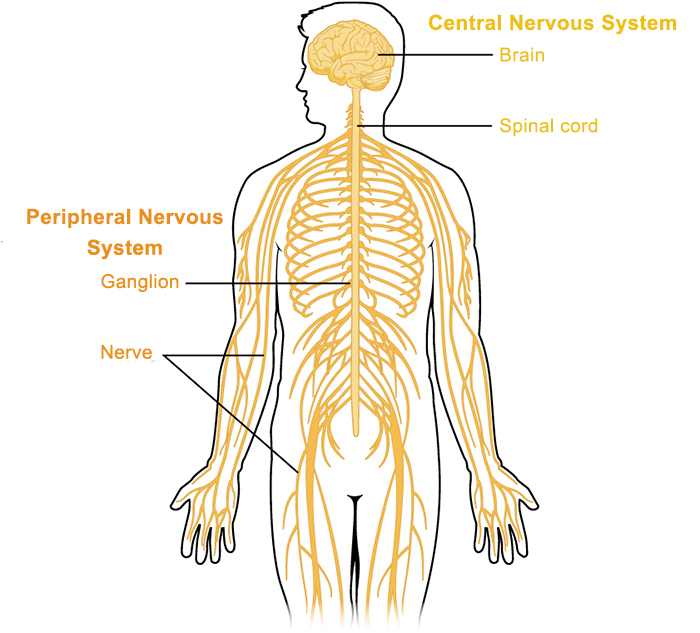
In the intricate architecture of modern enterprise technology, understanding the various components and their interconnected roles is paramount to operational success. Just as the human body relies on a complex nervous system to coordinate functions, a robust digital enterprise operates through a sophisticated network of interconnected systems. Within this “nervous system” of an organization’s IT infrastructure, a crucial yet often underappreciated segment plays a vital role: the Peripheral Network Solutions (PNS).
Far from being a mere appendage, Peripheral Network Solutions represent the critical conduits and endpoints that extend the core functionalities of an organization’s digital brain to its extremities. This article will delve into what PNS constitutes within the context of an enterprise’s IT nervous system, exploring its essential components, strategic importance, inherent challenges, and the future trajectory that is rapidly reshaping how businesses operate and innovate.
Decoding the Enterprise’s “Nervous System”: The IT Infrastructure
To fully grasp the significance of Peripheral Network Solutions, we must first contextualize them within the larger framework of an enterprise’s IT nervous system. This overarching infrastructure is a complex, dynamic entity comprising hardware, software, network resources, and human capital, all designed to facilitate data processing, communication, and operational efficiency.
The Central Nervous System Analogy: Core Data Centers and Cloud Infrastructure
Analogous to the human body’s central nervous system (brain and spinal cord), the core of an enterprise’s IT infrastructure encompasses its primary data centers, cloud environments (public, private, or hybrid), and centralized computing resources. This is where the heaviest processing occurs, mission-critical applications reside, and vast quantities of data are stored and managed. Think of it as the brain processing complex thoughts and the spinal cord relaying vital commands throughout the body.
Here, high-performance servers, robust storage area networks (SANs), virtualization platforms, and the underlying network fabric ensure seamless operation and high availability for core business processes. Cloud infrastructure, in particular, offers scalability, flexibility, and global reach, becoming the virtual “brain” that powers many modern enterprises, enabling them to adapt rapidly to changing demands and innovative solutions. The integrity and security of this core are non-negotiable, forming the bedrock upon which all other digital operations depend.
The Peripheral Nervous System Analogy: Edge Devices and Remote Connectivity
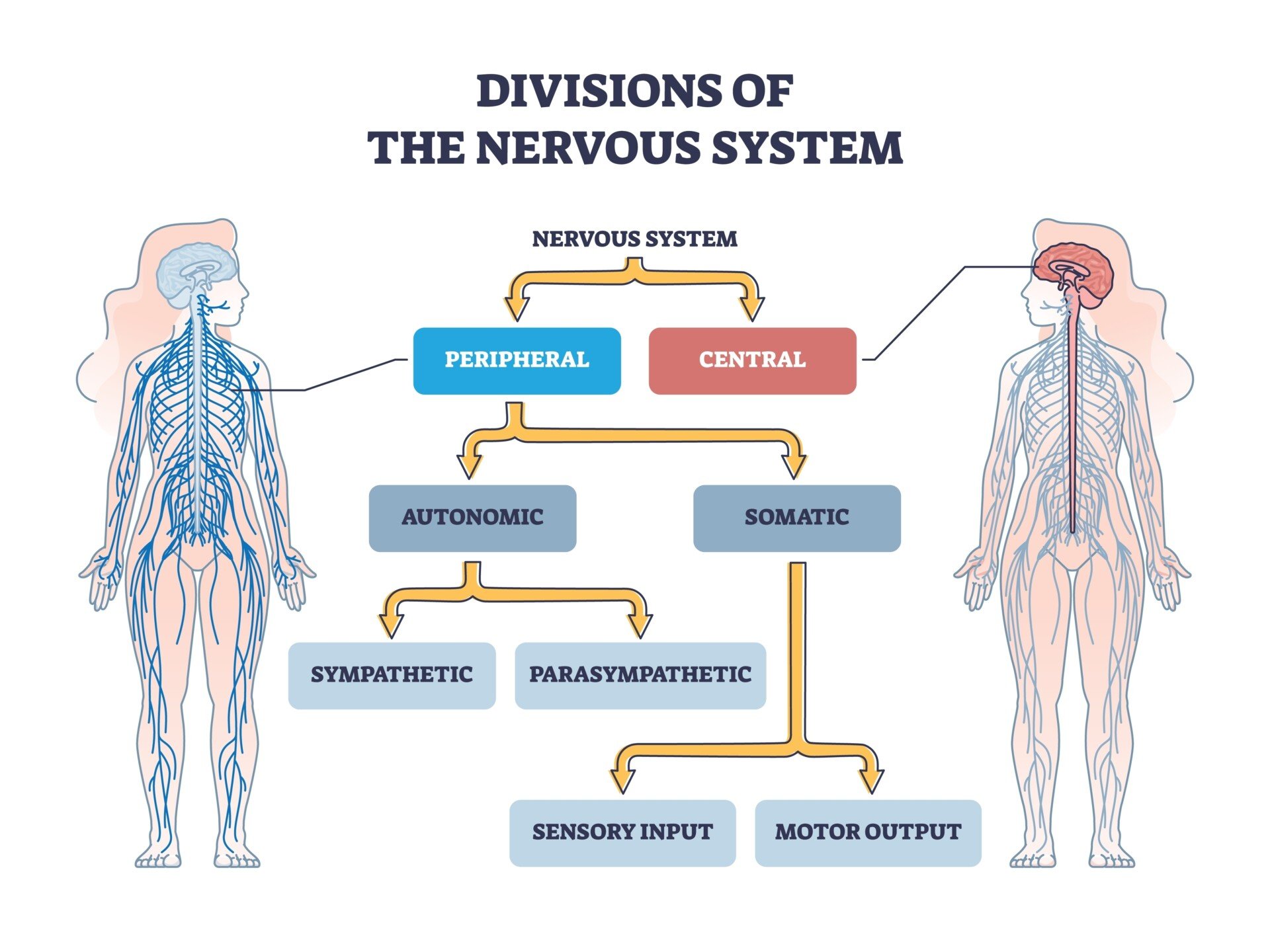
Extending outward from this central core are the Peripheral Network Solutions (PNS). If the central nervous system processes information, the PNS is responsible for gathering data from the environment and executing commands at the periphery. In the enterprise context, PNS refers to all the network components, devices, and connectivity solutions that operate at the “edge” of the core infrastructure. This includes remote offices, branch locations, IoT devices, user endpoints (laptops, mobile phones), specialized sensors, and local area networks (LANs) that connect these diverse elements.
PNS is the interface between the digital world and the physical world where business interactions, data generation, and operational activities truly happen. It’s the sensory organs and the motor neurons of the enterprise, collecting raw data, transmitting it to the core, and executing commands received from the core. Without an effective PNS, the central IT infrastructure would be isolated, unable to interact meaningfully with its environment or support its workforce and customer base effectively.
The Critical Role of Peripheral Network Solutions (PNS) in Modern Enterprises
In an era defined by digital transformation, distributed workforces, and the proliferation of IoT, the strategic importance of PNS cannot be overstated. It is no longer just about basic connectivity; it’s about intelligent, secure, and resilient operations at the very edges of the network.
Bridging the Digital Divide: Connecting Disparate Endpoints
PNS serves as the essential bridge connecting a multitude of disparate endpoints to the core network. From a retail store’s point-of-sale systems and inventory sensors to a manufacturing plant’s machinery and an employee’s home office setup, PNS ensures that all these nodes can communicate effectively and securely with the central data repositories and applications. This seamless connectivity is vital for maintaining a unified operational view, enabling data synchronization, and supporting distributed business processes across geographical boundaries.
Enhancing Data Collection and Real-time Processing at the Edge
The explosion of data from IoT devices, sensors, and smart infrastructure demands processing capabilities closer to the source. PNS facilitates edge computing, allowing for immediate analysis and action on data without the latency involved in sending everything back to a central data center. This capability is critical for applications requiring real-time responses, such as autonomous vehicles, smart factories, patient monitoring in healthcare, or dynamic pricing in retail. By processing data at the edge, PNS significantly reduces bandwidth consumption, improves response times, and enables more agile decision-making.
Supporting Distributed Workforces and Remote Operations
The global shift towards remote and hybrid work models has elevated the role of PNS. Solutions like Virtual Private Networks (VPNs), Software-Defined Wide Area Networks (SD-WAN), and Zero Trust Network Access (ZTNA) fall squarely within the PNS domain, providing secure, reliable, and optimized connectivity for employees working outside traditional office environments. These solutions ensure that remote workers have access to the same applications and data as their in-office counterparts, all while maintaining robust security postures against an expanded threat landscape.
Key Components and Technologies within PNS
The landscape of Peripheral Network Solutions is diverse, incorporating a range of technologies designed to address specific needs at the network’s edge.
Network Edge Devices and IoT Integration
At the heart of PNS are the various network edge devices. These include routers, switches, firewalls, and access points specifically deployed at branch offices, remote sites, or individual user locations. For IoT environments, this extends to specialized gateways, smart sensors, cameras, and actuators that collect data and perform localized actions. Integration capabilities are paramount, ensuring these devices can securely communicate with each other and with the central IT infrastructure, often leveraging protocols optimized for low-power or intermittent connectivity.
Secure Remote Access and VPN Solutions
For remote users and branch offices, Virtual Private Networks (VPNs) have long been a staple of PNS, creating secure, encrypted tunnels over public internet connections. More recently, solutions like ZTNA (Zero Trust Network Access) are gaining prominence, offering a more granular, identity-centric approach to access control, ensuring that only authenticated and authorized users and devices can access specific resources, regardless of their location. These technologies are crucial for extending the enterprise’s security perimeter to every remote endpoint.
Software-Defined Wide Area Networking (SD-WAN)
SD-WAN is a transformative technology within PNS, optimizing traffic routing across wide area networks. By abstracting network hardware and intelligently managing traffic, SD-WAN allows enterprises to leverage multiple connection types (broadband, MPLS, 4G/5G) concurrently, prioritizing critical applications, reducing operational costs, and improving network performance for distributed environments. It provides agility and centralized control over a dispersed PNS, making it easier to manage and scale.
Cloud-Edge Computing Architectures
The convergence of cloud computing with edge capabilities is defining the next generation of PNS. Cloud-edge architectures extend the computational power and services of cloud platforms closer to the data source. This might involve deploying mini-cloud environments (e.g., AWS Outposts, Azure Stack Hub) at remote sites or utilizing serverless functions and containerized applications at the edge for localized processing. This hybrid approach optimizes resource utilization, minimizes latency, and enhances data sovereignty where needed.
The Challenges and Strategic Considerations for Managing PNS
While PNS offers immense benefits, its distributed nature also presents unique challenges that require careful strategic planning and robust management.
Security Vulnerabilities at the Edge
The expanded attack surface created by numerous edge devices and remote access points is a significant security concern. Each endpoint represents a potential entry point for cyber threats. Therefore, implementing robust endpoint security, multi-factor authentication, network segmentation, and adopting a Zero Trust security model across the entire PNS is critical. Regular patching, continuous monitoring, and automated threat detection are essential to protect the integrity of the peripheral network.
Complexity of Management and Orchestration
Managing a vast and diverse PNS can be incredibly complex. Deploying, configuring, monitoring, and updating thousands of devices across multiple locations demands sophisticated management tools and automation. Centralized orchestration platforms, network automation, and AIOps (Artificial Intelligence for IT Operations) are becoming indispensable for simplifying operations, reducing manual errors, and ensuring consistent policy enforcement across the entire peripheral network.
Ensuring Performance and Reliability
Maintaining consistent performance and reliability across a geographically dispersed PNS is challenging. Factors like varying internet service provider quality, hardware failures at remote sites, and bandwidth limitations can impact application performance and user experience. Enterprises must invest in resilient network designs, redundant connectivity, and proactive monitoring tools that can identify and resolve issues before they escalate, ensuring business continuity.
Scalability and Future-Proofing
As businesses grow and adopt new technologies, the PNS must be capable of scaling efficiently. This requires careful planning for bandwidth upgrades, device capacity, and the integration of emerging technologies like 5G or new IoT protocols. An agile and modular PNS architecture, capable of accommodating future demands without extensive re-engineering, is a strategic imperative.
The Future Landscape of PNS and the Digital Enterprise
The evolution of Peripheral Network Solutions is a continuous journey, driven by technological advancements and shifting business requirements. The future of PNS promises even greater integration, intelligence, and autonomy.
AI and Automation in Network Management
Artificial intelligence and machine learning will increasingly underpin PNS management. AIOps platforms will leverage data analytics to predict network issues, automate routine tasks, and even self-heal certain network segments. This will lead to more efficient, proactive, and resilient peripheral networks, reducing the need for human intervention and allowing IT teams to focus on strategic initiatives.
The Rise of 5G and Enhanced Wireless Connectivity
The widespread deployment of 5G networks will revolutionize PNS by providing ultra-low latency, massive connectivity, and significantly higher bandwidth at the edge. This will unlock new possibilities for real-time applications, dense IoT deployments, and immersive experiences, further blurring the lines between edge and core computing.
Zero-Trust Architectures for Unparalleled Security
Zero Trust, already a growing trend, will become the default security posture for PNS. Every user, device, and application will be continuously verified, and access will be granted based on the principle of least privilege. This micro-segmentation and continuous authentication will create a far more secure peripheral environment, resilient against both external and internal threats.

Hyper-convergence and the Blurring of Core and Edge
The concept of hyper-convergence, integrating compute, storage, and networking into a single system, is extending to the edge. Edge hyper-converged infrastructure (HCI) will bring data center-like capabilities to remote locations in a simplified, compact form factor, further blurring the distinction between the central core and the peripheral network, leading to a more unified and streamlined IT nervous system.
In conclusion, Peripheral Network Solutions (PNS) are far more than just “the wires at the edge.” They are the vital sensory and motor pathways of the enterprise’s digital nervous system, responsible for collecting critical data, enabling real-time actions, and connecting a distributed workforce to the core. As businesses continue to embrace digital transformation, IoT, and remote work, understanding, optimizing, and securing PNS will not just be a technological necessity but a fundamental strategic imperative for ensuring the overall health, responsiveness, and resilience of the entire organization. The intelligent and robust management of PNS will define the agility and competitive edge of enterprises in the digital era.
aViewFromTheCave is a participant in the Amazon Services LLC Associates Program, an affiliate advertising program designed to provide a means for sites to earn advertising fees by advertising and linking to Amazon.com. Amazon, the Amazon logo, AmazonSupply, and the AmazonSupply logo are trademarks of Amazon.com, Inc. or its affiliates. As an Amazon Associate we earn affiliate commissions from qualifying purchases.