
Phenylketonuria (PKU) is a rare, inherited metabolic disorder that, if left untreated, can lead to severe health problems. Individuals diagnosed with PKU are often referred to as phenylketonurics. While the medical and dietary management of PKU is well-documented, the financial implications for individuals and families living with this condition are substantial yet often underestimated. From the high cost of specialized foods and medical formulas to the indirect expenses of frequent medical appointments and potential income adjustments, understanding “what is phenylketonurics” demands a comprehensive look at the economic realities. This article delves into the financial intricacies of managing PKU, offering insights into strategic financial planning and resources available to mitigate the economic burden.
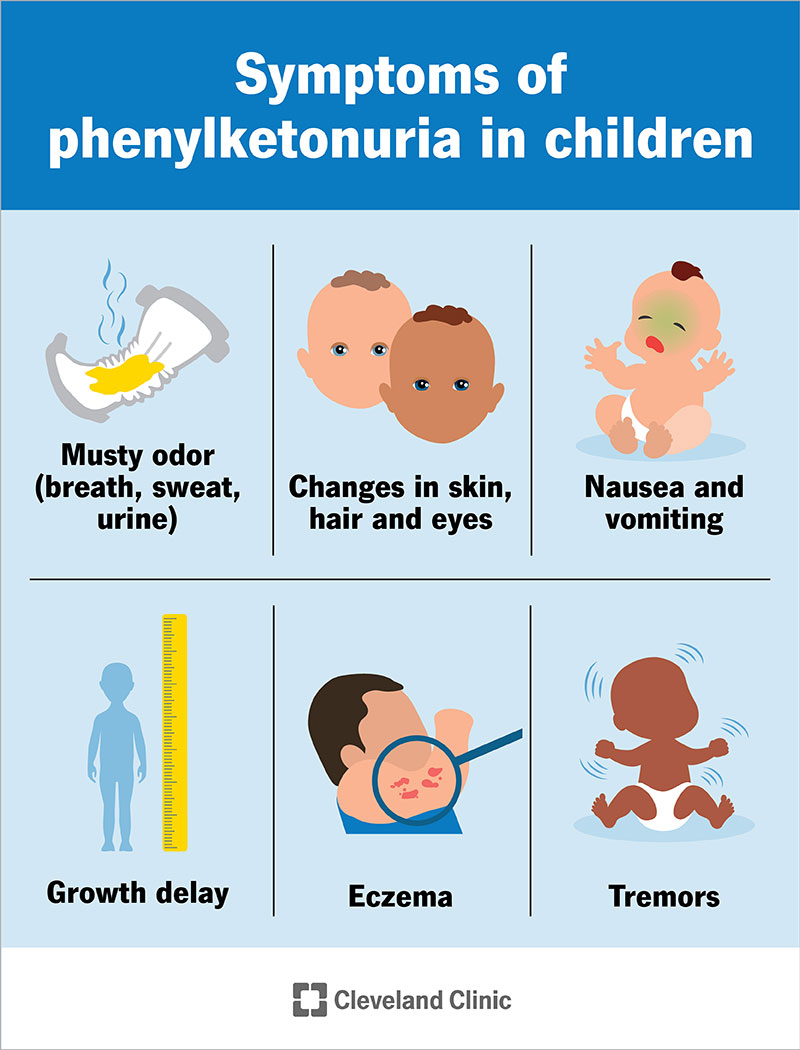
Understanding Phenylketonuria and Its Financial Footprint
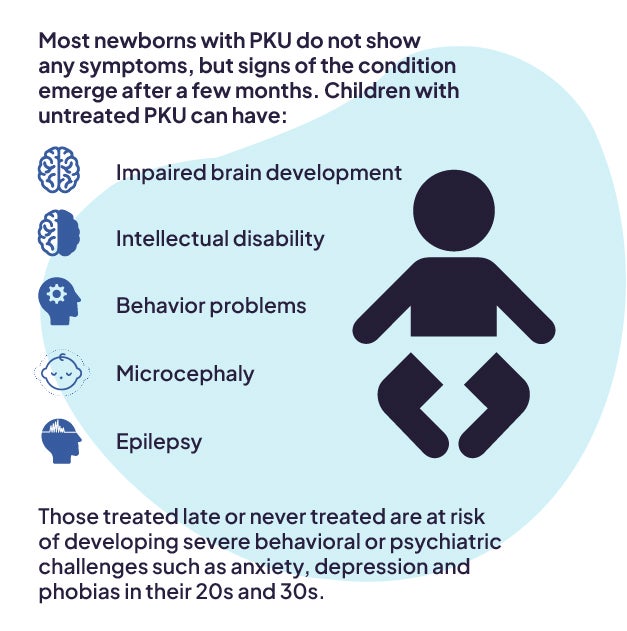
At its core, PKU is caused by a defect in the enzyme that breaks down phenylalanine, an amino acid found in most protein-rich foods. Without this enzyme, phenylalanine builds up in the body, leading to brain damage and other serious health issues. The primary treatment for PKU is a strict, lifelong diet that severely restricts protein intake, supplemented with specialized medical formulas. This dietary mandate, while medically necessary, forms the bedrock of PKU’s significant financial footprint.
The Core of PKU: A Lifelong Dietary Mandate
For phenylketonurics, a regular diet is toxic. They must meticulously monitor and control their intake of phenylalanine, which is present in varying degrees in almost all natural protein sources like meat, dairy, eggs, nuts, and even many grains and vegetables. This necessitates a diet rich in specially manufactured low-protein foods and a specific amino acid medical formula. This isn’t a temporary change; it’s a permanent lifestyle, dictating food choices from infancy through adulthood. The constant need for vigilance and specialized products is the first and most enduring financial challenge.
Unpacking the Direct Costs: Specialized Foods and Medical Formulas
The most significant and immediate financial burden for phenylketonics comes from the cost of their specialized diet. Low-protein foods — such as pastas, flours, breads, and milk substitutes — are not readily available in standard grocery stores and are typically far more expensive than their conventional counterparts. These products are often imported, produced in small batches, or require special processing, driving up their retail price. A loaf of low-protein bread, for instance, can cost several times more than a regular loaf.
Beyond low-protein foods, medical formulas are a cornerstone of PKU management. These formulas provide essential amino acids, vitamins, and minerals that are missing from a restricted natural protein diet, ensuring adequate nutrition without excessive phenylalanine. Depending on age, weight, and individual needs, a person with PKU might require several servings of these formulas daily. The cost of these specialized formulas can run into hundreds or even thousands of dollars per month, making them a recurring and unavoidable expense. For many families, this alone can exceed the average grocery budget for a family of four, placing immense strain on household finances.
Indirect Financial Strains: Beyond the Grocery Bill
The financial burden of PKU extends far beyond the direct costs of food and formula. Phenylketonurics require regular monitoring by metabolic specialists, dietitians, and other healthcare professionals. These appointments, along with necessary blood tests to monitor phenylalanine levels, accrue costs related to co-pays, deductibles, and transportation. Families living in rural areas might need to travel significant distances to access specialized clinics, adding fuel, lodging, and time-off-work expenses to the tally.
Furthermore, parents or caregivers of children with PKU may face limitations on their work schedules or career choices due to the intensive demands of managing the condition. This could include reduced work hours, the need for flexible work arrangements, or even one parent leaving the workforce entirely, leading to a direct loss of income. The emotional toll, while not directly financial, can also indirectly impact productivity and financial decision-making, contributing to an overall sense of economic fragility.
Strategic Financial Planning for Phenylketonics
Given the substantial and lifelong financial implications, proactive and strategic financial planning is crucial for individuals and families managing PKU. Understanding available resources and implementing smart money management techniques can significantly alleviate the economic pressure.
Leveraging Insurance and Government Support
Navigating the complexities of health insurance is paramount. Families should thoroughly understand their policy’s coverage for specialized medical foods and formulas, as coverage can vary widely. Some state-level programs and Medicaid may offer assistance for PKU-related expenses, particularly for children. Advocacy groups dedicated to PKU often have comprehensive lists of state and federal programs, grants, and financial aid opportunities. Engaging with social workers or financial counselors at metabolic clinics can also help identify and access these vital resources. It’s also important to stay informed about legislative changes that might impact coverage for rare diseases.
Budgeting for a Specialized Lifestyle

Creating a detailed budget that specifically accounts for PKU-related expenses is a non-negotiable step. This budget should categorize costs for medical formulas, low-protein foods, dietary supplements, medical appointments, and travel. Tracking these expenses meticulously allows families to identify areas for potential savings and ensures funds are allocated appropriately. Strategies such as bulk purchasing of non-perishable low-protein items when sales occur, or comparing prices from different specialized online retailers, can yield savings. Some families also explore local community gardens or cooperatives for phenylalanine-safe produce, reducing reliance on expensive specialty stores.
Exploring Tax Deductions and Medical Savings Accounts
Individuals and families with PKU may be eligible for various tax deductions related to medical expenses. The cost of medical formulas and certain specialized foods prescribed by a physician can often be deducted. Consulting with a tax professional experienced in medical deductions is highly recommended to ensure all eligible expenses are claimed. Utilizing tax-advantaged medical savings accounts, such as Health Savings Accounts (HSAs) or Flexible Spending Accounts (FSAs), can also be a powerful tool. Contributions to these accounts are tax-deductible, and withdrawals for qualified medical expenses, including PKU-specific items, are tax-free, effectively reducing the overall cost burden.
The Broader Economic Impact on Families and Caregivers
The financial implications of PKU extend beyond immediate costs, influencing long-term economic stability and planning for the future.
Income Stability and Career Considerations
For many families, the demands of managing a child with PKU can significantly influence career choices. Parents might opt for jobs with greater flexibility, even if it means lower pay, to accommodate frequent medical appointments or the time-intensive process of preparing specialized meals. This can lead to a long-term impact on income stability, retirement savings, and overall financial security. For adults living with PKU, maintaining a stable career requires careful management of their health and diet, which can indirectly affect career advancement or opportunities if significant accommodations are needed.
Long-Term Financial Projections and Estate Planning
As phenylketonurics transition into adulthood, long-term financial planning becomes critical. This includes considering future medical costs, the potential for lifelong dietary needs, and ensuring financial independence. For individuals with more severe manifestations or requiring ongoing support, estate planning considerations like special needs trusts can be vital. These trusts can help manage assets for the individual without jeopardizing eligibility for government benefits, providing a structured approach to lifelong financial security.
Advocacy, Innovation, and Future Financial Outlook
While the financial challenges for phenylketonurics are significant, ongoing advocacy and scientific advancements offer hope for a more manageable future.
The Role of Non-Profits and Community Resources
Numerous non-profit organizations and community resources play a pivotal role in supporting phenylketonurics and their families. These organizations often provide financial assistance programs, information on grants, and advocacy for improved insurance coverage and government support. They also offer invaluable community support, connecting families facing similar challenges and sharing practical tips for financial management and dietary adherence. Engaging with these networks can be a powerful way to access resources and reduce feelings of isolation.
Emerging Therapies and Their Economic Promise
Research into new treatments for PKU, such as enzyme replacement therapies, gene therapies, and large neutral amino acid (LNAA) supplementation, holds promise for reducing the strictness of the dietary regimen. If successful, these innovations could significantly decrease the reliance on expensive specialized foods and formulas, thereby lessening the economic burden. While these therapies are still evolving and come with their own initial costs, their potential to normalize the lives of phenylketonurics and reduce lifelong expenses represents a beacon of hope for a more financially sustainable future.
Conclusion
Understanding “what is phenylketonurics” goes beyond a medical definition; it encompasses the profound financial realities that shape the lives of those affected. The lifelong commitment to a specialized diet, coupled with ongoing medical care, presents a unique and substantial economic challenge. However, through proactive financial planning, strategic utilization of insurance and government support, and engagement with advocacy networks, phenylketonurics and their families can navigate this complex landscape more effectively. As research continues to advance, the hope remains that future innovations will not only improve health outcomes but also alleviate the significant financial strain, paving the way for a more accessible and economically sustainable life for all phenylketonurics.
aViewFromTheCave is a participant in the Amazon Services LLC Associates Program, an affiliate advertising program designed to provide a means for sites to earn advertising fees by advertising and linking to Amazon.com. Amazon, the Amazon logo, AmazonSupply, and the AmazonSupply logo are trademarks of Amazon.com, Inc. or its affiliates. As an Amazon Associate we earn affiliate commissions from qualifying purchases.