
In the sprawling landscape of brand communication, where every word, image, and interaction contributes to an overarching narrative, the humble paragraph often goes unexamined. Yet, this fundamental unit of text is far more than just a collection of sentences; it is a meticulously constructed vessel designed to deliver a complete thought, convey an emotion, and ultimately, shape perception. For brands, understanding “what is a paragraph” transcends a mere grammatical definition; it becomes a strategic imperative. A well-crafted paragraph is the bedrock upon which powerful brand stories are built, resonating with audiences and forging lasting connections. It’s the difference between text that merely exists and text that truly lives, breathes, and acts as a powerful ambassador for your brand.

The Fundamental Building Block of Brand Communication
At its core, a paragraph serves as a self-contained unit of thought. It takes a single idea, elaborates on it, provides supporting details, and brings it to a cohesive close before transitioning to the next. For brands, this foundational structure is invaluable. Every piece of brand communication, from a pithy social media caption to an in-depth “About Us” page, relies on these discrete units to convey complex messages in an understandable and engaging manner. Without clear, well-structured paragraphs, even the most brilliant brand message can become an impenetrable wall of text, losing its impact and failing to connect with its intended audience.
Beyond Definition: Paragraphs as Units of Thought
While grammatically defined by indentation or line breaks, the true essence of a paragraph for branding purposes lies in its conceptual unity. Each paragraph should address one central idea, theme, or argument relevant to the brand’s message. Imagine a brand trying to explain its commitment to sustainability. One paragraph might detail their eco-friendly manufacturing processes, another their ethical sourcing, and a third their community involvement. Each focuses on a distinct facet of their sustainability promise, making the overall message comprehensive and easy to digest. This conceptual cohesion ensures clarity, prevents information overload, and guides the reader seamlessly through the brand’s narrative.
The Strategic Importance of Paragraphs in Branding
In a world saturated with information, brevity and clarity are paramount. Paragraphs provide the necessary structure to break down complex brand strategies, product benefits, or company values into digestible chunks. This strategic segmentation allows brands to control the flow of information, highlighting key selling points and fostering a progressive understanding of their identity. Without this structured approach, a brand risks overwhelming its audience, diluting its message, and ultimately failing to differentiate itself in a competitive marketplace. Effective paragraphs are not just about explaining; they’re about persuading, informing, and building trust.
How Paragraphs Shape First Impressions
First impressions are fleeting, especially in the digital realm where attention spans are notoriously short. The visual appearance and immediate readability of a brand’s text—heavily influenced by paragraphing—play a crucial role in capturing and retaining audience interest. A website page or an advertisement dominated by long, unbroken blocks of text is immediately off-putting. Conversely, content broken into sensible paragraphs with appropriate white space invites the reader in, signaling that the information is organized, accessible, and worth their time. This initial visual appeal is a direct reflection of a brand’s professionalism and its respect for the audience’s time, laying the groundwork for a positive brand experience.
Crafting Compelling Paragraphs for Brand Storytelling
Brand storytelling is the art of weaving a narrative that connects with the audience on an emotional level, illustrating a brand’s purpose, values, and journey. Paragraphs are the fundamental components of this narrative tapestry. Each paragraph should contribute a distinct thread to the overall story, moving the plot forward, revealing a character (the brand itself), or building the emotional context. Crafting truly compelling paragraphs requires more than just correct grammar; it demands a deep understanding of your brand’s voice, your audience’s psychology, and the specific message you aim to convey.
Elements of an Effective Brand Paragraph
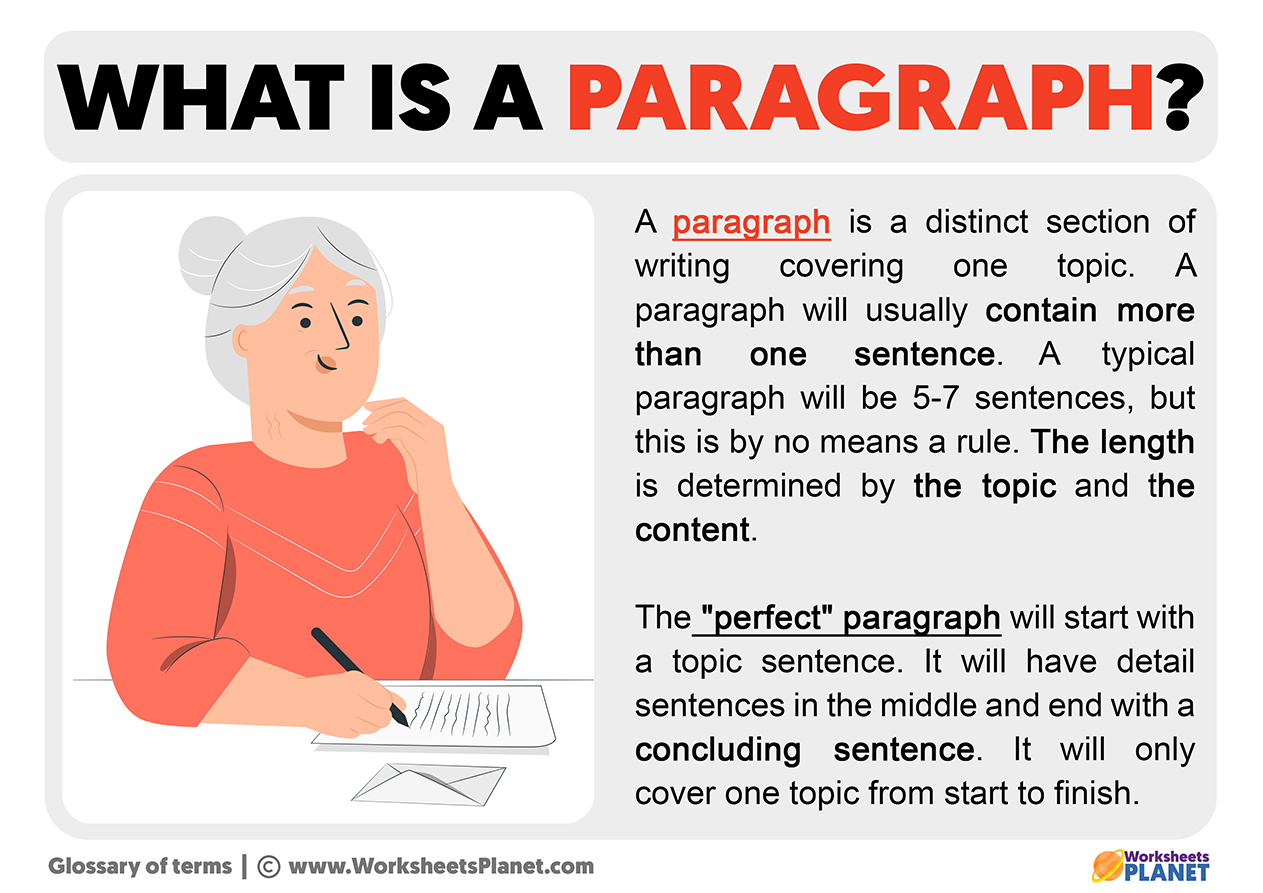
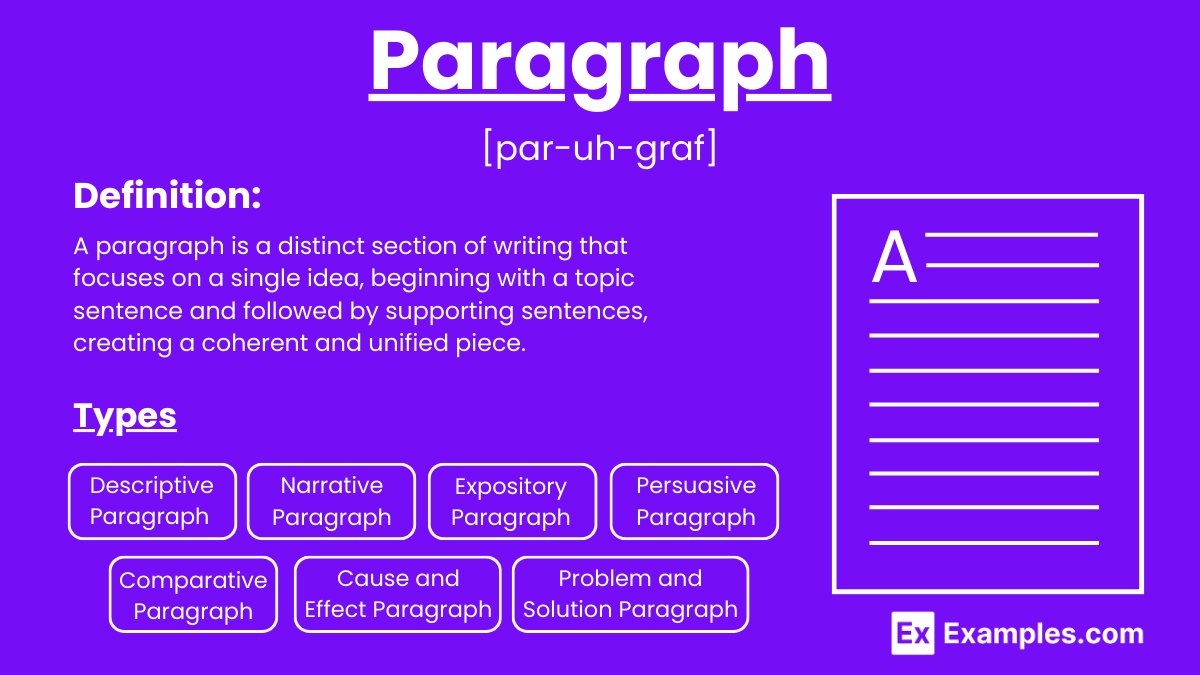
An effective brand paragraph is a miniature essay in itself, typically starting with a topic sentence that introduces the main idea. This is followed by supporting sentences that elaborate on the idea, offer evidence, examples, or emotional appeal relevant to the brand. Finally, a concluding sentence often summarizes the point or transitions smoothly to the next paragraph. For brands, this structure allows for a focused explanation of a product feature, a company value, or a customer testimonial, ensuring that each piece of information is presented clearly and persuasively. It’s about building a logical argument or an evocative scene, one paragraph at a time.
The Narrative Arc within a Paragraph
Even within a single paragraph, there can be a subtle narrative arc. It might start by posing a problem (that your brand solves), describe the solution (your product/service), and end with the benefit to the customer. Or it could introduce a brand value, provide an anecdote illustrating that value, and conclude with its impact. This mini-narrative structure keeps the reader engaged and ensures that each paragraph feels like a complete thought, rather than a fragmented collection of sentences. This intentional flow makes the brand’s overall story more coherent and impactful, guiding the audience through a journey of understanding and connection.
Voice and Tone: Reflecting Your Brand’s Personality
The words chosen, the sentence structure, and the overall rhythm within a paragraph are powerful indicators of a brand’s personality. Is your brand playful and witty? Professional and authoritative? Empathetic and supportive? The paragraph is where this personality shines through. A brand with a formal tone might use longer, more complex sentences and sophisticated vocabulary, while an approachable brand might opt for shorter sentences, active voice, and conversational language. Consistency in voice and tone across all paragraphs and content ensures a unified brand identity, making it recognizable and trustworthy to the audience. This alignment between message and delivery is crucial for authentic brand expression.
Paragraphs in Practice: Enhancing Brand Touchpoints
The strategic use of paragraphs extends across every touchpoint a brand has with its audience. From the moment a potential customer lands on a website to the consistent communication in newsletters, paragraphs are working tirelessly to convey meaning, build credibility, and foster engagement. Recognizing the diverse environments in which these paragraphs appear is key to tailoring their structure and content for maximum effect.
Website Copy and Landing Pages
On websites and landing pages, paragraphs are paramount for guiding visitors through information and converting them into customers. Here, paragraphs need to be concise, scannable, and value-driven. Short paragraphs, often just 2-3 sentences, are preferred to convey key benefits or features quickly. Headings and bullet points often supplement paragraphs to break up text and make complex information digestible. The goal is to facilitate quick understanding and encourage further exploration, ultimately leading to a call to action. Long, dense paragraphs can kill conversion rates by overwhelming visitors and causing them to abandon the page.
Social Media and Digital Campaigns
In the fast-paced world of social media, paragraphs are often much shorter and punchier. A single paragraph might be just one compelling sentence designed to grab attention. For platforms like LinkedIn or blog post snippets, slightly longer but still digestible paragraphs are used to offer more detail without overwhelming the user. The challenge here is to convey significant brand messages within character limits, demanding highly efficient and impactful paragraph construction. Hashtags and emojis can visually break up and emphasize points within these brief paragraphs, enhancing readability and engagement in a digital-native context.
Brand Manuals and Internal Communications
While not customer-facing, internal documents like brand manuals, employee handbooks, and internal memos heavily rely on well-structured paragraphs. Here, the focus shifts to clarity, instruction, and consistency. Paragraphs define brand guidelines, explain company policies, and articulate internal values. Dense, jargon-filled paragraphs can lead to misinterpretation and a fragmented internal brand understanding. Clear, logical paragraphing ensures that every team member understands the brand’s identity and communication standards, fostering internal alignment crucial for consistent external messaging.
Email Marketing and Newsletters
Email marketing thrives on direct, personalized communication, and effective paragraphing is vital for retaining subscriber interest. Emails should use short, engaging paragraphs that lead the reader through the message without feeling like a chore. Personalization can be woven into these paragraphs to make the message more relevant. The goal is to maintain the reader’s attention from subject line to call-to-action, delivering value and building an ongoing relationship. Overly long or complex paragraphs can result in readers quickly deleting or archiving the email, missing out on valuable brand updates or promotions.
The Art of Readability: Engaging Your Audience Through Paragraph Structure
Beyond the content itself, the way a paragraph is presented visually profoundly affects its readability and, consequently, its ability to engage an audience. Readability is not just about choosing clear language; it’s about making that language accessible and inviting through thoughtful formatting and structure. For brands, ensuring high readability means removing barriers between their message and their audience, facilitating effortless comprehension and a more pleasant reading experience.
Conciseness and Clarity: Less is Often More
In brand communication, every word counts. Conciseness in paragraph writing means eliminating superfluous words, phrases, and sentences that don’t contribute to the core message. Clarity ensures that the language is unambiguous and easily understood by the target audience. Long, rambling paragraphs filled with jargon or overly complex sentence structures will deter readers. By distilling ideas into their most potent form, brands can create paragraphs that deliver maximum impact with minimal effort from the reader, respecting their time and attention. This lean approach to writing ensures that the brand’s message is delivered effectively and efficiently.
Varying Sentence Structure and Length
Monotony is the enemy of engagement. Paragraphs composed solely of short, choppy sentences can feel simplistic and uninspired, while those with only long, complex sentences can become tiresome and difficult to follow. The art lies in variation. Mixing short, punchy sentences for emphasis with longer, more descriptive ones creates a dynamic rhythm that keeps the reader engaged. This varied structure within a paragraph mirrors the natural flow of thought and conversation, making the brand’s written communication feel more human and accessible, thereby strengthening the connection with the audience.
The Visual Impact of Paragraphs: White Space and Flow
The arrangement of paragraphs on a page or screen significantly influences its visual appeal and readability. Adequate white space between paragraphs and around text blocks prevents visual overwhelm. It gives the eyes a place to rest and helps to delineate distinct ideas, making the content feel less dense and more approachable. This thoughtful use of white space, combined with consistent indentation or line breaks, contributes to a clean, professional aesthetic that subtly reflects positively on the brand. A well-organized visual flow encourages deeper engagement and makes the brand’s message feel curated and important.
Measuring the Impact of Your Brand’s Paragraphs
The efficacy of a brand’s written communication, down to its individual paragraphs, is not purely subjective. While creativity and stylistic flair are important, the ultimate goal is to achieve specific brand objectives. Therefore, it’s essential for brands to consider how the structure and content of their paragraphs contribute to measurable outcomes, allowing for continuous improvement and optimization of their communication strategy.
Engagement Metrics and User Behavior
Brands can leverage various digital analytics to gauge how well their paragraphs are performing. On websites, metrics like time on page, scroll depth, bounce rate, and conversion rates can indirectly indicate paragraph effectiveness. If users are quickly leaving a page or not scrolling down, it might suggest that the initial paragraphs are not engaging enough or are too dense. A/B testing different paragraph lengths, structures, or calls to action within paragraphs can provide direct insights into what resonates most with the audience, informing future content strategies.
Brand Recall and Message Retention
Ultimately, effective paragraphs help reinforce brand messaging, contributing to higher brand recall and better message retention. When information is presented clearly, concisely, and engagingly, it is more likely to be remembered. Surveys, focus groups, and brand sentiment analysis can help assess how well key brand messages, often encapsulated within specific paragraphs, are being understood and remembered by the target audience. A paragraph that clearly articulates a brand’s unique selling proposition, for example, is highly valuable if customers can recall it later.
The Iterative Process of Refinement
Understanding “what is a paragraph” in the context of branding is not a one-time exercise. It’s an ongoing, iterative process. Brands must continuously analyze their content performance, gather feedback, and be willing to refine their paragraph writing strategies. As market trends evolve, audience preferences shift, and brand identities mature, so too should the approach to crafting these fundamental units of communication. By treating paragraphs as dynamic tools for connection and persuasion, brands can ensure their messaging remains sharp, relevant, and consistently effective in building and maintaining a strong brand identity.
aViewFromTheCave is a participant in the Amazon Services LLC Associates Program, an affiliate advertising program designed to provide a means for sites to earn advertising fees by advertising and linking to Amazon.com. Amazon, the Amazon logo, AmazonSupply, and the AmazonSupply logo are trademarks of Amazon.com, Inc. or its affiliates. As an Amazon Associate we earn affiliate commissions from qualifying purchases.