
The nitrogen cycle is one of Earth’s most fundamental biogeochemical processes, orchestrating the continuous movement of nitrogen atoms through various forms within ecosystems, the atmosphere, and the soil. It is an intricate dance of chemical transformations, biological activities, and physical transport, essential for all life as we know it. Nitrogen is a cornerstone of DNA, RNA, proteins, and chlorophyll – the very building blocks of organisms and the engines of photosynthesis. While the atmosphere is roughly 78% nitrogen gas (N₂), this form is largely unusable by most organisms. The nitrogen cycle thus acts as a planetary conversion factory, transforming atmospheric nitrogen into biologically accessible compounds and then recycling it back.
In an era defined by data, interconnected systems, and advanced computation, understanding and managing the nitrogen cycle has transcended traditional ecological study. It has become a complex systems challenge, ripe for technological intervention and optimization. From simulating its global fluxes with supercomputers to precisely delivering nitrogen to crops with AI-driven drones, technology is revolutionizing our engagement with this vital elemental process. This article delves into the core mechanisms of the nitrogen cycle, but critically, it will frame this understanding through the lens of technological innovation, demonstrating how digital tools, advanced analytics, and biotechnological breakthroughs are reshaping our interaction with this life-sustaining process.
Decoding the Nitrogen Cycle: A Systems Approach for Technology
At its heart, the nitrogen cycle is a multi-stage process involving distinct transformations, each of which presents a unique challenge and opportunity for technological analysis and intervention. For technologists, engineers, and data scientists, these stages are not just biological phenomena; they are data points, system states, and pathways within a grand, complex system that can be modeled, monitored, and influenced.
The Fundamental Stages: Data Points for Digital Models
The journey of a nitrogen atom through its cycle involves several key processes:
-
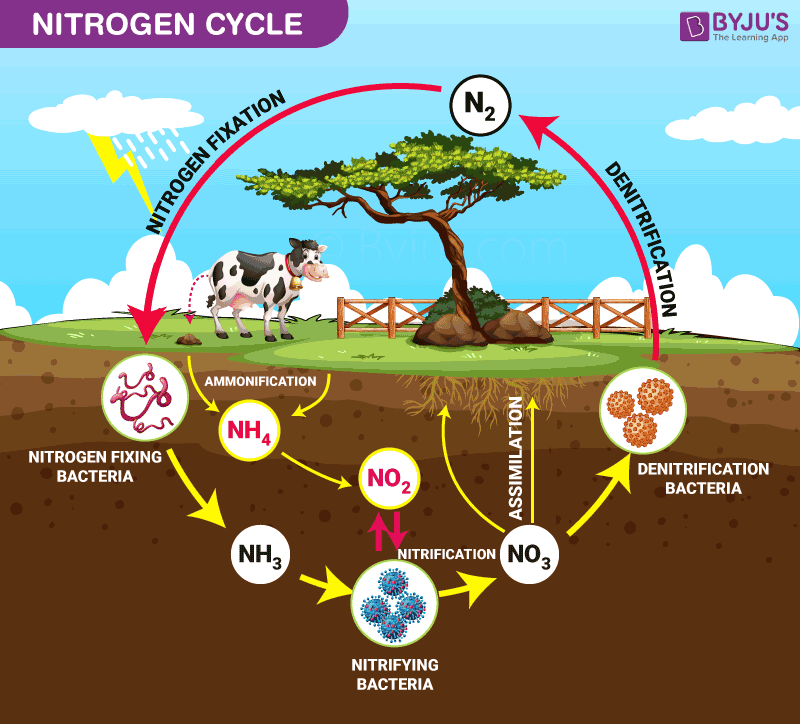
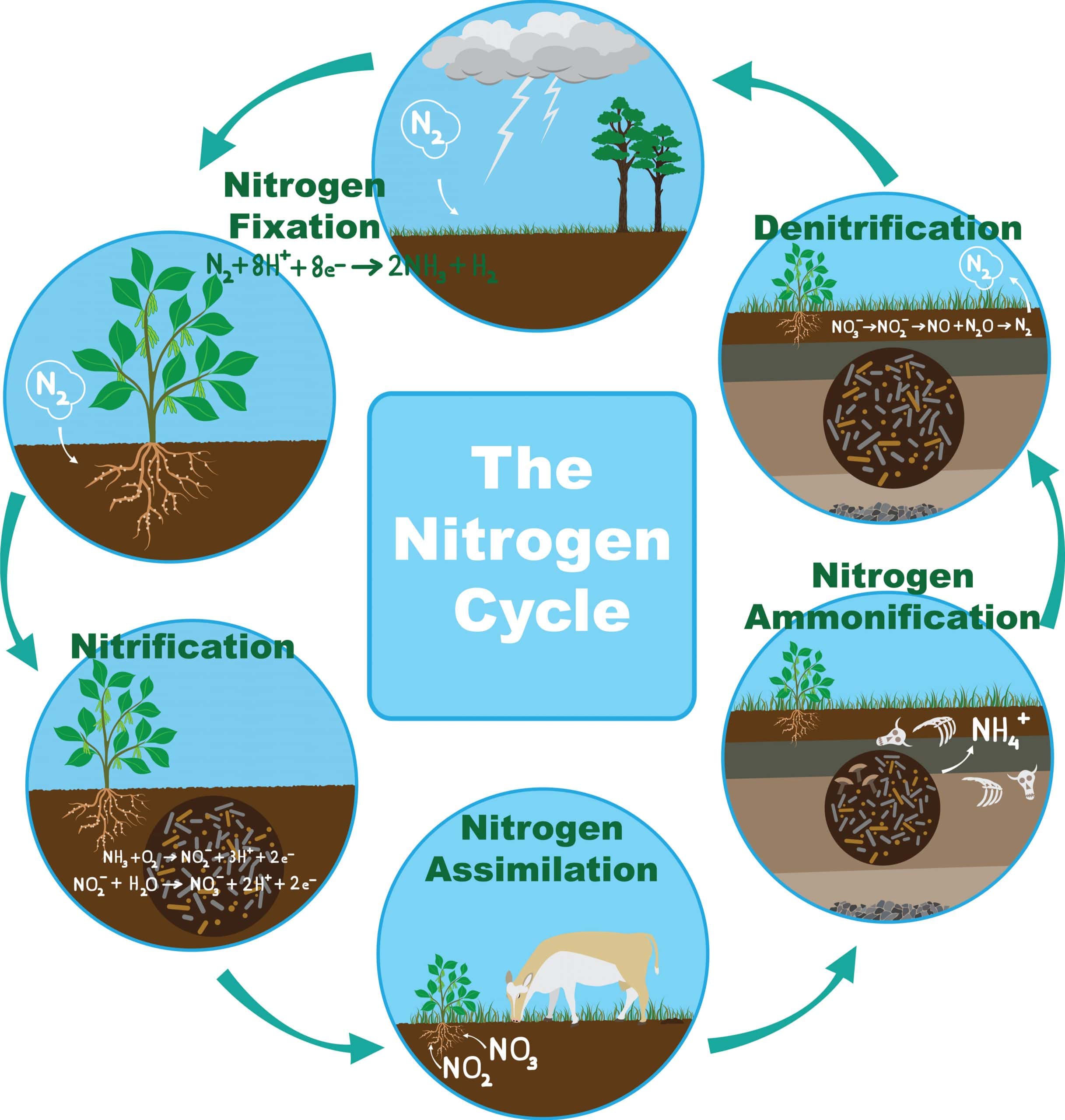
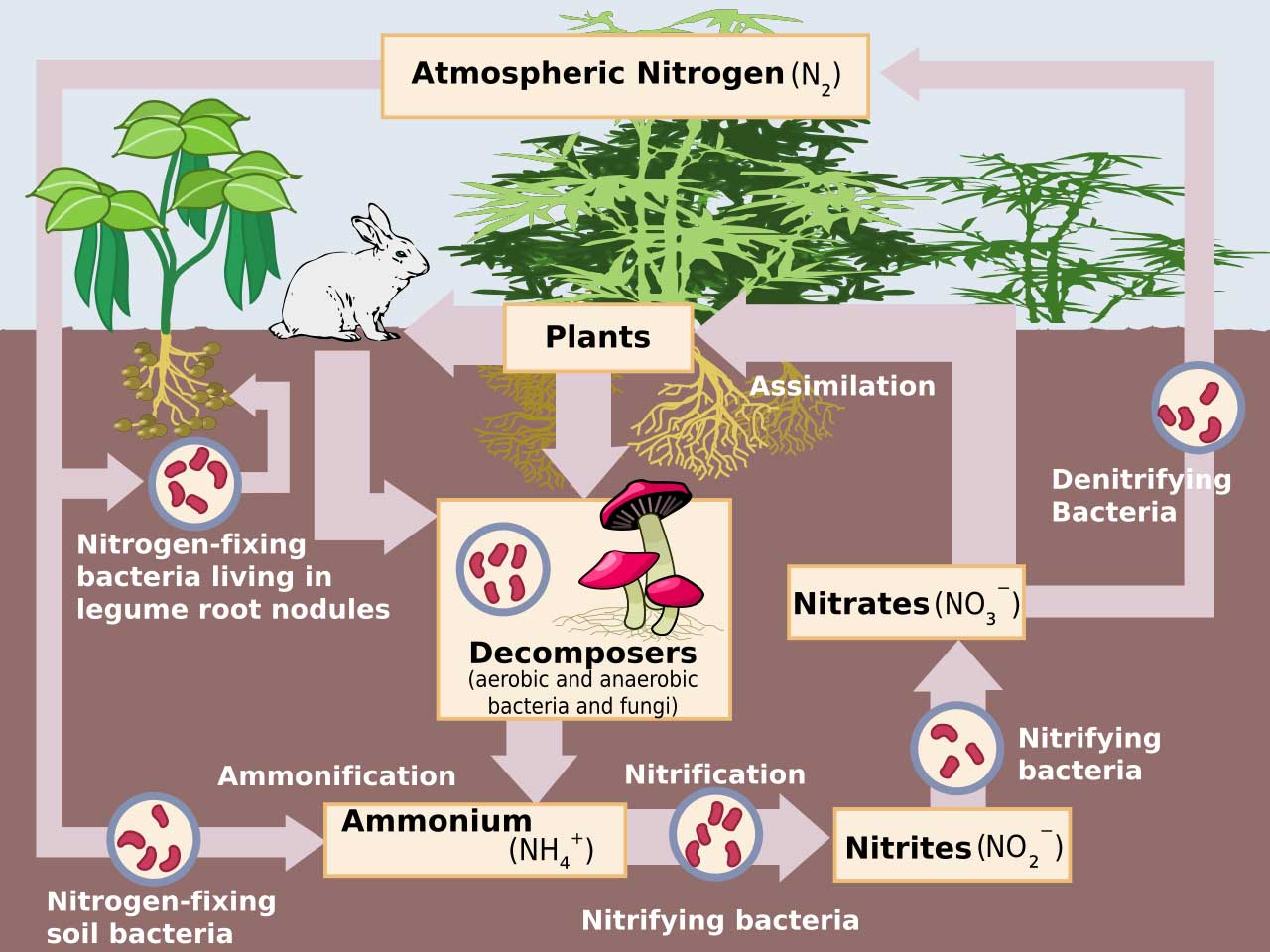
Nitrogen Fixation: This is the crucial first step where atmospheric N₂ (which is inert due to its strong triple bond) is converted into ammonia (NH₃) or ammonium (NH₄⁺), forms usable by living organisms. Naturally, this occurs through lightning strikes and, predominantly, by nitrogen-fixing bacteria in soil or symbiotic relationships with plants (e.g., rhizobia in legumes). Industrially, the Haber-Bosch process artificially fixes nitrogen, a technological marvel that underpins modern agriculture, albeit with significant environmental trade-offs.
-
Nitrification: Ammonia/ammonium is then converted into nitrites (NO₂⁻) and subsequently nitrates (NO₃⁻) by nitrifying bacteria. Nitrates are the primary form of nitrogen absorbed by plants.
-
Assimilation: Plants absorb these nitrates and ammonium from the soil and incorporate them into organic molecules like amino acids and proteins. Animals then acquire nitrogen by consuming plants or other animals.
-
Ammonification: When plants and animals excrete waste or die, decomposers (bacteria and fungi) convert the organic nitrogen back into ammonium.
-
Denitrification: Finally, denitrifying bacteria convert nitrates back into atmospheric N₂, completing the cycle and releasing nitrogen gas back into the atmosphere.
Each of these stages represents a state change, a flow, and an interaction within a vast, distributed network. For technology, this translates into a treasure trove of data—chemical concentrations, microbial activity rates, atmospheric emissions, and plant uptake efficiencies—all ripe for computational analysis.
Big Data and Computational Ecology: Simulating Nitrogen Fluxes
The complexity of the nitrogen cycle, with its myriad biological, chemical, and physical interactions across vast spatial and temporal scales, makes it an ideal candidate for advanced computational modeling. Modern computational ecology leverages supercomputers and cloud platforms to construct sophisticated biogeochemical models that simulate nitrogen fluxes globally and regionally. These models integrate diverse datasets, from satellite imagery showing land use and vegetation cover to granular sensor data measuring soil moisture and temperature, enabling scientists to predict nitrogen transport, transformations, and potential environmental impacts with unprecedented accuracy.
Machine learning and artificial intelligence (AI) play a pivotal role here, identifying subtle patterns and relationships within massive datasets that human observation alone would miss. AI algorithms can predict future states of the nitrogen cycle, forecast areas prone to nitrogen pollution (like harmful algal blooms), and even optimize strategies for managing agricultural runoff. This digital twin approach to ecosystems allows for virtual experimentation, testing “what-if” scenarios for different land management practices or climate change impacts on the nitrogen cycle without affecting real-world environments.
Precision Agriculture and Smart Monitoring: Tech’s Role in Optimizing Nitrogen
Human activities, particularly agriculture, have profoundly altered the natural nitrogen cycle, primarily through the extensive use of synthetic nitrogen fertilizers. While these fertilizers have dramatically increased food production, their inefficient application often leads to environmental degradation. Technology offers powerful solutions to mitigate these impacts by enabling precision management and real-time monitoring.
IoT Sensors and Remote Sensing: Real-time Cycle Monitoring
The Internet of Things (IoT) has extended its reach into the agricultural and environmental sectors, providing an unprecedented ability to monitor nitrogen dynamics in real-time. IoT sensors deployed in agricultural fields can continuously measure soil nitrate and ammonium concentrations, pH, temperature, and moisture levels. These sensors transmit data to central platforms, providing farmers with immediate insights into soil conditions and crop needs.
Complementing ground-based sensors, remote sensing technologies offer a broader perspective. Drones equipped with hyperspectral cameras can assess plant nitrogen status by analyzing specific light reflectance patterns, indicating nutrient deficiencies or excesses across vast fields. Satellite imagery provides large-scale data on vegetation health, land use change, and even atmospheric nitrogen dioxide concentrations, allowing for regional and global monitoring of the nitrogen cycle’s health. The fusion of these diverse data streams, often via cloud computing and edge computing, creates a comprehensive digital picture of nitrogen availability and utilization, transforming how we understand and manage agricultural ecosystems.
AI-Driven Precision Nitrogen Management
The sheer volume of data generated by IoT sensors and remote sensing would be overwhelming without advanced analytics. This is where AI truly shines in precision agriculture. Machine learning algorithms process sensor data, integrate weather forecasts, analyze historical crop performance, and consider specific crop varieties to generate highly precise recommendations for nitrogen fertilizer application.
Instead of blanket application, AI-driven systems can advise on variable-rate fertilization, applying nitrogen only where and when it is needed, in the exact quantities required by specific zones within a field. This not only minimizes fertilizer waste, reducing costs for farmers, but also drastically curtails nitrogen runoff into waterways and gaseous emissions into the atmosphere. Robotics and autonomous vehicles are emerging to execute these recommendations with unparalleled accuracy, using GPS-guided systems to deliver targeted doses of fertilizer, further enhancing efficiency and sustainability. The integration of AI tools ensures that nitrogen, a finite and energy-intensive resource to produce, is utilized with maximum effectiveness and minimal environmental footprint.
Biotechnology and AI for Sustainable Nitrogen Solutions
Beyond monitoring and optimizing current practices, technology is also exploring entirely new paradigms for interacting with the nitrogen cycle, particularly through cutting-edge biotechnology and further applications of AI.
Genetic Engineering and Synthetic Biology: Enhancing Nitrogen Fixation
One of the most ambitious goals in agricultural biotechnology is to reduce agriculture’s reliance on synthetic nitrogen fertilizers by enhancing biological nitrogen fixation. Genetic engineering, utilizing tools like CRISPR-Cas9, is being employed to:
-
Engineer crops to fix their own nitrogen: Scientists are researching ways to introduce or enhance nitrogen-fixing capabilities directly into non-leguminous crops like corn, wheat, and rice, potentially bypassing the need for external fertilizers altogether.
-
Improve symbiotic relationships: Enhancing the efficiency of nitrogen-fixing bacteria (e.g., Rhizobium species) or making them compatible with a wider range of crops.
-
Develop novel nitrogen-fixing pathways: Synthetic biology aims to design and build entirely new biological systems or enzymes that can convert atmospheric nitrogen into usable forms more efficiently.
These biotechnological innovations, guided by computational biology and AI-driven protein design, represent a potential paradigm shift, promising a future where food production is less dependent on energy-intensive industrial nitrogen fixation and its associated environmental burdens.
AI in Wastewater Treatment and Pollution Mitigation
Nitrogen pollution isn’t limited to agriculture; industrial processes and municipal wastewater also contribute significantly to the release of reactive nitrogen compounds into the environment, leading to issues like eutrophication and harmful algal blooms. Here too, AI is proving transformative.
AI-optimized wastewater treatment plants use predictive analytics to dynamically adjust aeration rates, chemical dosages, and microbial processes to remove nitrogen compounds (ammonia, nitrates, nitrites) more efficiently and cost-effectively. Machine learning models can analyze incoming wastewater characteristics and adjust treatment parameters in real-time, minimizing energy consumption while maximizing nitrogen removal. Furthermore, AI-driven sensor networks in waterways can provide early warnings of impending nitrogen pollution events, allowing for proactive intervention and mitigation strategies. Computational chemistry, a branch of AI and advanced computing, is also accelerating the discovery and design of novel catalysts and materials for more efficient and sustainable nitrogen removal technologies.
The Future of Nitrogen Cycle Management: Digital Integration and Ethical Considerations
The increasing integration of technology into understanding and managing the nitrogen cycle points towards a future where human interaction with this vital process is highly informed, optimized, and sustainable. However, this technologically advanced future also brings its own set of challenges and ethical considerations.
Integrated Digital Platforms and Decision Support Systems
The ultimate vision for nitrogen cycle management involves holistic, integrated digital platforms. These platforms would unify data from disparate sources—satellite imagery, ground sensors, climate models, economic forecasts, and even social data—to create comprehensive “digital twins” of ecosystems. Such systems would offer real-time insights and advanced decision support for all stakeholders: farmers planning fertilizer application, policymakers drafting environmental regulations, urban planners designing wastewater infrastructure, and researchers studying global biogeochemical cycles.
Blockchain technology could further enhance transparency and accountability within these systems, tracking the lifecycle of nitrogen-based products, verifying sustainable agricultural practices, and facilitating the trading of nitrogen or carbon credits linked to reduced environmental impact.
Navigating the Ethical and Security Landscape of Nitrogen Tech
As technology delves deeper into the nitrogen cycle, ethical and security questions become paramount. The genetic modification of crops and microorganisms for nitrogen fixation raises concerns about biodiversity, unforeseen ecological impacts, and equitable access to these powerful technologies. The vast amounts of data collected by environmental sensors and agricultural platforms raise issues of data privacy, ownership, and potential misuse.
Furthermore, critical infrastructure, such as smart farms, water treatment plants, and atmospheric monitoring stations, becoming increasingly interconnected and AI-driven, presents new cybersecurity vulnerabilities. Safeguarding these systems from malicious actors is crucial to prevent disruptions that could have significant environmental and economic consequences. The development and deployment of nitrogen-related technologies must be guided by robust ethical frameworks, ensuring equitable benefits, transparency, and resilience against potential threats.
Conclusion
The nitrogen cycle, a timeless natural phenomenon, is now at the forefront of technological innovation. What was once a purely biological and chemical process is increasingly becoming a subject of data science, artificial intelligence, biotechnology, and advanced engineering. From computational models that simulate its global movements to genetic engineering that redefines plant interactions with nitrogen, technology is providing unprecedented tools to understand, monitor, and manage this critical element.
As we navigate the complexities of climate change, food security, and environmental pollution, the strategic application of tech within the nitrogen cycle becomes not just an advantage, but an imperative. The future of a sustainable planet hinges significantly on our ability to leverage these digital and biological tools to harmonize human needs with the delicate balance of Earth’s most vital cycles. It is a multidisciplinary challenge that demands collaboration across science, engineering, and policy, ensuring that our technological prowess leads to a more balanced and thriving world for all.
aViewFromTheCave is a participant in the Amazon Services LLC Associates Program, an affiliate advertising program designed to provide a means for sites to earn advertising fees by advertising and linking to Amazon.com. Amazon, the Amazon logo, AmazonSupply, and the AmazonSupply logo are trademarks of Amazon.com, Inc. or its affiliates. As an Amazon Associate we earn affiliate commissions from qualifying purchases.