
Finding the perfect apartment can be an exciting, albeit sometimes stressful, endeavor. Beyond factors like location, amenities, and rent price, one crucial element often determines your eligibility: your credit score. For many prospective renters, understanding what constitutes a “good” credit score for an apartment is a significant hurdle, yet it’s a foundational piece of knowledge for navigating the competitive rental market. This article will demystify the role of credit scores in the rental application process, establish benchmarks for what landlords typically look for, and provide actionable strategies for improving your financial standing to secure your next home.
Understanding the Importance of Your Credit Score in Renting
Your credit score is more than just a number; it’s a condensed representation of your financial responsibility and reliability. Landlords and property managers use this score as a primary tool to assess the risk associated with renting to you. A strong credit score signals that you are likely to pay your rent on time, every time, much as you would handle other financial obligations.
Why Landlords Check Credit
The primary reason landlords pull your credit report and check your score is to mitigate risk. Renting out a property involves a significant financial commitment on their part, and they want assurance that their investment is safe. Your credit history provides a window into your past financial behavior, offering insights into:
-
Payment History: Have you consistently paid your bills on time? Late payments on credit cards, loans, or previous rental agreements are red flags.
-
Debt Load: While not directly indicating rent payment ability, a high debt-to-income ratio might suggest financial strain, making it harder to meet rent obligations.
-
Financial Responsibility: Your credit report details bankruptcies, foreclosures, or collections, which can signal significant financial instability or irresponsibility.
-
Predictive Indicator: Historically, individuals with good credit scores are statistically more likely to honor their financial commitments, including rent.
Beyond Just the Score: What Landlords Look For
While the three-digit number is a quick initial filter, landlords often delve deeper into the full credit report. They are not just looking for a high score but also for specific patterns and details that might impact your tenancy.
-
Payment Patterns: A history of consistent, on-time payments, especially for previous rent or mortgage obligations, is highly valued. Occasional late payments might be overlooked if they are isolated incidents and you have a good explanation.
-
Evictions or Landlord-Tenant Disputes: These are major red flags. An eviction on your record is one of the most challenging obstacles to overcome when applying for a new apartment.
-
Bankruptcies and Collections: Recent bankruptcies or multiple accounts in collections suggest severe financial distress, making landlords hesitant.
-
High Debt-to-Income (DTI) Ratio: Even with a good score, if a significant portion of your income is consumed by debt payments, a landlord might worry about your ability to comfortably afford the rent. They typically look for a DTI where rent plus existing debts does not exceed 30-40% of your gross income.
Defining “Good” Credit for Renting: Benchmarks and Expectations
There isn’t a single, universally agreed-upon “good” credit score for renting, as expectations can vary. However, general ranges and market conditions provide helpful benchmarks. Understanding these can help you gauge your standing and prepare accordingly.
The General Range: What’s Considered Acceptable?
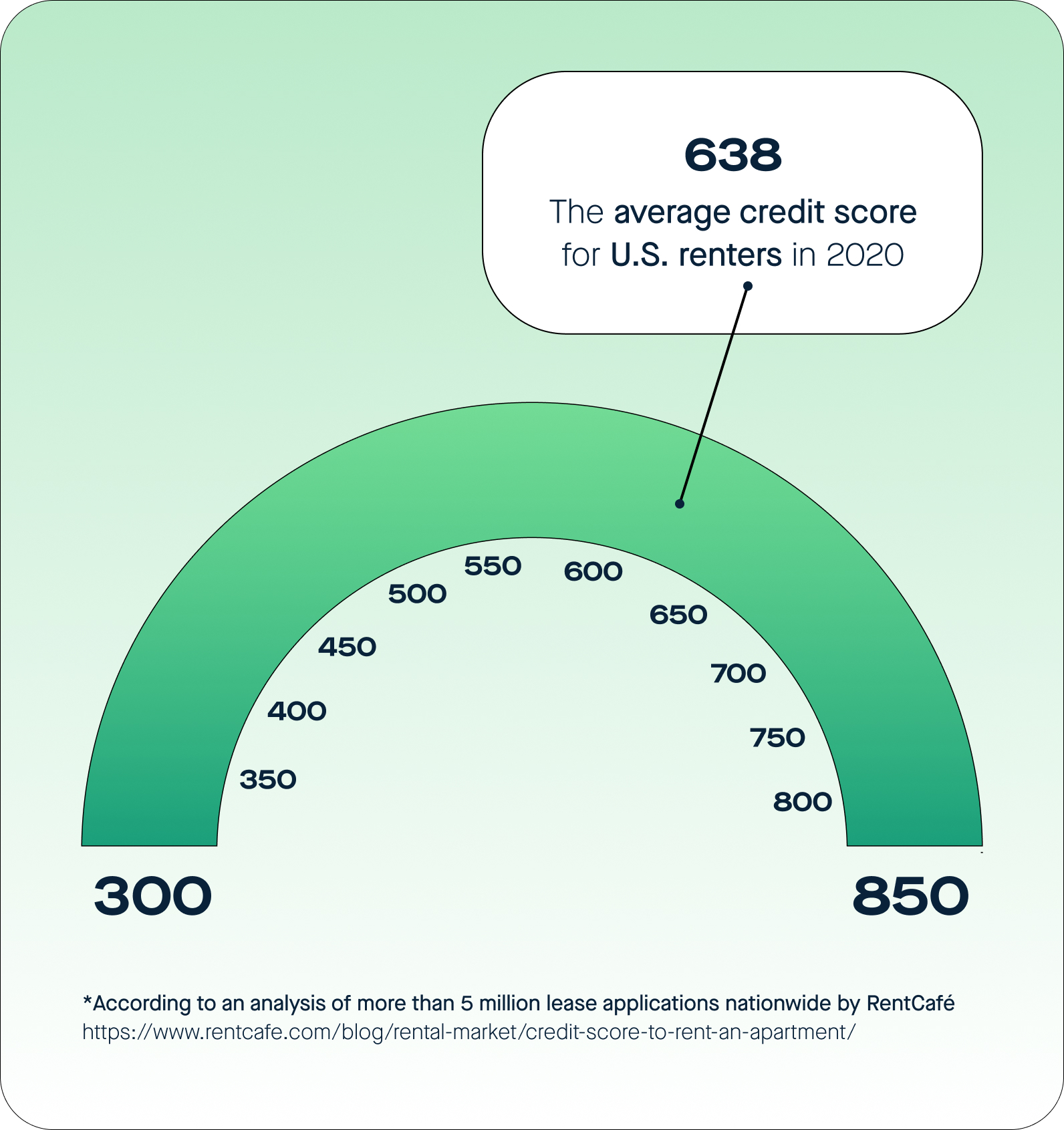
Credit scores typically range from 300 to 850 (FICO and VantageScore models being the most common). Here’s a general breakdown of what these ranges often signify to landlords:
-
Excellent (800-850): You’re a dream tenant. Landlords will likely approve your application quickly, often with favorable terms.
-
Very Good (740-799): Highly desirable. You demonstrate excellent financial responsibility and are a low-risk candidate.
-
Good (670-739): This is generally considered the sweet spot for renting. Most landlords will view a score in this range favorably, indicating responsible credit management.
-
Fair (580-669): This range can be borderline. You might still be approved, especially if other aspects of your application are strong (e.g., high income, good references), but you may face more scrutiny, be asked for a higher security deposit, or need a co-signer.
-
Poor (300-579): Renting with a score in this range can be very challenging. Landlords are likely to see you as a high-risk applicant, and you will almost certainly need to offer significant assurances or seek alternative solutions.
Many landlords look for a minimum score of around 620-650. However, to be competitive and have a smooth application process, aiming for a score of 670 or higher is advisable.
Factors Influencing Landlord Expectations
The required credit score isn’t static; it can fluctuate based on several variables:
-
Market Competitiveness: In a hot rental market with high demand and low vacancy rates, landlords can afford to be more selective and may require higher scores. In a slower market, they might be more flexible.
-
Rent Price: More expensive apartments often demand higher credit scores, as the financial stakes are greater.
-
Landlord’s Experience and Risk Tolerance: Individual landlords or smaller property owners might be more flexible than large property management companies with strict policies.
-
Property Type: Luxury apartments or newly constructed properties often have higher credit score requirements compared to older units or properties in less affluent areas.
-
Applicant Pool: If a landlord receives multiple applications, those with higher credit scores will naturally stand out and be prioritized.
Minimum vs. Ideal Scores
While a minimum score (e.g., 620) might get your application considered, an ideal score (e.g., 700+) provides a significant advantage. An ideal score not only increases your chances of approval but can also:
-
Expedite Approval: Landlords can process your application faster, as there’s less need for extensive verification or mitigating factors.
-
Provide Negotiation Leverage: In some cases, a stellar credit score combined with a strong financial profile might give you a slight edge in negotiating lease terms or pet fees, though this is less common for standard rentals.
-
Reduce Requirements: You’re less likely to be asked for a co-signer or an extra-large security deposit.
Strategies for Renting with Less-Than-Perfect Credit
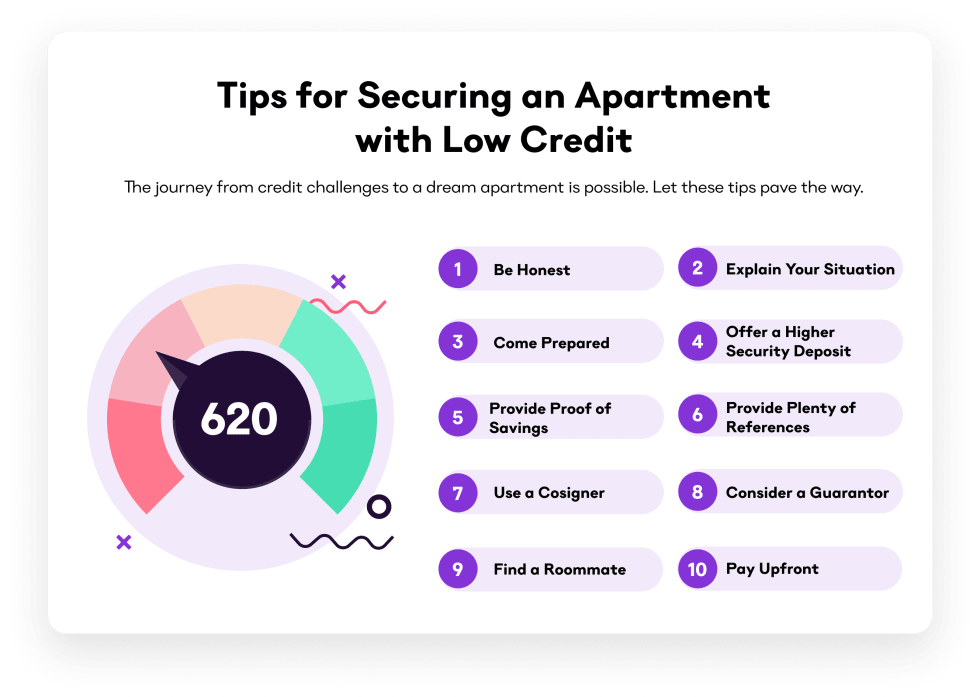
Having a credit score below the “good” threshold doesn’t necessarily mean you’re out of options. With proactive planning and strategic communication, you can still secure an apartment.
Proactive Communication and Transparency
Don’t wait for the landlord to discover an issue on your credit report. If you know you have a less-than-ideal score or a specific negative item, address it upfront.
-
Explain the Situation: Briefly and honestly explain the circumstances that led to the credit issue (e.g., job loss, medical emergency). Emphasize how you’ve resolved it or what steps you’ve taken to prevent recurrence.
-
Highlight Positive Changes: If your credit has been improving, point to recent positive payment history or debt reduction.
-
Provide a Letter of Explanation: A concise, professional letter accompanying your application can humanize your situation and demonstrate your accountability.
Offering Additional Reassurance
Landlords seek assurance that they will receive their rent on time. If your credit score doesn’t provide that assurance, consider offering alternatives:
-
Higher Security Deposit: While typically capped by state law (e.g., one or two months’ rent), offering the maximum allowable security deposit can show good faith.
-
Paying Several Months’ Rent Upfront: If financially feasible and permitted by law, offering to pay two, three, or even six months’ rent in advance can significantly boost your appeal. However, be aware that some states limit how much rent can be paid upfront.
Enlisting a Co-signer or Guarantor
A co-signer or guarantor is an individual with excellent credit and stable income who contractually agrees to pay your rent if you default.
-
Who Qualifies: Typically, a close family member (parent, sibling) with a strong credit history and sufficient income to cover both their own expenses and your potential rent.
-
Responsibilities: The co-signer is legally bound to the lease terms, making them equally responsible for rent and any damages. This is a significant commitment, so choose someone reliable who understands the risks.
-
Benefit: This option can bridge the gap created by a lower credit score, providing the landlord with the financial assurance they need.

Highlighting Positive Financial Aspects
Your credit score is just one piece of the puzzle. Showcase other strengths:
-
Stable Employment and Income: Provide proof of steady employment and a consistent income that is well above the landlord’s income requirements (often 3x the monthly rent).
-
Savings Account Balances: Demonstrating healthy savings can assure a landlord of your financial stability and ability to handle unexpected expenses.
-
Excellent Landlord References: If you have a history of responsible renting, provide glowing references from previous landlords attesting to your timely payments and good tenant behavior.
-
Personal References: While less impactful than landlord references, personal references who can vouch for your character and reliability can be a supplementary asset.
Exploring Alternative Housing Options
If traditional apartment rentals remain elusive, consider broadening your search:
-
Individual Landlords: Private owners might be more flexible and willing to assess your application on a case-by-case basis, rather than adhering to rigid corporate policies.
-
Roommate Situations: Renting a room in an existing shared apartment often involves a less stringent credit check, as the primary tenant is often the one responsible to the landlord.
-
Extended-Stay Hotels or Short-Term Rentals: These options can provide temporary housing while you work on improving your credit score.
-
Rent-by-the-Week/Month Apartments: Some complexes cater to those with less-than-perfect credit, though they may have higher weekly rates or require larger upfront deposits.
Improving Your Credit Score for Future Apartment Rentals
The best long-term strategy for seamless apartment hunting is to cultivate a strong credit score. Improving your credit takes time and discipline, but the benefits extend far beyond renting.
Review Your Credit Report Regularly
This is the foundational step. Obtain free copies of your credit report annually from Equifax, Experian, and TransUnion via AnnualCreditReport.com.
-
Check for Errors: Disputing inaccuracies (e.g., accounts not yours, incorrect payment dates) can lead to a quick score increase.
-
Understand Your Profile: See what factors are positively and negatively impacting your score.
Pay Bills on Time, Every Time
Payment history is the single most influential factor in your credit score, accounting for about 35% of your FICO score.
-
Set Up Reminders: Use calendar alerts, banking apps, or auto-pay options to ensure no payment is missed.
-
Prioritize Payments: Make sure credit cards, loans, and any existing utility or rent payments are always made by their due dates.
Reduce Credit Card Debt
High credit utilization (the amount of credit you’re using compared to your total available credit) negatively impacts your score. Aim to keep your utilization below 30% across all your cards.
-
Pay Down Balances: Focus on paying down your highest-interest credit card debt first, or use the snowball/avalanche method.
-
Avoid Maxing Out Cards: Even if you pay them off, frequently maxing out cards can be detrimental.
Build a Diverse Credit History (Responsibly)
Having a mix of credit types (e.g., credit cards, installment loans) can be beneficial, but only if managed responsibly.
-
Secured Credit Cards: These require a cash deposit as collateral, making them easier to obtain for those with poor or limited credit. Use them responsibly to build a positive payment history.
-
Small Installment Loans: A small personal loan, repaid diligently, can also help diversify your credit mix.
Avoid New Credit Inquiries Unnecessarily
Each time you apply for new credit (e.g., a new credit card, loan), a “hard inquiry” is placed on your report, which can temporarily lower your score by a few points.
-
Limit Applications: Only apply for credit when absolutely necessary, especially in the months leading up to an apartment search.
-
Research Before Applying: Ensure you meet the pre-qualification criteria to avoid unnecessary inquiries for applications you’re unlikely to get.
The Broader Impact of Financial Health on Your Rental Journey
While the credit score is a major gatekeeper, your overall financial health speaks volumes about your ability to be a reliable tenant. Landlords often consider a holistic view of your financial stability.
The Importance of a Strong Income-to-Rent Ratio
Beyond credit, landlords want to ensure you can comfortably afford the rent. A common benchmark is that your gross monthly income should be at least three times the monthly rent.
-
Demonstrate Affordability: Even with good credit, if your income doesn’t meet this ratio, you might be denied.
-
Proof of Income: Be prepared to provide recent pay stubs, employment verification letters, and potentially bank statements to substantiate your income.
Building a Solid Financial Foundation
Having an emergency fund and a well-structured budget signals responsible money management.
-
Emergency Fund: Aim for at least 3-6 months’ worth of living expenses saved. This shows you can weather unexpected financial storms without jeopardizing rent payments.
-
Budgeting: While not typically shared with landlords, having a personal budget ensures you know where your money is going and that you can consistently meet your financial obligations.
Preparing All Necessary Documentation
A smooth application process requires preparedness. Gather all required documents in advance:
-
Photo ID: Driver’s license or passport.
-
Proof of Income: Recent pay stubs (3-6 months), offer letter, tax returns (if self-employed).
-
Bank Statements: To show financial stability and available funds.
-
Previous Landlord Contact Information: For references.
-
Personal References: If requested.
-
Any Explanatory Letters: For credit issues or other concerns.
In conclusion, understanding what constitutes a good credit score for renting an apartment is paramount to a successful housing search. While a score in the “good” to “excellent” range (670+) offers the smoothest path, even those with lower scores have options. By understanding landlord expectations, proactively addressing financial challenges, and continuously working to improve your credit and overall financial health, you can confidently navigate the rental market and secure the home that’s right for you. Your journey to a new apartment is also an opportunity to build a stronger financial future.
aViewFromTheCave is a participant in the Amazon Services LLC Associates Program, an affiliate advertising program designed to provide a means for sites to earn advertising fees by advertising and linking to Amazon.com. Amazon, the Amazon logo, AmazonSupply, and the AmazonSupply logo are trademarks of Amazon.com, Inc. or its affiliates. As an Amazon Associate we earn affiliate commissions from qualifying purchases.