
For millions of families across the United States, the Women, Infants, and Children (WIC) program stands as a vital pillar of support, offering crucial nutritional assistance and healthcare referrals. Understanding the operational hours of local WIC offices is not merely a matter of convenience; it’s a critical aspect of effectively managing personal finances and ensuring consistent access to benefits that directly impact a household’s financial stability and well-being. In the realm of personal finance, securing all available resources is paramount, especially for those navigating economic challenges. This article delves into the practicalities of WIC office hours, providing insights into how beneficiaries can strategically plan their interactions to maximize the financial and health benefits provided by this indispensable program.
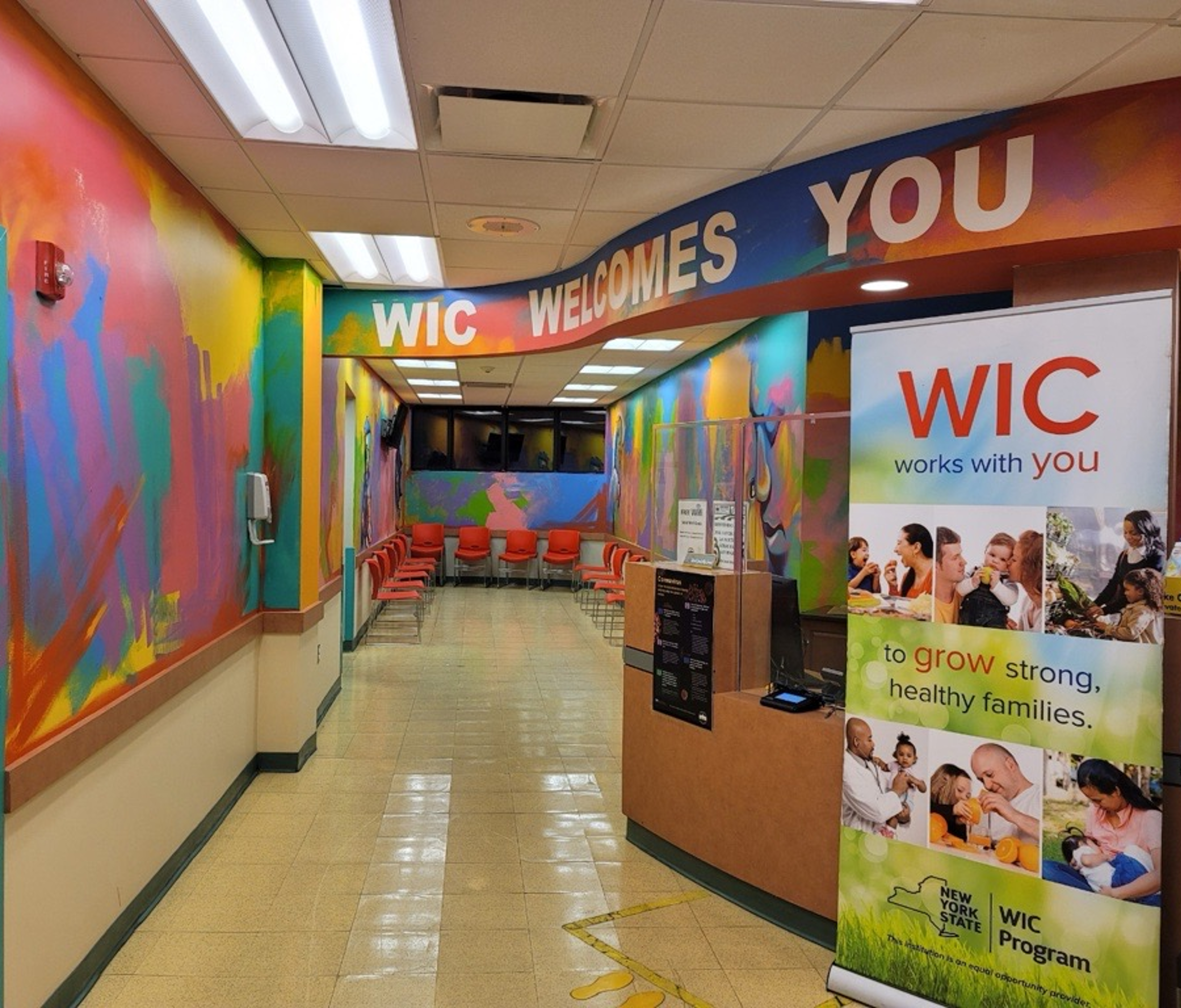
Understanding WIC: A Critical Financial Safety Net for Families
The WIC program is a federal grant program administered by the U.S. Department of Agriculture (USDA) that provides supplemental foods, healthcare referrals, and nutrition education to low-income pregnant women, new mothers, infants, and children up to age five who are found to be at nutritional risk. While often perceived primarily as a health and nutrition program, its economic impact on eligible families is profound, making it a cornerstone of personal financial planning for those it serves.
The Economic Impact of WIC Benefits
WIC’s direct provision of nutritious foods significantly alleviates a substantial financial burden on eligible families. By covering the cost of essential items like milk, cheese, eggs, fruits, vegetables, whole grains, and infant formula, WIC frees up household funds that would otherwise be allocated to groceries. This reallocation of funds can be instrumental in covering other necessary expenses such as rent, utilities, transportation, or even building a small emergency savings fund. For families living paycheck to paycheck, the WIC benefit can represent a substantial portion of their monthly food budget, acting as a direct subsidy that enhances purchasing power and reduces food insecurity. Studies have consistently shown that WIC participation leads to improved dietary intake, better health outcomes for mothers and children, and even improved birth weights – all factors that can reduce long-term healthcare costs and contribute to a more stable financial future by fostering a healthier workforce. The ripple effect of these benefits extends beyond mere food, impacting a family’s overall financial resilience.
Eligibility as a Gateway to Financial Support
Eligibility for WIC is determined based on several factors, including income (which must be at or below 185% of the federal poverty level), nutritional risk, and residency in the state where applying. For many families, meeting WIC’s income guidelines means they are also likely eligible for other state and federal assistance programs. The WIC application process itself can serve as an entry point for families to learn about and connect with these additional financial and social services. A WIC counselor or staff member often has information on other local resources, such as SNAP (Supplemental Nutrition Assistance Program), Medicaid, Temporary Assistance for Needy Families (TANF), and various local food banks or housing assistance programs. Engaging with WIC, therefore, is not just about receiving food vouchers; it’s about accessing a broader ecosystem of support that can holistically improve a family’s financial standing and quality of life. Understanding eligibility criteria and successfully navigating the application process is the first step toward unlocking these multifaceted financial benefits.
Navigating WIC Office Hours: Ensuring Timely Access to Benefits
For WIC beneficiaries, knowing when and how to access their local office is paramount. Benefits are typically issued monthly, and appointments are often required for certifications, re-certifications, or nutrition education sessions. Missing an appointment or showing up during closed hours can lead to delays in receiving benefits, which can have immediate and negative financial repercussions for families relying on this support.
General Operating Schedules and Regional Variations
WIC offices, often housed within county health departments, community clinics, or dedicated WIC centers, generally adhere to standard business hours, typically Monday through Friday, from around 8:00 AM to 5:00 PM. However, these hours are not universal. Significant variations can exist based on the specific state, county, or even the individual clinic. Some offices might offer extended hours on certain days of the week, open earlier, or close later to accommodate working parents. Conversely, smaller or rural offices might have more limited hours, opening only a few days a week or for shorter shifts. It’s also common for offices to close for lunch breaks, which can be an unexpected hurdle for beneficiaries trying to plan a visit. The key takeaway here is that general assumptions about office hours can be misleading and lead to wasted trips and delayed access to benefits, emphasizing the need for proactive verification.
Effective Strategies for Locating Specific Office Information
Given the variability, relying on precise, up-to-date information is crucial. The most effective strategies for beneficiaries to find their local WIC office hours include:
-
Official State WIC Websites: Every state administers its own WIC program, and most maintain a comprehensive website that includes a directory of local clinics, complete with addresses, phone numbers, and operating hours. These websites are often the most reliable source of information.
-
Phone Calls: A direct call to the local WIC office is often the quickest way to confirm current hours, inquire about appointment availability, and ask about specific closure dates. This also allows for a personal interaction where beneficiaries can ask any nuanced questions they might have.
-
Online Search Engines: Using specific search terms like “[Your City/County] WIC office hours” or “WIC clinic near me” can yield relevant results. However, it’s important to cross-reference information found on third-party sites with official sources to ensure accuracy, as business directory listings can sometimes be outdated.
-
WIC EBT Card Information: Some states may print general contact information or website addresses on the WIC EBT (Electronic Benefits Transfer) cards, which can be a starting point for finding local office details.
Understanding Public Holiday Closures and Their Financial Implications
Like most government services and healthcare facilities, WIC offices observe federal and state public holidays. This means they will be closed on days such as New Year’s Day, Martin Luther King Jr. Day, Presidents’ Day, Memorial Day, Juneteenth, Independence Day, Labor Day, Columbus Day, Veterans Day, Thanksgiving, and Christmas. Less commonly, some offices may also close for local government holidays or staff training days.
For families heavily reliant on WIC benefits, these closures can have direct financial implications. If an appointment for benefit issuance falls on a holiday, it will need to be rescheduled, potentially delaying access to food resources for several days. This delay can strain a household budget that meticulously plans around the receipt of these benefits. Therefore, it is critical for beneficiaries to be aware of the holiday schedule well in advance and plan their appointments or benefit pickups accordingly. Proactive planning helps mitigate potential gaps in nutritional support and prevents unexpected financial pressure.
Optimizing Your WIC Engagement: Strategic Planning for Financial Advantage
Engaging with the WIC program goes beyond just showing up for an appointment; it involves strategic planning to ensure seamless access to benefits and to integrate WIC into a broader financial strategy. By optimizing interactions with WIC offices, families can minimize stress, save time, and maximize the financial value derived from the program.
Scheduling Appointments for Minimal Disruption and Maximum Benefit
Efficient scheduling is key to making the most of your WIC benefits while minimizing personal and financial disruption. When making or confirming appointments for certification, re-certification, or nutrition education, consider the following:

-
Advance Planning: Book appointments as far in advance as possible, especially for re-certifications, to avoid any lapse in benefits.
-
Consider Transportation: Factor in travel time and costs. If public transport is used, plan routes and schedules to ensure timely arrival without excessive waiting or additional expenses.
-
Peak vs. Off-Peak Hours: Inquire if the office has busier times. Scheduling during off-peak hours might mean shorter wait times, making the visit more efficient. Some offices might offer early morning or late afternoon slots, which can be convenient for those with work or school commitments.
-
Batching Visits: If you have multiple family members on WIC, try to schedule their appointments concurrently or consecutively to reduce the number of trips to the office.
-
Contingency Planning: Always have a backup plan for childcare or transportation in case unforeseen circumstances arise.
By strategically scheduling, beneficiaries can ensure they don’t miss out on vital benefits and can integrate WIC visits smoothly into their daily lives without financial penalties or undue stress.
Leveraging Digital and Telephonic Resources for Efficiency
The digital age has brought new avenues for interacting with WIC programs, offering greater convenience and efficiency, and potentially saving beneficiaries time and money on travel.
-
Online Portals/Apps: Many state WIC programs now offer online portals or mobile applications where beneficiaries can check their benefit balance, find approved food lists, locate WIC-approved stores, and sometimes even schedule or reschedule appointments. These tools reduce the need for phone calls or in-person visits for routine inquiries.
-
Telehealth/Remote Nutrition Education: The COVID-19 pandemic accelerated the adoption of remote services. Many WIC programs now offer nutrition education sessions via phone or video calls, eliminating the need to travel to an office. This is a significant time and cost-saver, especially for families without reliable transportation or those living in rural areas.
-
Email Communication: Some offices allow for communication via email for general questions or to submit non-sensitive documents. Confirm with your local office if this is an option.
By actively utilizing these digital and telephonic resources, beneficiaries can handle many WIC-related tasks from home, saving on gas, public transport fares, and lost wages from time off work. This translates directly into financial savings and improved convenience.
Preparing for Your Visit: A Financial Checklist
A well-prepared visit to the WIC office can ensure a smooth process and prevent the need for multiple trips, saving both time and money. Before heading to the office, consider this financial checklist:
-
Required Documents: Gather all necessary documents, including proof of identity for all family members, proof of residency (utility bill, lease agreement), proof of income (pay stubs, tax returns, unemployment benefits letter), and any medical records if required (e.g., for nutritional risk assessment, though often done at the clinic). Missing documents is a primary reason for delayed benefit issuance.
-
Questions Prepared: Jot down any questions you have regarding your benefits, food packages, eligible foods, or referrals to other services. This ensures you get all the information you need in one visit.
-
Children’s Presence: If necessary, bring infants or children whose height and weight need to be measured, or who need to be present for certification. Ensure they are fed and comfortable to avoid disruptions.
-
Transportation Funds: Ensure you have enough funds for transportation, whether it’s gas money or fare for public transit.
-
Time Allocation: Set aside ample time for the appointment, including travel and potential waiting times, to avoid rushing or incurring additional costs due to unexpected delays.
By being thoroughly prepared, families can ensure their WIC visits are efficient and productive, securing their benefits without unnecessary hassle or financial strain.
Integrating WIC into Your Broader Personal Finance Strategy
WIC is more than just a source of free food; it’s a valuable component of a comprehensive personal finance strategy for eligible families. By consciously integrating WIC into overall financial planning, beneficiaries can maximize its impact on their economic stability and future.
WIC’s Role in Household Budgeting
Effective budgeting is the cornerstone of personal finance. WIC benefits, by covering a significant portion of grocery expenses, simplify this process. When creating a household budget, explicitly account for the WIC food package. This allows for a more accurate allocation of cash funds to other categories like housing, utilities, transportation, and debt repayment. For instance, if WIC covers a certain amount of milk, fruits, and vegetables, those line items can be significantly reduced or eliminated from the cash grocery budget. This freed-up cash can then be redirected to areas where financial support is not available, or even towards building an emergency fund. Beneficiaries should review their WIC food list monthly to understand exactly what they will receive and adjust their cash grocery list accordingly, preventing overspending on WIC-covered items and ensuring that every dollar available is used strategically.
Combining WIC with Other Financial Resources
WIC is rarely the sole source of financial assistance for families. It often complements other programs, and understanding how they interact is crucial for maximizing overall support.
-
SNAP (Food Stamps): WIC benefits are supplemental and do not replace SNAP. Families often receive both. When budgeting, consider how the combined food benefits from WIC and SNAP reduce the total cash outlay for groceries, further freeing up funds for other expenses.
-
Medicaid/CHIP: WIC provides healthcare referrals, and many WIC participants are also eligible for Medicaid or the Children’s Health Insurance Program (CHIP). These programs collectively ensure comprehensive health and nutritional support, reducing out-of-pocket medical expenses, which can be a huge financial burden.
-
Local Food Banks and Pantries: Even with WIC and SNAP, some families may still face food insecurity. Local food banks can provide additional assistance. Integrate these resources into your financial strategy as supplementary support, especially for items not covered by WIC.
-
Energy Assistance Programs (LIHEAP): The money saved on groceries through WIC can indirectly help families manage utility bills, or directly, by making them more eligible for programs like the Low Income Home Energy Assistance Program (LIHEAP) as part of an overall low-income strategy.
Understanding the synergy between these programs allows families to build a robust financial safety net, ensuring multiple layers of support for critical needs.

Long-Term Financial Stability Through WIC and Related Programs
While WIC is a short-term supplemental program, its impact can contribute to long-term financial stability. By providing healthy beginnings for infants and children, WIC contributes to better educational outcomes and reduced healthcare costs in the long run. Children who receive adequate nutrition are more likely to perform better in school, which can lead to greater educational attainment and improved future earning potential. Furthermore, nutrition education provided by WIC empowers parents with knowledge that can lead to healthier eating habits for the entire family, preventing chronic diseases that incur significant medical costs later in life.
Beyond immediate food benefits, the connections made through WIC offices to healthcare providers, social workers, and other community resources can guide families toward opportunities for job training, financial literacy courses, and housing assistance. These resources collectively aim to lift families out of poverty and foster self-sufficiency. Viewing WIC not just as a handout but as an investment in human capital and a stepping stone to broader financial empowerment is key to leveraging its full potential.
In conclusion, understanding “what time the WIC office closes” is far more than a simple inquiry about operational hours. It’s an entry point into a broader discussion about accessing crucial financial and nutritional support, strategically planning interactions with a vital program, and integrating these benefits into a holistic personal finance strategy for long-term well-being. By taking a proactive and informed approach, families can maximize the profound economic and health benefits that WIC offers.
aViewFromTheCave is a participant in the Amazon Services LLC Associates Program, an affiliate advertising program designed to provide a means for sites to earn advertising fees by advertising and linking to Amazon.com. Amazon, the Amazon logo, AmazonSupply, and the AmazonSupply logo are trademarks of Amazon.com, Inc. or its affiliates. As an Amazon Associate we earn affiliate commissions from qualifying purchases.