
The query “what season did Coach Baker die?” might appear, on the surface, to be a simple fan’s question about a plot detail from a beloved television series, a book, or a video game. However, beneath this seemingly straightforward inquiry lies a profound lesson in brand strategy, narrative design, and audience engagement. In the realm of entertainment, the demise of a pivotal character, particularly one as integral as a “Coach Baker”—a figure often representing mentorship, stability, or moral compass—is never just a plot point. It’s a calculated, or at times reactive, strategic decision with far-reaching implications for the brand identity of the entire intellectual property. This article delves into how such narrative choices shape audience perception, foster loyalty, and ultimately define the enduring legacy of a brand.
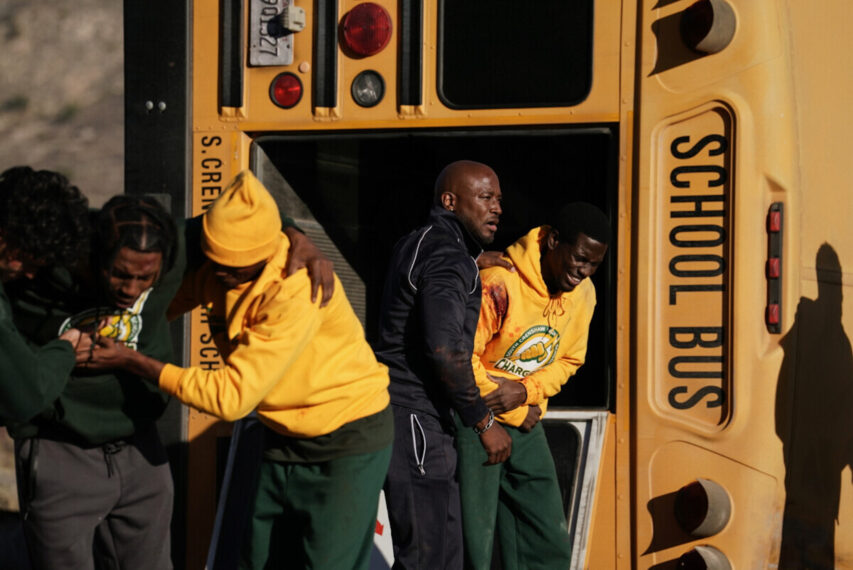
The death of a significant character is a crucible moment for any fictional brand. It tests the narrative’s strength, the audience’s emotional investment, and the creators’ ability to manage critical junctures. Far from being a mere storyline device, the departure of a beloved or even hated character like Coach Baker is an event that reverberates through the brand’s ecosystem, sparking discussion, debate, and sometimes, even controversy. Understanding how to orchestrate, announce, and manage the aftermath of such an event is paramount for maintaining brand integrity and sustaining long-term audience connection.
The Strategic Significance of Character Demise in Brand Storytelling
The decision to kill off a main character is perhaps one of the most fraught choices a showrunner, writer, or creative team can make. It’s a high-stakes gamble with the potential to either invigorate a flagging narrative or alienate a loyal fanbase. From a brand perspective, this decision is a powerful narrative lever that, when pulled correctly, can redefine the brand’s core message and audience engagement.
Revitalizing Stagnant Narratives
Brands, like stories, can suffer from stagnation. Predictable plotlines, unchanging character dynamics, or a sense of “been there, done that” can erode audience interest over time. The death of a central figure like Coach Baker can serve as a narrative defibrillator, shocking the system back to life. It introduces unprecedented stakes, forces remaining characters into new roles, and opens up fresh avenues for storytelling. This disruption can be a deliberate brand strategy to signal a new era, demonstrate creative courage, and prove that the brand is willing to take risks to maintain its edge and relevance. It forces the brand to evolve, preventing it from becoming a relic of its former self.
Deepening Emotional Investment and Authenticity
Few events evoke as strong an emotional response from an audience as the death of a character they have invested time and affection in. This emotional resonance is a potent brand asset. When handled with sensitivity and narrative purpose, a character’s death can deepen the audience’s bond with the brand, making it feel more real, more impactful, and more authentic. It reminds viewers that the fictional world has real consequences, mirroring the unpredictability of life itself. The tears shed for Coach Baker are not just for a character; they are a testament to the brand’s ability to create a compelling, believable universe that resonates deeply with its audience, thereby strengthening its emotional equity.
Defining Brand Identity and Thematic Depth
The manner of a character’s death, and the subsequent fallout, often serves to underscore or even redefine the core themes of the brand. Did Coach Baker die heroically, sacrificing himself for others, thereby cementing the brand’s message of courage and selflessness? Or was his death a tragic, senseless loss, highlighting the brutal realities of the fictional world and reinforcing themes of injustice or fragility? These narrative choices contribute significantly to the brand’s overarching identity and the philosophical underpinnings it wishes to convey. The death becomes a lens through which the audience perceives the brand’s values, moral code, and narrative purpose.
Managing Audience Expectations and Loyalty Post-Departure
The immediate aftermath of a significant character’s death is a critical period for brand management. Audiences are often a blend of grief, anger, confusion, and curiosity. How a brand navigates this tumultuous phase can either cement loyalty or irrevocably damage trust. Effective communication and a clear vision for the future are paramount.
The Art of Pre-Mortem Communication
While surprising the audience can be impactful, creators often engage in subtle forms of “pre-mortem” communication. This might involve foreshadowing, hints of danger, or narrative arcs that suggest a character’s journey is nearing its end. From a brand perspective, this prepares the audience for a significant shift, managing expectations without explicitly spoiling the event. It can also build suspense and engagement leading up to the fateful episode. For public figures or real-life inspirations for “Coach Baker,” this involves careful consideration of legacy and respecting personal narratives.
Navigating Fan Reactions and Crisis Management
Fan reactions to a character’s death can range from heartbroken acceptance to outright revolt. Social media amplifies these reactions, creating a public forum for both praise and condemnation. A brand must be prepared to engage with these diverse responses thoughtfully. This involves monitoring sentiment, responding to legitimate criticisms, and reiterating the creative rationale behind the decision. Crisis management in this context isn’t about backtracking; it’s about transparency, empathy, and reaffirming the brand’s commitment to its storytelling vision. Ignoring or dismissing fan sentiment can lead to a perceived disconnect, damaging the brand’s relationship with its most passionate advocates.
The Role of Legacy and Narrative Continuity
Even in death, a character like Coach Baker continues to influence the brand’s narrative. Their legacy – their teachings, their impact on other characters, the void they leave – becomes an ongoing part of the story. Brand managers must ensure that this legacy is honored and integrated into future plotlines, providing continuity and demonstrating that the character’s life truly mattered within the fictional universe. Failing to address the lingering effects of such a major event can make the death feel inconsequential, diminishing its impact and the brand’s authenticity.
Leveraging Narrative Twists for Brand Reinforcement
A character’s death is not just an ending; it can be a powerful catalyst for new beginnings and brand reinforcement. Smart branding leverages these narrative twists to introduce new elements, strengthen existing ones, and even expand the brand’s universe.
Introducing New Characters and Dynamics
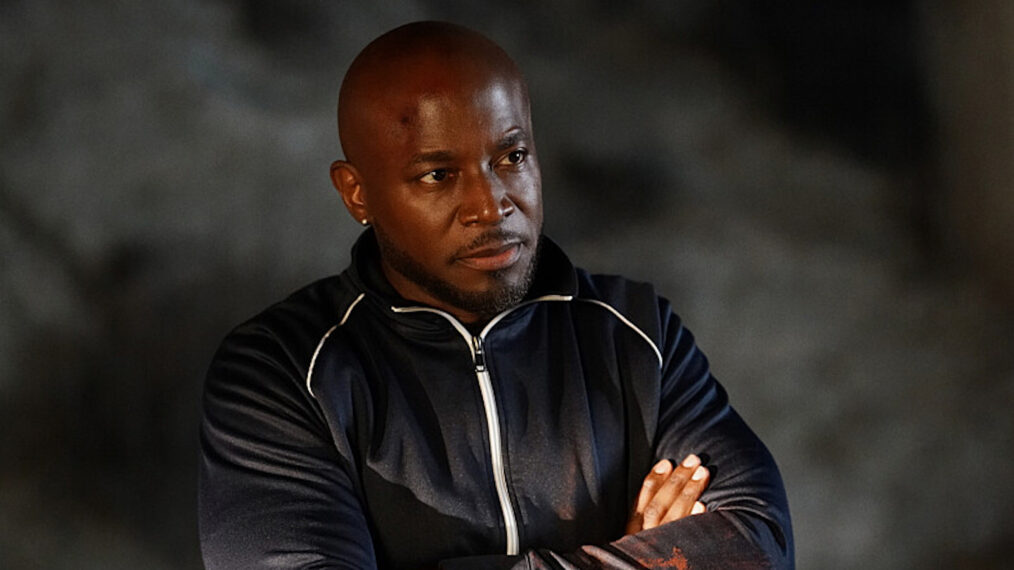
The void left by Coach Baker’s departure can be an opportunity to introduce new characters who bring fresh perspectives, conflicts, and relationships to the brand. This infusion of new blood can revitalize ensemble dynamics and attract new segments of the audience. The challenge is to ensure these new additions feel organic and additive, rather than simply filling a gap. They must contribute to the brand’s evolution while honoring its established identity.
Driving Merchandise and Spin-off Opportunities
The emotional impact of a character’s death can paradoxically boost merchandise sales, as fans seek ways to commemorate their favorite character. Special edition collectibles, memorial merchandise, or even art inspired by the character’s legacy can become significant revenue streams. Furthermore, if Coach Baker was particularly popular, their backstory or parallel experiences might even inspire spin-off series, prequels, or expanded universe content, thereby extending the brand’s reach and profitability into new markets.
Fostering Community and Collaborative Storytelling
The collective mourning and discussion around a character’s death can strengthen fan communities. Online forums, social media groups, and fan conventions become hubs for shared experiences, theories, and tributes. From a brand perspective, fostering these communities is invaluable. It transforms passive viewers into active participants, creating brand advocates who contribute to its organic growth and cultural relevance. Brands can facilitate this by providing official platforms for discussion, releasing behind-the-scenes content related to the character, or engaging directly with fan-generated content.
The Enduring Legacy: How Character Deaths Shape Brand Longevity
The ultimate test of a character’s death as a brand strategy lies in its long-term impact. Does it contribute to the brand’s enduring legacy, or does it become a regrettable decision that undermines its future? The answer often depends on the depth of the narrative planning and the brand’s commitment to its artistic vision.
Cementing Iconic Status
Some character deaths are so impactful and well-executed that they become iconic moments in pop culture history. They are discussed for years, referenced in other media, and become a defining part of the brand’s identity. Think of tragic heroes whose sacrifices resonate far beyond their final scenes. If Coach Baker’s death achieves this level of iconic status, it elevates the brand itself, associating it with powerful, memorable storytelling that stands the test of time. It becomes a benchmark for narrative bravery and emotional depth.
Influencing Reruns, Streaming, and Re-engagement
In the era of streaming and binge-watching, the re-watchability of a series is crucial for its long-term brand value. A character’s death, particularly one that significantly alters the narrative landscape, can make a series compelling for repeated viewings. Viewers might return to trace the character’s journey, understand the foreshadowing, or re-experience the emotional beats. This sustained engagement across different viewing cycles ensures the brand remains relevant and continues to attract new audiences long after its initial run.
Shaping the Brand’s Moral Compass and Worldview
The ultimate consequence of a character’s death often reflects the brand’s worldview. Does the death lead to despair, or does it inspire hope and resilience in the remaining characters? Is justice served, or does chaos prevail? These outcomes contribute to the brand’s philosophical statement and what it ultimately communicates about the human condition. If Coach Baker’s death contributes to a coherent and meaningful worldview, it strengthens the brand’s intellectual and thematic depth, attracting audiences who seek more than just superficial entertainment. It positions the brand as a thought-provoking entity, not just a fleeting diversion.
Measuring the Brand Impact: Metrics Beyond the Screen
Assessing the success of a narrative decision like a character’s death requires looking beyond traditional viewership numbers. True brand impact is measured in engagement, sentiment, and the enduring connection forged with the audience.
Social Media Metrics and Sentiment Analysis
Post-death, social media buzz is immediate and quantifiable. Tracking mentions, trending topics, hashtags, and sentiment analysis provides real-time feedback on how the audience is reacting. A surge in positive (or even intensely emotional, yet engaged) discussion, despite the sadness, can indicate a successful narrative execution. Conversely, widespread negative sentiment, anger, or calls for boycotts signal a potential brand misstep. These digital footprints are invaluable for understanding the cultural resonance and emotional investment generated by the event.
Fan Content Creation and Community Engagement
A strong indicator of a character’s lasting brand impact is the volume and quality of fan-generated content. Fan fiction, art, theories, memorial videos, and discussions in dedicated forums demonstrate a deeply engaged and loyal community. This organic, user-generated content is the purest form of brand advocacy and a testament to the character’s indelible mark on the brand’s universe. It signifies that the character, and by extension the brand, has transcended mere entertainment to become a part of the audience’s creative and emotional lives.

Long-Term Audience Loyalty and Legacy Perception
Ultimately, the most crucial metric is sustained audience loyalty and how the character’s death shapes the brand’s legacy over the long term. Does the event lead to a drop-off in viewership, or does it re-engage viewers and critics, earning the brand accolades for its narrative courage? Does Coach Baker’s death become a defining moment that elevates the brand in the pantheon of great storytelling, or does it fade into obscurity as a regrettable decision? The enduring conversations, critical retrospectives, and continued relevance in pop culture lexicon provide the truest measure of its success.
In conclusion, the question “what season did Coach Baker die?” is far more than a simple plot query; it’s a gateway to understanding the intricate dynamics of brand management within storytelling. The death of a significant character is a powerful strategic tool that, when wielded with foresight and narrative integrity, can invigorate a brand, deepen audience loyalty, and cement its place in cultural history. It’s a reminder that in the world of fictional brands, emotional connection is the ultimate currency, and narrative events, even tragic ones, are potent opportunities to reinforce identity and forge an enduring legacy.
aViewFromTheCave is a participant in the Amazon Services LLC Associates Program, an affiliate advertising program designed to provide a means for sites to earn advertising fees by advertising and linking to Amazon.com. Amazon, the Amazon logo, AmazonSupply, and the AmazonSupply logo are trademarks of Amazon.com, Inc. or its affiliates. As an Amazon Associate we earn affiliate commissions from qualifying purchases.