
The Law School Admission Test (LSAT) stands as a formidable gatekeeper to legal education, a standardized examination whose outcome can profoundly shape an aspiring lawyer’s future. For many, the immediate concern is simply “passing” the LSAT. However, this perspective fundamentally misunderstands the test’s role, especially when viewed through the lens of personal finance and strategic career investment. In the highly competitive and financially demanding world of legal education, there is no official “passing score.” Instead, prospective law students are chasing competitive scores that not only grant admission but, more crucially, unlock substantial scholarships, access to elite institutions, and ultimately, a more robust return on their significant investment in a legal career.

Understanding the LSAT score is not merely an academic exercise; it’s a critical financial calculation. The choice to pursue law school represents a substantial financial commitment, encompassing tuition, living expenses, and lost income during three years of study, often totaling hundreds of thousands of dollars. A strong LSAT score can drastically alter the financial landscape of this journey, transforming potential debt burdens into merit-based scholarships and opening doors to career paths with significantly higher earning potential. This article will delve into the strategic financial implications of your LSAT score, guiding you to view it not as a simple hurdle, but as the foundational investment in your future legal career.
Understanding the LSAT Score: Beyond a Simple “Pass”
The LSAT is a unique standardized test in that it doesn’t operate on a pass/fail system. Unlike a driver’s license exam or a professional certification, there’s no minimum threshold that guarantees entry into law school. Instead, your score is a competitive metric, a crucial data point among many that law school admissions committees use to assess your potential. From a financial perspective, understanding this distinction is paramount, as it directly influences your tuition costs, debt load, and future earning capacity.
The LSAT Scoring Scale and Its Implications
The LSAT is scored on a scale ranging from 120 to 180, with 120 being the lowest possible score and 180 being perfect. Most test-takers score somewhere in the middle, with the average score often hovering around 150-152. While a raw score gives you a number, its true significance lies in its corresponding percentile rank. A percentile rank indicates the percentage of test-takers who scored below you. For instance, a score of 160 might place you in the 80th percentile, meaning you scored better than 80% of other test-takers.
From a financial standpoint, higher percentile ranks are gold. Law schools, especially top-tier ones, are highly focused on increasing their median LSAT scores, which directly impacts their U.S. News & World Report rankings. Therefore, an applicant with a score significantly above a school’s median becomes a highly attractive candidate, often leading to lucrative merit scholarships. These scholarships can reduce tuition costs by tens of thousands of dollars annually, directly translating into less student loan debt and a healthier financial outlook post-graduation. The difference between a 155 and a 165 might seem like just ten points, but it could easily represent a five-figure difference in scholarship money over three years of law school.
Why “Passing” is a Misconception
The idea of “passing” the LSAT is a common misconception that can lead to suboptimal financial outcomes. Many prospective students mistakenly believe that any score good enough to get them into any law school is sufficient. However, the quality of your law school education, and its perceived prestige, profoundly impacts your career trajectory and earning potential. Attending a lower-tier law school with a mediocre LSAT score might indeed secure you a Juris Doctor (JD) degree, but it often comes with a significant financial risk: a substantial debt burden without the corresponding access to high-paying jobs or robust career opportunities that graduates from more selective schools enjoy.
The legal market is stratified, and top law firms, federal agencies, and prestigious clerkships overwhelmingly recruit from a select group of highly ranked institutions. These institutions, in turn, demand strong LSAT scores. Therefore, aiming for a score that simply “gets you in” to a less selective program could result in an adverse debt-to-income ratio post-graduation, making loan repayment a daunting challenge and limiting future financial flexibility. True financial prudence dictates aiming for a score that opens doors to institutions where your JD degree will yield the highest return on investment.
The Financial Weight of an LSAT Score
The correlation between your LSAT score and your financial future in law is direct and profound. A higher score is arguably the single most impactful factor in securing merit-based financial aid. Law schools use LSAT scores as a primary criterion for distributing scholarships, particularly those that do not require separate applications. An applicant with an LSAT score significantly above a school’s median becomes a valuable asset for that institution, as their score helps boost the school’s average, improving its ranking. To attract such candidates, schools are often willing to offer substantial tuition reductions, from partial scholarships to full-ride awards.
Consider the cost of law school, which can range from $30,000 to over $70,000 per year for tuition alone, not including living expenses. A scholarship of even $10,000 per year translates to $30,000 saved over three years – a substantial amount that directly reduces your student loan principal and the interest accrued on it. Furthermore, a strong LSAT score leading to admission into a top-ranked law school often correlates with access to “BigLaw” jobs, which offer starting salaries upwards of $200,000. This is a stark contrast to the salaries often found in public interest or smaller firm settings, which might start at $50,000-$80,000. The financial weight of your LSAT score, therefore, extends far beyond admission, influencing your immediate debt burden and your long-term earning potential.
Strategic Score Targets for Maximizing Your Return on Investment (ROI)
Given the profound financial implications of your LSAT score, adopting a strategic approach to setting your score target is essential. This isn’t about arbitrary numbers; it’s about aligning your LSAT performance with your financial goals for your legal career. Maximizing your ROI means not just getting into law school, but getting into the right law school under the best possible financial terms.
Benchmarking Against Top Law Schools (T14 and Beyond)
For many aspiring lawyers, particularly those focused on high-paying corporate law or prestigious judicial clerkships, admission to a Top 14 (T14) law school is the ultimate goal. These schools consistently produce graduates who secure the highest-paying positions and have the most robust career mobility. To even be considered for a T14 school, an LSAT score typically in the high 160s to low 170s is required. For example, scores ranging from 168-173+ are common for admitted students at these elite institutions.
From a financial perspective, targeting these scores is a strategic move. While the tuition at T14 schools is often among the highest, the potential for scholarships for candidates with exceptional LSAT scores is also significant. More importantly, the career outcomes from a T14 degree often justify the investment. Graduates from these schools consistently command starting salaries that are multiple times higher than the national average for law graduates, allowing for faster student loan repayment and greater wealth accumulation over a career. Even if you don’t aim for the T14, benchmarking against the top schools provides a clear understanding of the competitive landscape and the score ranges that unlock the most financially advantageous opportunities.
The Role of Median Scores in Admissions and Financial Aid
Every accredited law school publishes crucial statistics about its admitted class, including the 25th, 50th (median), and 75th percentile LSAT scores. These numbers are invaluable for setting your personal score target. Your goal should generally be to score at or, ideally, above the median LSAT score of your target schools.
Why is the median so important? For admissions committees, your LSAT score plays a significant role in their efforts to improve or maintain their school’s ranking. An applicant with a score above their median is highly desirable because it helps “pull up” their overall class median, which is a key factor in U.S. News & World Report rankings. To attract these applicants, schools are often willing to offer substantial merit scholarships. If your score is above the 75th percentile, you become an exceptionally attractive candidate, often eligible for significant scholarship packages, including full-tuition offers. This direct correlation between scoring above the median and receiving financial aid highlights the financial acumen required in approaching the LSAT. By aiming to be an “above-median” applicant, you are strategically positioning yourself to reduce your out-of-pocket costs and significantly improve your ROI.
Balancing Score Targets with Personal Financial Goals
While aiming for the highest possible score is generally advisable, it’s also important to align your score targets with your personal financial goals and career aspirations. Not every aspiring lawyer wants to work in BigLaw, and not everyone can or needs to attend a T14 school. For those interested in public interest law, regional practice, or specific niche areas, attending a less selective school might be a viable and financially responsible choice, provided the employment outcomes and debt-to-income ratios are carefully considered.
When researching schools, look beyond just LSAT medians. Investigate their employment statistics, focusing on bar passage rates, the types of jobs graduates secure (e.g., firm size, public interest, government), and the average starting salaries. Compare these figures with the average student debt from that institution. A school with a lower sticker price but poor employment outcomes might still leave you with significant debt and limited earning potential, resulting in a poor ROI. Conversely, a higher-ranked regional school with strong local placement and reasonable scholarships (obtained through a competitive LSAT score) could be an excellent financial decision. The key is to conduct thorough due diligence, viewing your law school choice as a major financial commitment that requires careful planning beyond merely “getting in.”
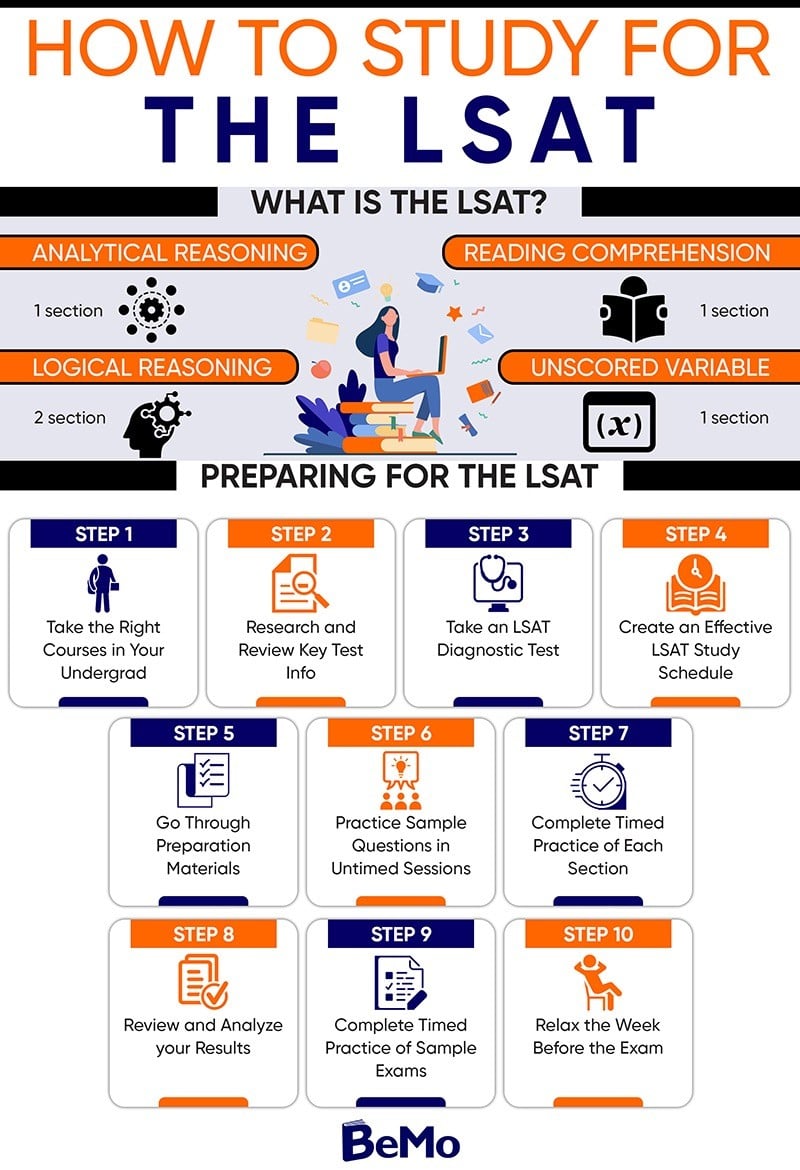
The Financial Impact of LSAT Preparation and Retakes
Preparing for the LSAT often involves a financial outlay itself, from study materials to comprehensive courses and private tutoring. While it might seem like an additional expense, viewing LSAT preparation as a strategic investment can yield substantial financial returns. Similarly, the decision to retake the LSAT, despite additional fees, can be a financially astute move if it leads to a significantly improved score and better scholarship opportunities.
Investing in LSAT Prep: A Critical Financial Decision
The cost of LSAT preparation varies widely. Self-study with books can be relatively inexpensive ($100-$300), while comprehensive online courses can range from $800 to $2,000, and private tutoring can cost thousands of dollars. Faced with these costs, some might be tempted to cut corners. However, this is often a false economy. Investing in high-quality LSAT preparation can be one of the most financially impactful decisions you make in your journey to law school.
Consider the potential upside: an improvement of just a few LSAT points can unlock merit scholarships worth tens of thousands of dollars. If a $1,000 prep course helps you achieve a score that nets you a $10,000/year scholarship, that’s a 30-fold return on your investment over three years of law school tuition. Moreover, effective preparation can reduce the need for costly retakes, saving you time and additional registration fees. It’s crucial to view LSAT prep not as an optional expense, but as a critical upfront investment designed to maximize your financial aid and secure a better position for your legal career. Research different prep options, read reviews, and choose a method that aligns with your learning style and budget, but always prioritize effectiveness.
Weighing the Costs and Benefits of Retaking the LSAT
The LSAT can be taken up to five times within a five-year period and a maximum of seven times in a lifetime. Each test administration carries a registration fee (currently around $222). While retaking the test means incurring this fee again, the financial benefits of an improved score often far outweigh the cost.
If your initial score is below your target schools’ medians, or if you believe you significantly underperformed due to nerves or insufficient preparation, a retake is often a wise financial decision. A 3-5 point increase could easily translate into tens of thousands of dollars in scholarship money. Before deciding to retake, objectively assess whether you can realistically improve your score. This usually involves dedicated study, addressing specific weak areas, and utilizing new preparation strategies. However, there are diminishing returns. If you’ve already achieved a highly competitive score, or if repeated retakes show minimal improvement, the additional time, stress, and cost might not be justified. Always analyze the potential increase in scholarship money or access to better schools against the direct costs and opportunity costs of repeated preparation and testing.
Utilizing Financial Aid and Fee Waivers for LSAT-Related Expenses
Recognizing the financial barriers some students face, the Law School Admission Council (LSAC) offers fee waiver programs. These waivers are crucial for students with demonstrated financial need, covering the cost of the LSAT exam itself, the Credential Assembly Service (CAS) registration (which compiles your transcripts, letters of recommendation, and LSAT scores for law school applications), and typically a certain number of law school application fees.
Securing an LSAC fee waiver can save you hundreds, if not thousands, of dollars in direct LSAT-related expenses. Many LSAT prep companies and non-profit organizations also offer scholarships or discounted materials for fee waiver recipients. Proactively researching and applying for these waivers and discounts is a critical step in managing the upfront costs of your legal education journey. It allows you to invest in quality preparation and take the test without undue financial stress, ultimately enhancing your chances of achieving a financially advantageous LSAT score.
Long-Term Financial Implications: LSAT Score to Legal Career and Beyond
The influence of your LSAT score doesn’t end with admission to law school or the securing of scholarships. It casts a long shadow over your entire legal career, directly affecting your post-graduation debt burden, the caliber of job opportunities available to you, and your overall long-term wealth accumulation. Viewing the LSAT as a foundational financial decision for your career helps contextualize its enduring importance.
Law School Debt and Your LSAT Score
The average law school graduate in the U.S. shoulders well over $100,000 in student loan debt, and for private schools, this figure can easily exceed $150,000-$200,000. This debt can significantly impact your financial freedom for years, influencing everything from housing choices and family planning to retirement savings. Your LSAT score is a primary weapon against this burden. By enabling access to merit scholarships, a strong score directly reduces the amount of money you need to borrow.
A student who receives a full-tuition scholarship thanks to an exceptional LSAT score might graduate with $100,000 less debt than a peer who had to pay full price. This difference translates into thousands of dollars saved in interest payments over the life of the loan, lower monthly payments, and the ability to pursue career paths that may not offer exorbitant salaries but align with personal passions (e.g., public interest law) without crippling financial stress. Managing law school debt begins with maximizing your LSAT score and the scholarships it can bring.
Career Opportunities and Earning Potential Linked to Your Score
The legal profession is highly stratified, and access to its most lucrative sectors is heavily gatekept by the prestige of your law school. As established, a strong LSAT score is a prerequisite for admission to the most selective law schools. Graduates from these top-tier institutions disproportionately gain access to prestigious career opportunities, such as positions at “BigLaw” firms, federal clerkships, in-house counsel roles at major corporations, and competitive government positions.
These roles often come with significantly higher starting salaries and more robust career progression paths. For example, a BigLaw associate’s starting salary can be $215,000+, while a public defender or prosecutor might start in the $50,000-$80,000 range. While both are noble and essential professions, the financial disparity is undeniable. Your LSAT score, by determining your access to different tiers of legal education, directly impacts your potential earning trajectory throughout your career. It’s a key determinant of whether you’ll be competing for positions with top-tier compensation packages or navigating a more challenging financial landscape.
The Lifetime Value of a Strong LSAT Score
Ultimately, an excellent LSAT score is more than just a number; it’s an initial catalyst for a financially rewarding legal career. The connections made at a top-tier law school, the prestige associated with its degree, and the robust alumni networks it offers provide a lifetime of advantages. These advantages extend beyond immediate post-graduation salaries, influencing career mobility, entrepreneurial opportunities, and the ability to accumulate wealth over decades.
A strong LSAT score, therefore, contributes to your “lifetime value” as a legal professional. It positions you for higher starting salaries, enables quicker debt repayment, facilitates greater investment in retirement and other assets, and opens doors to leadership roles and partnership tracks that often come with significant equity and long-term financial security. While the LSAT is just one test, its cascading effects on your financial well-being underscore its profound and lasting importance in the journey toward a successful legal career.

Conclusion
The question “what score do you need to pass the LSAT?” is a fundamental misunderstanding of this critical examination. There is no official passing score. Instead, there is a spectrum of competitiveness, directly tied to the financial outcomes of your legal education and career. A strong LSAT score is not merely an academic achievement; it is a strategic financial tool that can drastically reduce your debt burden, unlock prestigious career opportunities, and significantly enhance your long-term earning potential.
Approaching the LSAT requires a financially informed mindset. View preparation as a crucial investment, understand how target schools use median scores for admissions and scholarships, and strategically consider retakes to maximize your financial aid. The decisions you make regarding your LSAT score will resonate throughout your legal career, influencing everything from your student loan balance to your ultimate wealth accumulation. By understanding and leveraging the profound financial implications of your LSAT score, you can embark on your legal journey with greater confidence, reduced financial stress, and a clearer path to a financially rewarding future in law. Aim high, prepare smartly, and consider the comprehensive financial picture – your future self will thank you.
aViewFromTheCave is a participant in the Amazon Services LLC Associates Program, an affiliate advertising program designed to provide a means for sites to earn advertising fees by advertising and linking to Amazon.com. Amazon, the Amazon logo, AmazonSupply, and the AmazonSupply logo are trademarks of Amazon.com, Inc. or its affiliates. As an Amazon Associate we earn affiliate commissions from qualifying purchases.