
In an increasingly crowded marketplace, where products and services often blur into a sea of sameness, a distinctive brand identity becomes an invaluable asset. At the heart of many successful brands lies a powerful, often overlooked, element: the character. More than just a logo or a tagline, a well-designed character can embody a brand’s values, narrate its story, and forge an unbreakable emotional bond with its audience. From iconic mascots to memorable advertising figures, character design is not merely an artistic endeavor but a strategic imperative that elevates a brand from forgettable to legendary. This exploration delves into the foundational elements that define excellent character design within the branding landscape, examining its strategic role, core principles, and the process of bringing these compelling personalities to life.

The Strategic Imperative of Character in Branding
Characters serve as powerful conduits for brand messaging, often achieving what abstract logos or corporate rhetoric cannot: genuine human connection. Their strategic importance extends across several critical areas, offering tangible benefits that resonate deeply with consumers.
Building Emotional Resonance and Relatability
One of the most profound advantages of a well-crafted brand character is its ability to evoke emotion and foster relatability. Humans are inherently drawn to anthropomorphic figures and narratives. A character can humanize an otherwise faceless corporation, injecting personality, humor, and warmth into its interactions. Think of beloved mascots like Tony the Tiger for Kellogg’s Frosted Flakes, the Pillsbury Doughboy, or the Michelin Man. These characters transcend mere product representation; they become friends, trusted advisors, or even sources of comfort and joy. They simplify complex brand messages into relatable experiences, making the brand feel more approachable and trustworthy. This emotional connection translates directly into stronger customer loyalty and advocacy, as consumers are more likely to support brands they feel a personal affinity for.
Differentiating in a Crowded Market
In today’s hyper-competitive environment, standing out is paramount. While product features and pricing can be easily mimicked, a truly unique and memorable character offers a powerful differentiator that is difficult to replicate. A distinctive character acts as an instant identifier, cutting through the noise and capturing attention. Consider the distinct personalities and visual styles of characters like the M&M’s spokescandies, each with their own quirks and roles, or the GEICO Gecko. These characters don’t just represent their brands; they are the brand in the public consciousness. They provide a unique visual and narrative hook that imprints the brand onto the consumer’s memory, ensuring that even amidst a deluge of advertising, that specific brand’s message is recognized and recalled. This differentiation is crucial for establishing a unique market position and building long-term brand equity.
Storytelling and Brand Narrative
Brands that tell compelling stories are brands that resonate. Characters are unparalleled vehicles for conveying a brand’s narrative, values, and mission in an engaging and accessible manner. They can embark on adventures, overcome challenges, and interact with the world in ways that embody the brand’s ethos. For instance, the Energizer Bunny relentlessly “keeps going,” directly illustrating the product’s core benefit of longevity. Through a character’s actions and interactions, abstract brand values like reliability, innovation, or community spirit become concrete and understandable. This narrative potential allows brands to build rich, expansive worlds around their characters, creating content across various media—from traditional advertisements to social media campaigns, animated shorts, and interactive experiences. This consistent storytelling deepens consumer understanding and appreciation for the brand beyond its transactional offerings.
Core Principles of Effective Character Design for Brands
Crafting a good character for branding goes beyond artistic flair; it demands a strategic understanding of brand identity, audience psychology, and versatile execution. Several core principles guide the creation of truly effective brand characters.
Visual Appeal and Memorability
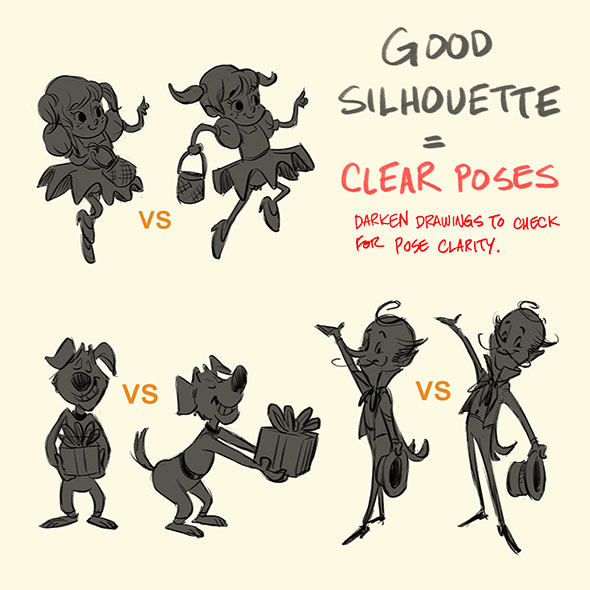
The first impression of a character is almost entirely visual. Therefore, strong visual appeal and memorability are non-negotiable. This involves more than just “looking good”; it means designing a character with a distinct silhouette, a harmonious color palette that aligns with brand guidelines, and an overall aesthetic that is unique and recognizable. A good character should be identifiable even in outline or at a glance. Details should serve a purpose, contributing to the character’s personality and the brand’s message. Exaggeration can often be a powerful tool for memorability, allowing a character to stand out. The visual language must be consistent with the brand’s broader identity, reinforcing its desired image, whether playful, sophisticated, trustworthy, or edgy. The goal is to create a character that is not only aesthetically pleasing but also instantly etched into the viewer’s memory, ensuring high brand recall.
Personality and Authenticity
A character without personality is merely an illustration. A truly effective brand character possesses a well-defined personality, complete with distinct traits, quirks, and a consistent voice. This personality must authentically reflect the brand’s core values and resonate with its target audience. If a brand aims to be seen as innovative and forward-thinking, its character might be curious and adventurous. If it champions reliability, the character could be steady and dependable. Developing a backstory, even a brief one, can help solidify this personality and ensure consistency across all brand touchpoints. Avoiding generic archetypes is crucial; authenticity comes from crafting a character that feels unique and genuine to the brand, rather than a mere copy of popular trends. Consumers are adept at detecting inauthenticity, and a character that feels forced or inconsistent will fail to connect.
Adaptability and Versatility Across Platforms
In the multi-channel world of modern branding, a character must be highly adaptable and versatile. This means designing a character that can translate seamlessly across a myriad of platforms and formats without losing its essence or visual integrity. From small avatars on social media profiles to large-scale billboards, animated commercials, merchandise, and even augmented reality experiences, the character needs to remain recognizable and impactful. This often requires simplified designs that hold up well at different resolutions and sizes, and an understanding of how the character will be animated or posed in various contexts. A character that looks great in a static logo but falls flat in animation or is difficult to reproduce on merchandise will limit its potential. Foresight in design ensures the character can evolve with technology and marketing trends, providing long-term value to the brand.
The Process: From Concept to Brand Icon
The journey from an initial idea to a beloved brand icon is a structured process that combines creative vision with strategic planning and meticulous execution.
Understanding the Brand’s Core Identity and Target Audience
The genesis of any great character design for a brand begins with deep introspection into the brand itself. This foundational phase involves a comprehensive understanding of the brand’s mission, vision, values, unique selling propositions, and its competitive landscape. Equally critical is an exhaustive analysis of the target audience: their demographics, psychographics, aspirations, pain points, and cultural context. Who are they? What do they value? What kind of personality would resonate with them? This research informs every subsequent design decision, ensuring the character is not just appealing, but strategically aligned. A character designed for a children’s cereal brand will naturally differ vastly from one intended for a financial advisory firm, both in aesthetic and personality. This step ensures the character serves a precise business objective.
Iteration and Feedback Loops
Character design is rarely a ‘one-shot’ process. It thrives on iteration and constructive feedback. This phase involves sketching multiple concepts, exploring different styles, expressions, and poses. Initial designs might be rough, focusing on silhouette and core personality. These concepts are then refined, often through digital tools, developing color palettes, material textures, and more detailed features. Crucially, feedback from internal stakeholders (marketing, product, leadership) and external focus groups (representing the target audience) is integrated at various stages. This iterative process helps to identify strengths, address weaknesses, and ensure the character resonates with both the brand’s vision and its intended audience. It’s a journey of refinement, moving closer to the ideal representation with each cycle of design and review.
Integration into the Brand Ecosystem
Once the character design is finalized, the true work of making it a brand icon begins: its seamless integration into the entire brand ecosystem. This involves a strategic rollout plan that introduces the character to the world across all relevant marketing channels. The character must appear consistently in advertising campaigns (TV, digital, print), on social media, product packaging, corporate websites, and any other customer touchpoints. Guidelines for the character’s usage, including approved poses, expressions, voice, and interactions, are established to maintain brand consistency and integrity. Furthermore, opportunities for merchandising, digital content, and interactive experiences are explored to maximize the character’s reach and impact. The goal is to embed the character so deeply into the brand’s identity that it becomes an inseparable and recognizable symbol, a true ambassador for the brand.
Measuring the Impact of Character Design on Brand Success
The investment in character design is a strategic one, and its success can be measured through various indicators that reflect enhanced brand performance and commercial value.
Brand Recognition and Recall
One of the most immediate and quantifiable impacts of a strong character design is its influence on brand recognition and recall. Memorable characters naturally stand out in a cluttered media landscape. Studies often show that consumers can more easily recall brands associated with distinctive characters compared to those without. This improved recognition translates into higher top-of-mind awareness when consumers are making purchasing decisions. Metrics such as aided and unaided brand recall, ad message retention, and brand salience surveys can directly assess how effectively the character is driving brand visibility and memorability among the target audience.
Engagement and Loyalty
Good characters foster a sense of connection and community around a brand, leading to increased consumer engagement and loyalty. When consumers feel a personal connection to a brand character, they are more likely to interact with the brand’s content, participate in promotions, and recommend the brand to others. Engagement can be measured through social media interactions (likes, shares, comments), website traffic, participation in character-themed events, and repeat purchases. Loyal customers often view brand characters as extensions of their own values or aspirations, solidifying their allegiance to the brand over time and building a robust, engaged customer base.
Commercial Value and Merchandise Potential
Beyond intangible benefits, well-designed characters can directly contribute to a brand’s commercial success. Iconic characters become valuable intellectual property, opening up avenues for lucrative merchandise licensing, partnerships, and spin-off products. Think of the vast array of merchandise featuring Disney characters, Marvel superheroes, or even brand mascots like the Energizer Bunny or Cheetos’ Chester Cheetah. These characters can generate significant revenue streams independent of the brand’s core product offerings. Furthermore, the overall increased brand recognition and emotional connection driven by a good character can directly translate into higher sales volume, market share, and premium pricing potential for the brand’s core products and services.

Conclusion
In the dynamic world of branding, where authenticity and connection reign supreme, a meticulously designed character is far more than a decorative element—it is a strategic powerhouse. From humanizing corporate identities and differentiating brands in competitive markets to acting as compelling storytellers and forging deep emotional bonds with audiences, the impact of a good character design is profound and multifaceted. By adhering to core principles of visual appeal, authentic personality, and cross-platform adaptability, and by engaging in a thoughtful design process, brands can transform an initial concept into an enduring icon. Ultimately, a successful character becomes an invaluable asset, not only bolstering brand recognition and engagement but also directly contributing to commercial success and long-term brand equity, proving that sometimes, the most effective way to communicate with humans is through a character that truly speaks their language.
aViewFromTheCave is a participant in the Amazon Services LLC Associates Program, an affiliate advertising program designed to provide a means for sites to earn advertising fees by advertising and linking to Amazon.com. Amazon, the Amazon logo, AmazonSupply, and the AmazonSupply logo are trademarks of Amazon.com, Inc. or its affiliates. As an Amazon Associate we earn affiliate commissions from qualifying purchases.