
In the lexicon of medicine, the term “stable” is a cornerstone, often signifying a state where a patient’s condition is not deteriorating, vital signs are within acceptable parameters, and immediate critical intervention may not be required. Historically, defining and assessing stability has largely relied on the trained eye of a clinician, their experience, and a series of manual observations. However, as healthcare hurtles into the digital age, propelled by unprecedented technological advancements, the very meaning and measurement of “stability” are undergoing a profound transformation. No longer solely a qualitative judgment, stability is increasingly becoming a quantitatively defined, continuously monitored, and proactively managed state, thanks to the pervasive integration of technology.

This article delves into how technology — encompassing AI, machine learning, wearable devices, sophisticated diagnostic tools, and even robotics — is reshaping our understanding of what it means for a patient to be “stable.” We will explore how these innovations are moving us beyond traditional, snapshot assessments towards a dynamic, data-driven, and predictive model of health stability, ultimately paving the way for more personalized and effective patient care.
The Evolving Definition of Stability Through Data and Analytics
The traditional medical definition of “stable” often refers to a patient whose condition is consistent, not worsening, and whose vital signs (heart rate, blood pressure, respiratory rate, temperature) are within a normal or acceptable range, often requiring no immediate, significant changes in treatment. While these fundamental parameters remain critical, technology is expanding this definition to incorporate a much broader, deeper, and more predictive understanding.
Beyond Vital Signs: Comprehensive Algorithmic Assessment
The era of digital health has moved us beyond simply monitoring a few key vital signs. Modern medical technology, particularly Artificial Intelligence (AI) and Machine Learning (ML), can now ingest and analyze a vast array of patient data points simultaneously. This includes not just real-time vital signs but also historical medical records, laboratory results, imaging scans, genomic data, medication histories, and even social determinants of health.
AI algorithms can identify subtle patterns and correlations that are imperceptible to the human eye, even for the most seasoned clinicians. For example, a slight, continuous upward trend in blood pressure combined with a specific sleep pattern deviation and a change in certain blood markers, might collectively signal an impending cardiac event long before any single parameter crosses a critical threshold. These sophisticated algorithms create a comprehensive “stability score” or risk profile, offering a far more nuanced and holistic view of a patient’s overall condition than was ever possible with manual assessments. This data integration and analysis capability allow for a more objective, data-driven definition of stability, mitigating potential human variability in assessment.
Predictive Analytics for Early Intervention
One of the most revolutionary impacts of technology on the concept of stability is the advent of predictive analytics. Instead of merely confirming a current stable state, AI models can forecast potential instability. By analyzing vast datasets of patient outcomes and identifying precursor patterns, these algorithms can alert healthcare providers to a patient’s increased risk of deterioration hours or even days before a crisis manifests.
For instance, in an intensive care unit (ICU), AI-powered systems continuously process real-time physiological data from multiple sensors. If a patient’s heart rate variability, oxygen saturation, and lactate levels begin to trend in a certain direction, the system can flag a high probability of sepsis or respiratory failure. This enables clinicians to intervene proactively, adjusting medications, initiating diagnostic tests, or implementing preventive measures, thereby maintaining stability rather than scrambling to regain it after a critical event. This shift from reactive to proactive care fundamentally redefines the pursuit of stability in medicine.
Wearable Technology and Remote Monitoring: Extending the Reach of Stability Assessment
The hospital ward is no longer the sole domain for assessing patient stability. Wearable technology and remote patient monitoring (RPM) platforms have democratized health data collection, extending the reach of clinical oversight into patients’ homes and daily lives. This continuous, ambient monitoring is particularly transformative for managing chronic conditions and preventing hospital readmissions.
Continuous, Non-Invasive Data Collection
Wearable devices, such as smartwatches, continuous glucose monitors, smart patches, and rings, are capable of collecting a wealth of physiological data non-invasively and continuously. This data includes heart rate, heart rate variability, sleep patterns, activity levels, oxygen saturation, skin temperature, and even rudimentary ECG readings. For patients recovering from surgery or managing chronic conditions like diabetes or heart failure, this constant stream of data provides an unparalleled insight into their baseline health and deviations from it.
For example, a patient with atrial fibrillation can wear a device that continuously monitors heart rhythm, immediately alerting them and their physician to an irregular episode, even if asymptomatic. The sheer volume and frequency of data points collected paint a dynamic picture of stability, allowing for early detection of subtle changes that might indicate a decline, well before a scheduled doctor’s visit or the onset of overt symptoms. This capability transforms stability from an intermittent observation into a continuous spectrum.
Telehealth and Remote Patient Monitoring (RPM) Platforms
Complementing wearable technology are sophisticated telehealth and RPM platforms. These systems integrate data from wearables and other home medical devices (e.g., smart blood pressure cuffs, scales) and transmit them securely to healthcare providers. Clinicians can then review trends, set personalized thresholds, and intervene remotely when necessary.
RPM is proving instrumental in managing conditions that require sustained stability, such as hypertension or congestive heart failure. Patients can regularly transmit their blood pressure or weight readings from home, and algorithms can analyze these trends. If a patient’s weight unexpectedly increases, signaling fluid retention, a nurse or doctor can initiate a video consultation to adjust diuretics or provide dietary advice, preventing an exacerbation that might otherwise lead to an emergency room visit. These platforms not only enhance patient safety by maintaining stability outside traditional clinical settings but also improve patient engagement and reduce healthcare costs by avoiding unnecessary hospitalizations.
AI-Powered Diagnostics and Decision Support for Maintaining Stability
The journey to patient stability often begins with an accurate diagnosis and is sustained through informed treatment decisions. Here, AI-powered tools are revolutionizing both the speed and precision of medical practice, directly contributing to more consistent and reliable patient stability.
Enhancing Diagnostic Accuracy
AI’s ability to process and interpret complex data sets has significantly impacted medical diagnostics. In medical imaging, for example, AI algorithms can analyze X-rays, MRIs, and CT scans with remarkable speed and accuracy, often identifying subtle anomalies that might be missed by the human eye. In radiology, AI can assist in detecting early signs of cancer, strokes, or pneumonia, enabling earlier intervention and preventing a patient’s condition from deteriorating. Similarly, in pathology, AI can analyze tissue biopsies to classify disease types, assess aggressiveness, and predict response to therapy with greater precision.
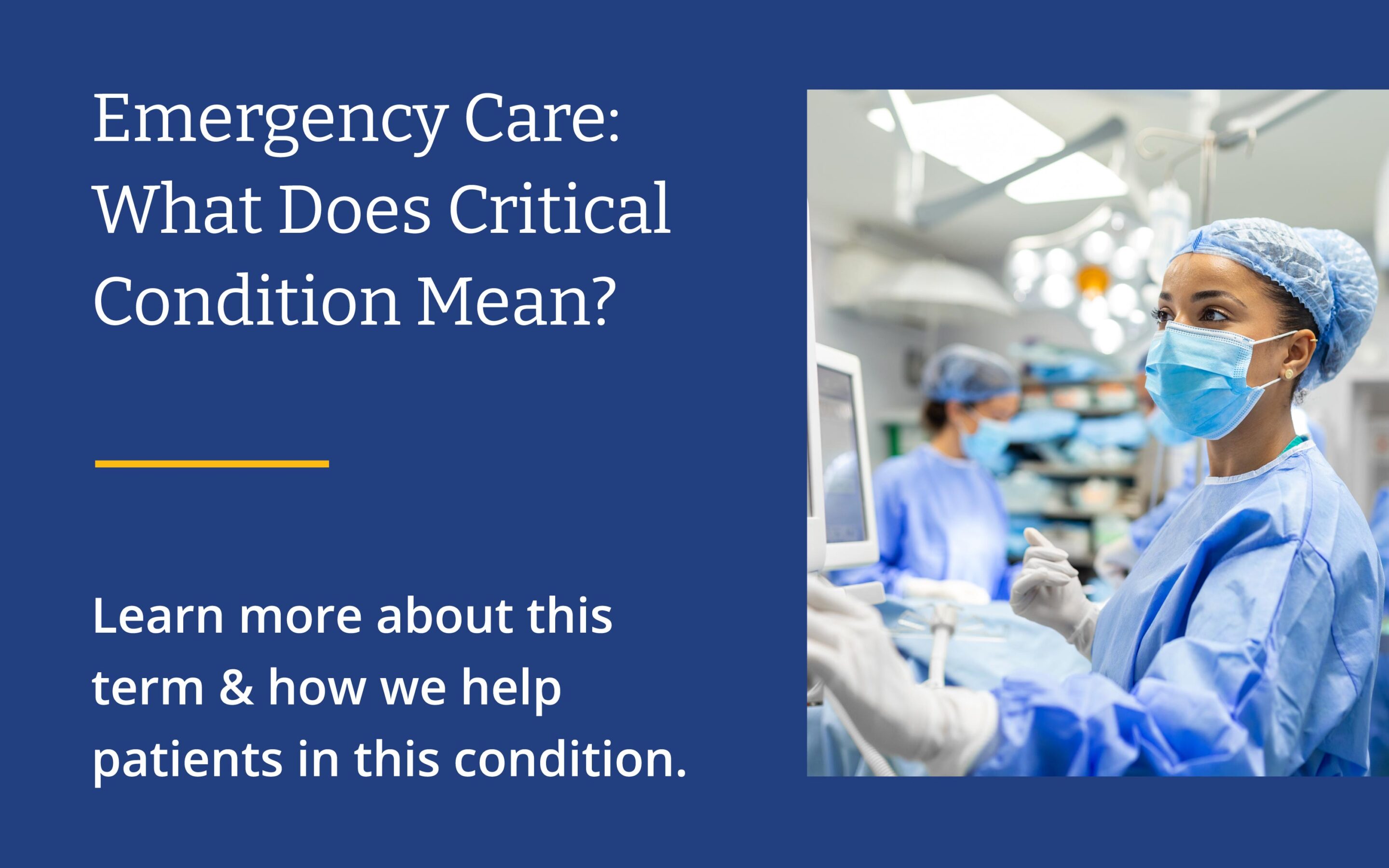
By providing faster and more accurate diagnoses, AI tools allow clinicians to initiate appropriate treatment plans earlier, thereby preventing the escalation of conditions that could lead to instability. The earlier a problem is identified, the easier it is to maintain or restore a patient’s stable state, reducing morbidity and improving outcomes.
Clinical Decision Support Systems (CDSS)
Maintaining patient stability, especially in complex cases, requires making optimal treatment decisions. Clinical Decision Support Systems (CDSS), often powered by AI and machine learning, serve as invaluable assistants to clinicians. These systems integrate a patient’s unique data (medical history, lab results, current medications, genomic profile) with vast libraries of medical knowledge, clinical guidelines, and research findings.
CDSS can then offer evidence-based recommendations for diagnosis, treatment, and medication management. For instance, an AI-powered CDSS might flag a potential drug-drug interaction, recommend an optimal antibiotic based on local resistance patterns, or suggest a personalized chemotherapy regimen based on a tumor’s genetic markers. By providing real-time, personalized guidance, CDSS helps clinicians minimize errors, adhere to best practices, and tailor treatments to individual patient needs, all of which are crucial for maintaining a stable and improving patient trajectory.
Robotics and Automation in Surgical and Post-Operative Stability
Beyond diagnostics and monitoring, technological advancements in robotics and automation are directly impacting patient stability, particularly in surgical settings and post-operative recovery.
Precision Robotics in Surgery
Robotic-assisted surgery has ushered in an era of unprecedented precision and minimally invasive procedures. Surgical robots, controlled by highly skilled surgeons, can perform intricate operations with greater dexterity, tremor reduction, and visualization capabilities than traditional open surgery or even conventional laparoscopy. This leads to smaller incisions, reduced blood loss, lower infection rates, and less post-operative pain.
The direct result of these benefits is a significantly smoother and faster recovery period for patients. Less trauma to the body means quicker healing, reduced complications, and ultimately, a more stable post-operative course. Patients who undergo robotic surgery are often discharged earlier and return to normal activities sooner, signifying a more rapid return to their stable baseline health. The stability achieved through robotic precision extends beyond the operating room, influencing the entire recovery journey.
Automated Drug Delivery and Monitoring Systems
Post-operative stability, particularly in critical care or oncology, often hinges on precise medication management. Automated drug delivery systems, such as smart infusion pumps and closed-loop drug delivery systems, are instrumental in maintaining stable physiological parameters. These devices ensure that medications are administered with extreme accuracy, preventing under-dosing or over-dosing, which could lead to instability.
For instance, in diabetes management, closed-loop insulin delivery systems (often called artificial pancreases) continuously monitor blood glucose levels and automatically adjust insulin delivery, mirroring the body’s natural response. This automation removes much of the human variability and error, ensuring glucose levels remain stable within a tight therapeutic range. Similarly, in anesthesia, automated systems can adjust anesthetic delivery based on real-time patient physiological responses, maintaining a stable depth of anesthesia and minimizing complications during surgery. These technological solutions provide a layer of reliable control that is crucial for sustained stability during critical periods.
The Future of Medical Stability: Hyper-Personalization and Proactive Care
As technology continues its relentless march forward, the concept of medical stability is poised for even greater transformation, moving towards hyper-personalized and profoundly proactive care models.
Digital Twins and Personalized Stability Models
One of the most exciting frontiers is the development of “digital twins” in healthcare. This involves creating a virtual replica of an individual patient, built from their unique physiological data, genomic information, lifestyle factors, and medical history. This digital twin can then be used to simulate various medical interventions, predict disease progression, and forecast how a patient’s stability might be affected by different treatments or lifestyle changes.
For example, a digital twin could be used to simulate the impact of a new medication on a patient’s heart function, or predict the likelihood of a stable recovery from a complex surgery based on their specific biological makeup. This hyper-personalized approach would allow clinicians to precisely tailor care plans to maintain optimal stability for each individual, moving beyond generalized protocols. The digital twin becomes a living, evolving model for predicting and ensuring individual stability.
Ethical Considerations and Data Security
However, this future, rich with technological promise, is not without its challenges. The vast collection and analysis of sensitive patient data raise significant ethical concerns regarding privacy, data security, and consent. Robust cybersecurity measures are paramount to protect against breaches that could compromise patient trust and safety.
Furthermore, the integration of AI in decision-making necessitates careful consideration of algorithmic bias. If AI models are trained on unrepresentative datasets, they could perpetuate or even amplify existing health disparities, leading to unequal assessments of stability and care for certain patient populations. Ensuring equitable access to these advanced technologies and developing transparent, explainable AI models will be critical to harness their full potential responsibly.

Conclusion
The term “stable” in medical terms, once a qualitative assessment rooted in clinical judgment, is being profoundly redefined by technology. From AI-powered comprehensive assessments and predictive analytics to continuous remote monitoring via wearables, and from precision surgical robotics to intelligent decision support systems, technology is transforming stability into a dynamic, data-driven, and highly manageable state.
This paradigm shift moves healthcare beyond reactive crisis management towards a proactive, preventive, and hyper-personalized model of care. As these technological advancements continue to evolve, they promise to unlock new levels of precision, safety, and effectiveness, ultimately enabling healthcare professionals to maintain patient stability with unprecedented consistency and foresight, leading to improved outcomes and a better quality of life for all. The future of medical stability is undeniably digital, intelligent, and deeply integrated with the fabric of technological innovation.
aViewFromTheCave is a participant in the Amazon Services LLC Associates Program, an affiliate advertising program designed to provide a means for sites to earn advertising fees by advertising and linking to Amazon.com. Amazon, the Amazon logo, AmazonSupply, and the AmazonSupply logo are trademarks of Amazon.com, Inc. or its affiliates. As an Amazon Associate we earn affiliate commissions from qualifying purchases.