
In the intricate tapestry of the modern healthcare system, acronyms abound, often carrying significant weight and complex implications. One such acronym, “IPA,” frequently surfaces in medical discussions, and while it might sometimes refer to chemical compounds or specific medical conditions, within the context of healthcare administration and economics, it most commonly denotes an Independent Practice Association. Far from a mere organizational label, IPAs play a pivotal role in the financial architecture of healthcare delivery, profoundly impacting how physicians operate, how services are reimbursed, and ultimately, the financial well-being of both providers and patients. This exploration delves into the financial nuances of IPAs, positioning them squarely within the realm of business finance, strategic income generation, and the evolving economic landscape of medicine.

The Genesis of IPAs: A Response to Evolving Healthcare Economics
The emergence and proliferation of Independent Practice Associations are not coincidental; they represent a strategic adaptation to significant shifts in healthcare economics, particularly with the rise of managed care. Understanding their origin is crucial to grasping their financial mandate.
The Shift Towards Managed Care and Cost Containment
Historically, fee-for-service was the dominant model, where physicians were paid for each service rendered, incentivizing volume. However, as healthcare costs soared and the imperative for cost containment grew, managed care organizations (MCOs), such as Health Maintenance Organizations (HMOs) and Preferred Provider Organizations (PPOs), gained prominence. These entities sought to control costs by negotiating lower rates, establishing networks of providers, and introducing mechanisms like capitation and utilization review.
For individual, independent physicians or small practices, directly negotiating with large MCOs presented a formidable challenge. They lacked the collective bargaining power, the administrative infrastructure, and the data analytics capabilities to secure favorable terms or navigate complex contractual landscapes. This power imbalance threatened the financial viability of independent practices, pushing them towards hospital employment or consolidation. The financial pressure was immense, driving a need for a new organizational model that could level the playing field.
Empowering Independent Physicians in a Consolidating Market
IPAs emerged as a solution, designed to aggregate independent physicians into a single entity for the express purpose of contracting with managed care plans. This collaborative model allowed independent practitioners to maintain their autonomy while benefiting from the collective strength of a larger group. From a financial perspective, IPAs provided a crucial shield against market forces that favored large integrated health systems. They enabled physicians to:
-
Retain Independence: Physicians could continue operating their own practices, managing their own overhead, staff, and clinical decisions, rather than becoming salaried employees.
-
Access Managed Care Contracts: IPAs acted as a conduit, allowing individual practices to participate in contracts they would otherwise be too small to secure. This was vital for revenue diversification and patient access in a market increasingly dominated by managed care.
-
Share Administrative Burden: The often-onerous financial and administrative tasks associated with managed care (billing, credentialing, quality reporting) could be centralized and shared within the IPA, reducing individual practice overhead and allowing physicians to focus more on patient care.
Thus, IPAs were born out of a financial necessity – to protect and promote the business interests of independent physicians in a rapidly changing, cost-conscious healthcare environment.
IPAs as a Business Model: Aggregating Financial Strength and Risk
At its core, an IPA functions as a business entity, albeit one comprised of distinct, independently owned medical practices. Its primary business objective is to leverage collective strength to optimize financial outcomes for its members, encompassing negotiation, risk management, and operational efficiencies.
Negotiating Power: Securing Favorable Reimbursement Rates
One of the most significant financial advantages of an IPA is its enhanced negotiating power. An individual physician or small practice has limited leverage when negotiating reimbursement rates with large insurance companies. However, an IPA, representing hundreds or even thousands of physicians across various specialties, holds substantial bargaining power. This collective strength allows the IPA to:
-
Demand Better Rates: Insurers are more inclined to offer competitive rates to an IPA, as denying them would mean losing access to a significant network of providers, potentially impacting their enrollee base.
-
Negotiate Favorable Contract Terms: Beyond just rates, IPAs can negotiate on various contract terms, including prompt payment clauses, appeal processes, and administrative requirements, all of which directly impact a practice’s cash flow and financial efficiency.
-
Access Diverse Payer Contracts: IPAs can secure contracts with multiple health plans, offering members a broader spectrum of patient referrals and revenue streams, reducing reliance on any single payer.
This collective negotiation acts as a vital financial tool, directly contributing to the “online income” (revenue from insurance claims) of member practices by optimizing the terms under which their services are paid for.
Risk Sharing and Capitation: Managing Financial Exposure
Managed care contracts often introduce elements of financial risk-sharing, most notably through capitation. Under a capitated model, the IPA (and by extension, its member physicians) receives a fixed per-member, per-month payment for each enrolled patient, regardless of how many services that patient utilizes. This shifts the financial risk from the payer to the provider. If patients utilize fewer services than projected, the IPA profits; if they utilize more, the IPA incurs a loss.
IPAs are structured to manage this financial risk by:
-
Pooling Risk: The risk of high-utilization patients is spread across a large number of providers and patients, mitigating the impact of any single high-cost case.
-
Developing Utilization Management Programs: IPAs often implement protocols and systems to manage patient care efficiently, aiming to reduce unnecessary services while maintaining quality, thereby safeguarding their financial solvency under capitation.
-
Distributing Funds: The IPA receives the capitated payments and then distributes them to member physicians based on a predetermined formula, which might include factors like specialty, patient panel size, and performance metrics. This complex financial allocation requires robust accounting and financial management systems.
Effectively managing capitated contracts is a sophisticated business finance challenge, requiring careful forecasting, cost control, and performance monitoring to ensure the IPA and its members remain financially viable.
Economies of Scale in Operations and Administration
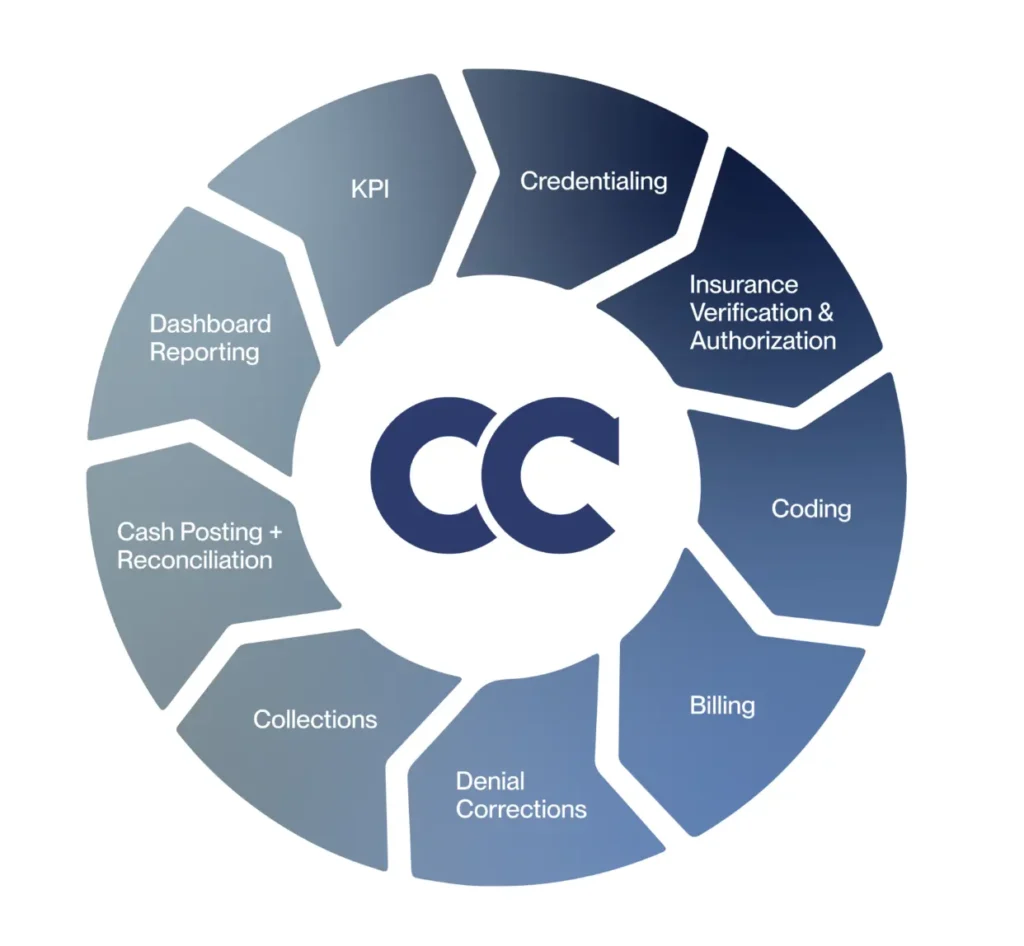
Beyond contracting, IPAs offer significant financial advantages through economies of scale in operational and administrative functions. Individual practices often struggle with the cost and complexity of administrative tasks such as:
-
Credentialing: The process of verifying a physician’s qualifications to participate in an insurance network.
-
Billing and Collections: Managing claims submission, denials, and appeals, which can be highly complex and resource-intensive.
-
Electronic Health Records (EHR) and IT Support: Investing in and maintaining sophisticated technology systems.
-
Compliance: Navigating the ever-growing labyrinth of healthcare regulations.
An IPA can centralize these functions, leveraging its larger size to:
-
Reduce Per-Practice Costs: Shared administrative staff, consolidated IT infrastructure, and collective purchasing power for supplies or software lead to lower overhead for each member practice.
-
Improve Efficiency: Specialized IPA staff can perform administrative tasks more efficiently and accurately than individual practice staff, reducing errors and accelerating revenue cycles.
-
Enhance Data Analytics: IPAs can collect and analyze aggregated data on patient outcomes, utilization patterns, and financial performance, providing valuable insights for improving care and optimizing business operations – akin to a large corporation using financial tools for strategic decision-making.
These operational efficiencies directly translate into financial savings and improved profitability for independent practices, allowing them to focus resources on core clinical activities.
Financial Advantages and Disadvantages for Physicians and Patients
While IPAs offer compelling financial benefits, they also introduce a unique set of considerations and potential trade-offs for both the participating physicians and the patients they serve. A balanced perspective is crucial.
Revenue Enhancement and Cost Reduction for Practices
For physicians, the primary financial allure of joining an IPA lies in enhanced revenue potential and reduced operational costs. The improved reimbursement rates, expanded access to patient panels through managed care contracts, and centralized administrative services collectively bolster a practice’s bottom line. For many independent physicians, an IPA can be the difference between struggling to stay afloat and achieving sustainable profitability. It allows them to tap into income streams that would otherwise be inaccessible and reduces the “side hustle” burden of managing complex back-office operations, freeing them to focus on clinical work.
Moreover, IPAs can facilitate access to advanced financial tools and expertise that individual practices might not afford. This can include sophisticated billing software, legal counsel for contract review, and consulting services for practice management and quality improvement, all contributing to long-term financial health.
Impact on Physician Autonomy and Financial Control
While IPAs enable physicians to maintain clinical independence, joining one inevitably means relinquishing a degree of financial and operational autonomy. Physicians must adhere to the IPA’s administrative protocols, participate in its quality initiatives, and accept its financial distribution models. This can sometimes lead to:

-
Loss of Direct Payer Relationship: Individual practices may have less direct say in contract negotiations with specific payers, relying on the IPA to represent their interests.
-
Variable Payouts: Reimbursement formulas within an IPA can be complex and may not always align perfectly with an individual practice’s financial expectations, especially in capitated models where income is tied to group performance.
-
Administrative Overhead: While shared, the IPA itself has operational costs, which are ultimately borne by its members, typically through administrative fees or deductions from collected revenue.
For some physicians, the trade-off between increased financial security and reduced individual control is a significant consideration, requiring careful evaluation of the IPA’s governance and financial transparency.
Patient Access, Choice, and Out-of-Pocket Costs
From a patient’s perspective, IPAs can influence healthcare finance through several channels. A well-managed IPA can enhance patient access by creating a broad network of providers, offering more choices within a managed care plan. This can be particularly beneficial in areas where independent practices are prevalent.
However, the structure of IPA contracts, especially those involving capitation and risk-sharing, can also indirectly influence patient care and costs. While the goal is efficient, high-quality care, there’s always a potential tension between cost containment and comprehensive service delivery. Patients might experience:
-
Referral Requirements: Some IPA-affiliated plans may require primary care physicians to provide referrals for specialty care, impacting patient choice and adding administrative steps.
-
Utilization Management: While designed to prevent unnecessary services, utilization reviews can sometimes lead to delays in care or disputes over coverage, potentially affecting patient out-of-pocket expenses if services are denied.
-
Network Limitations: Patients enrolled in plans contracted with a specific IPA can only see providers within that IPA’s network without incurring higher out-of-network costs.
Overall, the financial structure of an IPA aims to balance cost-effectiveness with quality, but patients need to understand how their insurance plan’s relationship with an IPA might affect their access to care and financial responsibilities.
The Role of IPAs in Modern Healthcare Finance
The healthcare landscape is perpetually evolving, with new payment models, technological advancements, and regulatory changes constantly reshaping its financial contours. IPAs continue to adapt, reinforcing their role as critical financial intermediaries.
Adapting to Value-Based Care and Quality Incentives
The shift from fee-for-service to value-based care (VBC) models—where providers are reimbursed based on health outcomes, quality metrics, and cost efficiency rather than just volume—presents both challenges and opportunities for IPAs. Financially, VBC models demand:
-
Robust Data Analytics: To track performance, identify areas for improvement, and demonstrate value.
-
Care Coordination Capabilities: To manage patient populations effectively and prevent costly readmissions or complications.
-
Financial Incentives Alignment: To reward providers for achieving quality targets and cost savings.
IPAs are uniquely positioned to assist their members in this transition. By aggregating data across practices, investing in population health management tools, and establishing shared financial incentives, IPAs help independent physicians participate profitably in VBC contracts that they couldn’t access individually. This allows member practices to tap into new income streams tied to quality performance, akin to a sophisticated “business finance” strategy for maximizing revenue under new market conditions.
Leveraging Technology for Financial Management and Reporting
In an increasingly data-driven environment, technology is indispensable for sound financial management. IPAs leverage advanced financial tools and health IT solutions to optimize their operations:
-
Integrated Billing Systems: Streamlining claims submission, denial management, and payment processing.
-
Electronic Health Records (EHRs): Facilitating data collection for quality reporting and risk adjustment.
-
Practice Management Software: Managing appointments, patient demographics, and financial transactions.
-
Business Intelligence Dashboards: Providing real-time insights into financial performance, utilization trends, and quality metrics across the entire IPA.
These technological investments, often too costly for individual practices, become economically viable when shared across an IPA. They enable proactive financial monitoring, reduce administrative overhead, improve compliance, and ultimately contribute to the financial health and sustainability of the entire network.
Future Trends: IPAs and the Evolving Financial Landscape of Medicine
The future of healthcare finance suggests a continued push towards consolidation, greater accountability for outcomes, and innovative payment models. IPAs are likely to evolve further by:
-
Expanding Beyond Traditional MCOs: Exploring partnerships with employers, self-insured plans, and direct primary care models.
-
Investing in Ancillary Services: Developing their own imaging centers, labs, or urgent care facilities to control costs and capture more revenue.
-
Forming Accountable Care Organizations (ACOs): Evolving into more integrated VBC entities that take on greater financial risk and reward for managing the total cost of care for a defined patient population.
These trends underscore the IPA’s adaptability as a “business finance” model, constantly seeking new avenues for revenue generation, cost efficiency, and risk mitigation in a dynamic market.
Strategic Financial Planning for IPA Members
For independent physicians considering or already part of an IPA, strategic financial planning is paramount to maximizing the benefits and mitigating the challenges presented by this organizational structure.
Understanding Contractual Obligations and Payout Structures
The financial success of an IPA member hinges on a clear understanding of the IPA’s contracts with payers and its internal payout mechanisms. Physicians must scrutinize:
-
Reimbursement Schedules: Knowing the rates for common procedures and services.
-
Capitation Models: If applicable, understanding how per-member-per-month payments are calculated and distributed.
-
Performance Incentives: Identifying opportunities to earn additional revenue through quality bonuses or cost-savings initiatives.
-
Administrative Fees: Being aware of any deductions the IPA takes for its operational costs.
This due diligence allows practices to accurately project their “online income” from IPA contracts and plan their own financial budgets effectively.
Maximizing Practice Profitability Within the IPA Framework
While the IPA handles much of the collective strategy, individual practices still have considerable agency in optimizing their own financial performance. This includes:
-
Efficient Practice Management: Streamlining internal workflows, managing overhead costs, and optimizing scheduling to improve patient volume and reduce waste.
-
Quality Improvement Initiatives: Actively participating in and excelling at IPA quality programs to maximize performance-based incentives.
-
Appropriate Coding and Documentation: Ensuring accurate and complete medical records to support proper billing and minimize claim denials, a direct contributor to revenue.
-
Patient Engagement: Fostering patient loyalty and adherence to care plans, which can improve outcomes and indirectly impact capitated or value-based payments.
By focusing on these areas, individual practices enhance their “business finance” capabilities and contribute to the overall financial strength of the IPA, creating a virtuous cycle.
Long-Term Financial Sustainability and Exit Strategies
Joining an IPA should be viewed as a long-term strategic financial decision. Practices need to consider how membership aligns with their long-term financial goals, including retirement planning, practice expansion, or potential future sales. An IPA can facilitate these goals by:
-
Building Practice Value: Participation in a financially healthy IPA, especially one engaged in value-based care, can increase the intrinsic value of an individual practice.
-
Succession Planning: The IPA network can sometimes provide avenues for succession planning, connecting retiring physicians with younger practitioners seeking to join established practices.
-
Financial Data: The aggregated data and performance metrics collected by the IPA can be invaluable for demonstrating a practice’s financial health to potential buyers or investors.
Ultimately, the IPA structure, when leveraged strategically, acts as a powerful financial tool for independent medical practices, enabling them to navigate the complexities of modern healthcare economics and secure their long-term financial sustainability.
In conclusion, when “IPA” appears in medical terms, particularly in discussions about healthcare delivery and administration, it most often signifies an Independent Practice Association. Far from a mere acronym, it represents a sophisticated business model designed to equip independent physicians with the collective financial strength, administrative efficiency, and strategic leverage needed to thrive in a managed care environment. From negotiating power and risk management to adapting to value-based care and harnessing technology, the IPA’s financial imprint is undeniable, making it a cornerstone of business finance within the healthcare sector.
aViewFromTheCave is a participant in the Amazon Services LLC Associates Program, an affiliate advertising program designed to provide a means for sites to earn advertising fees by advertising and linking to Amazon.com. Amazon, the Amazon logo, AmazonSupply, and the AmazonSupply logo are trademarks of Amazon.com, Inc. or its affiliates. As an Amazon Associate we earn affiliate commissions from qualifying purchases.