
In the intricate tapestry of public service, few roles are as visible, impactful, and scrutinized as that of a patrol officer. Far beyond the traditional understanding of crime fighting and law enforcement, these individuals are the living, breathing embodiment of an agency’s brand. Every interaction, every response, and every visible action undertaken by a patrol officer contributes directly to the corporate identity, public trust, and overall “brand equity” of their police department and the broader institution of law enforcement. To understand what patrol officers do is to understand their profound role as the frontline brand ambassadors of justice and public safety.
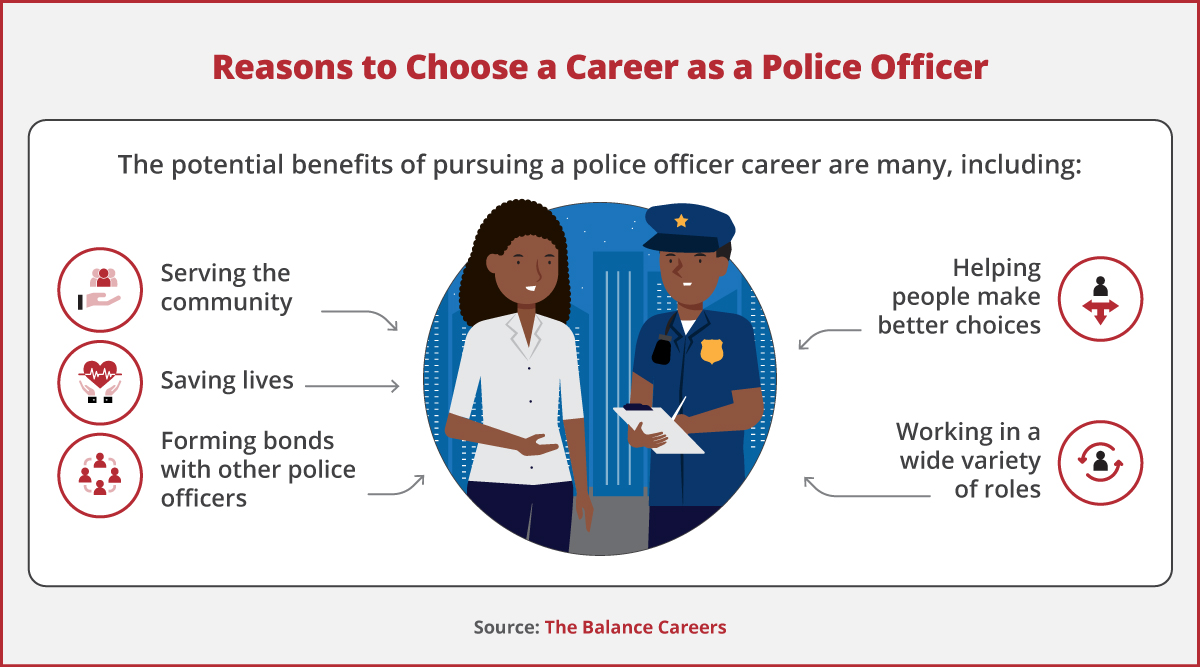
The Frontline of First Impressions: Patrol Officers as Brand Touchpoints
The patrol officer is often the very first, and sometimes only, point of contact a citizen has with law enforcement. This makes them critical brand touchpoints, where the abstract values and mission statements of a department are translated into tangible, human interaction. These interactions are formative, shaping individual and community perceptions about the police force’s competence, compassion, and commitment.
Uniform and Presence: Visual Brand Identity in Action
The uniform itself is a powerful piece of visual brand identity. It represents authority, protection, and order. When a patrol officer steps out in uniform, they are not just an individual; they are a walking billboard for their department. Their demeanor, posture, and even the way they maintain their equipment all communicate subtle messages about the professionalism and readiness of the brand they represent. A well-maintained uniform and a confident, approachable presence can instantly build a foundational level of trust and respect, while a dishevelled appearance or an aggressive stance can erode it just as quickly. This visual and non-verbal communication is a critical, continuous marketing effort, influencing public perception before a single word is exchanged.
Initial Contact: The Crucial Moment of Brand Interaction
Whether responding to a 911 call, conducting a traffic stop, or simply walking a beat, the initial moments of contact are paramount for brand perception. A patrol officer’s ability to remain calm, empathetic, and professional under pressure speaks volumes about the brand’s core values. How they greet a citizen, how they explain their actions, and how they manage expectations directly impacts whether that citizen views the police as a helpful ally or an antagonistic force. This micro-interaction, often fleeting, is a high-stakes brand engagement, capable of solidifying loyalty or generating deep skepticism. It is in these moments that the department’s brand promise – to protect and serve – is either upheld or broken.
Community Engagement: Weaving the Brand into the Social Fabric
Beyond reactive responses, patrol officers actively engage with the community in proactive ways that build and strengthen the brand. Participating in community events, conducting safety presentations at schools, or simply engaging in casual conversations on the street are all vital brand-building activities. These interactions humanize the badge, fostering relationships based on familiarity and mutual respect. When officers are seen as approachable members of the community, rather than distant figures of authority, the brand of law enforcement becomes integrated into the social fabric. This grassroots marketing creates goodwill, builds social capital, and cultivates a sense of partnership between the police and the people they serve, a cornerstone of any successful brand strategy.
Beyond Reactive Policing: Proactive Brand Building
While responding to incidents is a core duty, the most effective patrol officers are also proactive brand builders. They understand that their role extends to preventing crime and fostering a safer environment, which inherently enhances the brand’s reputation for effectiveness and community care.
Problem-Solving and Resourcefulness: Demonstrating Core Brand Values
Many situations patrol officers encounter are not straightforward criminal matters but complex social issues requiring ingenuity and resourcefulness. From de-escalating domestic disputes to connecting individuals experiencing homelessness with social services, officers frequently act as first responders to a spectrum of community challenges. Their ability to think critically, adapt quickly, and apply creative problem-solving techniques demonstrates the brand’s commitment to effective solutions beyond punitive measures. This showcases the depth and breadth of the department’s capabilities, projecting an image of a resourceful and dedicated organization.
Education and Prevention: Shaping Positive Perceptions Through Outreach
A significant aspect of a patrol officer’s role, often overlooked, involves education and prevention. This ranges from advising residents on home security to educating drivers on road safety. By proactively sharing knowledge and encouraging preventative measures, officers help to reduce crime and enhance public safety, which directly reinforces the brand’s mission. These educational initiatives position law enforcement not just as an enforcer of laws but as a trusted source of information and a partner in maintaining community well-being, fostering a positive brand image built on helpfulness and expertise.
De-escalation and Conflict Resolution: Protecting Brand Trust in Crisis
In high-stress situations, a patrol officer’s ability to de-escalate conflict without resorting to force is a powerful demonstration of the brand’s professionalism and restraint. Such incidents, often unfolding in public view or captured by cameras, can significantly impact brand perception. Successful de-escalation protects lives, reduces injuries, and, crucially, preserves the department’s reputation for ethical conduct and judicious use of authority. These moments are true tests of brand integrity, where the officer’s actions directly influence public trust and confidence in the agency.
Internal Cohesion and External Messaging: The Officer’s Dual Role
Patrol officers don’t just represent the brand externally; they are also integral to its internal cohesion, ensuring that the brand promise is understood and consistently delivered from within.
Upholding Departmental Values: Internalizing the Brand Promise
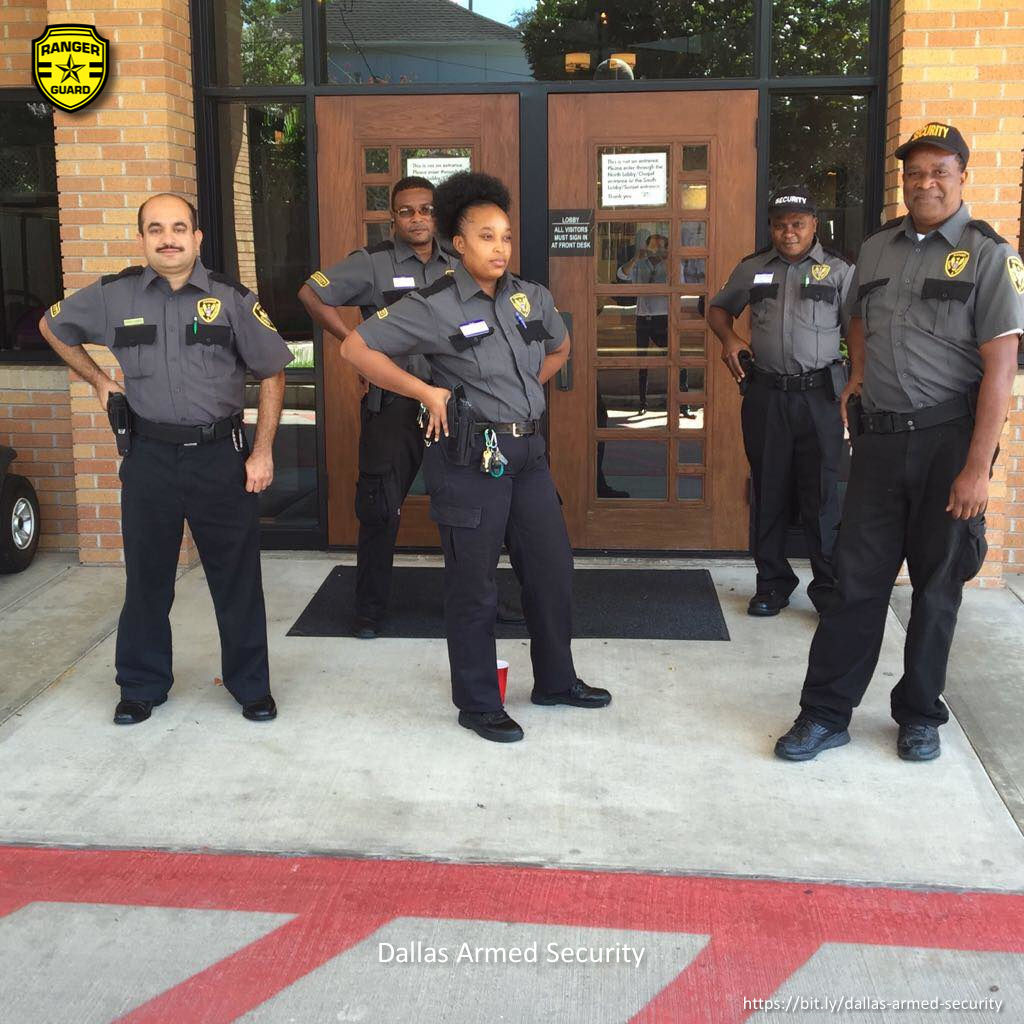
For a brand to be credible, its values must be lived by its employees. Patrol officers are expected to embody the core values of their department—integrity, respect, service, courage—in every action. This internalization of values ensures a consistent brand experience for the public. When officers consistently demonstrate these principles, it reinforces the authenticity and reliability of the law enforcement brand, creating a strong foundation for public trust. A disconnect between stated values and actual conduct can severely damage a brand’s reputation.
Consistent Messaging: Ensuring a Unified Public Face
Every police department aims to project a unified message to the public. Patrol officers play a crucial role in delivering this consistent messaging. Whether it’s explaining new policies, communicating safety guidelines, or articulating the department’s stance on community issues, officers are often the primary communicators. Their ability to articulate messages clearly, calmly, and consistently ensures that the public receives a coherent understanding of the department’s position and actions, thereby reinforcing a unified brand image and avoiding confusion or misinterpretation.
Feedback and Adaptation: Brand Improvement from the Ground Up
Patrol officers are on the ground daily, witnessing firsthand the impact of departmental policies and public sentiment. They are a vital source of feedback for brand improvement. Their insights into community needs, operational challenges, and public reactions can inform strategic adjustments to policies, training, and public relations efforts. This bottom-up feedback loop is essential for a responsive brand that can adapt and evolve to meet changing community expectations and maintain its relevance and effectiveness.
Navigating Public Perception: Challenges and Opportunities for the Brand
The brand of law enforcement operates in a complex and often challenging public environment. Patrol officers are at the forefront of navigating these perceptions.
Media Scrutiny: When the Brand is Under the Microscope
In the digital age, every action of a patrol officer has the potential to become public, instantly amplified by social media and traditional news outlets. This intense media scrutiny places the law enforcement brand constantly under the microscope. Officers must operate with the understanding that their actions, positive or negative, can significantly sway public opinion and impact the brand’s reputation globally. This necessitates a heightened sense of professionalism and adherence to best practices to protect the brand from adverse publicity and capitalize on opportunities to showcase positive work.
Building Trust in a Skeptical Environment: Rebuilding the Brand Image
In communities where historical mistrust or recent controversies have eroded confidence, patrol officers face the immense challenge of rebuilding the law enforcement brand. This is a long-term strategy that requires sustained effort, transparency, and genuine engagement. By demonstrating fairness, accountability, and a commitment to community well-being through their daily actions, officers can slowly but surely mend fractured relationships and restore public faith in the brand. Each positive interaction is a brick in the wall of trust, essential for a strong, resilient brand.
The Power of Individual Action: Every Officer a Brand Steward
Ultimately, the cumulative effect of individual patrol officers’ actions defines the brand of law enforcement. There is no centralized marketing campaign as potent as the daily, consistent professionalism, empathy, and effectiveness demonstrated by officers on the beat. Every officer is a brand steward, empowered to either enhance or diminish the public’s perception through their choices and conduct. Recognizing this individual power is crucial for understanding the profound brand impact of what patrol officers do.
The Future of Law Enforcement’s Brand: A Call to Action for Patrol Officers
As society evolves, so too must the brand of law enforcement. Patrol officers are not just maintaining the existing brand; they are actively shaping its future.
Embracing Transparency: A Cornerstone of Modern Brand Building
In an era demanding accountability, transparency has become a non-negotiable cornerstone of modern brand building for law enforcement. Patrol officers embracing body-worn cameras, clear communication about policies, and open dialogue with citizens contribute directly to a transparent brand image. This openness fosters trust and diminishes suspicion, allowing the brand to operate with greater legitimacy and public support.
Fostering Diversity and Inclusion: Broadening Brand Appeal
A strong brand reflects and serves its entire audience. Patrol officers who actively foster diversity and inclusion within their interactions and within the force itself help broaden the appeal and relevance of the law enforcement brand. A diverse police force that understands and represents the communities it serves is better equipped to build trust and legitimacy across all demographics, strengthening the brand’s universal acceptance.

Continuous Professional Development: Evolving the Brand’s Competence
The world is constantly changing, bringing new challenges and requiring new skills. Patrol officers committed to continuous professional development—in areas like crisis intervention, cultural competency, and technology—ensure that the law enforcement brand remains competent, adaptive, and effective. This commitment to ongoing learning signals a modern, forward-thinking organization dedicated to excellence, ensuring the brand stays relevant and respected in a rapidly changing environment.
In conclusion, “what do patrol officers do” extends far beyond law enforcement duties; it encompasses the critical and continuous work of brand building, reputation management, and public relations. They are the visible face, the accessible voice, and the tangible representation of law enforcement’s values and mission. Their actions, individually and collectively, forge the identity of their agencies and profoundly influence how the institution of law enforcement is perceived, trusted, and respected by the communities they are sworn to protect and serve.
aViewFromTheCave is a participant in the Amazon Services LLC Associates Program, an affiliate advertising program designed to provide a means for sites to earn advertising fees by advertising and linking to Amazon.com. Amazon, the Amazon logo, AmazonSupply, and the AmazonSupply logo are trademarks of Amazon.com, Inc. or its affiliates. As an Amazon Associate we earn affiliate commissions from qualifying purchases.