
The rhythmic hum of a well-functioning furnace is a comforting sound, especially during colder months. It’s the sound of consistent warmth, efficient operation, and peace of mind. However, when that hum transforms into a frustrating series of on-again, off-again cycles, known as “short cycling,” it signals a deeper issue within your HVAC system. Far from a minor annoyance, furnace short cycling is a critical diagnostic indicator that can lead to diminished comfort, skyrocketing energy bills, and premature system failure. As home technology becomes increasingly sophisticated, understanding the intricate workings of our furnaces, and specifically the causes of short cycling, becomes essential for maintaining an efficient and reliable household.

Short cycling occurs when a furnace turns on, heats up, runs for only a brief period (often just a few minutes), and then shuts off before the thermostat’s set temperature is reached, only to restart again shortly thereafter. This erratic behavior can stem from a variety of mechanical, electrical, and environmental factors, each requiring a specific diagnostic approach. Delving into these causes is not just about fixing a problem; it’s about understanding the complex interplay of sensors, controls, airflow, and combustion within a modern heating appliance, firmly placing this topic within the realm of tech diagnostics and home systems management.
Understanding Furnace Short Cycling: The Basics of HVAC Efficiency
To effectively troubleshoot short cycling, it’s crucial to first grasp what it is and why it’s such a significant problem. This initial understanding frames the importance of addressing the issue promptly and systematically.
What is Short Cycling? Defining the Problem
In a normal heating cycle, a furnace ignites, runs for a sustained period (typically 10-20 minutes, depending on the outside temperature and home’s insulation), gradually raising the indoor temperature to the thermostat’s set point, and then safely shuts down. It will remain off until the indoor temperature drops a few degrees below the set point, at which point it restarts.
Short cycling, by contrast, is a deviation from this normal operational pattern. The furnace might fire up, run for as little as two to five minutes, then abruptly switch off, only to reactivate a short while later. This rapid, intermittent operation is inefficient and indicative of an underlying problem that is preventing the furnace from completing a full heating cycle. It’s akin to a computer constantly rebooting; it’s struggling to perform its primary function effectively.
Why is Short Cycling Detrimental? Efficiency, Wear, and Comfort
The negative ramifications of short cycling extend beyond mere inconvenience:
-
Reduced Energy Efficiency: Every time a furnace starts, it consumes a significant amount of energy, particularly during the ignition and initial heat-up phase. Frequent starts and stops mean the furnace is constantly expending this extra energy without the benefit of a full, efficient heating cycle. This translates directly into higher utility bills.
-
Increased Wear and Tear: The most strenuous components of a furnace are the igniter, blower motor, and various electrical relays, especially during startup. Constant cycling subjects these parts to excessive stress, accelerating their wear and tear. This can drastically shorten the lifespan of the furnace and lead to costly repairs or even premature system replacement.
-
Inconsistent Heating and Reduced Comfort: A short-cycling furnace struggles to maintain a stable indoor temperature. Rooms may feel cold and then intermittently warm, creating uncomfortable fluctuations rather than consistent, even heat. The system can’t adequately distribute warmth throughout the home, leading to cold spots.
-
Safety Concerns: While modern furnaces have numerous safety mechanisms, some causes of short cycling (like overheating) can, in severe cases, pose safety risks if not addressed. Safety features are designed to shut the system down, but repeated activation indicates a persistent problem that needs attention.
Common Mechanical & Operational Causes of Short Cycling
Many instances of short cycling can be traced back to mechanical or operational issues that directly impact the furnace’s ability to maintain proper airflow or combustion. These are often the first areas technicians investigate.
Overheating Issues: The Role of Airflow Restrictions
One of the most frequent culprits behind short cycling is an overheating furnace. Furnaces are designed with safety switches, particularly the high-limit switch, that detect when the internal temperature exceeds a safe threshold. When triggered, this switch automatically shuts down the furnace to prevent damage or fire. Overheating is almost invariably linked to restricted airflow.
-
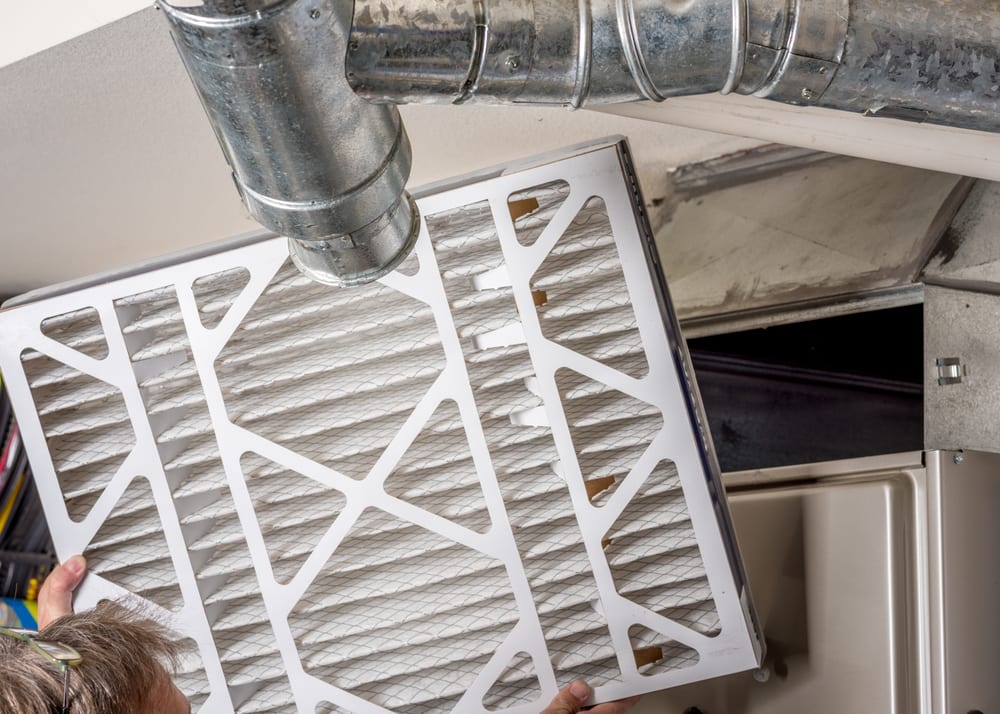
Dirty Air Filters: This is arguably the most common and easily preventable cause. A clogged air filter restricts the flow of air through the furnace’s heat exchanger. Without sufficient air moving over the hot components, heat builds up rapidly, triggering the limit switch. Regular filter replacement (every 1-3 months, depending on usage and home environment) is crucial.
-
Blocked Vents/Registers: Partially or fully closed supply registers or return air grilles in various rooms can impede proper air circulation throughout the ductwork system. This creates back pressure, reduces overall airflow, and leads to heat buildup within the furnace.
-
Oversized Furnaces: Paradoxically, a furnace that is too powerful for the size and heating load of the home can also short cycle. An oversized unit heats the space too quickly, satisfying the thermostat’s call for heat before it has had a chance to complete a proper cycle or adequately distribute the heat. This often leads to rapid temperature swings and inefficient operation. While not a direct airflow restriction, it causes similar issues with heat dissipation within the system’s operational parameters.
-
Obstructed Exhaust/Intake Vents: High-efficiency condensing furnaces use PVC pipes for exhaust and intake. If these vents are blocked by debris, snow, ice, or even animal nests, it can disrupt proper combustion air supply or exhaust gas removal, causing the pressure switch or other safety sensors to trip and shut down the furnace.
Flame Sensor and Ignition System Malfunctions
The ignition system is critical for safe and effective furnace operation. Problems here can cause the furnace to repeatedly attempt to ignite or shut down prematurely.
-
Dirty or Faulty Flame Sensor: The flame sensor is a thin metal rod positioned in the path of the burner flame. Its job is to detect the presence of a flame after ignition, signaling to the control board that combustion is safe and stable. If the sensor is coated with carbon buildup (a common occurrence over time), it may fail to detect the flame, causing the control board to cut off the gas supply and shut down the furnace for safety, only for it to try again shortly after. This is a classic short-cycling scenario.
-
Pilot Light Problems (Older Systems): In older furnaces with pilot lights, a weak, flickering, or extinguished pilot light can cause short cycling. The thermocouple (a safety device associated with pilot lights) might not generate enough voltage to keep the gas valve open, leading to intermittent operation.
-
Igniter Issues: Modern furnaces use hot surface igniters or direct spark igniters. A failing igniter might not get hot enough or spark consistently, causing multiple failed ignition attempts before either finally lighting or the system locking out.
Electrical & Control System Glitches Leading to Short Cycling
Beyond mechanical issues, the brain and nervous system of the furnace—its electrical components and control systems—can also be sources of short cycling. These issues often require a more technical diagnostic approach.
Thermostat Troubles: The Command Center’s Role
The thermostat is the primary control interface for your heating system. Any anomaly here can send incorrect signals, leading to erratic furnace behavior.
-
Incorrect Thermostat Placement: If the thermostat is located in an area exposed to drafts, direct sunlight, or near a heat source (like a lamp or appliance), it can prematurely register the desired temperature or be tricked into thinking the room is colder than it is, leading to short, frequent calls for heat.
-
Battery Issues/Power Supply: Low batteries in a digital thermostat can cause unreliable communication with the furnace, leading to erratic cycling. Similarly, loose wiring or a faulty power supply to the thermostat can disrupt its functionality.
-
Faulty Wiring or Calibration: Damaged wiring between the thermostat and the furnace can lead to intermittent signals. A miscalibrated thermostat might inaccurately read the room temperature, causing it to call for heat too often or shut off too early.
-
Smart Thermostat Glitches (Software/Connectivity): With smart thermostats, software bugs, Wi-Fi connectivity issues, or improper configuration (e.g., overly aggressive “eco” modes or learning algorithms) can sometimes cause short cycling. A factory reset or firmware update might be necessary.
Limit Switch and Safety Device Activation
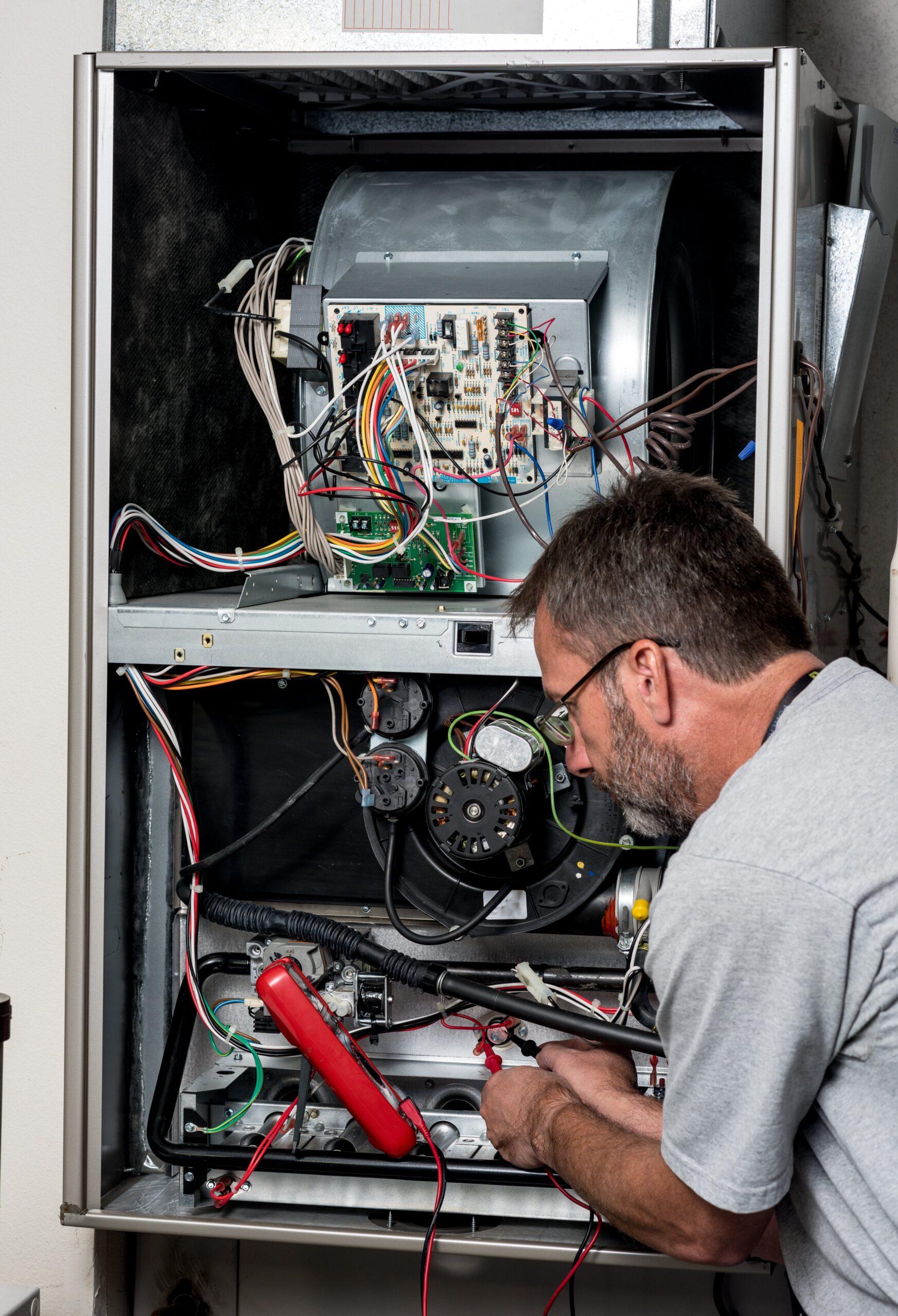
As mentioned earlier, safety switches are crucial. While they prevent hazards, their frequent activation points to a core problem.
-
Overheating Tripping the Limit Switch: This is the safety mechanism described under airflow restrictions. The limit switch detects internal overheating and shuts down the furnace. If the underlying airflow problem isn’t resolved, it will continue to trip repeatedly, causing short cycling.
-
Pressure Switch Problems: In high-efficiency furnaces, pressure switches monitor the differential pressure in the vent system to ensure proper combustion airflow and exhaust venting. If there’s a blockage in the intake or exhaust pipes, or if the inducer motor (which draws air through the heat exchanger) is failing, the pressure switch can detect an unsafe condition and shut down the furnace. A failing pressure switch itself can also give false readings.
-
Other Safety Sensor Activations: Modern furnaces are equipped with various sensors (e.g., rollout switches, condensate overflow sensors). If any of these detect an unsafe condition or malfunction themselves, they will trigger a shutdown, leading to short cycling as the furnace attempts to restart.
Blower Motor and Capacitor Failure
The blower motor is responsible for circulating heated air throughout your home. Its proper function is integral to both heating and preventing overheating.
-
Failing Blower Motor: A weak or failing blower motor may not move enough air, leading to heat buildup in the heat exchanger and tripping the limit switch. It might also cause the furnace to struggle to meet the thermostat’s demands, resulting in short cycles.
-
Faulty Capacitor: The capacitor provides the initial electrical boost to start the blower motor. If the capacitor is failing, the motor may struggle to start, run slowly, or not run at all. This lack of proper airflow will inevitably lead to overheating and short cycling.
Environmental Factors and Installation Considerations
Sometimes, the furnace itself isn’t entirely to blame. The environment it operates in, or even how it was initially installed, can be significant contributors to short cycling.
Improper Furnace Sizing: A Fundamental Mismatch
This is a critical, often overlooked, issue. As discussed, an oversized furnace heats the home too quickly. It satisfies the thermostat’s call for heat before it can complete a full, efficient cycle or adequately dehumidify the air. The temperature rapidly rises to the set point, shuts off, and then just as quickly drops again, initiating another short cycle. This problem often requires professional assessment and potential resizing or modification of the system.
Ductwork Design Flaws: Restricting the Air’s Path
The ductwork acts as the circulatory system for your home’s air. Flaws in its design, installation, or maintenance can severely impact furnace performance.
-
Leaky Ducts: Gaps and holes in ductwork can allow conditioned air to escape into unconditioned spaces (like attics or crawl spaces) and pull in unconditioned air, making the furnace work harder and longer, or sometimes shorter if it can’t achieve target temperatures due to losses.
-
Undersized or Restrictive Ductwork: If the ducts are too small for the furnace’s capacity, they can’t handle the volume of air the blower is designed to move. This creates excessive static pressure, reduces airflow, and leads to overheating and short cycling, similar to a dirty filter but on a systemic scale.
-
Crushed or Kinked Ducts: Physical damage to flexible ductwork can severely restrict airflow in specific sections, leading to localized problems that impact the entire system.
External Obstructions and Air Quality
The immediate surroundings of your furnace and the overall air quality can also play a role.
-
Cluttered Furnace Closet/Area: If the area around the furnace is packed with storage or debris, it can restrict the furnace’s ability to draw in return air or dissipate heat effectively.
-
Excessive Dust and Debris: Beyond the air filter, a generally dusty home environment can lead to quicker filter clogging and accumulation of dust within the furnace’s internal components, impacting sensors and motor efficiency.
Troubleshooting and Professional Intervention: A Tech-Savvy Approach
Addressing furnace short cycling requires a blend of user awareness and professional expertise. While some initial checks can be performed by homeowners, recognizing when to call in an HVAC technician is crucial.
DIY Checks: What Homeowners Can Safely Do
Before calling a professional, homeowners can perform a few basic, safe checks:
-
Check the Air Filter: Replace a dirty air filter immediately. This is the simplest fix.
-
Inspect Vents and Registers: Ensure all supply and return air vents are open and unobstructed.
-
Examine External Vents (High-Efficiency Furnaces): Clear any snow, ice, or debris from the intake and exhaust PVC pipes outside your home.
-
Check Thermostat Settings and Batteries: Ensure the thermostat is set correctly, has fresh batteries, and is not exposed to drafts or direct heat sources. Consider restarting smart thermostats.
-
Clean the Flame Sensor: If comfortable and knowledgeable about turning off gas and power, a DIY homeowner can carefully remove and gently clean a dirty flame sensor with fine-grit sandpaper or steel wool. However, if unsure, leave this to a professional.
-
Listen for Error Codes: Many modern furnaces have diagnostic lights that flash error codes. Consult your owner’s manual for their meaning.
When to Call a Professional: Recognizing Complex Diagnostics
If the basic checks don’t resolve the short cycling, or if you’re uncomfortable performing any of the diagnostic steps, it’s time to call a certified HVAC technician. Professionals have specialized tools and knowledge to diagnose issues such as:
-
Faulty Limit Switches or Pressure Switches: These components require precise testing and often replacement.
-
Failing Blower Motors or Capacitors: Diagnosing and replacing these parts safely requires expertise.
-
Gas Valve or Igniter Issues: Working with gas lines and ignition systems carries inherent risks and should always be handled by a professional.
-
Ductwork Problems or Furnace Sizing Issues: These require detailed calculations and potentially significant modifications that only a professional can assess and execute.
-
Electrical Control Board Failures: The furnace’s main control board is its brain. Issues here can be complex and expensive to diagnose and repair.
Preventive Maintenance: The Key to Longevity and Efficiency
The best defense against short cycling and other furnace problems is regular preventive maintenance. An annual professional tune-up ensures that your furnace is cleaned, inspected, and calibrated correctly. Technicians will check gas pressure, electrical connections, sensor functionality, motor health, and overall system efficiency. This proactive approach not only helps prevent short cycling but also extends the life of your furnace, maintains optimal energy efficiency, and ensures reliable, consistent comfort throughout the heating season. In the intricate world of home technology, understanding these nuances is crucial for both immediate troubleshooting and long-term system health.
aViewFromTheCave is a participant in the Amazon Services LLC Associates Program, an affiliate advertising program designed to provide a means for sites to earn advertising fees by advertising and linking to Amazon.com. Amazon, the Amazon logo, AmazonSupply, and the AmazonSupply logo are trademarks of Amazon.com, Inc. or its affiliates. As an Amazon Associate we earn affiliate commissions from qualifying purchases.