
The rhythmic clatter of steel on steel, the iconic silhouette speeding across landscapes – trains are a marvel of engineering that have shaped civilizations. Yet, for all their grandeur, a fundamental question often goes unasked by the casual observer: what exactly are the wheels of a train called? While the simple answer might seem to be “wheels,” the reality is far more nuanced. These aren’t just any wheels; they are sophisticated, highly engineered components, often referred to more specifically as “railroad wheels,” “rolling stock wheels,” or, in some technical contexts, simply “wheels” within the railway industry. Their design, material, and intricate interaction with the rails are a testament to centuries of technological advancement, critical for everything from safe passage to energy efficiency. Delving deeper reveals a fascinating world where physics, material science, and precision manufacturing converge to keep the world moving. Understanding these components goes beyond mere nomenclature; it’s an exploration into the very mechanics that enable efficient, high-capacity land transport.
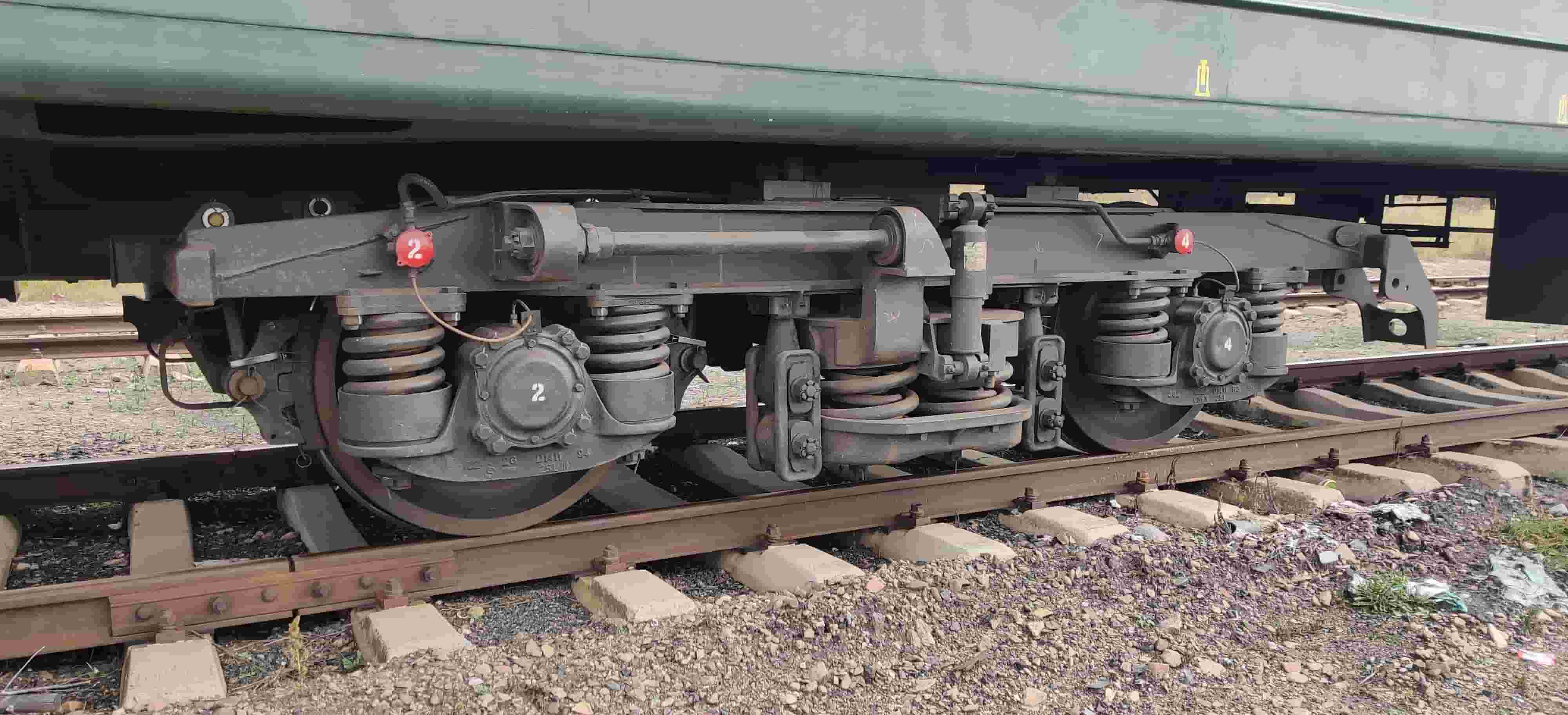
The Nomenclature and Fundamental Design of Train Wheels
At first glance, a train wheel might appear to be a simple circular component, but its design is a masterpiece of engineering optimized for durability, stability, and performance under immense loads.
“Wheels” and Beyond: Unpacking the Terminology
While “train wheels” is perfectly acceptable in common parlance, within the railway industry, terms like “railroad wheels” or “rolling stock wheels” are often used to differentiate them from wheels found on road vehicles. Occasionally, they might be referred to by their specific type, such as “locomotive wheels” for powered axles or “freight car wheels” for unpowered ones. The critical distinction lies not just in their name but in their unique profile and function, which are fundamentally different from automotive wheels. Unlike car tires, train wheels are typically made of solid steel and are designed to interface directly with steel rails, a design choice that offers minimal rolling resistance and superior durability. This direct metal-on-metal contact is at the core of rail transport efficiency, but it also introduces unique engineering challenges related to wear, noise, and adhesion. The terminology, therefore, subtly underscores the specialized nature of these components and their integral role in a complex system.
The Anatomy of a Train Wheel: Flanges, Treads, and Hubs
The standard train wheel is not a flat disk. Its complex profile is meticulously engineered to ensure stability, guidance, and efficient rolling. The three primary parts are:
-
The Tread: This is the part of the wheel that makes direct contact with the top surface of the rail. It’s not perfectly flat but slightly coned or tapered (often with a 1-in-20 slope) to assist in self-centering the wheelset on the track. The precise shape of the tread is crucial for distributing the load, minimizing wear, and ensuring smooth rolling. The material used for the tread must withstand extreme pressure, abrasion, and fatigue.
-
The Flange: Extending downwards from the inner edge of the tread, the flange is a crucial safety feature. It prevents the wheel from derailing by guiding the wheelset along the inside edge of the rail head, especially through curves. While generally not making continuous contact with the rail, the flange acts as a failsafe, engaging only when necessary. Its thickness and profile are strictly regulated to prevent climbing the rail or breaking under stress.
-
The Hub (or Boss): This is the central part of the wheel where it is pressed onto the axle. The hub provides the structural integrity to transmit power from the axle (in powered wheels) and support the entire weight of the rolling stock. The fit between the hub and the axle is an interference fit, meaning the wheel is pressed onto the axle with thousands of tons of force, ensuring a permanent and robust connection without the need for keys or bolts.
Material Science: The Backbone of Durability
Modern train wheels are almost exclusively made from specialized high-carbon steel alloys, meticulously chosen for their strength, hardness, toughness, and fatigue resistance. Early train wheels were often cast iron, which was brittle and prone to fracture. The evolution to forged or rolled steel wheels, followed by heat treatment processes like rim quenching, significantly improved their performance and safety. These manufacturing techniques create a microstructure in the steel that is highly resistant to wear on the tread and flange while maintaining ductility in the wheel plate and hub to resist impact and fatigue. The composition of the steel is carefully controlled, often incorporating elements like manganese, silicon, and chromium to enhance specific properties. This material science expertise is vital, as a single wheel can support tens of thousands of pounds and operate for hundreds of thousands of miles under varying environmental conditions and speeds.
The Engineered Interaction: How Train Wheels Master the Rails
The true genius of train wheels lies not just in their individual design but in their dynamic interaction with the rails. This sophisticated dance of steel on steel is governed by principles that ensure both stability and maneuverability.
Conicity and Taper: The Self-Centering Marvel
One of the most elegant solutions in railway engineering is the subtle taper or “conicity” of the wheel tread, typically around 1 in 20. This seemingly minor design detail is critical for the self-centering action of a wheelset on straight track and its ability to negotiate curves. When a wheelset is perfectly centered, both wheels run on the same diameter of their respective treads. If the wheelset shifts slightly to one side, say to the left, the left wheel’s larger diameter part of the tread contacts the rail, while the right wheel’s smaller diameter part contacts the other rail. This difference in effective rolling diameters causes the wheelset to naturally steer back towards the center of the track, constantly adjusting its position without the need for active steering mechanisms. This passive stability is a hallmark of efficient rail transport, minimizing flange contact and reducing wear.
The Crucial Role of the Flange
While the conicity handles most of the steering and centering on tangent track, the flange steps in when the limits of the tapered tread are reached, primarily during curves or extreme lateral forces. The flange is the ultimate safety net, preventing the wheel from climbing over the railhead and causing a derailment. In tight curves, the outer wheel will move further out, causing its flange to approach or lightly contact the inner edge of the outer rail, while the inner wheel’s flange will move away from its rail. The interaction between the flange and the rail is a carefully managed balance; excessive flange contact leads to wear, noise, and increased rolling resistance. Therefore, while essential for safety, engineers aim to minimize its engagement through optimal track design and wheel profiles.
Rail Adhesion and Traction: Powering the Locomotive
For a locomotive to move a train, its driving wheels must generate sufficient grip or “adhesion” with the rails to overcome the train’s inertia and rolling resistance. This adhesion is friction-based, depending on the coefficient of friction between steel wheel and steel rail, and the weight (normal force) pressing the wheel onto the rail. Modern locomotives employ sophisticated traction control systems to maximize this adhesion, especially in adverse conditions like rain, snow, or fallen leaves, which can drastically reduce friction. Techniques include applying sand to the rails in front of the driving wheels to increase grip. The precise profile of the wheel tread is also designed to maximize the contact patch with the rail, optimizing the area over which friction can be generated for effective power transfer.
Navigating Curves: The Differential Diameter Effect
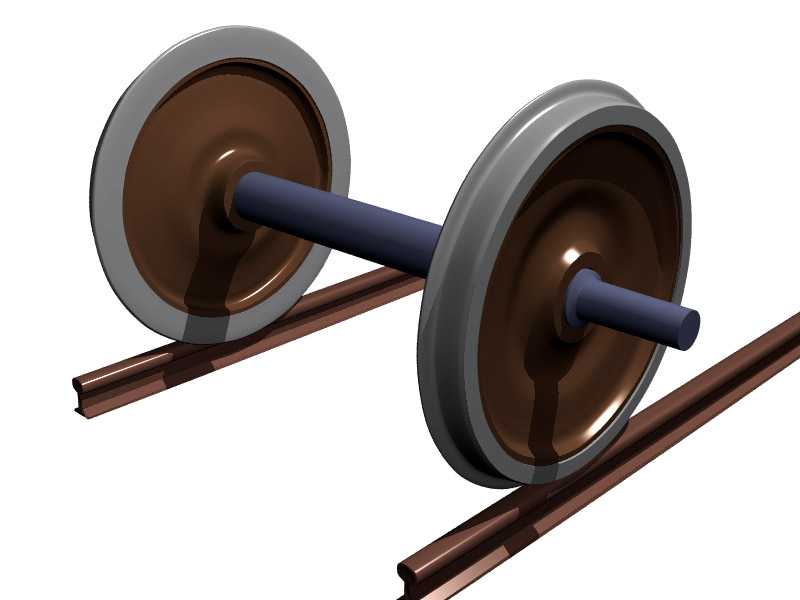
When a train enters a curve, the outer rail has a longer path than the inner rail. For a wheelset (where both wheels are rigidly fixed to a single axle and thus rotate at the same speed), this presents a challenge. The tapered tread, in conjunction with the track’s cant (superelevation, where the outer rail is slightly higher than the inner), elegantly solves this. As the train enters the curve, centrifugal force pushes the wheelset outwards. The outer wheel rides on a larger effective diameter of its tread, while the inner wheel rides on a smaller effective diameter. This differential in rolling diameters allows the outer wheel to cover more distance per revolution than the inner wheel, effectively “steering” the wheelset through the curve without slippage between the wheel and rail. This brilliant passive steering mechanism is fundamental to the smooth and efficient negotiation of curves at speed.
Technological Advancements in Wheel Design and Manufacturing
The journey of the train wheel is one of continuous innovation, driven by demands for higher speeds, heavier loads, increased safety, and reduced maintenance.
From Cast Iron to Advanced Alloys: A Historical Perspective
The earliest railway wheels were simple cast iron, often with a brittle nature that limited their load-bearing capacity and speed. The 19th century saw the introduction of wrought iron and then steel, offering superior strength and ductility. The most significant leap came with the development of rolled and forged steel wheels, which eliminated the internal defects common in castings and allowed for precise control over the material’s microstructure. Further advancements involved heat treatment processes, particularly rim quenching, which hardens the tread and flange areas for wear resistance while maintaining a tougher, more ductile core to resist fracture. Today, sophisticated steel alloys are developed specifically for railway applications, incorporating elements that enhance fatigue life, reduce residual stresses, and improve overall performance under extreme conditions. This material evolution underpins the incredible reliability and longevity of modern train wheels.
Noise Reduction and Vibration Damping Innovations
As train speeds and urban populations grew, so did the concern over railway noise and vibration. A significant portion of this noise originates from the wheel-rail interface. Engineers have responded with several innovative solutions. One approach involves designing wheels with noise-damping features, such as resilient wheel inserts, rubber layers between the wheel plate and rim, or tuned damping rings that absorb vibrations. Another area of focus is the precision of wheel profiling and track maintenance to ensure smoother contact, reducing impact noise. Composite wheels, incorporating non-metallic materials, are also being explored for their damping capabilities, particularly in light rail and urban transit systems where noise pollution is a critical concern. These innovations aim to make rail travel quieter, both for passengers and for communities alongside the tracks.
Smart Wheels: Integrating Sensors for Predictive Maintenance
The advent of the Internet of Things (IoT) and advanced sensor technology has brought the concept of “smart wheels” to the forefront. These wheels are equipped with embedded sensors capable of monitoring various parameters in real-time, such as temperature, vibration, rotational speed, and even stress levels. This data can be transmitted wirelessly to maintenance teams, enabling predictive maintenance strategies. Instead of adhering to fixed maintenance schedules, components can be serviced or replaced only when actual wear or impending failure is detected. This not only reduces maintenance costs and downtime but also significantly enhances safety by identifying potential issues before they escalate. Smart wheels represent a pivotal shift from reactive to proactive maintenance, leveraging digital technology to optimize the operational lifespan of critical railway components.
Lightweighting and Energy Efficiency Initiatives
With increasing focus on sustainability and operational costs, lightweighting has become a significant area of research in wheel technology. Reducing the unsprung mass of wheelsets can lead to several benefits: decreased energy consumption due to lower inertia, reduced wear on both wheels and tracks, and improved ride quality. While the need for extreme durability limits material choices, engineers are exploring advanced manufacturing techniques, optimized geometric designs, and novel materials like composite structures or hybrid steel-aluminum designs for specific applications. These efforts aim to balance the robust requirements of heavy-haul rail with the imperative to reduce the carbon footprint and improve the overall energy efficiency of rail transport.
Maintenance, Challenges, and the Future of Rail Wheel Technology
Maintaining the integrity of train wheels is paramount for safety and efficiency, and ongoing research continues to push the boundaries of their design and operational life.
Wear and Tear: Common Issues and Mitigation Strategies
Despite their robust construction, train wheels are subjected to immense forces and constant friction, leading to various forms of wear and damage. Common issues include tread wear (loss of material from the contact surface), flange wear (thinning of the flange), shelling (surface fatigue where small pieces of metal break off), and thermal cracks (caused by excessive braking or slipping). Regular inspection and maintenance are crucial. This includes periodic wheel reprofiling (turning the wheels on a lathe to restore their original profile), which extends their life by removing worn or damaged material. Advanced non-destructive testing (NDT) techniques, such as ultrasonic inspection, are used to detect internal defects before they become critical. Lubrication systems for flange and rail are also employed, particularly in curves, to reduce friction and wear.
Wheel-Rail Interface Optimization: A Continuous Pursuit
The interaction between the wheel and the rail is a dynamic and complex system, and optimizing this interface is a continuous pursuit in railway engineering. This involves not only refining wheel profiles but also optimizing rail profiles, material properties, and track geometry. The goal is to achieve a harmonious interaction that minimizes wear on both components, reduces rolling resistance, dampens noise, and enhances stability. Researchers use advanced simulation tools and field tests to study this interface, exploring new combinations of wheel and rail designs to extend maintenance intervals and improve overall system performance. The concept of “conformal contact” – ensuring the best possible matching of wheel and rail shapes – is at the heart of these optimization efforts.
The Vision for Autonomous and Hyperloop Systems: Impact on Wheel Tech
The future of rail transport may include fully autonomous trains and even revolutionary concepts like Hyperloop, which proposes magnetic levitation in vacuum tubes. While Hyperloop would largely eliminate traditional wheels, autonomous trains will still rely on them. For autonomous systems, the role of smart wheels with enhanced sensor capabilities becomes even more critical for real-time diagnostics, fault detection, and predictive maintenance without human intervention. The data collected by smart wheels will feed into sophisticated AI algorithms that manage train operations. Furthermore, as automation allows for tighter headways and higher speeds, the demands on wheel durability, thermal management, and fatigue resistance will only increase, driving further innovation in materials and design.

Sustainability in Manufacturing and Operation
Sustainability is becoming a key driver in the evolution of train wheel technology. This encompasses reducing the environmental impact of manufacturing through more energy-efficient processes and the use of recycled materials. During operation, the focus is on maximizing wheel life to reduce material consumption, improving energy efficiency through lightweighting and reduced rolling resistance, and minimizing noise pollution. Research into advanced coatings and surface treatments aims to further extend wheel life and reduce maintenance. The entire lifecycle of the train wheel, from raw material sourcing to end-of-life recycling, is being considered to ensure that rail transport remains a leading example of sustainable mobility. The humble train wheel, therefore, continues to be a frontier of technological innovation, adapting to meet the challenges and opportunities of the 21st century.
aViewFromTheCave is a participant in the Amazon Services LLC Associates Program, an affiliate advertising program designed to provide a means for sites to earn advertising fees by advertising and linking to Amazon.com. Amazon, the Amazon logo, AmazonSupply, and the AmazonSupply logo are trademarks of Amazon.com, Inc. or its affiliates. As an Amazon Associate we earn affiliate commissions from qualifying purchases.