
Self-tapping screws represent one of the most significant evolutions in mechanical fastening technology. While traditional screws require a pre-drilled pilot hole to prevent splitting or material damage, self-tapping screws are engineered to tap their own threads as they are driven into the substrate. This fundamental shift in utility has streamlined assembly processes across virtually every manufacturing and construction sector. By eliminating the need for separate drilling and tapping operations, these fasteners serve as a cornerstone of industrial efficiency and structural reliability.
The Engineering Mechanics of Self-Tapping Fasteners
To understand the utility of self-tapping screws, one must first understand their unique design geometry. Unlike standard wood screws, which are designed primarily for displacement, self-tapping screws function more like a cutting tool.
Thread Geometry and Cutting Flutes
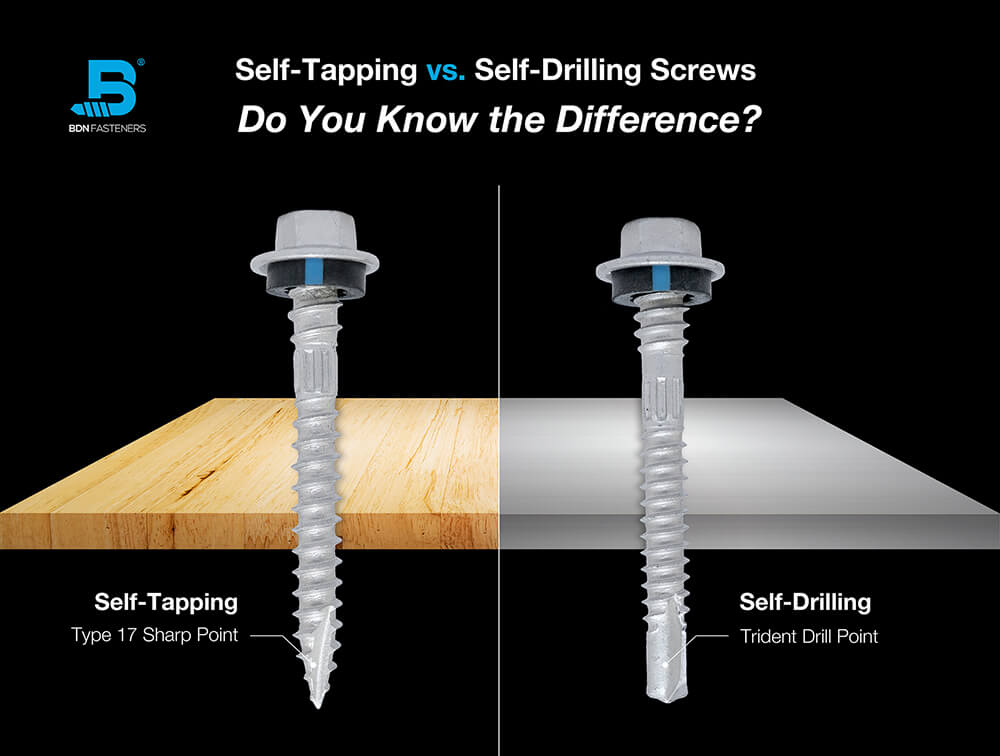
The efficacy of a self-tapping screw is determined by its point profile and thread pitch. These screws feature specialized cutting flutes—notches cut into the end of the threads—that act similarly to a tap used in machining. As the screw rotates into the material, the hardened tip removes a precise amount of material, allowing the threads to follow behind and seat firmly. This creates a high-friction engagement that resists vibration and mechanical loosening.
Material Hardness and Surface Treatment
Self-tapping screws are typically manufactured from heat-treated carbon steel or stainless steel to ensure that the fastener itself is significantly harder than the material it is penetrating. This material strength is critical; if the screw were softer than the substrate, the threads would deform upon entry, resulting in a failed installation. Manufacturers often apply specialized coatings, such as zinc plating, ceramic coatings, or ruspert finishes, to provide galvanic corrosion resistance, especially when the screws are intended for outdoor or corrosive environments.
Industrial Applications and Assembly Efficiency
The primary driver for the adoption of self-tapping screws in professional settings is the reduction of total assembly time. By integrating the drilling and fastening stages, companies can significantly reduce labor costs and improve throughput.
Metal Fabrication and HVAC Systems
In the HVAC industry, self-tapping screws are indispensable. When assembling ductwork, technicians must frequently join thin sheets of galvanized steel. Using traditional rivets or bolts would require thousands of individual pilot holes to be marked, drilled, and aligned. Self-tapping screws allow the technician to drive directly through overlapping metal sheets, creating a secure, airtight connection instantly. This is essential for maintaining the integrity of air-handling systems where vibration could otherwise cause traditional fasteners to back out over time.
Automotive and Aerospace Manufacturing
Modern vehicle assembly lines prioritize speed and automation. Self-tapping screws are utilized extensively in securing interior trim, plastic components to metallic frames, and under-chassis shielding. Their ability to form a perfect mating thread in pre-punched holes—or even directly into soft alloys—ensures consistency across millions of units. Because these fasteners create a customized thread fit, they provide superior resistance to the constant thermal expansion and vibration typical of a vehicle in operation.

Furniture Manufacturing and Modular Construction
The move toward “flat-pack” furniture and modular housing relies heavily on fasteners that can be installed by end-users or assembly teams without specialized precision equipment. Self-tapping screws allow for components to be joined securely without the risk of wood splitting or metal fatigue. In structural modularity, these fasteners ensure that panelized systems can be connected on-site with high precision, maintaining the structural load-bearing requirements of the final assembly.
Strategic Selection and Installation Best Practices
Choosing the correct self-tapping screw is not merely about size; it is about matching the fastener’s thread profile to the specific mechanical properties of the substrate. Using the wrong type of screw can lead to thread stripping, insufficient pull-out strength, or premature fastener failure.
Matching Fasteners to Substrates
- Thin Gauge Sheet Metal: For light-duty applications, fine-threaded self-tapping screws are preferred. These provide a higher thread count per inch, which ensures more surface area contact and improved grip in thin materials.
- Heavy Gauge Metal or Plastics: Coarser threads are generally required for thicker substrates to prevent the material from clogging the flutes. When working with plastics, specialized high-low thread patterns are often utilized to reduce stress on the material, preventing cracking or “boss” bursting during the installation process.
The Role of Torque Management
The installation of self-tapping screws requires an understanding of torque control. Because the screw is essentially performing a machining operation, the driving tool must apply enough force to cut the material without stripping the newly formed threads. Professional assembly lines utilize torque-limiting impact drivers or automated fastening systems that stop once a specific resistance threshold is reached. Failure to manage torque can lead to “spinning out,” where the threads are obliterated by over-tightening, rendering the fastener useless and compromising the structural integrity of the joint.
Avoiding Galvanic Corrosion
A critical, yet often overlooked, aspect of professional fastener selection is the chemical compatibility between the screw and the substrate. When a stainless steel screw is driven into a non-compatible aluminum frame in the presence of moisture, the resulting electrochemical reaction can cause rapid corrosion. Professionals must select fasteners with compatible coatings or utilize nylon washers and insulators to break the electrical circuit, ensuring the longevity of the connection.
The Evolution Toward Sustainable Assembly
As manufacturing trends shift toward sustainability and ease of disassembly, the design of self-tapping fasteners continues to evolve. Modern engineering is focusing on fasteners that are not only efficient to install but also designed for circular economy principles.
Designed for Disassembly
Traditional fasteners were often permanent, making it difficult to recycle complex goods at the end of their lifecycle. Newer designs for self-tapping screws are increasingly focused on compatibility with automated de-manufacturing systems. By standardizing head types and thread pitches, manufacturers are creating products that can be quickly disassembled by robotics, allowing for the separation of plastics, metals, and composite materials for more efficient recycling.

Future Innovations in Fastening Technology
The future of self-tapping screws lies in smart technology and material science. We are seeing the rise of self-lubricating coatings that reduce the heat generated during the tapping process, further protecting the integrity of the substrate. Additionally, the integration of sensors into fastening systems—where the torque profile of the screw installation is logged digitally—allows for real-time quality control. This ensures that every screw driven in an automotive or aerospace assembly meets rigorous safety standards, providing an audit trail that was previously impossible to achieve.
In conclusion, self-tapping screws are far more than simple hardware components. They are sophisticated engineering solutions that enable the high-speed, high-precision assembly required by today’s most demanding industries. From the ductwork of a skyscraper to the chassis of an electric vehicle, their ability to create durable, vibration-resistant, and efficient joints makes them a fundamental tool in the global manufacturing landscape. By mastering the selection, application, and installation of these versatile fasteners, engineers and contractors can ensure higher product quality and significant operational cost savings.
aViewFromTheCave is a participant in the Amazon Services LLC Associates Program, an affiliate advertising program designed to provide a means for sites to earn advertising fees by advertising and linking to Amazon.com. Amazon, the Amazon logo, AmazonSupply, and the AmazonSupply logo are trademarks of Amazon.com, Inc. or its affiliates. As an Amazon Associate we earn affiliate commissions from qualifying purchases.