
In the intricate ecosystem of modern office and home workspaces, every component plays a role in defining comfort, efficiency, and ergonomic integrity. Among these, an often-overlooked yet fundamentally critical element is the caster. Far from being simple wheels, casters are sophisticated pieces of engineering designed to facilitate seamless movement, protect flooring, and contribute significantly to a chair’s overall functionality and user experience. Understanding “what are casters on a chair” unveils a fascinating intersection of material science, mechanical design, and ergonomic principles, positioning them as essential gadgets in the contemporary workspace. This deep dive explores the technological nuances of casters, their diverse types, ergonomic contributions, maintenance, and even their potential future in smart environments.

The Engineering Behind Seamless Mobility
At its core, a caster is more than just a wheel; it’s a complex assembly engineered for specific performance requirements. The design and materials chosen for casters directly impact a chair’s maneuverability, stability, and its interaction with various floor surfaces. This foundational engineering dictates everything from how smoothly you glide across a room to the longevity of your flooring.
Anatomy of a Caster: Components and Materials
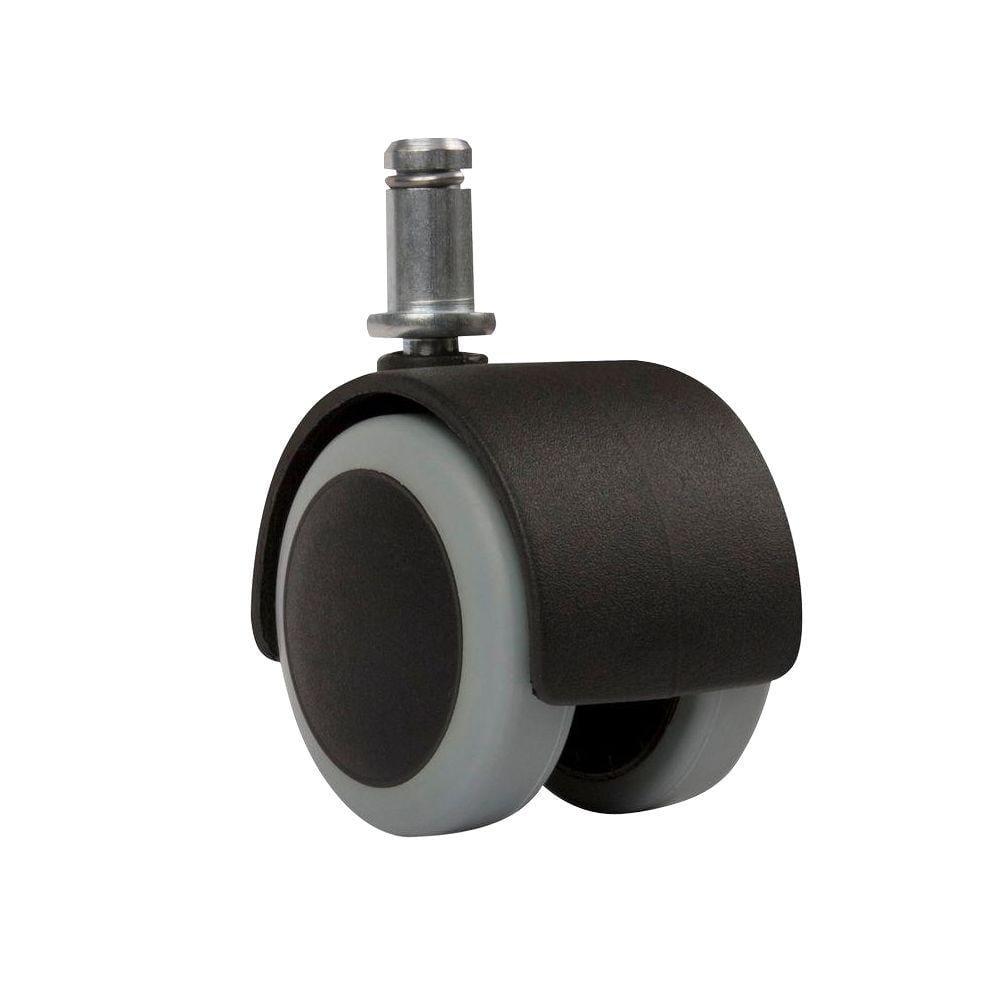
A typical caster assembly comprises several key components, each meticulously designed for its function. The wheel itself, often made from various polymers, polyurethane, or nylon, is designed to minimize friction and wear on both the wheel and the floor. The stem, which connects the caster to the chair base, comes in different types (e.g., grip ring, threaded stem) to ensure a secure fit. The housing, or yoke, encases the wheel and attaches to the stem, providing structural integrity.
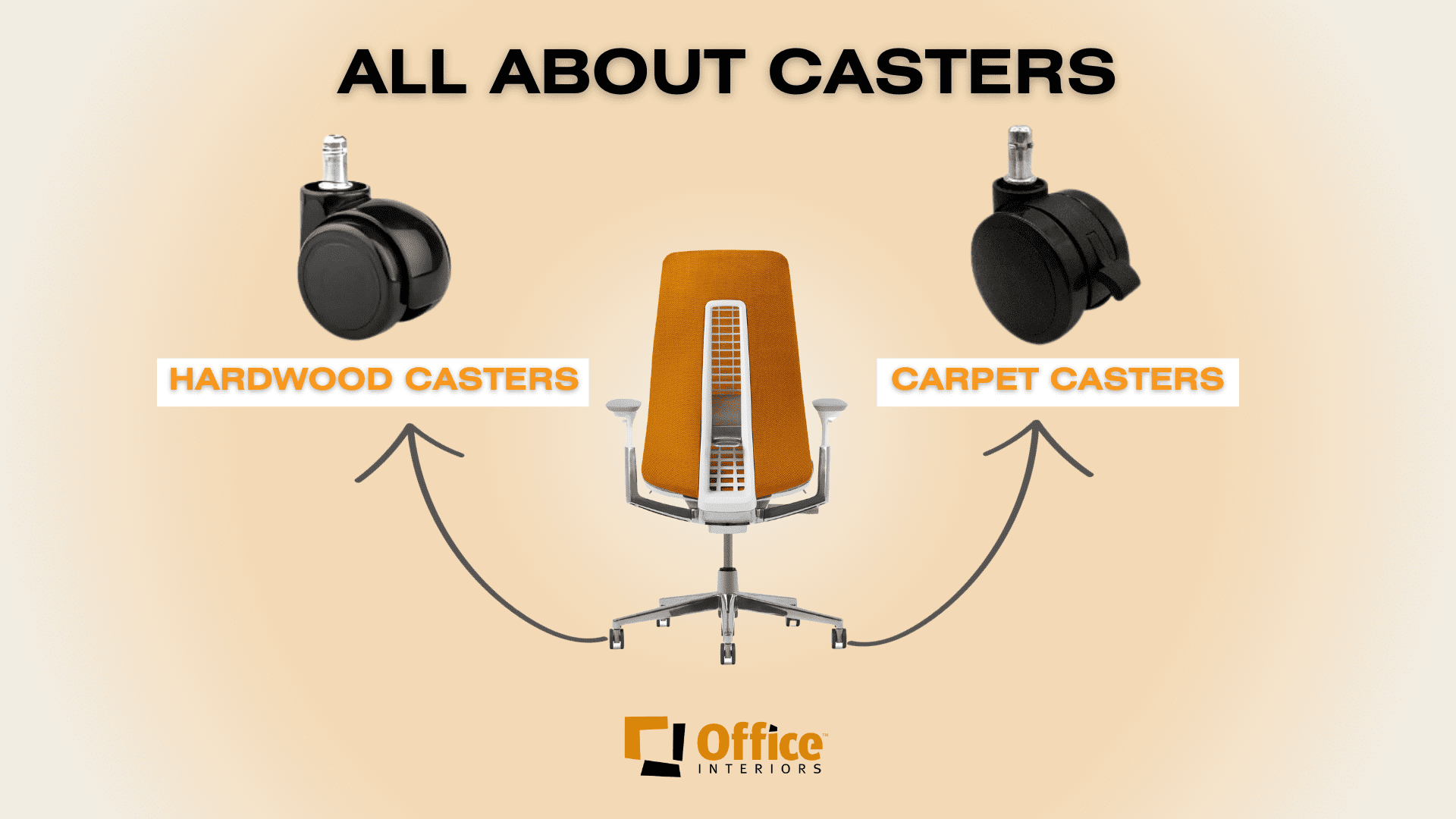
Material selection is paramount. For instance, hard wheels (like nylon or hard plastic) are ideal for soft surfaces such as carpets, offering minimal resistance and efficient movement. Conversely, soft wheels (polyurethane, rubber) are designed for hard surfaces like wood, tile, or laminate, preventing scratches, reducing noise, and providing better grip. The pivot mechanism, often involving ball bearings, is crucial for allowing the wheel to rotate 360 degrees, enabling omnidirectional movement without snagging or dragging. Advanced casters might incorporate specialized polymers or composite materials that offer enhanced durability, vibration dampening, or even antimicrobial properties, showcasing the continuous innovation in this seemingly simple component.
The Silent Workers: Bearings and Axles
While often unseen, the bearings and axles within a caster are critical to its performance and longevity. Bearings, typically precision-engineered ball bearings, are what allow the wheels to spin freely and the caster to swivel smoothly. High-quality bearings significantly reduce friction, leading to effortless movement, reduced noise, and a longer lifespan for the caster itself. Inferior bearings, on the other hand, can cause jerky movement, excessive noise, and premature wear.
The axle is the central rod around which the wheel rotates, connecting it to the housing. It must be robust enough to withstand the load of the chair and its occupant, as well as the lateral forces encountered during movement. Materials like hardened steel or specialized alloys are often used for axles to ensure strength and resistance to bending or shearing. The precise manufacturing of these components, ensuring tight tolerances and smooth finishes, is what elevates a basic wheel into a sophisticated mobility gadget, enabling users to glide rather than drag.
Types of Casters: Matching Mobility to Your Environment
Just as there are different types of tires for various vehicles and terrains, casters are not a one-size-fits-all solution. The environment in which a chair is used dictates the optimal type of caster, influencing everything from floor protection to user safety and acoustic considerations. Selecting the right caster is a subtle but significant tech decision for any workspace setup.
Soft vs. Hard Casters: Floor Protection and Glide
The primary distinction in caster types lies in their wheel material and hardness, tailored for specific flooring.
-
Hard Casters: Typically made from hard nylon or plastic, these casters are designed for soft floor coverings such as carpet. Their firm surface allows them to roll efficiently over carpet fibers without getting bogged down. Using hard casters on hard floors, however, can lead to scratches, scuffs, and excessive noise due to insufficient cushioning.
-
Soft Casters: Often made from polyurethane, rubber, or a soft composite, these casters are ideal for hard surfaces like hardwood, laminate, tile, concrete, or vinyl. The softer material provides a gentle grip, preventing damage to the floor, reducing rolling noise, and offering a smoother, quieter glide. Using soft casters on carpet can cause them to sink into the pile, making movement difficult and inefficient.
The choice between soft and hard casters is a fundamental ergonomic consideration, directly impacting floor preservation and the user’s experience of mobility. It’s a classic example of how material science is applied to solve practical daily problems.
Braking and Locking Mechanisms: Stability on Demand
Beyond simple movement, many casters incorporate mechanisms for controlled stopping and stability. These features are crucial in environments where a stationary position is required, or where preventing accidental movement is a safety concern.
-
Total Lock Casters: These casters completely prevent both wheel rotation and swivel. They are invaluable for tasks requiring absolute immobility, such as using a chair at a drafting table, medical settings, or in industrial environments where equipment stability is critical.
-
Directional Lock Casters: Some casters can be locked to only move in a straight line, sacrificing swivel for enhanced control in specific scenarios, such as moving heavy equipment along a defined path.
-
Load-Activated Braking Casters: A more advanced feature, these casters automatically lock when a certain amount of weight is applied to the chair and unlock when the weight is removed. This smart design prevents the chair from rolling away when you stand up and ensures stability when seated, enhancing safety and convenience without manual intervention. This innovation truly embodies the “gadget” aspect within a seemingly mundane component.
Specialized Casters for Unique Needs
The evolution of casters has led to a variety of specialized designs addressing niche requirements.
-
ESD (Electrostatic Discharge) Casters: Essential for environments sensitive to static electricity, such as electronics manufacturing or server rooms, ESD casters are designed with conductive materials to dissipate static charges safely, protecting sensitive equipment from damage.
-
Noise-Reducing Casters: Employing advanced materials and internal dampening systems, these casters are engineered to operate with minimal sound, ideal for libraries, recording studios, or open-plan offices where acoustic comfort is paramount.
-
Heavy-Duty Casters: For industrial chairs, medical carts, or other applications requiring robust mobility under significant loads, heavy-duty casters feature reinforced housings, larger diameter wheels, and superior bearing systems to ensure durability and reliability.
These specialized versions highlight how casters are continuously refined to meet specific technical demands, moving beyond basic functionality to become performance-optimized components.
Beyond Basic Movement: Casters as an Ergonomic Tool
While their primary function is mobility, the right casters significantly contribute to the ergonomic profile of a chair and, by extension, the user’s health and productivity. Often overlooked in ergonomic assessments, their impact on ease of movement and postural support is profound.
Enhancing Productivity and Reducing Strain
Efficient casters reduce the physical effort required to move around a workspace. Imagine needing to reach files, collaborate with a colleague, or switch between workstations; smooth-gliding casters allow for effortless repositioning without standing up or straining. This continuous, fluid movement prevents repetitive strain injuries often associated with twisting or reaching from a static position. By minimizing physical exertion, casters contribute to greater comfort throughout the workday, allowing users to maintain focus on their tasks rather than on awkward adjustments. In a modern office, where dynamic movement is encouraged, casters are an integral part of the ergonomic solution, enabling micro-movements that keep the body engaged and prevent stiffness.
Noise Reduction and Workspace Serenity
The acoustic environment of a workspace has a direct impact on concentration and stress levels. Noisy, squeaky, or dragging casters can be a significant source of distraction and irritation, disrupting workflow and communication. High-quality casters, particularly those designed with soft, quiet materials and precision bearings, operate with minimal noise. This attention to acoustic performance transforms the workspace into a more serene and productive environment, fostering better concentration and reducing auditory fatigue. From a tech perspective, this is about designing components not just for mechanical efficiency but for sensory comfort, optimizing the human-machine interface.
Maintenance and Upgrades: Prolonging Lifespan and Performance
Like any mechanical component, casters benefit from regular maintenance, and in some cases, strategic upgrades, to ensure optimal performance and longevity. Treating casters as a disposable part overlooks their potential for extended life and enhanced functionality through simple interventions.
Cleaning and Troubleshooting Common Issues
The most common issues with casters stem from accumulation of debris. Hair, dust, carpet fibers, and other particles can get entangled in the axle and bearings, causing friction, reducing mobility, and leading to squeaks or complete seizure. Regular cleaning is vital:
-
Inspection: Periodically inspect casters for visible obstructions.
-
Removal: Carefully remove any tangled hair or debris using tweezers, a small knife, or a pick tool.
-
Lubrication: A silicone-based lubricant (avoid oil-based lubricants, which can attract more dirt) can be applied sparingly to the axle and swivel mechanism to restore smooth movement and quiet operation.
Troubleshooting often involves identifying the source of friction or noise. If a caster is still stiff after cleaning and lubrication, it might indicate worn-out bearings or a bent axle, signaling a need for replacement. Ignoring these signs not only impairs mobility but can also lead to floor damage or even chair instability.
The Upgrade Path: Investing in Better Mobility
Casters are often swappable, offering a straightforward upgrade path for existing chairs. Investing in higher-quality casters can dramatically improve a chair’s performance, comfort, and floor protection.
-
Floor-Specific Casters: If you’ve moved your chair from carpet to a hard floor (or vice versa), upgrading to the correct caster type is essential to protect your flooring and ensure smooth movement.
-
Rollerblade Style Casters: These casters, featuring larger, softer wheels (often polyurethane) and superior bearings, offer exceptionally smooth, quiet gliding, particularly on hard floors. They are a popular upgrade for office chairs, providing a premium mobility experience akin to high-performance skateboard wheels.
-
Specialized Features: Upgrading to casters with load-activated brakes, ESD properties, or enhanced noise reduction can tailor your chair to specific environmental or operational needs, enhancing both safety and efficiency.
Considering casters as an upgradeable gadget component allows users to customize their chairs for optimal performance, rather than simply accepting the factory-standard options.
The Future of Chair Mobility: Smart Casters and Beyond
As our understanding of workspace ergonomics and efficiency evolves, so too will the technology embedded in seemingly simple components like casters. The future holds potential for casters to become even more integrated, intelligent, and sustainable elements of our workspaces.
Integrating IoT for Workspace Optimization
Imagine casters equipped with sensors that track chair movement, distance traveled, or even periods of inactivity. This data, integrated into an IoT (Internet of Things) network, could provide valuable insights into workspace utilization, user activity patterns, and ergonomic habits.
-
Activity Monitoring: Smart casters could encourage healthy movement by subtly reminding users to shift positions or take breaks, contributing to a more active and less sedentary workday.
-
Space Management: In dynamic office environments, data from smart casters could inform better space planning, identifying underutilized areas or optimizing desk allocation.
-
Predictive Maintenance: Sensors could monitor bearing wear or detect impending issues, triggering alerts for maintenance before a caster fails, ensuring continuous productivity and reducing downtime.
This vision transforms casters from passive mobility aids into active data-gathering gadgets, enhancing personal well-being and corporate efficiency.
Sustainable Caster Design and Recyclability
With a growing global emphasis on environmental responsibility, the future of caster design will undoubtedly lean towards sustainability. This includes:
-
Recycled Materials: Utilizing post-consumer or post-industrial recycled plastics and metals in caster components.
-
Modular Design: Designing casters with easily replaceable parts to extend their lifespan and reduce waste.
-
Biodegradable Materials: Exploring biodegradable polymers for wheel materials where appropriate, minimizing environmental impact at end-of-life.
-
Energy Efficiency: Research into ultra-low friction materials and bearing designs could even lead to casters that require less energy to move, albeit a marginal impact on a human-powered device.
By embracing these principles, casters can align with broader corporate sustainability goals, proving that even small components can contribute to a larger environmental vision. The journey from a basic wheel to an intelligent, sustainable mobility solution underscores the ongoing innovation in this overlooked piece of everyday tech.
In conclusion, “what are casters on a chair” reveals a world far more complex and technologically rich than initially perceived. These essential components are not mere wheels but sophisticated gadgets, engineered with precision to enhance mobility, protect surfaces, support ergonomics, and even gather data. From the nuanced choice between soft and hard wheels to the integration of smart sensors and sustainable materials, casters exemplify how thoughtful design and technological advancement elevate even the most fundamental elements of our daily lives, transforming our interaction with the modern workspace.
aViewFromTheCave is a participant in the Amazon Services LLC Associates Program, an affiliate advertising program designed to provide a means for sites to earn advertising fees by advertising and linking to Amazon.com. Amazon, the Amazon logo, AmazonSupply, and the AmazonSupply logo are trademarks of Amazon.com, Inc. or its affiliates. As an Amazon Associate we earn affiliate commissions from qualifying purchases.