
Achieving culinary perfection and ensuring food safety are two sides of the same coin in any kitchen, whether professional or domestic. For pork, a meat renowned for its versatility and flavor, these two aspects converge critically on one vital parameter: temperature. While the straightforward answer to “what is the temperature of fully cooked pork?” is readily available – the USDA recommends 145°F (63°C) with a three-minute rest for whole cuts – the journey to consistently hit this mark safely and deliciously has been revolutionized by technology. Gone are the days of relying solely on visual cues or guesswork; the modern kitchen is a hub of smart devices, connected tools, and intelligent software designed to take the ambiguity out of cooking, particularly when it comes to internal temperatures.
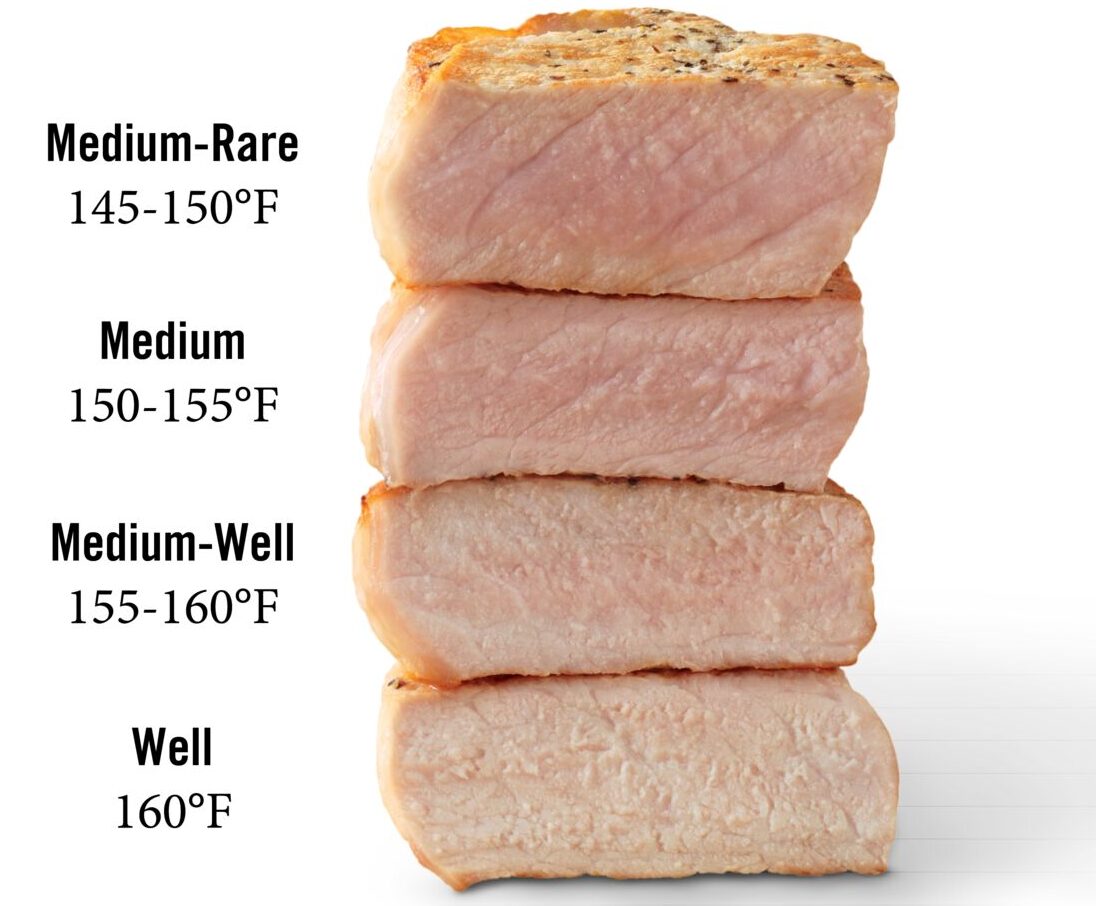
This exploration delves into how cutting-edge technology transforms the act of cooking pork from an art often fraught with uncertainty into a precise science. We’ll uncover the digital innovations that empower home cooks and professional chefs alike to monitor, manage, and master the cooking process, ensuring every bite of pork is not only safe but also perfectly succulent. From the evolution of basic thermometers to AI-driven ovens, the tech landscape offers an unprecedented level of control, turning the once simple question of internal temperature into a sophisticated dance of data and design.
Precision Cooking in the Digital Age: Beyond Guesswork
The fundamental need to accurately measure internal food temperatures stems from a blend of food safety protocols and culinary quality. For pork, undercooking poses risks of foodborne illnesses, while overcooking leads to dry, tough meat that disappoints the palate. Historically, cooks relied on experience, visual cues like color and texture, and rudimentary analog thermometers. However, the digital revolution has ushered in an era where guesswork is replaced by data, and intuition is augmented by precision instrumentation.
The Fundamental Science of Safe Pork
The recommended internal temperature of 145°F (63°C) for whole cuts of pork, followed by a three-minute rest, isn’t arbitrary. It’s based on extensive food science designed to eliminate harmful bacteria like Trichinella spiralis and other pathogens while retaining the meat’s juiciness. During the resting period, the temperature of the meat continues to rise slightly, and the juices redistribute, contributing to both safety and tenderness. Achieving this precise temperature consistently is paramount, and this is where technology steps in, providing the tools necessary to remove human error from the equation. The ability to monitor temperature in real-time, often to a tenth of a degree, ensures that the pork reaches the safe zone without exceeding it, thus preserving its moisture and flavor profile. This scientific approach, enabled by digital precision, marks a significant leap from traditional methods.
The Limitations of Traditional Methods
Before the widespread adoption of digital tech, cooks often used methods like cutting into the meat, pressing it, or comparing its firmness to parts of the hand. These methods, while time-honored, are inherently subjective and prone to error. Cutting into the meat releases valuable juices, drying it out. Visual inspection of color can be misleading, as pinkness doesn’t always indicate undercooked, especially in modern pork which can retain a slight pink hue even when safe. Analog thermometers, while an improvement, often have slower response times and can be difficult to read accurately, especially in dim kitchen lighting or without precise numerical markings. These limitations underscored the urgent need for more accurate, reliable, and user-friendly tools – a gap that modern digital and smart technologies have definitively filled. The advent of instantaneous digital readings and remote monitoring capabilities has rendered these traditional, less reliable methods largely obsolete for those prioritizing both safety and culinary excellence.
Smart Thermometers: Your Digital Culinary Assistant
The evolution of the meat thermometer stands as a testament to technological progress in the kitchen. What began as a simple needle with a dial has transformed into a sophisticated gadget capable of communicating with your smartphone, offering unparalleled control and convenience. Smart thermometers are now indispensable tools for achieving that perfect 145°F (63°C) internal temperature for pork.
Anatomy of a Modern Meat Thermometer
At its core, a modern digital meat thermometer features a highly sensitive thermistor or thermocouple probe connected to a digital display. These components offer rapid and accurate temperature readings, often within seconds and with precision to a tenth of a degree. Modern probes are designed to withstand high temperatures, be easily cleanable, and often come with thin tips to minimize impact on the meat. Beyond the basic digital display, advanced models integrate features like backlit screens for readability, programmable alerts for target temperatures, and durable, waterproof designs. Some even feature multiple probes, allowing simultaneous monitoring of different cuts of meat or various parts of a large roast, making multi-course cooking or large family meals significantly easier to manage and ensure safety across the board. The simple act of inserting a probe and getting an instant, precise reading has removed a major hurdle from consistent, safe cooking.
Bluetooth and Wi-Fi: The Connected Kitchen
The true “smart” aspect of these thermometers emerges with their connectivity features. Bluetooth-enabled thermometers allow cooks to monitor the internal temperature of their pork from a short distance – perfect for checking on the grill from the patio or oven from the living room. Data is wirelessly transmitted to a smartphone or tablet app, providing real-time graphs of temperature progression. Wi-Fi thermometers take this a step further, offering monitoring from virtually anywhere with an internet connection. This is invaluable for long, slow roasts or smokes, where continuous oversight would otherwise be impractical. Imagine being able to run errands or attend to other tasks while still receiving alerts if your pork is approaching its target temperature, all without physically needing to be near the kitchen. This level of remote monitoring dramatically reduces stress and enhances convenience, allowing for more precise timing and consistent results.
App-Enabled Monitoring and Alerts
The companion apps for smart thermometers are where much of their intelligence resides. These apps transform raw temperature data into actionable insights. Users can set custom temperature alarms for different types of meat (including that crucial 145°F for pork), view historical cooking data, and even access integrated recipes with specific temperature guidance. Many apps offer predictive features, estimating how much longer the meat will take to reach its target temperature based on its current rate of heating. Push notifications alert users when the target temperature is reached or if the temperature drops unexpectedly (indicating, for example, a grill flame out). Some advanced apps can manage multiple probes simultaneously, displaying each temperature clearly and allowing for individualized alerts. This integrated digital ecosystem turns temperature monitoring into an intuitive, informative, and interactive experience, ensuring optimal doneness and food safety every time.
The Rise of Smart Kitchen Appliances and AI
Beyond standalone thermometers, the concept of precision temperature control has been integrated directly into a new generation of kitchen appliances. These smart ovens, cooktops, and specialized devices leverage sophisticated sensor technology and, increasingly, artificial intelligence to automate and optimize the cooking process, moving us closer to truly autonomous culinary execution.
Ovens with Integrated Temperature Probes
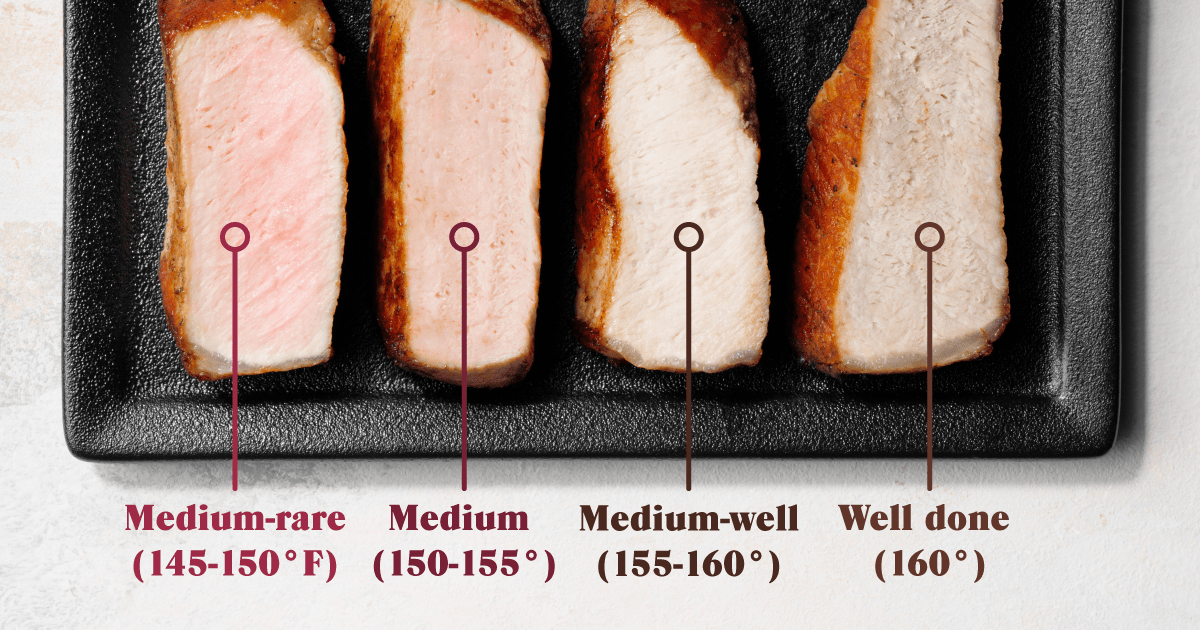
Many modern smart ovens now come equipped with integrated temperature probes that connect directly to the oven’s control panel. These probes provide continuous readings of the meat’s internal temperature, which is then displayed on the oven’s screen or transmitted to a connected app. Crucially, some smart ovens can even automatically switch from a high-heat roasting setting to a “keep warm” mode once the desired internal temperature (like 145°F for pork) is reached. This automation prevents overcooking, offering a hands-free solution for achieving perfect doneness. The integration means fewer separate gadgets, a cleaner aesthetic, and a more streamlined cooking workflow. Such systems represent a significant step beyond simple timers, actively responding to the food’s condition rather than just elapsed time.
AI and Predictive Cooking Algorithms
The next frontier in smart cooking is the integration of Artificial Intelligence and advanced algorithms. AI-powered ovens and cooking systems are beginning to learn from past cooking cycles, factoring in variables like the weight of the pork, its starting temperature, and even ambient kitchen conditions to predict optimal cooking times and temperature curves more accurately. Some systems use vision sensors to analyze the food’s surface browning, adjusting heating elements in real-time. For pork, this could mean an oven that not only measures the internal temperature but also adjusts its heat profile to achieve a perfect sear while simultaneously ensuring the interior reaches exactly 145°F. These predictive capabilities minimize human intervention and error, pushing the boundaries of consistent results and reducing food waste caused by misjudged cooking. AI-driven guidance offers tailored recommendations, optimizing for both safety and peak gastronomic quality.
Sous Vide and Precision Water Baths
While not strictly an “oven” in the traditional sense, sous vide cooking is an excellent example of a tech-driven approach to precision temperature control, especially for meats like pork. Sous vide involves vacuum-sealing food and cooking it in a precisely controlled water bath. Smart sous vide circulators maintain water temperature to within a fraction of a degree (e.g., exactly 145°F for medium pork), ensuring the entire cut of meat reaches the target temperature evenly, edge-to-edge, without overcooking. Many sous vide devices connect to apps, allowing users to set temperatures, monitor progress, and receive notifications remotely. This method guarantees perfectly cooked, incredibly tender, and consistently safe pork every single time, making it a favorite among tech-savvy cooks seeking ultimate control and texture. The ability to hold food at a precise temperature for extended periods also offers incredible flexibility in meal timing.
Software and Apps: Orchestrating Culinary Perfection
Beyond the hardware, the software ecosystem plays a pivotal role in enabling smart, safe, and precise cooking. Companion apps for smart thermometers and appliances, alongside dedicated recipe platforms, transform isolated data points into a cohesive, user-friendly experience, helping cooks master the art of temperature control for dishes like pork.
Recipe Management and Integrated Guidance
Modern recipe apps have evolved far beyond static text and images. Many now integrate directly with smart kitchen devices, offering dynamic, step-by-step guidance that includes specific temperature targets and timings. For cooking pork, an app might not only suggest 145°F but also prompt the user to insert their smart thermometer, automatically pre-program a smart oven, or even adjust a sous vide circulator. These apps often feature extensive databases of cooking temperatures for various cuts and types of meat, providing immediate access to food safety guidelines like the USDA’s recommendations. This integrated approach ensures that even novice cooks can confidently achieve the correct internal temperature for fully cooked pork, minimizing the risk of error and enhancing the learning process.
Timers, Alarms, and Multi-Probe Management
The software in smart cooking setups centralizes crucial functionalities like timers, alarms, and the management of multiple temperature probes. Instead of juggling multiple kitchen timers and frantically checking different thermometer displays, a single app can manage it all. Users can set specific timers for different stages of cooking (e.g., searing, roasting, resting), receive alerts when the pork reaches 145°F, and even monitor several cuts of meat simultaneously, each with its own target temperature and alarm settings. The visual interface of these apps often includes clear graphs showing temperature progression over time, helping cooks understand and predict cooking patterns. This comprehensive management system ensures that every component of a meal, especially the critical internal temperature of meats like pork, is perfectly synchronized and monitored.
Cloud-Based Data for Consistent Results
Some advanced cooking platforms leverage cloud connectivity to store cooking data. This means that after you’ve cooked a pork loin perfectly to 145°F, the system can remember the exact settings, times, and temperature curves used. Over time, this data can be analyzed to refine cooking methods, troubleshoot issues, and even share successful recipes and techniques with other users. For commercial kitchens or highly dedicated home cooks, this cloud-based approach allows for an unprecedented level of consistency and reproducibility. It transforms cooking from a series of isolated events into a cumulative, data-driven process, continuously learning and improving the outcome, ensuring that every subsequent attempt at fully cooked pork meets the same high standard of safety and culinary excellence.
Choosing the Right Tech for Your Kitchen
Navigating the landscape of smart kitchen gadgets can be daunting, but selecting the right technology for monitoring the temperature of fully cooked pork boils down to understanding your needs and priorities. Investing in these tools is an investment in culinary confidence, safety, and consistent deliciousness.
Factors to Consider: Accuracy, Connectivity, User Interface
When choosing smart thermometers or appliances, several factors are paramount. Accuracy is non-negotiable; look for devices that offer precise readings to within one degree Fahrenheit or Celsius. Response time is also critical; faster readings mean less heat loss from the oven or grill and quicker decision-making. Connectivity options (Bluetooth vs. Wi-Fi) should match your desired range and convenience. For those who frequently step away from the kitchen, Wi-Fi is superior. The User Interface of both the physical device and its companion app should be intuitive, easy to navigate, and provide clear, actionable information. Features like pre-programmed settings for pork, customizable alarms, and multi-probe support add significant value. Consider the durability and ease of cleaning of probes and devices, as these will be in constant contact with food and high temperatures.
Investing in Culinary Confidence
The cost of smart kitchen tech ranges from affordable digital thermometers to premium smart ovens. Viewing these purchases as an investment in culinary confidence is key. The peace of mind that comes from knowing your pork is always cooked to a safe 145°F, without being dry or overcooked, is invaluable. This technology reduces stress, minimizes food waste from over or undercooking, and ultimately enhances the enjoyment of your meals. For home cooks, it empowers them to replicate restaurant-quality results. For professional chefs, it ensures consistency across batches and adheres to stringent health and safety standards. The ability to reliably achieve optimal internal temperatures is a cornerstone of modern culinary practice.

The Future of Fully Cooked and Perfectly Safe Meals
The journey from manual estimation to AI-driven precision in cooking temperature control is ongoing. The future promises even more integrated and autonomous systems, where ingredients might be scanned for optimal cooking profiles, and appliances communicate seamlessly to produce perfect results with minimal human input. We can anticipate even more sophisticated predictive algorithms, real-time feedback loops based on sensory data (beyond just temperature), and perhaps even self-correcting cooking processes. For the simple yet crucial question of “what is the temperature of fully cooked pork?”, technology has already provided incredibly robust answers. As innovation continues, the process of achieving that perfectly safe and succulent 145°F will only become more effortless, precise, and universally accessible, cementing tech’s role as the ultimate culinary assistant.
aViewFromTheCave is a participant in the Amazon Services LLC Associates Program, an affiliate advertising program designed to provide a means for sites to earn advertising fees by advertising and linking to Amazon.com. Amazon, the Amazon logo, AmazonSupply, and the AmazonSupply logo are trademarks of Amazon.com, Inc. or its affiliates. As an Amazon Associate we earn affiliate commissions from qualifying purchases.