
In an age of advanced diagnostics and groundbreaking treatments, sometimes the most profound impact on patient recovery comes from deceptively simple yet highly effective medical devices. Among these, the incentive spirometer stands out as a cornerstone of respiratory therapy, a silent guardian in the fight against pulmonary complications. Far more than just a plastic tube, this device represents a critical piece of medical technology, ingeniously designed to empower patients to take an active role in their own lung health. Understanding its purpose is key to appreciating its vital role in modern healthcare, bridging the gap between passive recovery and active pulmonary rehabilitation.
A Vital Piece of Respiratory Technology
At its core, the incentive spirometer is a sophisticated yet user-friendly tool engineered to encourage deep breathing, facilitating optimal lung expansion and preventing the accumulation of fluid and mucus in the airways. While its appearance may seem unassuming, the technology it embodies is a testament to biomechanical principles applied for therapeutic gain, making it an indispensable gadget in hospitals and homes worldwide.
The Mechanics Behind the Machine: How It Works
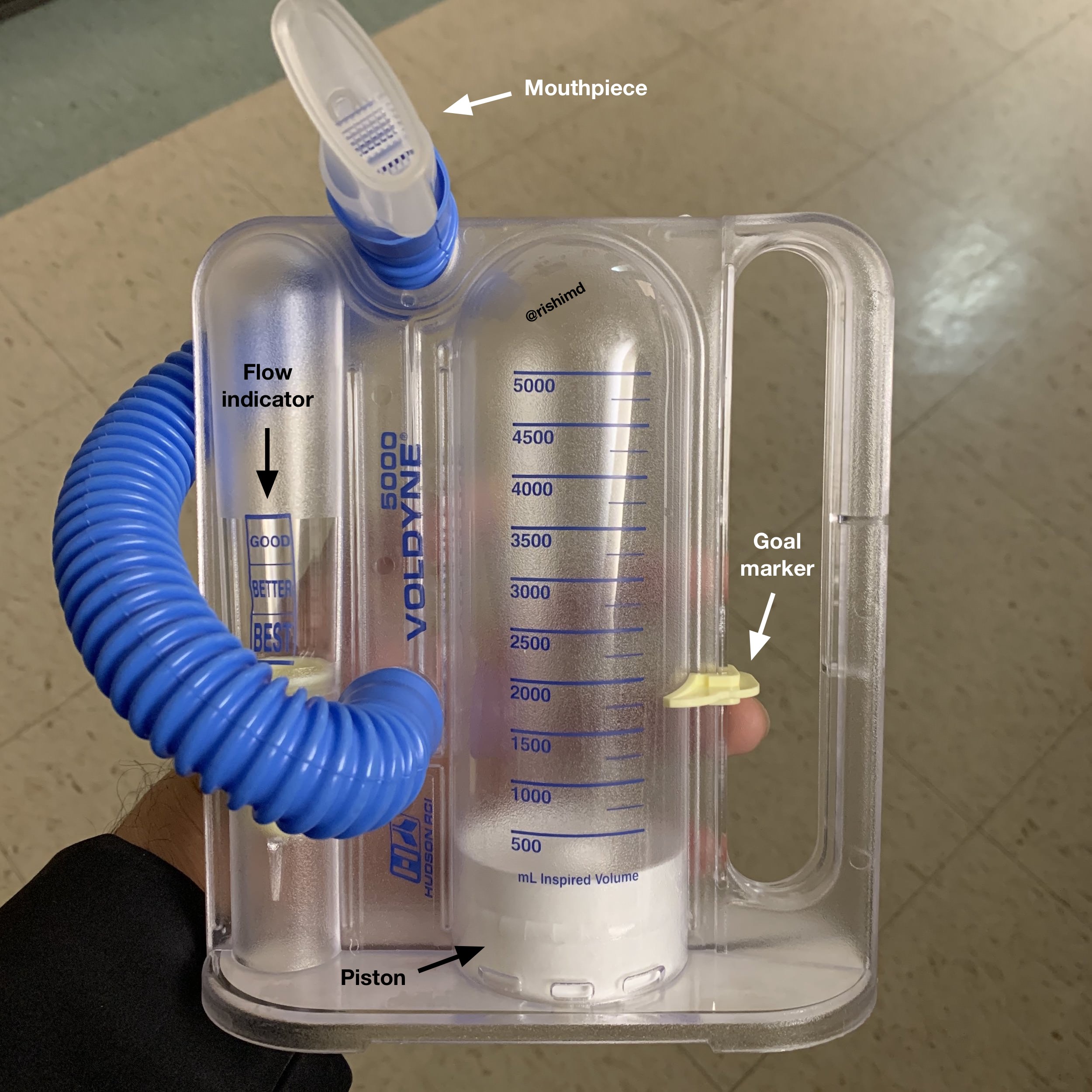
An incentive spirometer typically consists of a mouthpiece connected by tubing to a main chamber containing one or more balls or a piston. The patient inhales slowly and deeply through the mouthpiece, attempting to lift the ball(s) or piston to a predetermined marker. This visual feedback is the “incentive” that encourages sustained maximal inspiration. The sustained deep breath helps to fully inflate the alveoli—the tiny air sacs in the lungs—which are crucial for oxygen exchange.
The fundamental principle at play is volume measurement. The device is calibrated to measure the volume of air inhaled during each sustained breath. By setting daily targets, patients are encouraged to reach and ideally exceed their previous inhalation volumes, gradually improving their lung capacity and function. It’s a mechanical analog feedback system, providing immediate, tangible results that a patient can see and feel, reinforcing positive respiratory habits. This straightforward, non-invasive technology empowers individuals to perform critical respiratory exercises without constant supervision, making lung health rehabilitation accessible and quantifiable.
Beyond Simple Breathing: The Science of Lung Expansion
The benefits of deep breathing extend far beyond merely filling the lungs with air. Scientifically, deep inspiration plays a pivotal role in preventing atelectasis, a condition where portions of the lung collapse. This is particularly common after surgery, during prolonged bed rest, or in the presence of certain respiratory illnesses. When alveoli collapse, they cannot participate in oxygen exchange, leading to reduced blood oxygen levels and increased risk of pneumonia.
The incentive spirometer actively combats atelectasis by promoting sustained inflation of these air sacs. The slow, deep breaths encouraged by the device help to redistribute surfactant, a substance that reduces surface tension in the alveoli, preventing their collapse and facilitating easier re-expansion. Furthermore, the increased airflow helps to mobilize secretions, making them easier to cough up and clear from the airways, further reducing the risk of infection. This targeted physiological intervention, guided by a simple technological device, underscores its effectiveness in maintaining pulmonary hygiene and function.
Bridging the Gap: The Role of Digital Feedback and Smart Features
While traditional incentive spirometers are purely mechanical, the trajectory of medical technology points towards integration with digital platforms. Newer iterations, or companion apps, are beginning to offer digital tracking of spirometry data, allowing patients and clinicians to monitor progress over time with greater precision. This evolution transforms a basic device into a smart health gadget, providing actionable insights. Digital feedback can include historical performance charts, adherence reminders, and even integration with electronic health records, enhancing patient engagement and providing healthcare providers with a more comprehensive view of recovery. This blend of simple mechanics with digital intelligence exemplifies how even foundational medical technology can evolve to meet the demands of connected healthcare.
Optimizing Patient Recovery: Key Applications and Benefits
The utility of the incentive spirometer spans a wide range of medical scenarios, from post-operative care to managing chronic respiratory conditions. Its purpose is multifaceted, revolving around the core objective of expediting recovery, preventing complications, and improving the overall quality of life for patients.
Post-Surgical Care: Preventing Complications
One of the most common and critical applications of the incentive spirometer is in post-operative care, especially after abdominal or thoracic surgeries. Anesthesia, pain medications, and the surgical trauma itself can suppress respiratory drive, leading to shallow breathing and reduced lung volume. This environment is ripe for the development of atelectasis and post-operative pneumonia.
Regular use of an incentive spirometer post-surgery acts as a preventative measure. By actively encouraging deep breaths, patients can re-inflate collapsed lung segments, clear secretions, and maintain vital lung capacity. This proactive intervention significantly reduces the risk of respiratory complications, which can prolong hospital stays, increase healthcare costs, and negatively impact recovery. It’s a simple, patient-driven therapy that yields substantial benefits in a high-risk period, showcasing how low-tech solutions can have high-impact results.
Managing Chronic Conditions: A Proactive Approach
Beyond acute post-surgical recovery, incentive spirometers also serve a valuable role in the long-term management of chronic respiratory conditions such as Chronic Obstructive Pulmonary Disease (COPD), asthma, and cystic fibrosis. While not a primary treatment for these conditions, regular deep breathing exercises can help improve lung elasticity, strengthen respiratory muscles, and enhance the efficiency of gas exchange.
For individuals with these conditions, maintaining optimal lung function is a continuous battle. The incentive spirometer provides a structured, measurable way to perform respiratory physiotherapy, helping to prevent exacerbations and improve lung resilience. It empowers patients to actively participate in managing their chronic disease, often as part of a broader pulmonary rehabilitation program, demonstrating the device’s utility as a complementary therapy gadget in ongoing health management.
Empowering Patients: Self-Monitoring and Engagement
Perhaps one of the most underrated purposes of the incentive spirometer is its ability to empower patients. The visual feedback system allows individuals to self-monitor their progress, setting achievable goals and celebrating incremental improvements. This active engagement in one’s own recovery fosters a sense of control and motivation, which are crucial psychological factors in healing.
Patients can track their peak inspiratory volumes, noting improvements over days or weeks. This tangible evidence of progress can be incredibly encouraging, transforming a potentially daunting recovery process into a measurable journey of self-improvement. For healthcare providers, it offers a simple metric to assess patient adherence and lung function trends, making it a valuable diagnostic and therapeutic tool.

Mastering the Device: A User’s Tutorial and Best Practices
Like any tool, the effectiveness of an incentive spirometer hinges on proper usage. Understanding the correct technique is paramount to achieving its therapeutic benefits. This section serves as a practical tutorial for maximizing the device’s potential.
Step-by-Step Guide: Proper Usage for Maximum Efficacy
-
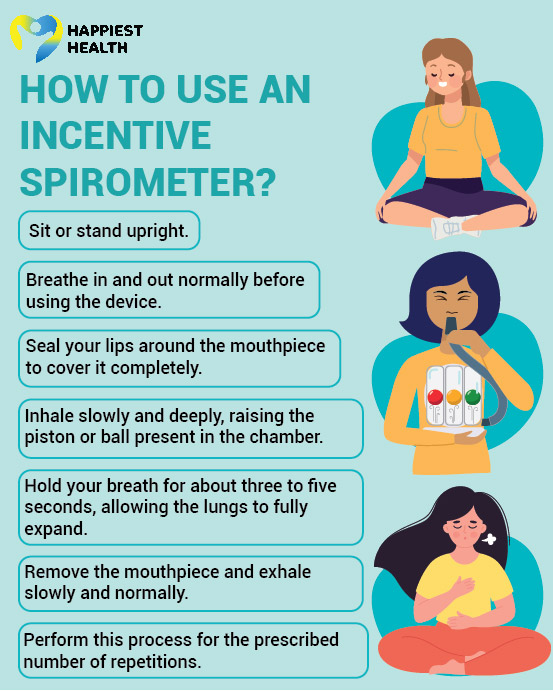
Sit Upright: Always sit upright in a chair or on the edge of your bed. This position allows for optimal lung expansion.
-
Exhale Normally: Breathe out completely, emptying your lungs as much as comfortable.
-
Place Mouthpiece: Seal your lips tightly around the mouthpiece, ensuring no air leaks.
-
Inhale Slowly and Deeply: Take a slow, deep breath through the mouthpiece. Focus on lifting the piston or balls as high as possible. Try to keep the flow indicator (if present) within the target range (often indicated by an arrow or specific markings) to ensure a slow, sustained breath, rather than a quick gasp.
-
Hold Your Breath: Once you’ve inhaled as much as you can, hold your breath for at least 3-5 seconds. This allows the air to reach and expand the smallest air sacs in your lungs.
-
Exhale Slowly: Remove the mouthpiece from your mouth and exhale slowly and normally.
-
Rest and Repeat: Take a short rest, then repeat the process 10-15 times per hour while awake, or as directed by your healthcare provider.
-
Cough: After a set of repetitions, perform a gentle cough to clear any loosened secretions.
Common Pitfalls and How to Avoid Them
-
Breathing Too Fast: A common mistake is inhaling too quickly. This lifts the indicator rapidly but doesn’t allow for proper lung expansion. The key is a slow, sustained inhalation. Many spirometers have a “flow rate” indicator to help guide this.
-
Insufficient Breath Hold: Not holding the breath long enough negates the benefit of sustained alveolar inflation. Aim for at least 3 seconds.
-
Infrequent Use: The benefits are cumulative. Consistent, frequent use throughout the day is more effective than a single prolonged session. Adherence is crucial, often guided by reminders set by the patient or caregiver.
-
Improper Sealing: Air leaks around the mouthpiece will reduce the effectiveness of the exercise. Ensure a tight seal.
Tracking Progress: Interpreting Your Readings
Most incentive spirometers have markings along the side indicating the volume of air inhaled (in milliliters or cubic centimeters). Your healthcare provider will often set a target volume for you to aim for. By regularly checking how high you can push the piston or balls, you can monitor your progress. A steady increase in the achieved volume indicates improving lung function. This self-tracking aspect makes the device not just a therapy tool, but also a simple diagnostic feedback gadget for personal use.
The Evolution and Future of Respiratory Technology
While the fundamental design of the incentive spirometer has remained largely unchanged for decades, the broader landscape of respiratory technology is constantly evolving. The future promises more integrated, data-driven solutions that could enhance the effectiveness and accessibility of such devices.
From Basic Tools to Smart Devices: Technological Advancements
The next generation of incentive spirometers might feature embedded sensors that automatically record inhalation volumes, duration of breath hold, and frequency of use. These smart spirometers could connect wirelessly to smartphones or tablets, allowing for seamless data logging and trend analysis. Imagine a gadget that not only provides visual feedback but also automatically sends compliance reports to your physician or provides real-time coaching through an app. This shift transforms a standalone device into a component of a larger digital health ecosystem.
Integration with Digital Health Platforms: The Connected Patient
The true power of advanced spirometry technology lies in its potential for integration. Data from smart incentive spirometers could feed into personal health records, electronic medical records (EMRs), or dedicated patient portals. This allows healthcare providers to remotely monitor a patient’s respiratory recovery, intervening proactively if trends suggest a decline or non-adherence. For patients, it could mean personalized feedback, gamified challenges to encourage consistent use, and direct communication channels with their care team, embodying the vision of the ‘connected patient’ within a technology-enabled healthcare framework.
The Role of AI and Data Analytics in Respiratory Care
Looking further ahead, artificial intelligence (AI) and machine learning could play a transformative role. AI algorithms could analyze spirometry data patterns to predict potential respiratory complications before they become critical, offering predictive analytics for personalized care. By comparing a patient’s current performance against their historical data and a vast database of similar patient profiles, AI could identify subtle deviations that might indicate an impending issue, prompting timely intervention. This level of intelligent analysis elevates the incentive spirometer from a simple feedback tool to a sophisticated component of a preventative health analytics system, showcasing the profound impact of technology trends in medical devices.
The Unseen Impact: Long-Term Health and Quality of Life
The purpose of an incentive spirometer, while seemingly confined to a hospital setting or acute recovery, has far-reaching implications for long-term health and overall quality of life. Its impact extends beyond immediate physiological benefits, influencing healthcare economics and patient empowerment.
Reducing Readmissions and Healthcare Costs
By effectively preventing post-operative pulmonary complications such as pneumonia and atelectasis, incentive spirometers play a significant role in reducing hospital readmission rates. Complications not only cause discomfort and distress for patients but also incur substantial healthcare costs. A simple, inexpensive device that encourages patient self-management can drastically cut down on the need for more intensive and costly interventions, embodying cost-effective technology in healthcare. This makes the incentive spirometer not just a health gadget, but also an economic tool for sustainable healthcare delivery.
Enhancing Pulmonary Rehabilitation Outcomes
For individuals undergoing pulmonary rehabilitation for chronic conditions, the incentive spirometer serves as a consistent training tool, supplementing supervised therapy sessions. Consistent use at home reinforces the benefits achieved in the clinic, leading to more sustained improvements in lung function, exercise tolerance, and overall respiratory fitness. This continuous engagement with respiratory exercises empowers patients to maintain their gains and further improve their pulmonary health, translating directly into a higher quality of life.
A Simple Device, Profound Health Implications
Ultimately, the incentive spirometer, despite its mechanical simplicity, represents a powerful piece of medical technology. Its purpose is singular yet profound: to encourage deep, sustained breaths that promote lung expansion, prevent complications, and expedite recovery. It is a testament to how well-designed, accessible technology, even in its most basic form, can empower patients, improve clinical outcomes, and contribute significantly to overall public health. As healthcare continues its journey towards digital integration and personalized medicine, the fundamental principles embodied by the incentive spirometer will undoubtedly remain a cornerstone, adapting and evolving with new technological advancements to continue serving as a vital ally in respiratory health.
aViewFromTheCave is a participant in the Amazon Services LLC Associates Program, an affiliate advertising program designed to provide a means for sites to earn advertising fees by advertising and linking to Amazon.com. Amazon, the Amazon logo, AmazonSupply, and the AmazonSupply logo are trademarks of Amazon.com, Inc. or its affiliates. As an Amazon Associate we earn affiliate commissions from qualifying purchases.