
In the dynamic world of branding, where understanding your audience is paramount to success, the concepts of “population” and “sample” are far more than mere statistical jargon. They represent the bedrock upon which effective brand strategies, targeted marketing campaigns, and resonant corporate identities are built. Without a clear grasp of who your brand is trying to reach (the population) and how you gain insights from them (the sample), even the most creative campaigns can fall flat.
For brand strategists, marketing professionals, and business leaders alike, diving deep into these fundamental statistical principles—reimagined through a branding lens—is crucial. It’s about moving beyond assumptions to informed decisions, ensuring that every design choice, every marketing message, and every customer interaction is rooted in a data-driven understanding of the market. This article will demystify population and sample within the context of brand strategy, revealing their critical role in shaping enduring and impactful brands.
The Foundational Role of Population in Brand Understanding
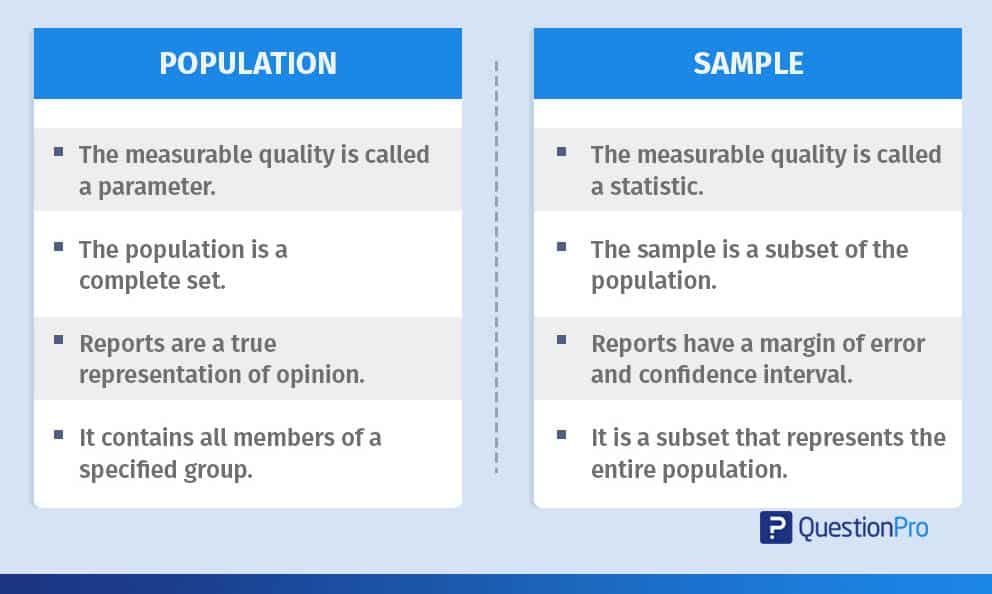
At its core, “population” in brand strategy refers to the complete group of individuals, entities, or markets that a brand aims to understand, influence, or serve. This isn’t just about customers; it encompasses potential customers, stakeholders, competitors, and even broader market segments that define the brand’s ecosystem. A clear definition of your brand’s population is the essential first step in any strategic endeavor, providing the scope and context for all subsequent efforts.
Defining Your Brand’s Universe: The Target Population
Before a brand can even consider reaching out, it must precisely identify “who” it intends to speak to. This “who” is your target population. It could be all smartphone users aged 18-35 in North America, small business owners in the health and wellness sector, or high-net-worth individuals interested in sustainable investments. The definition needs to be as specific as possible because it dictates everything from product development to messaging.
A well-defined target population considers not just broad demographics (age, gender, income, location) but also firmographics for B2B brands (company size, industry, revenue). Without this precise definition, a brand risks diluting its message, wasting resources on irrelevant audiences, and failing to connect with those who matter most. It’s about drawing the boundaries of your brand’s universe, ensuring that you know exactly what territory you are trying to conquer.
Beyond Demographics: Psychographics and Behavioral Populations
While demographics provide a useful initial segmentation, modern brand strategy demands a deeper understanding. This is where psychographics and behavioral data come into play. Your target population isn’t just a collection of ages and incomes; it’s a group with shared values, lifestyles, attitudes, interests, and purchasing behaviors.
-
Psychographic Population: This refers to individuals within your target market who share similar psychological attributes. For example, a brand might target individuals who value environmental sustainability, prioritize convenience, or seek adventurous experiences. Understanding these underlying motivations allows brands to craft messages that resonate emotionally and deeply.
-
Behavioral Population: This segment includes individuals who exhibit specific actions or patterns, such as early adopters of technology, frequent online shoppers, loyal customers of a particular category, or those who engage with specific types of content. Analyzing these behaviors helps brands understand purchasing journeys, loyalty drivers, and potential churn risks.
By defining populations through these richer lenses, brands can move beyond generic appeals to highly personalized and impactful communication, fostering stronger connections and building greater loyalty.
Why a Clear Population Definition is Non-Negotiable
A meticulously defined population is the compass for all brand strategy. It informs:
-
Product Development: What features does this group need?
-
Messaging & Tone of Voice: How do they prefer to be spoken to?
-
Channel Strategy: Where do they consume information and make purchases?
-
Competitive Analysis: Who else is vying for their attention?
-
Brand Positioning: How can we uniquely serve this specific group?
Without this clarity, efforts are scattershot. A brand that tries to be everything to everyone ultimately becomes nothing to anyone. Defining your population is an act of strategic focus, ensuring that every branding effort is purposeful and directed towards the individuals most likely to embrace and champion your brand.
The Strategic Importance of Sampling in Brand Research
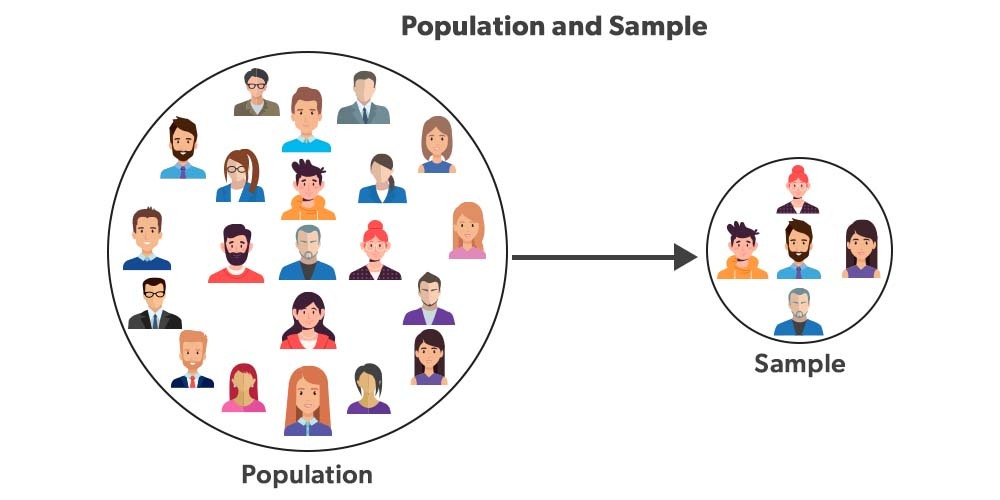
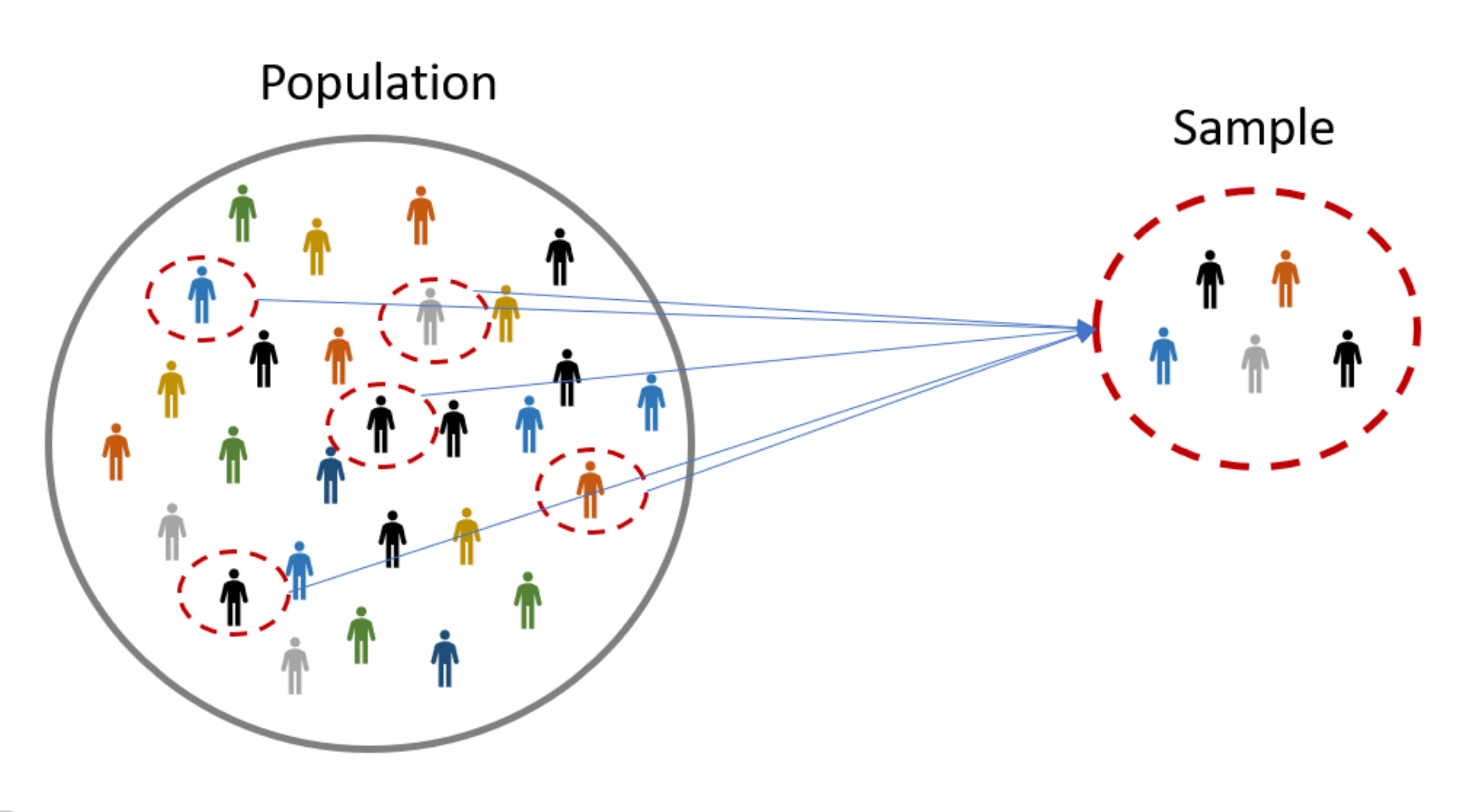
Once the population is clearly defined, the next challenge arises: how do you gain actionable insights from such a vast group? It’s often impractical, if not impossible, to survey or interact with every single member of your target population. This is where the concept of “sample” becomes indispensable. A sample is a smaller, manageable, and carefully selected subgroup of the population that is chosen to represent the larger whole. The goal of sampling in brand research is to draw conclusions about the entire population based on the characteristics observed within the sample, thereby informing strategic decisions without needing to engage every single potential customer.
Bridging the Gap: How Samples Inform Brand Decisions
Samples are the brand strategist’s window into the larger market. By effectively analyzing a sample, brands can:
-
Gauge Brand Perception: Understand how a new logo, campaign, or brand message is received by a representative group.
-
Identify Market Needs: Uncover unmet needs, pain points, and desires within the target audience that can inspire new product development or service offerings.
-
Test Marketing Concepts: Before a full-scale launch, test different ad creatives, taglines, or messaging approaches to see which resonate most effectively.
-
Assess Campaign Effectiveness: Measure the impact of marketing initiatives by observing changes in awareness, sentiment, or intent within a sample group.
-
Understand Customer Journey: Map out the typical customer experience, identifying touchpoints and areas for improvement.
The insights gleaned from a well-chosen sample enable brands to make data-backed decisions, reducing risk and increasing the likelihood of strategic success.
Common Sampling Techniques for Brand Insights
Various methods exist for selecting a sample, each with its own strengths and applications in brand research:
-
Random Sampling (Probability Sampling):
-
Simple Random Sample: Every member of the population has an equal chance of being selected. Ideal for ensuring high representativeness but can be challenging with very large populations.
-
Stratified Random Sample: The population is divided into relevant subgroups (strata, e.g., age groups, income levels), and then random samples are drawn from each stratum proportionally. Ensures representation from key segments.
-
Cluster Sampling: The population is divided into clusters (e.g., geographic areas), and then a random sample of clusters is selected, with all individuals within the chosen clusters being surveyed. Useful for geographically dispersed populations.
-
-
Non-Random Sampling (Non-Probability Sampling):
-
Convenience Sampling: Researchers select participants who are readily available and accessible. Quick and inexpensive, but highly prone to bias and may not represent the population.
-
Quota Sampling: Similar to stratified sampling, but participants are chosen non-randomly within each stratum until a predetermined quota is met.
-
Purposive/Judgmental Sampling: Researchers handpick participants based on their expertise or specific characteristics relevant to the research question. Often used in qualitative research (e.g., focus groups for niche brands).
-
Snowball Sampling: Participants are asked to refer other potential participants who fit the criteria. Useful for hard-to-reach populations.
-
The choice of sampling technique significantly impacts the validity and generalizability of the insights. Brand strategists must carefully consider their research objectives, budget, and the characteristics of their population when selecting a method.
Mitigating Bias and Ensuring Sample Representativeness
The greatest challenge in sampling is ensuring that the sample accurately reflects the population. A biased sample can lead to flawed conclusions and misguided brand strategies. Key considerations for mitigating bias include:
-
Sample Size: While larger samples generally reduce sampling error, the absolute size isn’t the only factor. A well-chosen smaller sample can be more representative than a poorly chosen larger one. Statistical power analysis helps determine an appropriate sample size.
-
Representativeness: The sample should mirror the key characteristics of the population (e.g., demographic ratios, behavioral patterns). If your population is 60% female, your sample should ideally reflect that distribution.
-
Sampling Frame: The list from which the sample is drawn (e.g., customer database, email list). An incomplete or outdated sampling frame can introduce bias.
-
Non-Response Bias: Occurs when certain groups are less likely to respond to surveys, leading to an underrepresentation of their views. Strategies like incentives and follow-ups can help.
By being vigilant about these factors, brand strategists can maximize the reliability of their sample data, making their insights more robust and their strategies more effective.
From Data to Design: Applying Population & Sample Insights
The ultimate value of understanding population and sample lies in their application to tangible brand outcomes. The insights gleaned are not merely academic; they are the raw material that shapes a brand’s identity, messaging, marketing efforts, and ultimately, its market success. This translation of data into actionable strategies is where brand strategists truly shine.
Crafting Resonant Messaging and Brand Identity
With a deep understanding of the target population’s psychographics, behaviors, and preferences, brands can craft messages that truly resonate.
-
Language and Tone: Is the population receptive to formal, humorous, inspiring, or authoritative language?
-
Value Proposition: What specific benefits or solutions does the population seek? How can the brand articulate these in a compelling way?
-
Visual Identity: Do the colors, typography, and imagery align with the aesthetic preferences and values of the target group?
-
Brand Storytelling: What narratives will engage and connect with the population’s aspirations and challenges?
Sampling allows brands to test these elements, refining them based on feedback from a representative group. This iterative process ensures that the brand’s identity is not just visually appealing but also strategically aligned with its audience’s psyche.
Optimizing Marketing Campaigns and Customer Engagement
Population and sample insights are critical for designing and optimizing marketing campaigns.
-
Channel Selection: Knowing where the target population spends its time (social media platforms, traditional media, niche forums) allows for strategic allocation of marketing spend.
-
Content Strategy: What types of content (blogs, videos, infographics, interactive experiences) are most engaging for the sample, and therefore the population?
-
Personalization: Segmenting the population based on detailed sample data allows for highly personalized campaigns, delivering the right message to the right person at the right time.
-
Conversion Optimization: A/B testing different call-to-actions, landing page designs, or offer structures on a sample can reveal optimal approaches for driving conversions across the broader population.
By continuously sampling and analyzing responses, brands can dynamically adjust their marketing tactics, ensuring maximum impact and efficiency.
Measuring Brand Health and Market Perception
Ongoing measurement of brand health, awareness, and perception is essential for long-term success. This inherently relies on sampling.
-
Brand Awareness Surveys: Periodically sampling the target population to track changes in brand recognition and recall.
-
Brand Sentiment Analysis: Analyzing samples of online conversations, reviews, and social media mentions to gauge public perception and identify emerging trends or issues.
-
Customer Satisfaction (CSAT) and Net Promoter Score (NPS) Surveys: Regularly sampling existing customers to measure satisfaction, loyalty, and their likelihood to recommend the brand.
-
Competitive Benchmarking: Sampling perceptions of your brand versus competitors to understand market positioning and identify areas for differentiation.
These continuous feedback loops, powered by effective sampling, provide brands with an early warning system and the data needed to proactively adapt their strategies, maintain relevance, and sustain growth.
The Evolving Landscape: Big Data, AI, and Brand Sampling
The advent of big data and artificial intelligence has dramatically reshaped how brands understand populations and extract insights from samples. While traditional statistical methods remain crucial, new technologies offer unprecedented opportunities for scale, precision, and predictive power in brand strategy.
Leveraging Digital Footprints for Population Understanding
The digital age leaves a massive “digital footprint” for individuals. Websites visited, social media interactions, purchase histories, app usage—all contribute to a rich tapestry of data. This “big data” can, in many ways, be seen as a form of continuously collected, extremely large, and often unprompted sample of behavior.
-
Behavioral Segmentation: Algorithms can identify intricate behavioral patterns within massive datasets, allowing for the creation of highly granular and dynamic population segments that traditional surveys might miss.
-
Real-time Insights: Instead of relying on periodic surveys, brands can continuously monitor digital behaviors to gain real-time insights into population trends, emerging interests, and shifts in sentiment.
-
Implicit Data: Digital footprints often provide implicit data about preferences (e.g., time spent on a page, items viewed) that complement explicit survey responses, offering a more holistic view of the population.
This rich, passively collected data significantly enhances a brand’s ability to define and understand its target population with unparalleled depth.
AI-Driven Insights and Predictive Brand Analytics
Artificial intelligence and machine learning algorithms are transforming how samples are analyzed and how predictions are made about the broader population.
-
Automated Data Analysis: AI tools can process vast amounts of unstructured data (e.g., customer reviews, social media comments) from samples, identifying themes, sentiments, and emerging trends far more rapidly than human analysts.
-
Predictive Modeling: By training on historical data samples, AI can predict future consumer behaviors, market shifts, and the likely success of different brand initiatives within the population. This includes predicting churn risk, purchase intent, or optimal pricing strategies.
-
Personalized Experiences at Scale: AI-driven platforms can use individual-level sample data to personalize brand experiences, recommendations, and communications for millions of users simultaneously, creating a hyper-relevant brand journey.
-
Optimized Sampling: AI can even help optimize the sampling process itself, identifying which segments of the population would yield the most valuable insights for a given research question, potentially reducing the need for costly large-scale surveys.
These AI capabilities allow brands to move from reactive decision-making to proactive, data-informed strategy, anticipating population needs rather than merely responding to them.
Ethical Considerations in Data Collection and Usage
With the power of big data and AI comes significant ethical responsibility. Brands must navigate:
-
Privacy Concerns: Ensuring compliance with data privacy regulations (e.g., GDPR, CCPA) and maintaining transparency with consumers about data collection practices.
-
Data Security: Protecting sensitive information gathered from samples and population data from breaches.
-
Algorithmic Bias: Ensuring that AI models used for analysis and prediction are not perpetuating or amplifying existing societal biases, which could lead to discriminatory branding or marketing practices.
-
Transparency and Trust: Building and maintaining consumer trust by clearly communicating how data is used to enhance their brand experience, rather than exploit it.
Ethical considerations are not merely legal requirements; they are fundamental to building a trustworthy and reputable brand in the digital age. Responsible data handling reinforces brand values and strengthens consumer loyalty.
Mastering Population and Sample: The Cornerstone of Enduring Brands
In the competitive landscape of modern business, a brand’s ability to thrive hinges on its profound understanding of the market it inhabits. The concepts of population and sample are not abstract statistical constructs but rather indispensable tools that empower brand strategists to see clearly, act decisively, and connect authentically. From defining the universe of potential customers to meticulously gathering insights from representative groups, these principles guide every step of brand development and deployment.
Continuous Learning and Adaptation
The market is rarely static. Populations evolve, behaviors shift, and new trends emerge. Therefore, understanding population and sample is not a one-time exercise but an ongoing commitment to continuous learning. Brands must establish feedback loops, regularly conduct market research, and leverage technological advancements to keep their understanding of their audience dynamic and current. This agility ensures that brand strategies remain relevant and effective over time.
The Future of Brand-Centric Data
As technology continues to advance, the methods for defining populations and drawing samples will become even more sophisticated. Virtual reality, augmented reality, and brain-computer interfaces could offer entirely new ways to understand human behavior and preferences, providing unparalleled insights into the psyche of target populations. The future of branding will undoubtedly be characterized by an even deeper integration of data science, psychological understanding, and ethical considerations.
Ultimately, mastering the concepts of population and sample empowers brand strategists to transcend guesswork, replace assumptions with evidence, and forge brands that are not only aesthetically compelling but also deeply resonant, strategically sound, and built to last. By dedicating themselves to understanding the “who” and the “how” of their audience, brands can navigate the complexities of the market with confidence, building relationships that stand the test of time.
aViewFromTheCave is a participant in the Amazon Services LLC Associates Program, an affiliate advertising program designed to provide a means for sites to earn advertising fees by advertising and linking to Amazon.com. Amazon, the Amazon logo, AmazonSupply, and the AmazonSupply logo are trademarks of Amazon.com, Inc. or its affiliates. As an Amazon Associate we earn affiliate commissions from qualifying purchases.