
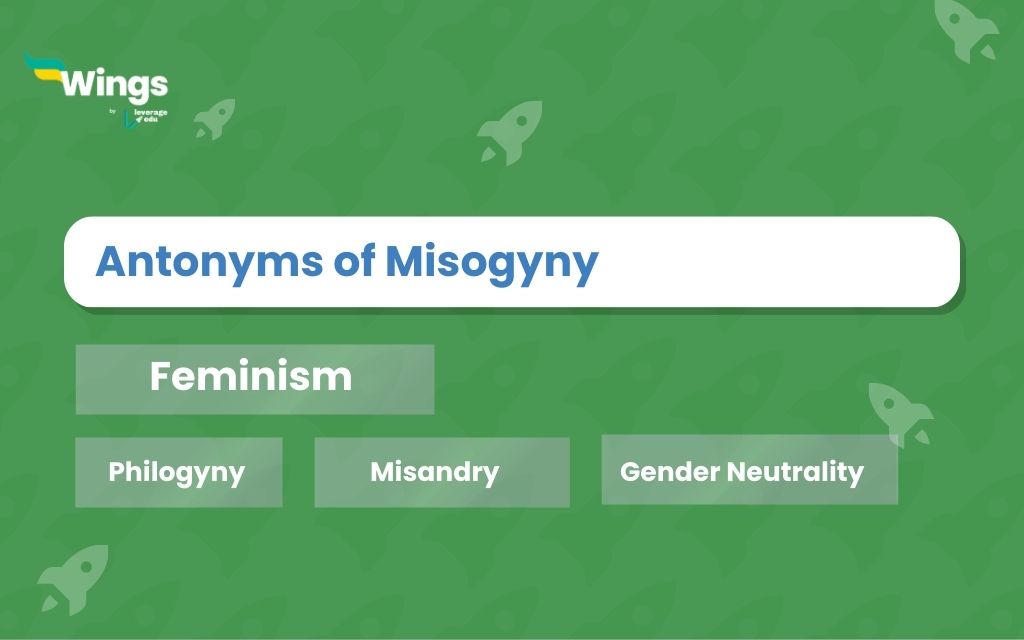
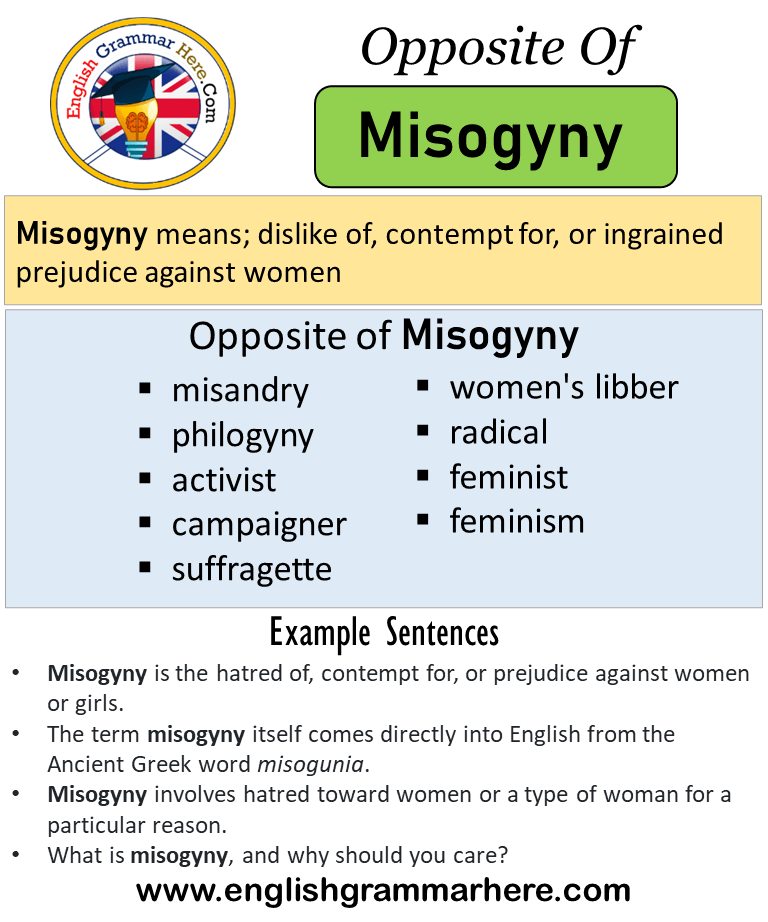
Misogyny, the ingrained prejudice, hatred, or dislike of women, has cast a long shadow over societies and institutions for centuries. In an increasingly conscious and interconnected world, the conversation around misogyny has intensified, prompting individuals and, crucially, brands to re-evaluate their stances and impact. But simply “not being misogynistic” is often insufficient. The true opposite is not merely an absence of hostility but an active, deliberate embrace of gender equality, respect, and empowerment for all. For brands, this isn’t just a moral imperative; it’s a strategic necessity, shaping corporate identity, marketing efficacy, and ultimately, market relevance.

This article delves into what it means for a brand to embody the opposite of misogyny, exploring how organizations can cultivate identities, craft messages, and build cultures that champion gender equity. It’s about moving beyond passive non-discrimination to proactive advocacy, building trust, fostering loyalty, and thriving in a world that increasingly values authentic inclusion.
Beyond Neutrality: Defining the Pro-Equity Brand Identity
To be truly the opposite of misogynistic, a brand must commit to more than just avoiding offensive stereotypes or discriminatory practices. It requires a fundamental shift towards a pro-equity stance, where gender equality is woven into the very fabric of its identity. This isn’t a superficial marketing gimmick but a deep-seated philosophical commitment.
The Spectrum of Brand Stance: From Passive to Proactive
Brands often exist on a spectrum when it comes to gender equity. At one end are brands that are overtly misogynistic, perpetuating harmful stereotypes or actively discriminating. Moving along, we find brands that are merely “neutral” or “gender-blind.” While seemingly innocuous, this passive approach can inadvertently uphold existing inequalities by failing to challenge them. These brands might not actively offend but also do little to advance progress, often missing critical opportunities to connect with diverse audiences.
At the other end of the spectrum lies the truly anti-misogynistic, or more accurately, pro-equity brand. These brands actively challenge existing norms, advocate for equality, and embody respect for all genders in every facet of their operation. They understand that silence or neutrality in the face of injustice is, in itself, a stance. In today’s hyper-aware social landscape, neutrality is increasingly perceived as a weakness or a lack of conviction, making it harder for brands to resonate with the values-driven consumers of Generation Z and beyond. A proactive stance, therefore, becomes a powerful differentiator, signaling authenticity and a genuine commitment to social progress.
Core Pillars of a Gender-Equitable Brand
Building a brand identity that actively counters misogyny rests on several core pillars:
-
Unwavering Respect for All Genders: This is foundational. It means treating individuals of all gender identities with dignity, recognizing their contributions, and valuing their perspectives equally. This respect must extend to internal operations, customer interactions, and external communications.
-
Equal Representation and Visibility: A pro-equity brand actively seeks to represent all genders fairly and authentically across its marketing, advertising, and internal leadership. This moves beyond tokenism to ensure diverse voices and images are genuinely integrated, showcasing a realistic and empowering view of society.
-
Inclusive Language and Imagery: The words and visuals a brand uses are potent tools. An equitable brand consciously employs gender-neutral language where appropriate, avoids gendered assumptions, and uses imagery that breaks traditional stereotypes, portraying individuals in roles and contexts that defy conventional limitations.
-
Challenging Harmful Stereotypes: This is perhaps the most active component. Instead of simply avoiding stereotypes, a truly anti-misogynistic brand actively works to dismantle them. This could involve campaigns that subvert traditional gender roles, products designed to empower overlooked demographics, or content that celebrates diverse forms of strength and achievement.
-
Authenticity and Consistency: A brand’s commitment to gender equity must be genuine and consistent across all touchpoints. Consumers are adept at spotting performative allyship. True commitment is evident when a brand’s internal policies, product development, leadership composition, and external messaging all align with its stated values. This consistency builds trust and reinforces the brand’s integrity.
Crafting Authentic Messaging: Marketing with an Anti-Misogynistic Lens
The ultimate expression of a brand’s commitment to gender equity often manifests in its marketing and communication strategies. This is where the brand’s philosophy translates into tangible messages that shape public perception and engage consumers. An anti-misogynistic lens in marketing focuses on empowerment, authenticity, and challenging outdated narratives.
Representation Matters: Visuals, Voices, and Narratives
Effective marketing from a pro-equity perspective starts with intelligent and thoughtful representation. This means moving beyond the historical tendency to portray women in narrow, often objectified or subordinate roles.
-
Diverse Visuals: Brands should actively seek to feature a diverse range of women and individuals of all gender identities in their campaigns – across age groups, body types, ethnicities, and abilities. Crucially, these individuals should be shown in empowering contexts: as leaders, innovators, athletes, caregivers, and complex individuals, rather than solely through a lens of beauty standards or domesticity. The goal is to reflect the real world, not a stylized, often gender-biased, version of it.
-
Authentic Voices and Narratives: Beyond visuals, the stories brands tell and the voices they amplify are critical. Pro-equity marketing gives platforms to diverse narratives, allowing women and other marginalized genders to speak for themselves, sharing their experiences, aspirations, and successes in their own words. This moves away from brands speaking about women to enabling women to speak through the brand, fostering a sense of authenticity and relatability.
-
Avoiding Tokenism: While representation is key, brands must be wary of tokenism – featuring diverse individuals without genuine commitment to diversity in the broader organization or campaign strategy. Consumers can quickly identify superficial attempts, which can damage brand credibility more than a lack of representation. True representation is integrated, consistent, and reflective of a deeper organizational value.
Language and Tone: The Power of Words
The words a brand uses in its advertising, product descriptions, social media, and internal communications hold immense power. A pro-equity brand exercises extreme care in its linguistic choices.
-
Inclusive Language: This involves using gender-neutral terms where appropriate (e.g., “chairperson” instead of “chairman,” “they” as a singular pronoun when gender is unknown or non-binary), avoiding gendered assumptions, and refraining from language that diminishes or stereotypes any gender.
-
Empowering Tone: The tone of a brand’s communication should be uplifting and empowering, celebrating achievement and potential rather than reinforcing insecurities or societal pressures. This means moving away from marketing that capitalizes on gender-based anxieties or pits genders against each other.
-
Challenging Gendered Marketing: Many products are unnecessarily gendered through marketing (e.g., “for him” and “for her” versions of identical products, or toys marketed exclusively to one gender). A brand committed to anti-misogyny challenges this by creating gender-agnostic products or marketing that appeals to universal human needs and desires, transcending traditional gender divides.
Campaign Examples: Highlighting Best Practices
While specific brand names aren’t the focus here, the principles behind successful pro-equity campaigns are instructive. Brands like Dove’s “Real Beauty” campaign challenged narrow beauty standards, celebrating diversity in women’s appearances. Always’ “Like a Girl” campaign redefined what it means to do things “like a girl,” turning a pejorative phrase into an empowering one. These campaigns succeed because they address genuine societal issues, resonate with consumer experiences, and align with a broader brand commitment to empowerment. They move beyond selling a product to selling a vision of a more equitable world.
Internalizing Equity: Corporate Culture as a Brand Statement
A brand’s external message of gender equity rings hollow if it’s not supported by an internal culture that embodies the same principles. The opposite of misogyny, within an organizational context, means fostering a workplace where all employees, regardless of gender, feel respected, valued, and have equal opportunities to thrive. Corporate culture is, in essence, the brand’s deepest and most authentic statement.
Leadership and Values: Setting the Tone from the Top
The journey towards a pro-equity culture must begin at the top. Leadership’s explicit commitment to diversity, equity, and inclusion (DEI) is paramount.
-
Visible Commitment: Leaders must not only articulate these values but also visibly champion them through their actions, decisions, and communications. This includes advocating for equitable policies, participating in DEI initiatives, and personally challenging biased behaviors.
-
Policy and Practice: A pro-equity organization implements and enforces policies that actively counter gender discrimination. This includes equal pay for equal work, transparent promotion pathways, robust anti-harassment policies, and flexible work arrangements that support work-life balance for all genders.
-
Diverse Leadership: A critical indicator of an anti-misogynistic culture is the diversity within its leadership ranks. When women and individuals from other marginalized genders are represented in senior positions, it signals genuine opportunity and provides diverse perspectives that enrich decision-making and innovation.
Employee Empowerment and Safe Spaces
A truly equitable workplace empowers its employees and ensures they feel safe and heard.
-
Voice and Feedback Mechanisms: Creating channels for employees to voice concerns, provide feedback on workplace culture, and report discriminatory behavior without fear of retaliation is essential. This can include anonymous surveys, employee resource groups (ERGs) focused on gender equity, and accessible HR support.
-
Addressing Unconscious Bias and Microaggressions: Training programs focused on unconscious bias are crucial for all employees, particularly management. These programs help individuals recognize and mitigate biases that can subtly undermine gender equity. Similarly, actively addressing microaggressions – subtle, often unintentional expressions of bias – creates a more respectful and inclusive daily environment.
-
Mentorship and Sponsorship Programs: To counter historical biases that may limit career progression for women, formal mentorship and sponsorship programs can be highly effective. These initiatives actively connect women with senior leaders who can advocate for their advancement and provide guidance.
Beyond HR: Integrating Equity into Every Department
Gender equity isn’t solely an HR function; it must permeate every department and process within an organization.
-
Product Development: When product teams are diverse, they are more likely to identify and address biases in product design, ensuring that products and services are inclusive and meet the needs of a diverse user base. For example, ensuring AI algorithms aren’t trained on biased datasets that could perpetuate gender stereotypes.
-
Customer Service: Training customer service teams to interact respectfully with all customers, avoiding gendered assumptions or stereotypes, reinforces the brand’s commitment to equity.
-
Procurement and Partnerships: A pro-equity brand considers the diversity of its suppliers and partners, actively seeking out and supporting women-owned businesses or organizations that align with its values. This extends the brand’s positive influence beyond its immediate operational boundaries.
Navigating the Landscape: Challenges and Opportunities
Adopting an anti-misogynistic, pro-equity stance is not without its challenges, yet the opportunities it presents for brand building and sustained success are substantial. Brands must be prepared for scrutiny and commit to continuous improvement.
The Backlash and the Boycott: Risks of Missteps
In an era of heightened social awareness, brands that publicly espouse gender equity are held to a higher standard. Any perceived misstep, hypocrisy, or performative allyship can lead to significant backlash, damaging brand reputation, and potentially resulting in consumer boycotts.
-
Authenticity is Key: Consumers are increasingly adept at discerning genuine commitment from cynical marketing ploys. If a brand’s internal practices do not align with its external messaging, it risks being exposed as inauthentic.
-
Consistency Across Platforms: A brand’s message of equity must be consistent across all platforms and markets. What might be acceptable in one cultural context could be problematic in another, requiring careful localized sensitivity.
-
Preparedness for Scrutiny: Embracing a pro-equity stance means being prepared for intense scrutiny from the public, media, and advocacy groups. Brands must be ready to respond to criticism constructively, acknowledge mistakes, and demonstrate a commitment to learning and evolving.
Building Trust and Loyalty: The Business Case for Equity
Despite the challenges, the business case for embodying the opposite of misogyny is compelling and increasingly evident.
-
Enhanced Brand Reputation and Perception: Brands committed to gender equity are generally perceived more positively, seen as progressive, responsible, and ethical. This enhances their reputation and makes them more attractive to a wider range of stakeholders, including investors and partners.
-
Attracting and Retaining Top Talent: In today’s competitive job market, an inclusive and equitable workplace is a significant draw for top talent, particularly for women and individuals from diverse backgrounds. A strong pro-equity brand image helps in recruitment and significantly boosts employee retention, reducing turnover costs.
-
Resonance with Conscious Consumers: Millennials and Generation Z, who represent an increasingly dominant consumer base, are highly values-driven. They actively seek out and support brands that align with their social values, including gender equality. By taking a stand, brands can build deep loyalty with these influential consumer segments.
-
Innovation and Market Expansion: Diverse teams, particularly those with strong female representation, are often more innovative, bringing a broader range of perspectives and experiences to problem-solving and product development. This can lead to new market opportunities and more effective solutions that cater to a wider demographic.
-
Long-term Financial Performance: Studies increasingly link strong DEI performance with better financial returns. Companies with greater gender diversity in leadership roles often outperform their peers in profitability and stock performance. This suggests that a commitment to being the opposite of misogynistic is not just good for society, but also good for business.
In conclusion, the opposite of misogynistic, for a brand, is not simply a passive absence of sexism but an active, thoughtful, and consistent commitment to gender equity and respect across all facets of its identity, marketing, and corporate culture. It is a journey of continuous improvement, challenging norms, fostering inclusion, and creating an environment where all genders can thrive. By embracing this proactive stance, brands not only fulfill a moral obligation but also strategically position themselves for greater relevance, deeper consumer loyalty, enhanced innovation, and sustained success in a rapidly evolving, values-driven global marketplace.
aViewFromTheCave is a participant in the Amazon Services LLC Associates Program, an affiliate advertising program designed to provide a means for sites to earn advertising fees by advertising and linking to Amazon.com. Amazon, the Amazon logo, AmazonSupply, and the AmazonSupply logo are trademarks of Amazon.com, Inc. or its affiliates. As an Amazon Associate we earn affiliate commissions from qualifying purchases.