
In the realm of personal finance and healthcare management, understanding the cost-benefit analysis of prescribed medication is as vital as managing an investment portfolio. Adderall XR, a widely prescribed extended-release stimulant used to manage Attention Deficit Hyperactivity Disorder (ADHD), carries significant financial implications for patients. When individuals explore the medical parameters of dosage, they are often also navigating a landscape of insurance premiums, out-of-pocket expenses, and the economic impact of pharmacological optimization.
Managing a prescription regimen is not merely a health decision; it is a budgetary one. Because Adderall XR is a controlled substance with specific clinical guidelines regarding maximum dosages, patients must balance efficacy with the reality of monthly supply costs and the administrative overhead of managing chronic health expenses.
The Economic Reality of Prescription Management
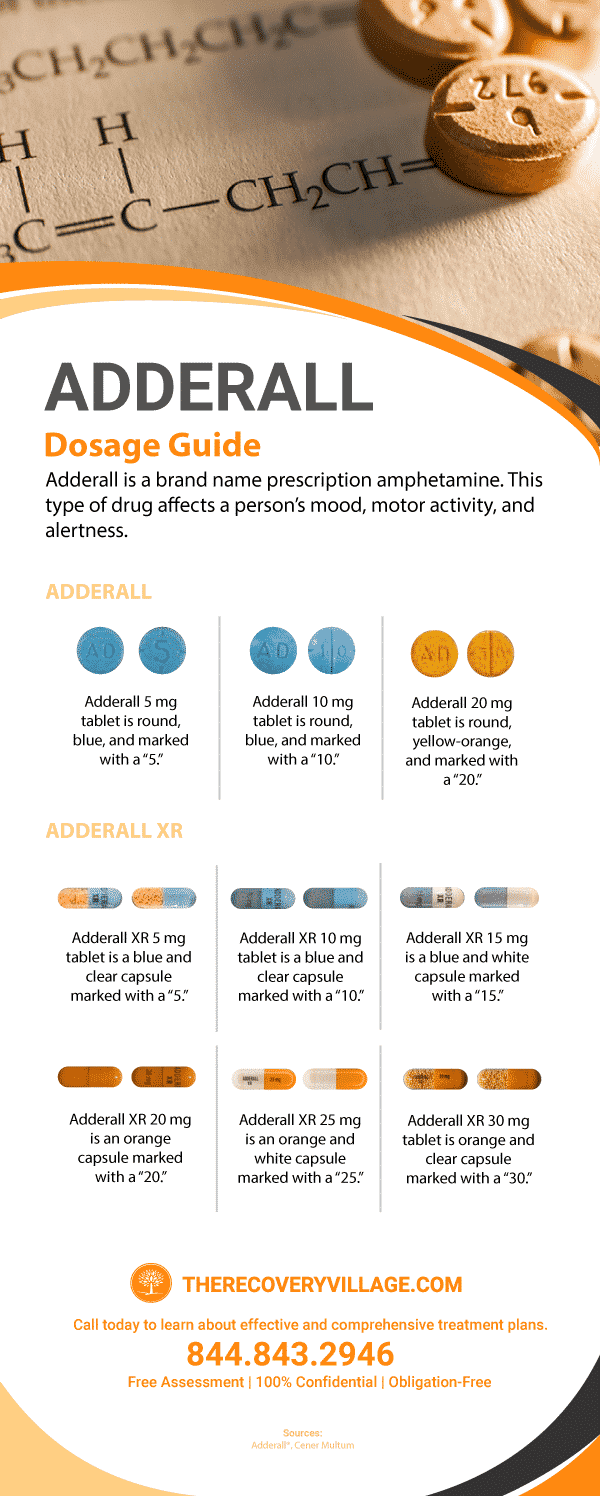
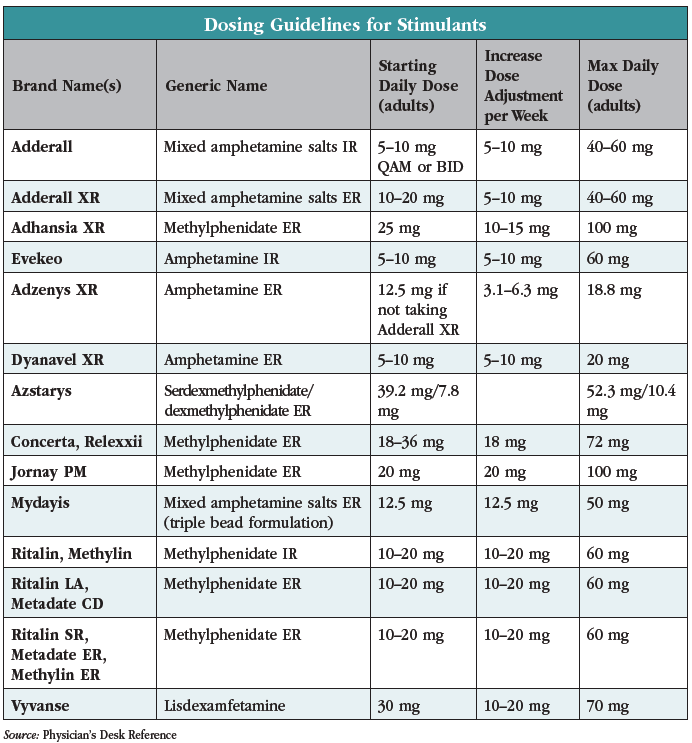
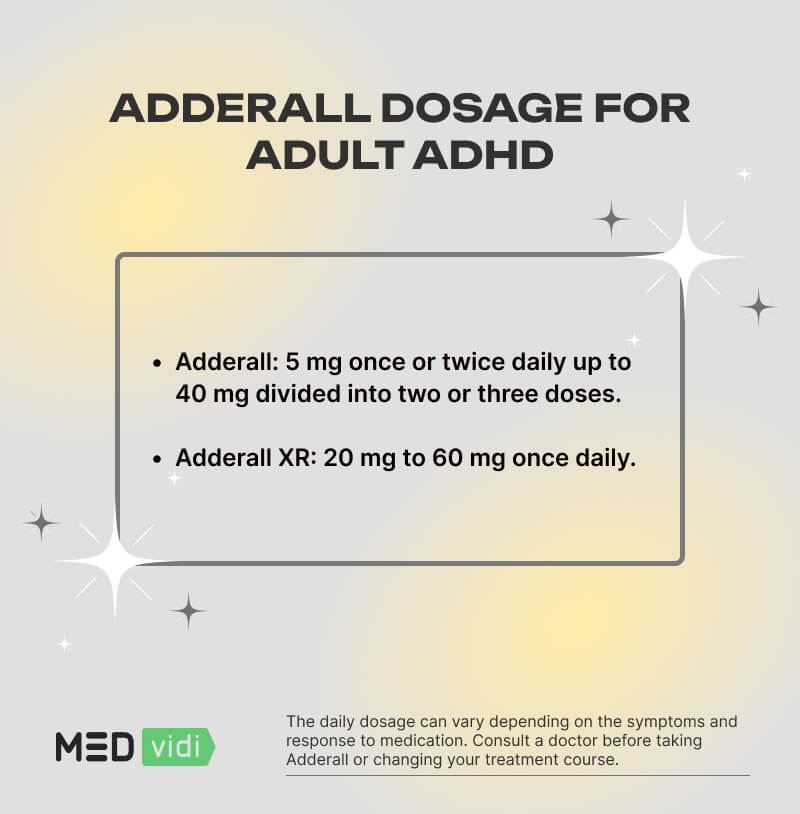
The maximum daily dosage of Adderall XR is clinically established by the FDA at 60 mg per day for adults. Deviating from these guidelines—whether by titration or by seeking higher doses—carries financial consequences that extend far beyond the pharmacy counter. For the average consumer, understanding the “ceiling” of a dosage is essential for long-term financial planning regarding health expenditures.
Cost-Efficiency and Dosage Titration
In the world of personal finance, we are taught to optimize resources. When a patient is prescribed medication, the goal is “therapeutic efficacy at the lowest possible cost.” If a patient escalates their dosage toward the 60 mg limit without a proportionate increase in functional productivity or cognitive benefit, they are effectively experiencing a negative return on investment.
Patients often find that lower doses, when managed through consistent habits and supplementary non-pharmacological strategies, yield a higher “value” per dollar spent. When a physician evaluates whether to increase a patient’s dosage toward the 60 mg maximum, they are essentially assessing whether the increased cost of a higher-strength pill is justified by the marginal gain in performance.
Insurance Coverage and Formulary Tiers
Most insurance plans categorize controlled substances into specific “tiers.” Understanding where your prescription falls within your provider’s formulary is critical for budgeting.
- Tier 1: Typically generic medications with the lowest copay.
- Tier 2/3: Brand-name or specialty medications that often come with higher cost-sharing requirements.
- Prior Authorization: If a patient requires a dose that reaches the maximum 60 mg threshold, insurance companies frequently trigger a prior authorization process. This administrative hurdle can result in significant delays and, in some cases, the denial of coverage, leaving the patient to shoulder the full retail cost of the medication—a sudden and significant impact on personal cash flow.
The Financial Burden of “Maxing Out”
Reaching the maximum dose of Adderall XR is a milestone that carries specific financial risks. From an investment strategy perspective, reliance on high-dose pharmaceuticals involves the risk of dependency and the potential for long-term health-related expenditures that can erode savings over time.
The Opportunity Cost of Health Expenditures
When a significant portion of a monthly budget is allocated to high-tier specialty medications, those funds are redirected away from other wealth-building vehicles. If a patient is consistently needing the maximum 60 mg dose, they are paying for a premium level of pharmaceutical support. It is incumbent upon the individual to weigh this cost against other potential avenues for ADHD management, such as behavioral therapy or professional coaching, which might offer a better long-term “interest rate” on functional improvement.
Navigating Out-of-Pocket Expenses
For those without robust insurance, or those whose insurance limits coverage on high-dosage prescriptions, the price gap can be severe. Retail prices for high-dosage stimulants fluctuate based on market demand, supply chain constraints, and pharmacy pricing strategies. Utilizing prescription discount programs (like GoodRx or similar services) becomes a mandatory side hustle for the patient. Treating pharmacy costs as a competitive market where prices must be shopped around is the only way to mitigate the rising costs of chronic medication.
Maximizing Human Capital Through Controlled Resources
At its core, Adderall XR is a tool designed to increase the productivity and cognitive capacity of the user. In the context of “human capital,” we can view the medication as an input that produces an output—work performance, academic success, or organizational capability.
The ROI of Medication
When the medication is used correctly within the 60 mg limit, the ROI is high. Increased focus leads to better job performance, which often leads to promotions, salary increases, and career advancement. However, there is a point of diminishing returns. If the dosage is pushed to the limit, the side effects—such as anxiety, insomnia, or physical health issues—can begin to counteract the professional benefits. Financially, this is equivalent to an asset that has become a liability.
Long-Term Sustainability and Portfolio Diversification
A sound financial plan includes risk management. Relying solely on a pharmacological intervention to maintain one’s human capital is a single-point-of-failure risk. If a patient finds themselves at the 60 mg maximum, they should also be investing in a “diversified portfolio” of mental health tools.
- Organizational Systems: Digital tools and software that act as external buffers for memory and task management.
- Health Maintenance: Physical fitness and sleep hygiene, which act as the “base assets” of the human body.
- Professional Development: Improving skills so that the reliance on external cognitive boosters is minimized over time.
Strategic Planning for Prescription Transitions
As patients age or as their life circumstances change, the necessity for high-dosage medication may evolve. Managing these transitions is a key component of long-term financial health.
Auditing Your Medication Strategy
Periodically review your prescription needs with your healthcare provider. Are you at the 60 mg limit because you truly need it, or because you haven’t adjusted your lifestyle systems? Auditing your medication strategy is just as important as auditing your bank accounts. Reducing a dosage—even slightly—can lower monthly copays, decrease the need for frequent refills, and potentially reduce long-term health risks that lead to insurance premium hikes.
Preparing for Administrative Barriers
Should you reach the maximum dosage, prepare your financial documentation accordingly. Keep records of your prior authorizations, your insurance appeal documents, and your pharmacy receipts. This documentation is your “financial trail.” Should you ever need to transition to a different provider or insurance carrier, having a clean, organized history of your medical requirements will prevent gaps in coverage that could prove costly.
In the final analysis, while the 60 mg limit is a medical ceiling, the management of Adderall XR is a multifaceted exercise in resource allocation. By treating your prescription as a significant line item in your personal balance sheet, you can ensure that you are gaining the necessary benefits of the medication without compromising your financial security or long-term fiscal health. Prioritizing efficiency, monitoring market costs, and diversifying your productivity tools are the hallmarks of a savvy approach to managing health as a pillar of your overall wealth strategy.
aViewFromTheCave is a participant in the Amazon Services LLC Associates Program, an affiliate advertising program designed to provide a means for sites to earn advertising fees by advertising and linking to Amazon.com. Amazon, the Amazon logo, AmazonSupply, and the AmazonSupply logo are trademarks of Amazon.com, Inc. or its affiliates. As an Amazon Associate we earn affiliate commissions from qualifying purchases.