
Understanding the tax landscape in Indiana is essential for anyone living, working, or conducting business within the state. Indiana is often recognized for its business-friendly environment and flat-rate tax structure, which simplifies the fiscal obligations of its residents compared to the complex graduated brackets found in many other states. Whether you are an employee looking at your paycheck, an entrepreneur planning a startup, or a retiree moving to the Hoosier State, grasping the nuances of the Indiana income tax, sales tax, and local tax requirements is a fundamental component of personal financial planning.
The Indiana Individual Income Tax Rate
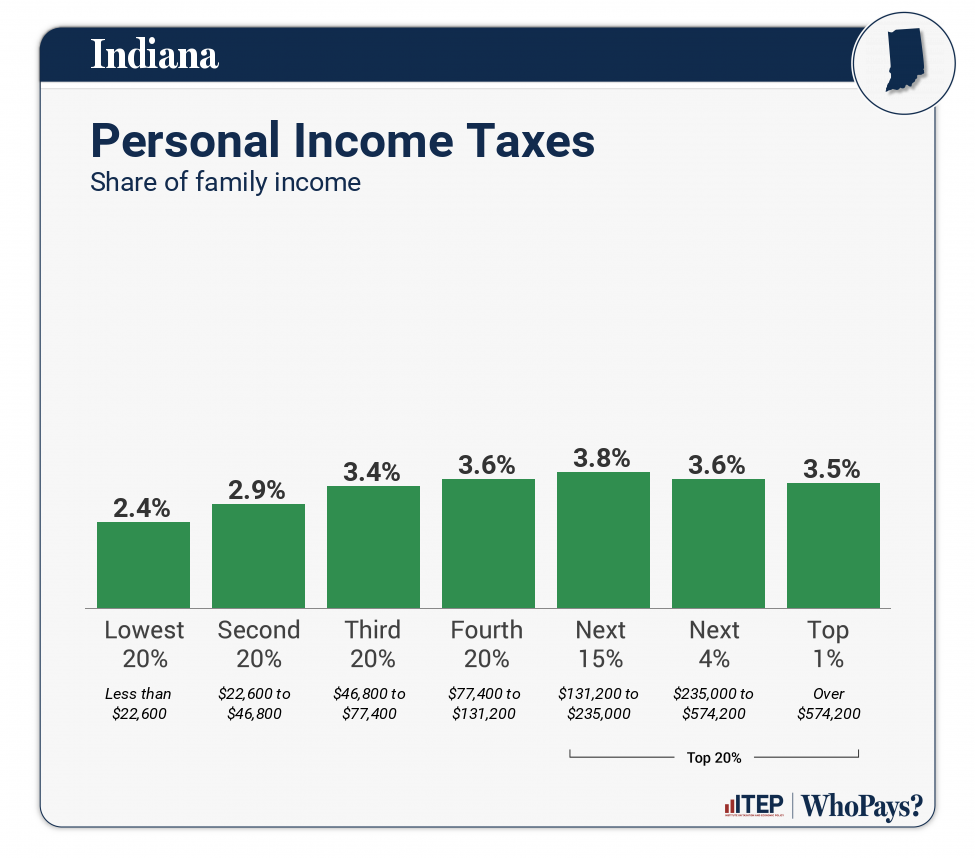
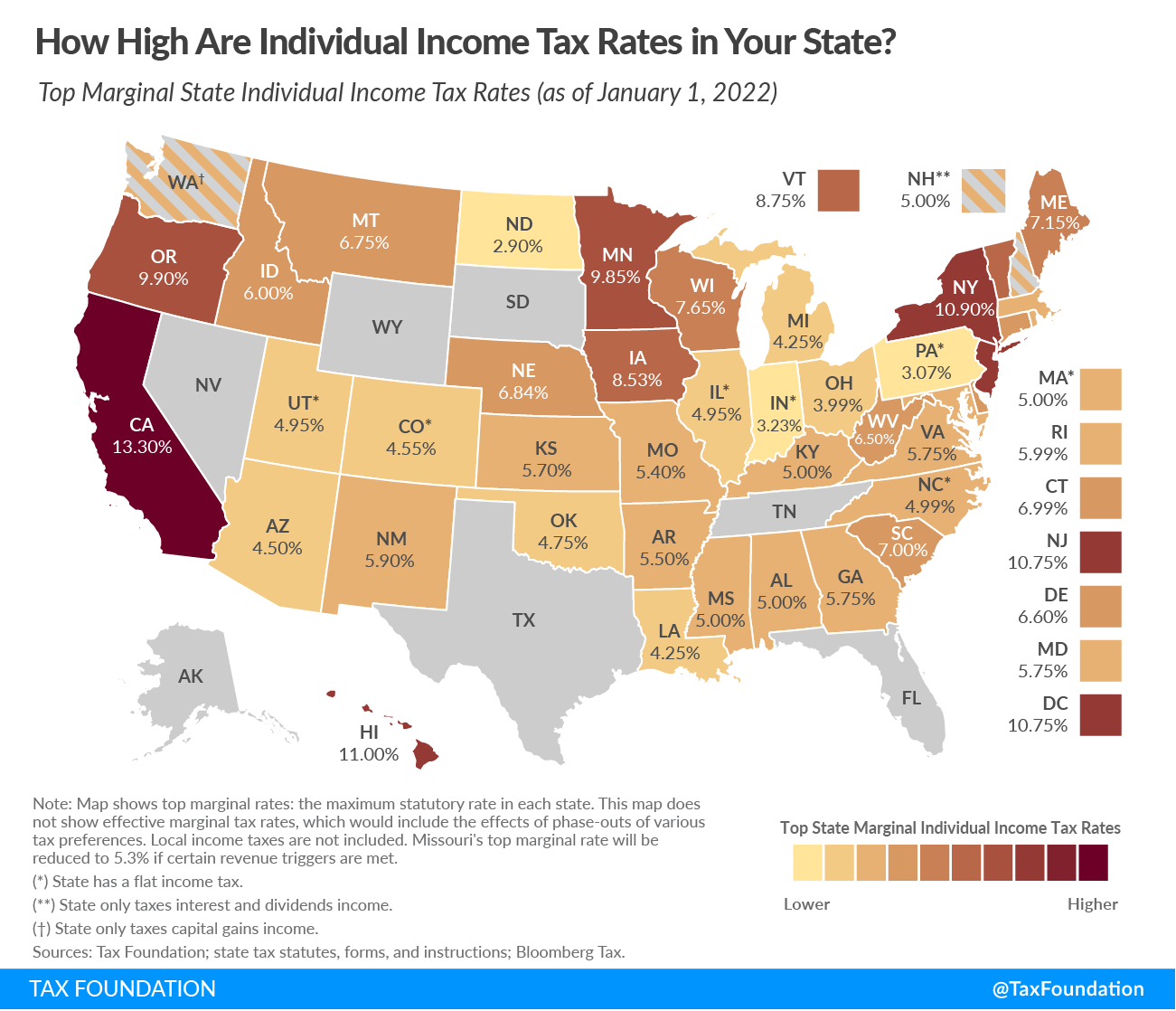
Indiana operates under a flat tax system for individual income. Unlike the federal government or many other states that utilize progressive tax brackets—where higher earners pay a higher percentage on their top dollars—Indiana applies a single, uniform rate to all taxable income, regardless of the amount earned.
Current Rate and Recent Legislation
As of the latest legislative updates, the Indiana individual income tax rate is 3.05%. This rate is subject to change based on the state’s fiscal performance and legislative decisions. Over the past several years, Indiana has been on a trajectory to reduce this rate incrementally. The state legislature has implemented a plan to lower the individual income tax rate gradually, with the goal of reaching a target rate of 2.9% by 2027, provided specific economic triggers are met.
For the taxpayer, this consistency provides a high level of predictability. When calculating your take-home pay, you can reliably estimate your state tax liability by multiplying your total taxable income by the current rate. This flat-rate model is a cornerstone of Indiana’s fiscal policy, intended to incentivize labor participation and discourage the “bracket creep” often experienced in states with progressive taxation.
Calculating Your Taxable Income
It is important to note that the state tax rate is applied to your Indiana Adjusted Gross Income (AGI). This figure is generally derived from your federal AGI, with certain modifications allowed or required by Indiana state law. You may be eligible for specific deductions or exemptions, such as those for homeowners, renters, or military service members, which can effectively lower the amount of income subject to the 3.05% tax. Staying informed about these annual modifications is the best way to ensure you are not overpaying your state tax burden.
Local Option Income Taxes (LOIT)
While the state-level income tax is uniform, the total income tax burden for an Indiana resident is rarely limited to just the state rate. Most Indiana counties impose a local income tax, commonly referred to as the Local Option Income Tax (LOIT).
How Local Taxes Function
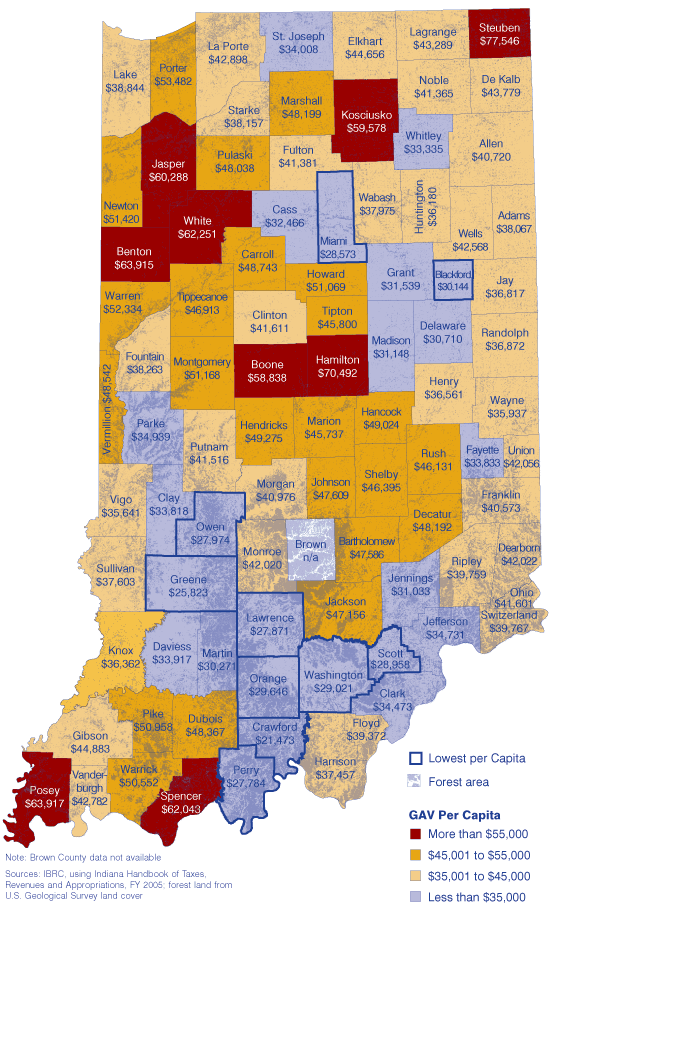
In Indiana, the county government is authorized to levy an income tax on its residents. These funds are used to support local infrastructure, public safety, and school corporations. Because these rates are determined at the county level, they vary significantly across the state. A resident of Marion County may face a different total tax rate than a resident of Hamilton or Lake County.
When filing your annual Indiana income tax return, you must identify your county of residence as of January 1 of the tax year. This ensures that the appropriate local tax rate is applied to your income. It is vital to verify your specific county’s current rate, as these figures are adjusted periodically by county councils to address local budgetary needs.
The Impact on Your Bottom Line
Because the LOIT is added to the state rate, your combined income tax liability is the sum of the state rate (3.05%) and your local county rate. Typically, these local rates range from approximately 0.5% to 3.0%. When planning your monthly budget, it is insufficient to only account for the state-mandated 3.05%. You must investigate the specific tax rate of your county of residence to get an accurate picture of your total annual tax hit. Failure to account for the LOIT can lead to significant discrepancies in your financial forecasting, particularly for high-earning households.
Indiana Sales and Use Tax
Beyond income taxes, Indiana imposes a state-level sales tax on the retail sale of tangible personal property and certain services. This represents a significant portion of the state’s revenue and impacts the daily spending habits of every consumer.
The Current Sales Tax Rate
The Indiana state sales tax rate is 7%. This is a flat rate applied consistently across the state. Unlike income taxes, there are no “local options” for sales tax that fluctuate by city or county in the traditional sense; the 7% is the statewide standard.
What Is Taxable?
The sales tax applies to most retail transactions. This includes items like clothing, electronics, furniture, and household supplies. However, Indiana does provide exemptions for certain necessities. For example, most grocery food items are exempt from sales tax, though prepared foods, candy, and soft drinks are generally taxable. Understanding these distinctions can help you optimize your grocery budget.
Additionally, if you purchase items online from a vendor that does not collect Indiana sales tax—or if you purchase items while traveling out of state—you are technically obligated to report and pay “use tax” to the state. This is essentially the same 7% rate applied to the purchase price of the item. While many consumers overlook this, it is a legal requirement for Indiana residents to self-report these transactions on their annual tax returns.
Business Taxes and Corporate Considerations
For those operating a business in Indiana, the tax landscape includes additional layers. Indiana is frequently ranked as one of the best states for business, largely due to its favorable tax environment for corporations.
Corporate Income Tax
Corporations in Indiana are subject to a corporate adjusted gross income tax. Similar to the individual tax rate, the state has been working to lower the corporate tax rate over time to maintain competitiveness. The rate is currently set at 4.9%. This competitive rate is a major draw for companies looking to relocate or expand operations within the state.
The Utility Receipts Tax and Financial Institutions Tax
It is worth noting that certain industries face specialized taxes. For example, utilities are subject to the Utility Receipts Tax, and financial institutions are subject to the Financial Institutions Tax (FIT). If you are a business owner, it is highly recommended to consult with a tax professional to understand which specific business taxes apply to your entity structure, whether you are operating as an S-corp, an LLC, or a C-corp.
Planning for Your Tax Obligations
Managing your financial health in Indiana requires a proactive approach. Because the system relies heavily on both the state-level flat tax and the localized county income tax, you must keep meticulous records throughout the year.
Withholding and Quarterly Estimates
If you are an employee, your employer is responsible for withholding the correct amount of state and local income tax from your paycheck. However, if you are self-employed or work as an independent contractor, you do not have an employer to handle these withholdings for you. In this case, you are responsible for making quarterly estimated tax payments to the Indiana Department of Revenue. Missing these payments can result in penalties and interest.
The Importance of Residency Status
Your residency status for tax purposes is determined by where you maintain your permanent home. If you move between counties or into the state from elsewhere, your tax obligation changes based on your residency status on January 1. Keep documentation of your address changes, as this will prevent complications during the tax filing season.
By understanding the 3.05% state income tax, the impact of your specific county’s LOIT, and the 7% sales tax, you can effectively manage your finances within the Indiana tax system. Being prepared and informed is the most effective strategy for maintaining long-term financial stability in the Hoosier State.
aViewFromTheCave is a participant in the Amazon Services LLC Associates Program, an affiliate advertising program designed to provide a means for sites to earn advertising fees by advertising and linking to Amazon.com. Amazon, the Amazon logo, AmazonSupply, and the AmazonSupply logo are trademarks of Amazon.com, Inc. or its affiliates. As an Amazon Associate we earn affiliate commissions from qualifying purchases.