
The Igbo language, an ancient and vibrant member of the Volta-Niger branch of the Niger-Congo language family, stands as a cornerstone of identity for millions across southeastern Nigeria and its global diaspora. Far more than a mere collection of words and grammatical rules, Igbo embodies a rich cultural heritage, complex philosophical thought, and a deeply communal worldview. As we delve into the essence of the Igbo language, it is imperative to move beyond a purely linguistic definition and explore its dynamic existence, particularly through the lens of technology—a force profoundly shaping its present and future. In an increasingly interconnected and digital world, understanding “what is the Igbo language” necessitates an examination of its digital presence, its interaction with cutting-edge AI, and its preservation through technological innovation. This exploration reveals not only the structural beauty of Igbo but also the critical role technology plays in safeguarding its legacy and expanding its reach.

The Igbo Language in the Digital Landscape
The journey of the Igbo language into the digital realm presents both monumental opportunities and unique challenges. Unlike many globally dominant languages with vast digital footprints, Igbo, like many indigenous African languages, has had to carve out its space online, often through the dedicated efforts of its speakers and advocates. The nature of its tonal structure and distinctive orthography poses specific hurdles, yet the growing digital presence of Igbo content is a testament to its resilience and the commitment of its community.
Orthography and Digital Representation
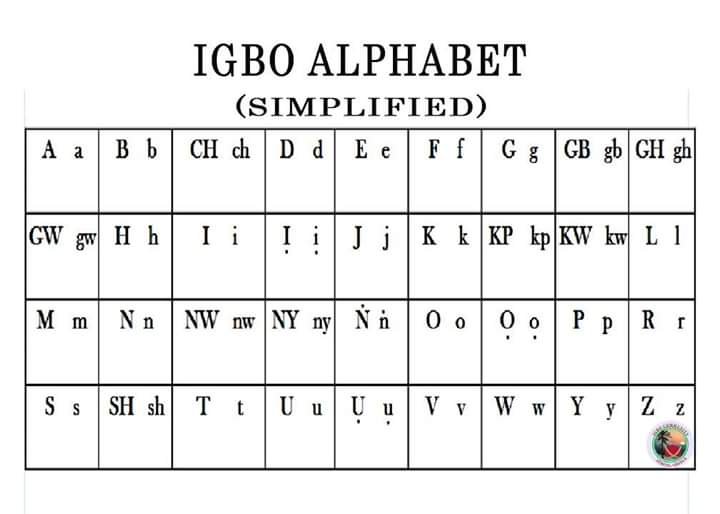
One of the foundational technical challenges for Igbo in the digital age lies in its orthography, specifically the accurate representation of its tones and unique characters. Igbo is a tonal language, meaning the meaning of a word can change based on the pitch contour of its pronunciation (high, low, rising, falling tones). These tones are often marked with diacritics (e.g., á, à, ị, ọ, ụ) which are crucial for disambiguation. Historically, the inconsistent adoption of a standardized orthography, particularly in early typewriters and digital systems, created fragmentation. However, the widespread adoption of Unicode has been a game-changer. Unicode provides a universal character encoding standard that supports the full range of Igbo characters and diacritics, enabling consistent digital text representation across various platforms and devices. Yet, challenges persist in user-friendliness; many digital keyboards still do not instinctively include these characters, requiring users to either install specialized keyboards or resort to workarounds, which can hinder casual communication and content creation in Igbo. Developing intuitive input methods that seamlessly integrate Igbo diacritics remains a vital area for technological improvement to lower the barrier for digital literacy in the language.
Online Presence and Community Engagement
Despite these technical hurdles, the Igbo language is steadily gaining traction online, driven primarily by its vibrant global community. Social media platforms, in particular, have become crucial spaces for informal communication, cultural exchange, and even formal learning. Facebook groups, Twitter hashtags, and WhatsApp chats dedicated to Igbo language and culture thrive, fostering a sense of community among speakers worldwide. Websites, blogs, and online news portals dedicated to Igbo news and cultural content are emerging, though not yet at the scale of more resourced languages. Content creators are increasingly leveraging platforms like YouTube and TikTok to produce videos, songs, and skits in Igbo, engaging younger generations and showcasing the language’s dynamism. The diaspora plays an especially significant role here, utilizing digital tools to stay connected to their roots and teach the language to their children, ensuring its transmission across geographical boundaries. This bottom-up approach to digital presence underscores the organic demand for Igbo content and interaction, creating a valuable corpus of data that is indispensable for future technological advancements.
Bridging the Language Gap with AI and NLP
The advent of Artificial Intelligence (AI) and Natural Language Processing (NLP) presents an unparalleled opportunity to bridge the language gap for languages like Igbo. While major global languages have benefited immensely from sophisticated AI models for translation, speech recognition, and content generation, “low-resource languages” like Igbo face significant obstacles due to a scarcity of digital data needed to train these models effectively. Nonetheless, innovative approaches and dedicated efforts are beginning to pave the way for Igbo to leverage these transformative technologies.
Challenges in Machine Translation for Low-Resource Languages
The primary impediment to advanced AI applications for Igbo, particularly in machine translation, is the lack of extensive, high-quality parallel corpora—large datasets of text translated between Igbo and another language, typically English. Training robust neural machine translation (NMT) models requires massive amounts of text to learn patterns and nuances. For languages like Igbo, which have historically had less digital content, building these datasets is a monumental task. Furthermore, the inherent complexity of Igbo as a tonal language presents an additional layer of difficulty. AI models struggle to accurately interpret and generate tones, which are often subtle but semantically crucial. A single word can have multiple meanings depending on its tone, making context-agnostic translation highly error-prone. This challenge is not unique to Igbo but is common across many African tonal languages, requiring specialized linguistic insights and computational methods beyond those used for non-tonal languages.
Emerging AI Solutions and Initiatives

Despite these challenges, promising AI solutions and initiatives are emerging for Igbo. Researchers and developers, often from the Igbo-speaking community itself, are spearheading efforts to create the necessary datasets and models. Open-source projects are playing a vital role, allowing collaborative data collection and model development. Techniques like transfer learning, where models pre-trained on high-resource languages are adapted for low-resource ones, are showing potential. Furthermore, community-driven data annotation efforts are crucial, where native speakers contribute by translating texts or labeling speech data. The goal is to develop reliable machine translation systems that can accurately translate between Igbo and other languages, enhancing communication and access to information. Beyond translation, efforts are also underway to develop Igbo-language speech recognition systems, which could power voice assistants, dictation software, and accessibility tools. Text-to-speech synthesis is another area of focus, aiming to create natural-sounding Igbo voices for digital content, audiobooks, and educational materials. These advancements, though nascent, hold the promise of integrating Igbo more deeply into the global digital ecosystem, making it more accessible and useful in everyday technological interactions.
Technology as an Enabler for Language Learning and Preservation
Technology has unequivocally transformed the landscape of language learning and preservation, offering unprecedented tools and platforms that were unimaginable just a few decades ago. For the Igbo language, this technological revolution provides a lifeline, enabling its transmission to new generations and its documentation for posterity, countering the global trend of language endangerment.
Mobile Applications and E-Learning Platforms
The ubiquity of smartphones and the growth of e-learning platforms have democratized access to language education. For Igbo, this means that learning resources are no longer confined to physical classrooms or textbooks. Mobile applications, both dedicated Igbo language apps and broader platforms like Duolingo (which has an Igbo course), provide interactive and gamified learning experiences. These apps often incorporate elements such as pronunciation guides, vocabulary builders, grammar lessons, and quizzes, making learning engaging and accessible from anywhere in the world. Beyond apps, online courses and virtual classrooms are emerging, connecting learners with native Igbo speakers for live instruction and cultural immersion. These digital tools are particularly crucial for the diaspora, offering a structured and convenient way for individuals to connect with their heritage language, often overcoming geographical barriers and time constraints. The ability to learn at one’s own pace, revisit lessons, and practice pronunciation using audio-visual aids significantly enhances the learning process, ensuring that the Igbo language continues to thrive among younger, digitally-native generations.
Digital Archiving and Cultural Heritage
Beyond active learning, technology is paramount in the passive and active preservation of the Igbo language and its associated cultural heritage. Digital archiving projects are systematically collecting and digitizing a vast array of Igbo content, including traditional oral histories, folklore, proverbs, songs, and historical documents. These digital repositories serve as invaluable resources for researchers, linguists, and future generations, ensuring that the rich linguistic and cultural tapestry of the Igbo people is not lost to time. Initiatives to create comprehensive online dictionaries, encyclopedias, and multimedia libraries are underway, providing authoritative references and contextual information about the language. Furthermore, the use of technology to record and transcribe interviews with elders, document traditional ceremonies, and capture authentic linguistic usage helps create a living archive. These digital assets are not merely static records; they form the foundation for developing more sophisticated AI models, for enriching educational materials, and for fostering a deeper understanding of Igbo culture. By leveraging databases, cloud storage, and advanced indexing, these preservation efforts are making Igbo heritage accessible to a global audience, contributing to its recognition and appreciation on a worldwide scale.
The Future of Igbo in a Connected World
The future of the Igbo language in a globally connected and technology-driven world is contingent upon proactive engagement with digital tools and platforms. It is a future where the vitality of the language will be increasingly measured by its presence and utility in the digital sphere, necessitating strategic interventions and collaborative efforts to ensure its enduring relevance.
Promoting Digital Literacy in Igbo
A crucial step towards securing the Igbo language’s future is the widespread promotion of digital literacy in Igbo itself. This means empowering native speakers to not only consume digital content in Igbo but also to actively create it. Encouraging the development of Igbo language keyboards for various devices, fostering communities of Igbo content creators across different platforms, and supporting initiatives that translate essential digital tools and interfaces into Igbo are vital. When people can comfortably interact with technology in their native language, it naturally integrates into their daily digital lives, reinforcing its utility and status. Educational programs that teach coding, web development, and digital media creation using Igbo as a medium can also ignite a new generation of technologists and creatives who build digital ecosystems tailored for the language. This bottom-up approach ensures that the digital evolution of Igbo is authentic, reflective of its speakers’ needs, and sustainable in the long run.
A Call for Collaborative Tech Development
The robust integration of Igbo into the technological landscape cannot be achieved in isolation. It requires a concerted, collaborative effort involving multiple stakeholders. Linguists and cultural experts must partner with software engineers and AI researchers to ensure that technological solutions are linguistically accurate and culturally appropriate. Governments and educational institutions have a critical role to play in funding research, establishing digital archives, and incorporating Igbo language technology into curricula. Tech companies, both multinational giants and local startups, should be incentivized to invest in developing Igbo language support for their products and services, recognizing the commercial and social value of serving this demographic. Open-source communities offer a powerful model for collaboration, enabling distributed efforts to build datasets, develop tools, and share knowledge. By fostering these partnerships, a comprehensive ecosystem can be created where Igbo is not just preserved, but thrives as a dynamic, technologically-empowered language, ready to meet the demands of the 21st century and beyond.
In conclusion, “what is the Igbo language?” extends far beyond its linguistic structure. It is a living, evolving entity whose future is intricately woven with the fabric of technology. From enabling its digital representation and leveraging advanced AI for translation and speech, to empowering language learning and robust preservation efforts, technology acts as both a challenge and a powerful ally. As the Igbo community, scholars, and technologists continue to innovate and collaborate, the Igbo language is poised not just to survive but to flourish in the digital age, asserting its unique voice and rich heritage in the global tapestry of human communication.
aViewFromTheCave is a participant in the Amazon Services LLC Associates Program, an affiliate advertising program designed to provide a means for sites to earn advertising fees by advertising and linking to Amazon.com. Amazon, the Amazon logo, AmazonSupply, and the AmazonSupply logo are trademarks of Amazon.com, Inc. or its affiliates. As an Amazon Associate we earn affiliate commissions from qualifying purchases.