
The allure of professional sports is undeniable, captivating millions with displays of athleticism, strategy, and sheer will. Beyond the glory and the roar of the crowd, however, lies a complex financial ecosystem where elite athletes can command astronomical sums. For aspiring athletes, sports enthusiasts, and financial observers alike, the question “What is the highest paying sport in the USA?” is not just about curiosity; it’s a deep dive into the economics of peak performance, brand value, and strategic financial planning.
Pinpointing a single “highest-paying sport” is more nuanced than it appears. While average salaries provide a general indication, the true financial peaks are often found at the intersection of league revenues, individual star power, endorsement deals, and the unique economic structures of each sport. This article will dissect the financial realities across America’s major professional leagues and individual sports, offering an insightful look into where the biggest money truly lies and the factors that dictate these colossal paychecks.

Unpacking the Financial Landscape of Professional Sports
Understanding which sport pays the most requires a look beyond simple statistics. The financial architecture of professional sports is incredibly intricate, influenced by everything from television contracts to global market reach.
Beyond Base Salaries: A Holistic View of Athlete Earnings
When discussing an athlete’s income, it’s crucial to differentiate between their base salary or winnings and their total earnings. Many top athletes derive a significant, often majority, portion of their income from sources outside their direct play.
-
Salaries/Winnings: This is the direct compensation from their team, league, or prize money from tournaments. These are often public and form the foundation of their wealth. For team sports, these are negotiated through collective bargaining agreements (CBAs) between player unions and leagues, setting minimums, maximums, and various contract structures (guaranteed, non-guaranteed, incentives).
-
Endorsements: This is where true wealth can be amassed. Athletes with strong personal brands, charisma, and broad appeal can secure lucrative deals with major companies in footwear, apparel, automotive, technology, and more. A global superstar might earn tens or even hundreds of millions annually from endorsements alone, dwarfing their on-field salary.
-
Sponsorships & Appearances: Similar to endorsements, but often smaller in scale, involving local businesses, product placements, or paid speaking engagements.
-
Licensing & Merchandise: Royalties from the sale of jerseys, memorabilia, video games, and other licensed products bearing their likeness.
-
Investments & Business Ventures: Many savvy athletes parlay their earnings into investments, start their own businesses, or become equity partners in promising startups, further diversifying and growing their financial portfolios. This long-term financial planning is critical for wealth preservation post-career.
Therefore, while a sport might have a high average base salary, an athlete in another sport with lower base pay could still out-earn them substantially due to a stronger endorsement portfolio.
The Economic Engines Driving Athlete Compensation
The ability of a sport or league to pay its athletes stems directly from its overall financial health and revenue generation. Several key factors drive these economics:
-
Media Rights Deals: This is arguably the largest revenue stream for most major sports leagues. Multi-billion-dollar contracts with television networks, streaming services, and digital platforms provide a massive pool of money that is then distributed, in part, to player salaries. Leagues with broader appeal and higher viewership command larger deals.
-
Ticket Sales & Merchandise: Gate receipts from games, along with the sale of team merchandise, contribute significantly to franchise revenues, especially for popular teams in large markets.
-
Sponsorships & Advertising: League-wide partnerships with major corporations, along with in-stadium advertising and naming rights, generate substantial income.
-
Global Reach & Market Size: Sports with international appeal (like basketball or soccer) can tap into global markets for media rights and merchandise, expanding their revenue potential far beyond domestic borders.
-
Collective Bargaining Agreements (CBAs): These agreements dictate the percentage of league revenue that must be allocated to player salaries and benefits, setting the framework for contract negotiations. A strong player union can negotiate a higher “player share” of revenue.
The Contenders: A Deep Dive into Top-Earning Sports
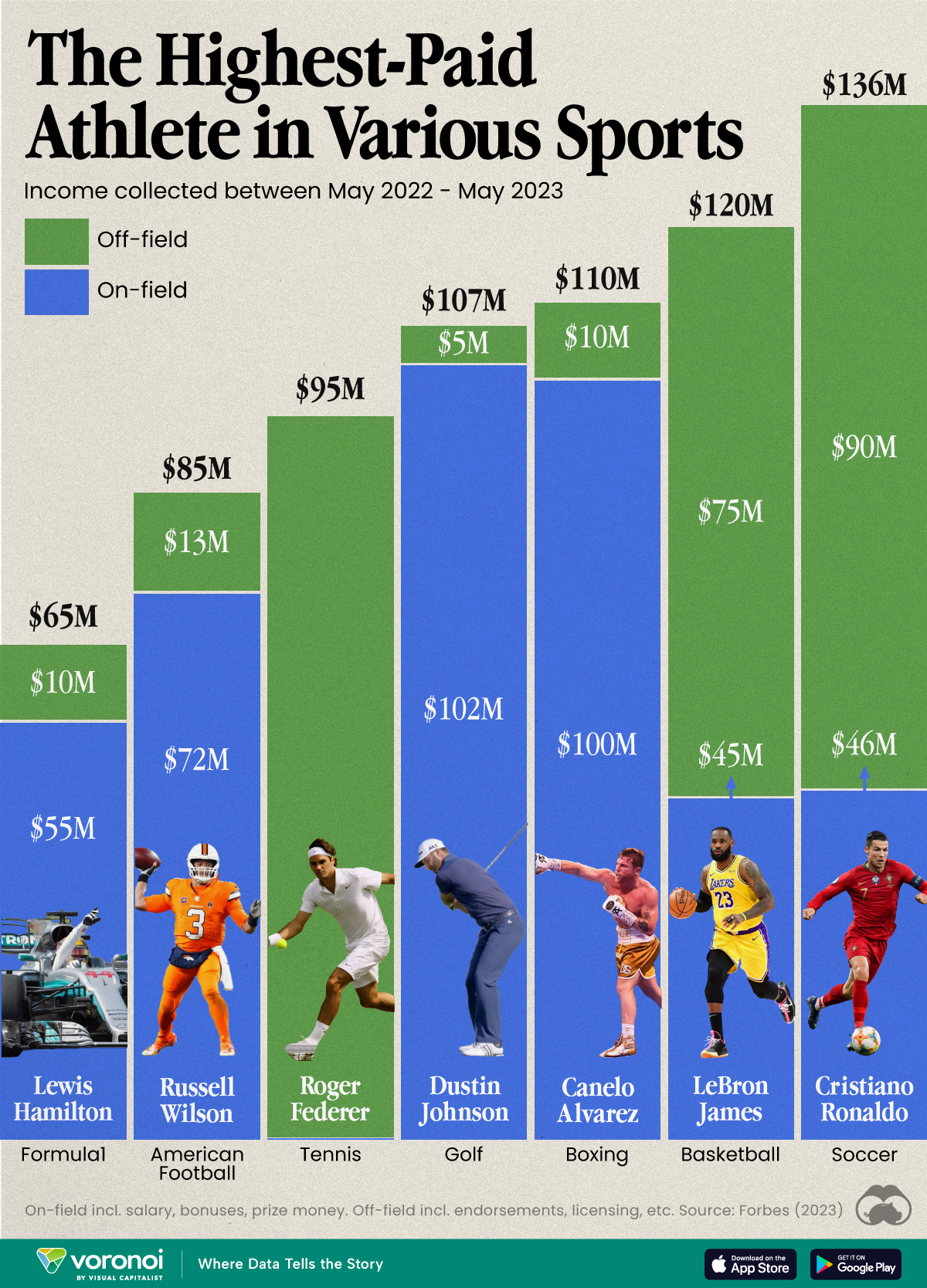
Considering both salaries and endorsements, several sports consistently produce the highest-earning athletes in the USA.
NBA: Dominance in Guaranteed Contracts and Global Appeal
Basketball, particularly the NBA, stands out for its exceptionally high average salaries and the massive earning potential of its superstars. The league’s global popularity, combined with relatively smaller team sizes (15 players), means a larger slice of the revenue pie goes to fewer individuals.
-
Salaries: The NBA boasts the highest average player salary among all major US sports leagues, often exceeding $9-10 million annually. Top players can sign “supermax” contracts worth well over $200-300 million over five years, much of which is guaranteed. The structure of NBA contracts, often fully guaranteed, provides incredible financial security.
-
Endorsements: NBA stars are marketing giants. Their unique shoes, distinctive playing styles, and often charismatic personalities make them ideal brand ambassadors. Legends like Michael Jordan (whose Jordan Brand is a multi-billion dollar entity) and current superstars like LeBron James, Stephen Curry, and Kevin Durant earn tens of millions annually from endorsements alone, often surpassing their playing salaries. Their global recognition, especially in markets like China, fuels these massive endorsement deals.
MLB: Long-Term Security and Massive Deals
Major League Baseball (MLB) is known for its lengthy contracts and the significant financial security they offer, particularly to its top talent.
-
Salaries: While the average salary can fluctuate, it often hovers around $4-5 million, which is impressive but lower than the NBA. However, MLB’s hallmark is the sheer size and duration of its top-tier contracts. Franchise players often sign deals extending for 10-15 years, worth hundreds of millions of dollars (e.g., contracts exceeding $300-$400 million are not uncommon for generational talents). These contracts are typically fully guaranteed, providing unparalleled long-term financial stability.
-
Endorsements: While MLB stars secure endorsement deals, they generally do not reach the astronomical figures seen in the NBA or individual sports. Their appeal tends to be more regional or national rather than globally dominant. Still, top players like Mike Trout or Shohei Ohtani (who also has massive international appeal due to his two-way play) command substantial sums from brands.
NFL: High Stakes, High Salaries for Elite Performers
The National Football League (NFL) is America’s most popular sport, generating immense revenues, but its player salaries are structured differently due to large rosters and the violent nature of the game.
-
Salaries: The average NFL salary is lower than the NBA and MLB, often in the $3-4 million range, partly because rosters are much larger (53 players). However, elite quarterbacks and pass rushers command truly massive contracts, often exceeding $50 million annually for specific years, with total contract values stretching into hundreds of millions. The caveat is that NFL contracts are rarely fully guaranteed, with teams having significant flexibility to cut players and avoid paying future salaries, making financial security less certain outside of signing bonuses.
-
Endorsements: The top 1% of NFL players, particularly quarterbacks like Patrick Mahomes or Tom Brady, are highly marketable and earn tens of millions from endorsements. Their national recognition and Super Bowl success translate into lucrative deals. However, endorsement opportunities generally taper off more sharply for non-superstar players compared to other leagues.
Individual Sports: Where Endorsements Reign Supreme
In individual sports like golf, tennis, and combat sports (boxing, MMA), direct prize money can be substantial, but endorsements often account for the vast majority of a top athlete’s income.
-
Golf: While tournament winnings for top golfers can be in the millions per event, the true financial titans like Tiger Woods, Phil Mickelson, or Rory McIlroy earn vastly more from endorsements, appearance fees, and course design ventures. Their global appeal to an affluent demographic makes them incredibly valuable to luxury brands, financial institutions, and equipment manufacturers.
-
Tennis: Grand Slam winners can earn millions in prize money, but like golf, the biggest earners like Roger Federer, Rafael Nadal, Serena Williams, and Naomi Osaka leverage their global fame into nine-figure endorsement portfolios with a diverse array of brands. Their worldwide travel and iconic status make them global marketing assets.
-
Combat Sports (Boxing/MMA): Fighters in boxing and mixed martial arts can have extremely variable earnings. Top pay-per-view stars like Floyd Mayweather Jr. or Conor McGregor can earn hundreds of millions from a single fight (due to PPV revenue splits) and additional tens of millions from endorsements. However, the vast majority of fighters earn significantly less, often struggling, highlighting the extreme stratification in these sports.
The Influence of Marketability, Endorsements, and Off-Field Ventures
Beyond athletic prowess, an athlete’s financial ceiling is significantly influenced by their ability to cultivate a strong personal brand and diversify their income.
Building a Personal Brand: The Athlete as an Investment
In today’s media-saturated world, an athlete is not just a player; they are a brand. Their social media presence, public persona, philanthropic efforts, and overall image directly impact their marketability. A clean-cut image, charisma, and a compelling backstory can make an athlete incredibly attractive to corporations seeking spokespeople. This personal brand is an investment that pays dividends through lucrative endorsement deals. Athletes and their agents meticulously manage this aspect, understanding its direct correlation to financial opportunity.
Diversifying Income Streams: Beyond the Game
The smartest athletes understand that their playing career is finite. They strategically leverage their earnings and fame to build wealth that extends far beyond their active years. This includes:
-
Equity Investments: Investing in private companies, real estate, or venture capital funds.
-
Business Ownership: Launching their own apparel lines, food franchises, or tech startups.
-
Media Production: Creating their own content, podcasts, or production companies (e.g., LeBron James’ SpringHill Entertainment).
-
Philanthropy with Financial Leverage: While primarily charitable, establishing foundations can also provide opportunities for networking and public relations that indirectly benefit an athlete’s brand and financial ventures.
These off-field endeavors are not merely hobbies; they are sophisticated financial strategies aimed at creating multi-generational wealth, demonstrating a profound understanding of personal finance and investment principles.
The Future of Athlete Compensation and Financial Sustainability
The financial landscape of professional sports is constantly evolving, driven by technological advancements, shifting media consumption habits, and global economic trends.
Evolving League Economics and Collective Bargaining
The continued growth of streaming services and the fragmentation of traditional broadcast media mean that leagues are constantly renegotiating their media rights to maximize revenue. The rise of international markets, particularly in Asia, presents new opportunities for global expansion and increased revenue. These expanded revenue pools will fuel future collective bargaining negotiations, with players’ unions pushing for a larger share, potentially driving average and top salaries even higher. Esports, while distinct, also provides a parallel model for new revenue streams and athlete compensation models that traditional sports may adapt.

The Importance of Financial Literacy for Athletes
With increasingly complex contracts and vast sums of money at stake, financial literacy has become paramount for athletes. High-profile cases of athletes losing their fortunes due to poor investments, mismanagement, or predatory advisors underscore this need. Leagues, player unions, and even individual teams are increasingly offering financial education programs to equip athletes with the knowledge to manage their wealth, plan for retirement, and make sound investment decisions. This focus on financial well-being ensures that the massive earnings can translate into lasting financial security and a robust post-career future.
In conclusion, while the NBA currently stands out for its consistently high guaranteed salaries and the phenomenal endorsement power of its global superstars, the “highest paying sport” is a dynamic title. It reflects a combination of enormous league revenues, individual athletic brilliance, strategic brand building, and savvy financial management. Ultimately, for the rare few who reach the pinnacle of professional sports, the financial rewards are truly staggering, transforming them into not just athletes, but formidable economic entities.
aViewFromTheCave is a participant in the Amazon Services LLC Associates Program, an affiliate advertising program designed to provide a means for sites to earn advertising fees by advertising and linking to Amazon.com. Amazon, the Amazon logo, AmazonSupply, and the AmazonSupply logo are trademarks of Amazon.com, Inc. or its affiliates. As an Amazon Associate we earn affiliate commissions from qualifying purchases.