
The human eye is an intricate marvel of biological engineering, a complex optical instrument designed to capture light and translate it into the rich tapestry of our visual experience. Within this delicate organ, numerous components work in concert to maintain its structure, health, and function. Among these, the aqueous humor plays a role that is as vital as it is often overlooked, a clear fluid whose silent operation is fundamental to vision and ocular well-being. Far from being a mere filler, the aqueous humor is a dynamic biological solution, meticulously regulated by the body, whose understanding has been profoundly advanced by modern medical technology. Its functions range from maintaining the eye’s shape and delivering nutrients to removing waste products, all while ensuring the precise intraocular pressure necessary for clear vision.
This article delves into the multi-faceted functions of the aqueous humor, exploring its critical physiological roles and the technological advancements that have deepened our comprehension and improved our ability to manage conditions related to its dynamics. Through the lens of medical technology, we can appreciate not just what the aqueous humor does, but how cutting-edge tools and techniques allow us to monitor, diagnose, and intervene, safeguarding one of our most precious senses.
The Ocular Ecosystem: A Biological Masterpiece of Fluid Dynamics
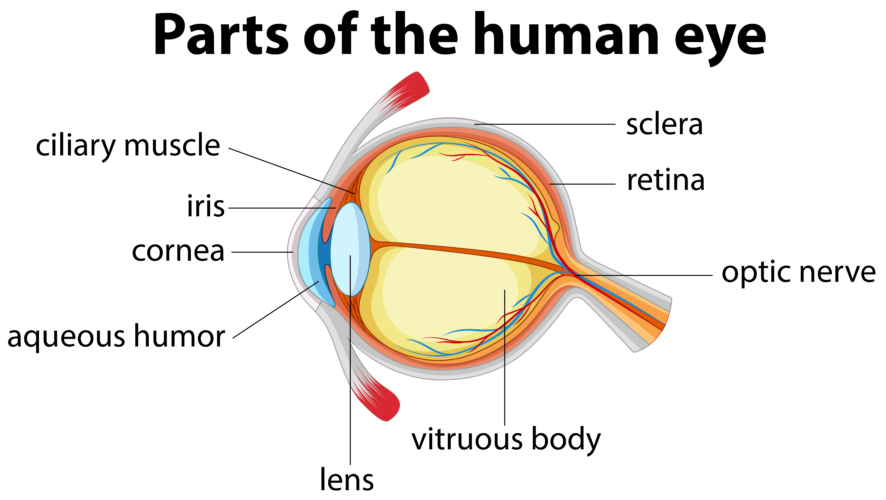
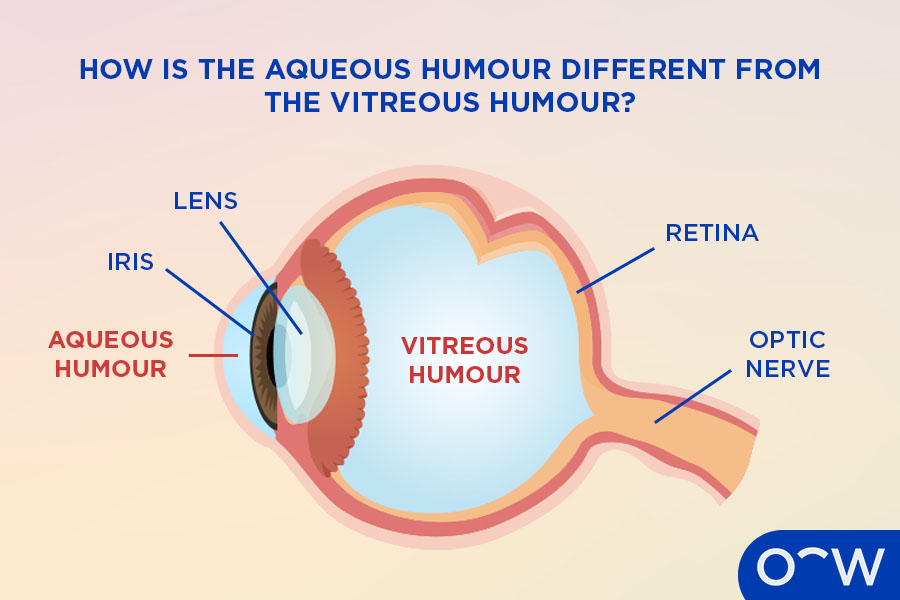
The aqueous humor is a transparent, watery fluid that fills the anterior and posterior chambers of the eye, the spaces between the cornea and the lens. It’s a constantly circulating liquid, providing an essential internal environment for parts of the eye that lack a direct blood supply. Its continuous production and drainage are a testament to the body’s sophisticated homeostatic mechanisms, a balance vital for the eye’s structural integrity and metabolic health.
Composition and Production: A Precisely Orchestrated Secretion
Produced by the ciliary body, specifically the ciliary processes, the aqueous humor is not simply filtered blood plasma but a selectively secreted fluid. Its composition is meticulously controlled, featuring a low protein concentration to maintain its clarity, along with essential nutrients such as amino acids, glucose, ascorbic acid (vitamin C), and electrolytes like sodium, chloride, and bicarbonate. This precise concoction is crucial for the nourishment of avascular structures, primarily the cornea and the lens, which rely entirely on the aqueous humor for their metabolic needs.
The production process involves both active transport and ultrafiltration mechanisms. Specialized cells in the ciliary epithelium actively secrete ions and other components into the posterior chamber, drawing water along with them. This active secretion ensures a steady and controlled supply of the fluid, typically at a rate of about 2-3 microliters per minute. Disruptions in this delicate production process, often detectable and quantifiable by advanced diagnostic tools, can signal underlying ocular health issues.
Intraocular Pressure: The Critical Balance for Ocular Health
Perhaps the most recognized function of the aqueous humor, and certainly one with profound technological implications, is its role in maintaining intraocular pressure (IOP). The eye, much like an inflated ball, requires internal pressure to maintain its spherical shape, which is fundamental for its optical properties. Without this consistent pressure, the delicate structures of the eye, particularly the retina, would not be able to function correctly. The aqueous humor is the primary determinant of this pressure.
The balance between the production of aqueous humor by the ciliary body and its drainage through the trabecular meshwork and uveoscleral outflow pathways dictates the IOP. The trabecular meshwork, a sponge-like tissue located at the angle between the iris and the cornea, filters the aqueous humor before it enters Schlemm’s canal and then the venous system. Any obstruction or inefficiency in this drainage system leads to an increase in IOP, a condition most famously associated with glaucoma.
Monitoring IOP is a cornerstone of ophthalmic practice, and technology has revolutionized this process. Tonometers, devices ranging from the classic Goldmann applanation tonometer to more modern non-contact and rebound tonometers, allow clinicians to accurately measure IOP. Further advancements, including 24-hour IOP monitoring devices and smart contact lenses equipped with pressure sensors, are emerging to provide continuous data, which is invaluable for diagnosing and managing conditions like glaucoma, a leading cause of irreversible blindness globally. These technological innovations transform what was once a periodic snapshot into a dynamic, real-time assessment of ocular health.
Essential Roles in Ocular Health and Vision
Beyond maintaining IOP, the aqueous humor serves several other indispensable functions that directly impact the health and visual acuity of the eye. These roles underscore its status as more than just a hydraulic medium.
Nutrient Delivery and Waste Removal: The Eye’s Internal Plumbing
As mentioned, the cornea and the lens are avascular, meaning they lack their own blood supply. This design feature is crucial for maintaining their transparency, as blood vessels would obstruct light transmission. Consequently, these structures rely entirely on the aqueous humor for their metabolic sustenance. The aqueous humor delivers essential nutrients such as glucose for energy, amino acids for protein synthesis, and vital antioxidants like ascorbic acid to protect against oxidative damage.
Concurrently, the aqueous humor acts as the eye’s internal waste disposal system. Metabolic byproducts and cellular debris from the cornea and lens diffuse into the aqueous humor, which then carries them away for drainage. This continuous flushing mechanism is vital for preventing the accumulation of toxic substances that could impair cellular function and lead to opacities, such as cataracts. The clarity of the aqueous humor itself is paramount for light transmission, and its efficient waste removal capacity helps maintain this transparency. Advanced analytical techniques, often employed in research settings, allow scientists to study the metabolic profile of the aqueous humor, providing insights into various ocular diseases.
Maintaining Ocular Shape and Refraction: A Clear Optical Path

The consistent intraocular pressure provided by the aqueous humor is fundamental to maintaining the spherical shape of the eyeball. This precise curvature is critical for the eye’s optical properties, particularly the accurate refraction of light onto the retina. Even slight deviations in shape can lead to refractive errors like myopia or hyperopia. The aqueous humor, by acting as an internal hydrostatic skeleton, ensures that the cornea and lens maintain their ideal curvature, allowing light to focus sharply on the fovea.
Moreover, the aqueous humor itself is a transparent medium that contributes to the eye’s refractive power. Its refractive index is close to that of water, allowing light to pass through with minimal distortion. Any clouding or inflammation of the aqueous humor—a condition known as aqueous flare, often indicative of uveitis—can significantly impair vision. Technologies like slit-lamp biomicroscopy allow ophthalmologists to visually inspect the clarity of the aqueous humor, while more advanced quantitative anterior segment analysis systems can objectively measure aqueous flare and cell count, aiding in the diagnosis and monitoring of inflammatory eye conditions.
Technological Insights into Aqueous Humor Dynamics
The past few decades have witnessed a revolution in ophthalmic technology, significantly enhancing our understanding of aqueous humor dynamics and our ability to diagnose and treat related conditions. These advancements span imaging, diagnostics, and therapeutic interventions.
Diagnostic Technologies for Monitoring Ocular Health
The earliest and still prevalent technological approach for assessing aqueous humor dynamics involves tonometry for IOP measurement. However, modern diagnostics have gone far beyond simple pressure readings.
-
Optical Coherence Tomography (OCT): While primarily used for retinal and optic nerve imaging, anterior segment OCT provides detailed cross-sectional views of the anterior chamber, allowing precise visualization of the trabecular meshwork, Schlemm’s canal, and the ciliary body. This enables clinicians to assess the patency of outflow pathways and diagnose conditions like angle-closure glaucoma more accurately.
-
Gonioscopy and Automated Perimetry: Though not directly measuring aqueous humor, these tools indirectly assess its impact. Gonioscopy visually inspects the drainage angle, while perimetry (visual field testing) detects functional loss in glaucoma patients, correlating with damage caused by elevated IOP. Modern automated perimeters provide highly detailed and reproducible data for progression analysis, often integrated with AI-driven interpretation tools.
-
Ultrasound Biomicroscopy (UBM): This high-frequency ultrasound imaging provides even higher-resolution images of the anterior segment than OCT, particularly useful for visualizing structures behind the iris, such as the ciliary body and zonules, which are critical for aqueous humor production. UBM helps in diagnosing conditions like ciliary body cysts or tumors that can affect aqueous humor flow.
Advancements in Surgical Interventions and Drug Delivery
When medical management of conditions affecting aqueous humor fails, surgical interventions become necessary, and here too, technology has made significant strides.
-
Minimally Invasive Glaucoma Surgery (MIGS): These procedures utilize micro-stents, shunts, or ab-interno approaches to enhance aqueous humor outflow with less surgical trauma than traditional surgeries. Examples include trabecular micro-bypass stents, supraciliary micro-stents, and procedures that use excimer laser or goniotomy to open the trabecular meshwork. These devices are precision-engineered medical gadgets designed for optimal fluid dynamics and biocompatibility.
-
Selective Laser Trabeculoplasty (SLT): This non-invasive laser procedure selectively targets melanin-containing cells in the trabecular meshwork, improving aqueous outflow without causing thermal damage, thereby reducing IOP. It leverages advanced laser technology for precise tissue interaction.
-
Drug Delivery Systems: Beyond conventional eye drops, sustained-release drug delivery systems, such as intraocular implants or contact lenses impregnated with anti-glaucoma medications, are being developed. These technologies ensure a continuous and consistent therapeutic effect, reducing patient compliance issues and IOP fluctuations.
Emerging Technologies and Future Directions
The field of ophthalmic technology continues to evolve rapidly, promising even more sophisticated ways to understand and interact with the aqueous humor. The future holds exciting possibilities, driven by biotechnological innovation and advanced computational tools.
Biotech Innovations in Aqueous Humor Modulation
Researchers are exploring novel biotechnological approaches to modulate aqueous humor dynamics. This includes gene therapies targeting specific proteins involved in aqueous humor production or outflow pathways, aiming to correct underlying genetic predispositions to conditions like glaucoma. Stem cell research also offers potential for regenerating damaged trabecular meshwork tissue, restoring natural drainage capabilities. These high-tech biological interventions represent a paradigm shift from symptomatic treatment to disease modification.
Furthermore, advanced biomaterials are being developed for long-term implantable devices that can either monitor IOP continuously or release therapeutic agents for extended periods. These “smart implants” could provide personalized, adaptive treatment based on real-time physiological feedback, leveraging miniature sensors and controlled-release mechanisms.
AI and Big Data in Ophthalmic Research and Personalized Medicine
Artificial intelligence (AI) and big data analytics are poised to transform how we understand and manage aqueous humor-related diseases. AI algorithms can analyze vast datasets from clinical records, imaging, and genetic information to identify subtle patterns and risk factors for glaucoma progression or other conditions affecting aqueous humor. Predictive analytics can help identify individuals at high risk, allowing for earlier intervention.
Machine learning models are also being developed to interpret complex diagnostic images (like OCT scans) more accurately and efficiently than the human eye, potentially uncovering early signs of disease that might otherwise be missed. This integration of AI tools promises a future of highly personalized medicine, where treatment strategies are tailored to the individual patient’s unique biological profile and disease progression patterns, leading to more effective management of ocular health and preservation of vision.
In conclusion, the aqueous humor, though a seemingly simple fluid, is central to the health and function of the eye. Its multifaceted roles in nutrient delivery, waste removal, structural support, and intraocular pressure regulation are indispensable for vision. Thanks to continuous technological innovation, from precision diagnostic tools to minimally invasive surgical techniques and emerging biotechnologies, our ability to understand, monitor, and intervene in the intricate dynamics of the aqueous humor has never been more advanced. As technology continues to push the boundaries of medical science, the future promises even more profound insights and effective treatments, ensuring clearer vision for generations to come.
aViewFromTheCave is a participant in the Amazon Services LLC Associates Program, an affiliate advertising program designed to provide a means for sites to earn advertising fees by advertising and linking to Amazon.com. Amazon, the Amazon logo, AmazonSupply, and the AmazonSupply logo are trademarks of Amazon.com, Inc. or its affiliates. As an Amazon Associate we earn affiliate commissions from qualifying purchases.