
Genetic recombination is a fundamental biological process that underpins much of life’s diversity and evolution. At its core, it is the exchange of genetic material between different molecules of DNA or different regions of the same DNA molecule. This process results in new combinations of genes, or new alleles, that are different from those initially present. While seemingly a purely biological phenomenon, understanding, controlling, and manipulating genetic recombination has become a cornerstone of modern technology, driving advancements across biotechnology, medicine, agriculture, and synthetic biology. It is the biological “innovation engine” that researchers and engineers now actively harness to solve complex problems and create novel solutions.
The Fundamental Mechanism: Reshaping Genetic Blueprints
To appreciate the technological impact of genetic recombination, it’s crucial to first grasp its foundational biological mechanisms. This process is not a single event but a collection of molecular pathways designed to rearrange the genetic code.
Definition and Core Principles
At its simplest, genetic recombination is the rearrangement of genetic material. This rearrangement can occur between homologous chromosomes (which carry the same genes but may have different alleles), non-homologous chromosomes, or even within the same chromosome. The key outcome is the creation of new combinations of alleles along chromosomes, or entirely new genetic sequences, from previously existing ones. This reshuffling is incredibly important because it generates genetic variation, which is the raw material for natural selection and evolution. Without recombination, populations would adapt much slower, and biodiversity would be severely limited. From a technological perspective, this natural capacity for genetic rearrangement provides a powerful blueprint and toolkit for scientists seeking to engineer specific genetic changes.
Types of Recombination
Nature employs several sophisticated mechanisms to achieve genetic recombination, each with distinct features that have inspired various biotechnological tools.
-
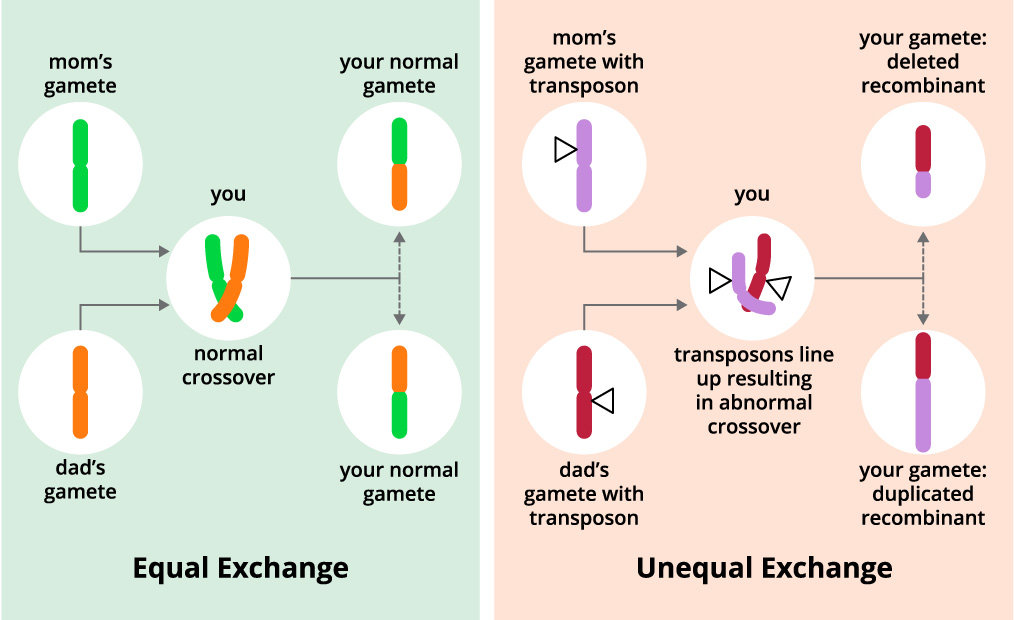
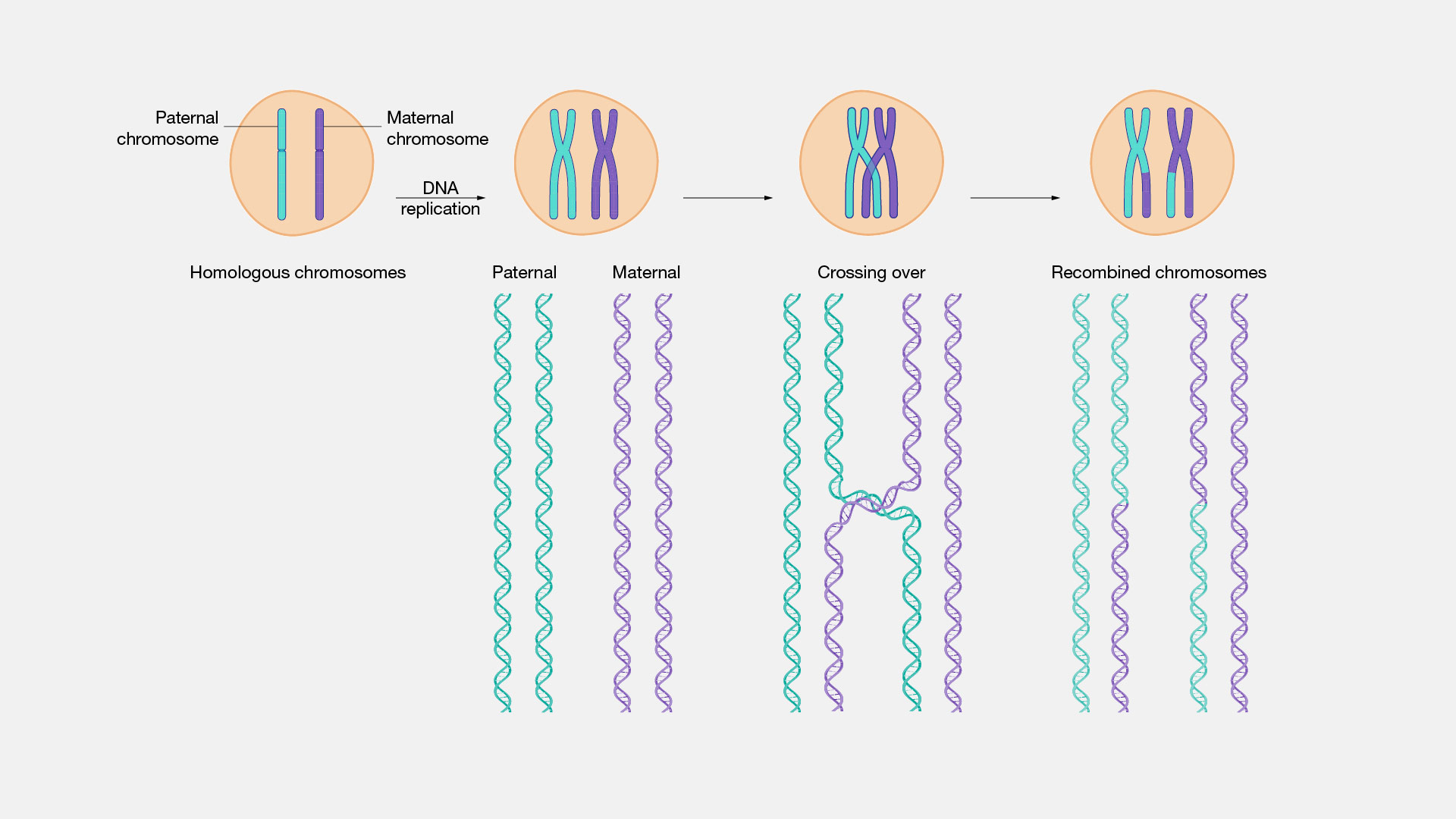
Homologous Recombination: This is the most common and well-understood type, particularly active during meiosis (the cell division that produces sperm and egg cells) in sexually reproducing organisms. It involves the exchange of genetic material between two similar or identical DNA molecules. During prophase I of meiosis, homologous chromosomes pair up, and sections of their DNA are physically swapped through a process called “crossing over.” This precise exchange ensures that the resulting gametes are genetically unique, carrying novel combinations of parental genes. In genetic engineering, homologous recombination is often exploited for targeted gene insertion or deletion, especially in organisms where precise genome editing is desired.
-
Non-Homologous End Joining (NHEJ) and Microhomology-Mediated End Joining (MMEJ): While not primarily recombination mechanisms in the classical sense, NHEJ and MMEJ are crucial DNA repair pathways that can lead to significant genetic rearrangements. When a double-strand break (DSB) occurs in DNA, these pathways attempt to ligate the broken ends back together. NHEJ is often error-prone, simply joining ends regardless of sequence homology, which can result in insertions, deletions, or translocations. MMEJ is similar but relies on short stretches of homologous sequence. These pathways are critically important in the operation of advanced gene-editing technologies like CRISPR-Cas9, where they are co-opted to create targeted mutations or knockouts after a specific DSB is induced.
-
Site-Specific Recombination: This type involves DNA exchange between specific, short DNA sequences that are recognized by specialized enzymes called recombinases. Unlike homologous recombination, it does not require extensive sequence homology. Examples include the integration of bacteriophage DNA into a bacterial genome or the inversion of specific DNA segments. Biotechnologically, site-specific recombinases (like Cre-lox or Flp-FRT systems) are powerful tools for precisely controlling gene expression, excising DNA segments, or creating conditional gene knockouts in research models, allowing for highly controlled genetic manipulations.
Genetic Recombination in Natural Systems: Driving Diversity and Evolution
The ubiquitous nature of genetic recombination across all forms of life underscores its profound importance. In natural systems, it serves as a primary driver of biological variation, adaptability, and even DNA integrity, presenting both advantages and challenges that influence technological development.
Sexual Reproduction and Meiosis
The most prominent example of recombination’s impact in nature is its role in sexual reproduction. During meiosis, homologous recombination (crossing over) ensures that each gamete receives a unique combination of alleles from both parents. Combined with the independent assortment of chromosomes, this creates an immense diversity of offspring. This genetic diversity is vital for species survival, allowing populations to adapt to changing environments, resist pathogens, and evolve new traits. From a technological perspective, understanding this natural engine of diversity is key to selective breeding programs in agriculture and animal husbandry, where desired traits are combined and amplified over generations. It also informs strategies for maintaining genetic diversity in endangered species or developing robust seed banks.
Viral Evolution and Bacterial Adaptability
While beneficial for complex organisms, genetic recombination also poses significant challenges, particularly in the context of infectious diseases. Viruses, especially RNA viruses like influenza or coronaviruses, can undergo rapid genetic recombination when multiple viral strains infect the same host cell. This leads to the emergence of novel viral strains with altered infectivity, virulence, or antigenicity, making vaccine development and antiviral treatments a constant race. “Antigenic shift” in influenza, for example, is a direct result of recombination between different viral strains. Similarly, bacteria utilize various forms of genetic exchange, including conjugation, transformation, and transduction, to transfer genes, including those for antibiotic resistance. This recombination allows bacteria to quickly acquire new resistance mechanisms and spread them through a population, contributing to the global crisis of antibiotic resistance and demanding continuous technological innovation in drug discovery and diagnostics.
DNA Repair and Genome Stability
Beyond generating diversity, homologous recombination is a crucial cellular pathway for repairing damaged DNA, particularly double-strand breaks (DSBs). DSBs are highly detrimental and can lead to mutations, chromosome rearrangements, and cell death if not repaired correctly. Homologous recombination precisely repairs DSBs by using an undamaged homologous DNA molecule (often the sister chromatid after DNA replication) as a template. This ensures high-fidelity repair, maintaining the integrity and stability of the genome. Cells deficient in homologous recombination repair pathways often exhibit increased rates of cancer and sensitivity to DNA-damaging agents. Understanding these repair mechanisms has paved the way for developing targeted cancer therapies that exploit such deficiencies (e.g., PARP inhibitors for BRCA-mutated cancers), representing a direct translation of biological knowledge into medical technology.
From Biological Process to Biotechnological Tool: Harnessing Recombination for Innovation
The realization of genetic recombination’s power in shaping genomes has spurred an explosion of biotechnological innovation, transforming it from a mere biological observation into a central tool for engineering life.
Genetic Engineering and Recombinant DNA Technology

The dawn of recombinant DNA technology in the 1970s marked a pivotal moment. Scientists learned to isolate specific genes, cut them with restriction enzymes, and then paste them into different DNA molecules, typically bacterial plasmids, using DNA ligase. This allowed the creation of “recombinant DNA” – a combination of genetic material from different sources. This breakthrough directly utilized aspects of natural recombination (e.g., DNA ligation, bacterial transformation being a form of genetic exchange) to achieve specific outcomes.
Early applications were revolutionary:
-
Insulin Production: One of the first major successes was engineering bacteria to produce human insulin, previously harvested from animal pancreases. This made insulin safer, more accessible, and cheaper for diabetics.
-
Genetically Modified (GM) Crops: Genes conferring traits like herbicide resistance or pest resistance were introduced into crop plants, revolutionizing agriculture and food production.
-
Gene Cloning: This technology enabled the creation of multiple identical copies of a gene, facilitating extensive research into gene function and protein production.
These early forms of genetic engineering demonstrated the immense potential of manipulating genetic recombination, laying the groundwork for more sophisticated tools.
Advanced Gene Editing Technologies (CRISPR, TALENs, ZFNs)
The ability to precisely edit genomes at specific locations was the next frontier. Technologies like Zinc-Finger Nucleases (ZFNs), Transcription Activator-Like Effector Nucleases (TALENs), and especially CRISPR-Cas9 have revolutionized genetic engineering. These tools work by creating targeted double-strand breaks (DSBs) at specific DNA sequences. Once a DSB is created, the cell’s natural DNA repair pathways, primarily NHEJ and homologous recombination, are enlisted to either disable the gene (via error-prone NHEJ) or to insert, replace, or correct a gene (via homologous recombination, given a repair template).
-
CRISPR-Cas9: This bacterial immune system, repurposed for gene editing, is particularly transformative due to its simplicity, efficiency, and cost-effectiveness. It allows scientists to ‘program’ the Cas9 enzyme to cut DNA at virtually any desired location, making it incredibly versatile.
-
Technological Advancements: The development of these tools represents a pinnacle of biotechnological achievement, transforming gene editing from a laborious, low-efficiency process into a routine laboratory technique. Ongoing research focuses on improving their precision, reducing off-target effects, and expanding their delivery methods into various cell types and organisms.
Synthetic Biology and De Novo DNA Construction
Synthetic biology takes genetic engineering a step further: it aims to design and construct new biological parts, devices, and systems, or to re-design existing natural biological systems for useful purposes. This field heavily relies on the ability to synthesize DNA sequences from scratch and then recombine these custom-made parts into novel genetic circuits and pathways.
-
Building New Biological Systems: Researchers can design genetic “modules” (e.g., promoters, coding sequences, terminators) and assemble them into complex systems within a cell. This often involves techniques like Gibson Assembly or Golden Gate Assembly, which are essentially advanced forms of in vitro genetic recombination.
-
Designing Organisms with Novel Functions: Examples include engineering microbes to produce biofuels, pharmaceuticals, or biodegradable plastics, or designing ‘minimal genomes’ to understand the fundamental requirements for life. The ability to precisely combine synthesized DNA fragments into functional genetic constructs is the technological bedrock of synthetic biology, extending the manipulation of recombination beyond natural templates to entirely custom-made ones.
Impact and Future Directions: Genetic Recombination at the Forefront of Tech
The capacity to understand and manipulate genetic recombination has propelled a new era of technological advancement, with far-reaching implications across numerous sectors.
Medical Applications
The medical field stands to benefit immensely from advanced recombination technologies.
-
Gene Therapy: Correcting genetic defects responsible for diseases like cystic fibrosis, sickle cell anemia, and certain cancers by introducing functional genes or repairing faulty ones. Technologies like AAV vectors, which rely on recombination for integration or expression, are central to this.
-
Vaccine Development: Recombinant vaccines (e.g., hepatitis B vaccine, HPV vaccine) use genetically engineered yeast or mammalian cells to produce viral proteins, stimulating an immune response without exposing individuals to the live virus. mRNA vaccines also leverage a form of genetic information delivery and expression.
-
Personalized Medicine: Tailoring treatments based on an individual’s unique genetic makeup, potentially using gene-editing to correct disease-causing mutations in a patient’s own cells.
-
Cancer Therapies: Engineering CAR T-cells for immunotherapy, where a patient’s immune cells are genetically modified to recognize and destroy cancer cells.
Agricultural and Industrial Biotechnology
Beyond medicine, recombination technologies are revolutionizing food production and industrial processes.
-
Enhanced Crop Traits: Developing crops with increased yields, improved nutritional value, drought resistance, disease resistance, or extended shelf life, addressing global food security challenges.
-
Sustainable Biofuels and Bioremediation: Engineering microbes to efficiently convert biomass into biofuels or to degrade pollutants in the environment.
-
Production of Enzymes and Biomaterials: Using engineered microorganisms to produce industrial enzymes, plastics, and other biomaterials more sustainably and cost-effectively.
Ethical Considerations and Societal Impact
As with any powerful technology, the ability to manipulate genetic recombination raises profound ethical, legal, and social questions. Issues surrounding germline editing (heritable changes), designer babies, equitable access to expensive therapies, and unintended ecological consequences of GM organisms require careful consideration and robust regulatory frameworks. The responsible development and deployment of these technologies are paramount to ensuring their benefits are realized safely and ethically.
The Convergence with AI and Machine Learning
The future of genetic recombination technology is increasingly intertwined with artificial intelligence and machine learning.
-
Accelerated Discovery: AI algorithms can analyze vast genomic datasets to identify optimal recombination sites, predict the outcomes of genetic edits, and design novel genetic constructs with desired functions.
-
Synthetic Gene Design: Machine learning is being used to design highly efficient guide RNAs for CRISPR, optimize codon usage for protein expression, and even generate entirely new functional protein sequences.
-
Predictive Biology: AI can help model the complex interactions within engineered biological systems, reducing the need for extensive trial-and-error in the lab and dramatically accelerating the pace of biotechnological innovation.
In conclusion, genetic recombination, a fundamental biological process for generating diversity and repairing DNA, has transcended its natural role to become a cornerstone of modern technology. From the early days of recombinant DNA to the precision of CRISPR gene editing and the ambitious designs of synthetic biology, harnessing recombination has empowered humanity to engineer life itself. As these technologies continue to advance, fueled by insights from AI and a deeper understanding of molecular biology, genetic recombination will undoubtedly remain at the forefront of biological innovation, shaping our future in medicine, agriculture, and beyond.
aViewFromTheCave is a participant in the Amazon Services LLC Associates Program, an affiliate advertising program designed to provide a means for sites to earn advertising fees by advertising and linking to Amazon.com. Amazon, the Amazon logo, AmazonSupply, and the AmazonSupply logo are trademarks of Amazon.com, Inc. or its affiliates. As an Amazon Associate we earn affiliate commissions from qualifying purchases.