
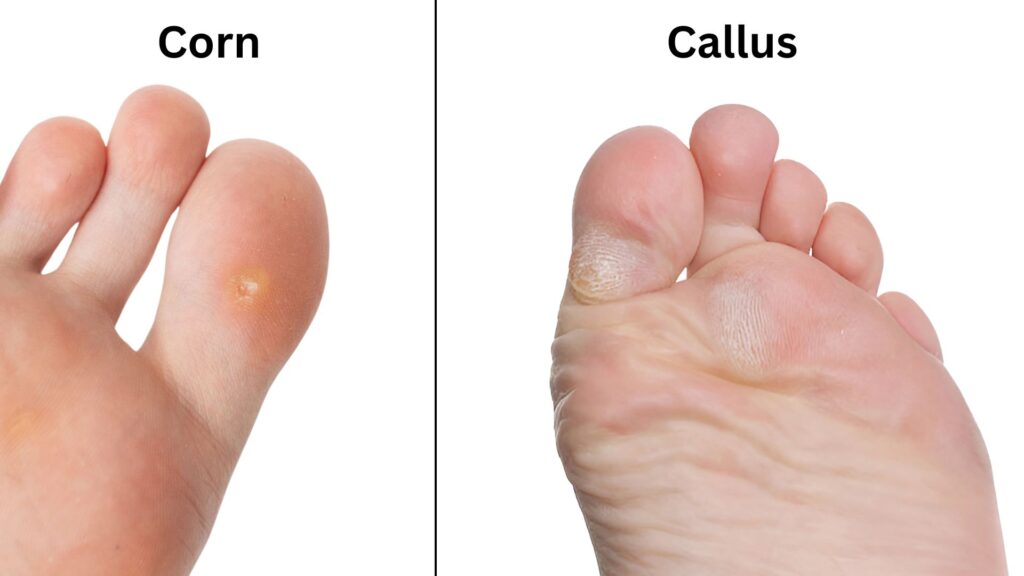
While the phrase “foot corn callus” typically refers to a common dermatological condition of the human foot, within the realm of technology, its significance transcends mere biological description. For tech innovators, healthcare disruptors, and digital architects, the foot corn callus represents a fascinating and persistent challenge—an opportunity to apply cutting-edge advancements in diagnostics, prevention, treatment, and patient management. It embodies a complex interplay of biomechanics, material science, data analytics, and user experience design. This isn’t about the anatomical definition itself, but rather about the sophisticated technological frameworks being developed to understand, mitigate, and ultimately overcome such conditions, transforming traditional podiatry into a data-driven, precision-focused discipline.

In this context, “what is a foot corn callus” transforms into a question about “what is our technological response to a foot corn callus?” It prompts an exploration of how digital imaging, artificial intelligence, advanced wearables, smart materials, and telehealth platforms are redefining the landscape of foot health. By examining the evolution of these conditions through a technological lens, we uncover not just solutions for discomfort, but pathways to enhanced mobility, quality of life, and proactive health management, driven by innovation and digital transformation.
The Digital Lens: Advanced Diagnostics for Foot Conditions
The journey to effectively manage and treat foot corns and calluses begins with precise diagnosis, an area where technology has made monumental strides. Moving beyond traditional visual assessments and palpation, modern diagnostic tools harness digital precision to provide unprecedented insights into the underlying causes and specific characteristics of these epidermal thickenings. This technological revolution in diagnostics is crucial, as misdiagnosis or inadequate understanding of pressure points can lead to recurrent issues and prolonged discomfort.
High-Resolution Imaging: Unveiling Subsurface Issues
One of the most significant technological advancements in diagnosing foot conditions is the advent of high-resolution imaging. This includes specialized digital radiography, ultrasound, and even MRI, tailored for small anatomical structures like the foot. Digital radiography offers instant, clear images of bone structure, helping to identify underlying deformities or misalignments that contribute to excessive pressure, a primary cause of corns and calluses. Ultrasound imaging provides detailed views of soft tissues, allowing practitioners to assess the depth, vascularity, and inflammatory status of corns and calluses, differentiating them from other lesions. Furthermore, advanced 3D scanning technologies, using structured light or laser, create highly accurate digital models of the foot’s surface and underlying bone structure. These models can precisely map pressure points, deformities, and areas of potential friction, providing a comprehensive anatomical blueprint essential for personalized treatment plans. This level of detail ensures that clinicians can identify not just the superficial manifestation, but the root biomechanical or structural causes.
AI-Powered Analysis: Precision and Predictive Insights
The vast amounts of data generated by high-resolution imaging and other diagnostic tools are ripe for artificial intelligence (AI) and machine learning (ML) analysis. AI algorithms are now being trained on extensive datasets of foot scans, medical images, and patient histories to identify patterns indicative of corn and callus formation. These systems can not only detect existing lesions with high accuracy but also predict areas at high risk of developing them, based on an individual’s gait, foot structure, and footwear choices. Predictive analytics, powered by AI, can help identify subtle biomechanical imbalances that, over time, would lead to problematic pressure points. For instance, AI can analyze gait analysis data from pressure plates or smart insoles to pinpoint irregular weight distribution patterns before any visible callus forms. This early detection capability allows for proactive intervention, such as custom orthotics or specific footwear recommendations, preventing the condition from escalating. Moreover, AI can assist in differentiating between benign calluses and more serious lesions, providing a crucial decision-support tool for clinicians and ensuring timely, appropriate care.
Biometric Foot Scans: Customized Prevention
Biometric foot scanning represents a pinnacle of diagnostic technology focused on customization and prevention. These sophisticated systems utilize various sensors—including pressure sensors, optical scanners, and sometimes even thermal imaging—to create a precise, personalized map of an individual’s foot. Unlike static impressions, dynamic biometric scans can capture foot mechanics during movement, such as walking or running, providing critical data on how pressure is distributed under load. This dynamic analysis is invaluable for understanding the forces that contribute to the formation of corns and calluses. The output from these scans is used to design hyper-customized preventative solutions. For instance, data from a 3D biometric scan can be fed directly into Computer-Aided Design (CAD) software to engineer bespoke orthotic inserts that perfectly match the contours of the foot, redistributing pressure away from problematic areas. Similarly, the data can inform the selection of appropriate footwear or the modification of existing shoes, ensuring optimal support and cushioning. This proactive, data-driven approach to foot health is transforming prevention from a generic recommendation to a personalized, engineered solution, significantly reducing the incidence and severity of corns and calluses.
Smart Solutions: Technology in Prevention and Footwear
Beyond diagnosis, technology is radically reshaping how we prevent and manage foot corns and calluses through innovative wearables, advanced materials, and intelligent footwear. The focus here shifts from reactive treatment to proactive intervention, leveraging data and design to create environments that minimize friction and pressure, the primary culprits behind these conditions. These smart solutions are not just about comfort; they represent a fundamental shift towards personalized, preventative care powered by the internet of things (IoT) and cutting-edge engineering.
Wearable Tech: Real-time Pressure Mapping and Biomechanics
The integration of wearable technology into foot health is a game-changer for prevention. Smart insoles, socks, and even footwear embedded with miniaturized sensors can now provide real-time data on pressure distribution, gait patterns, and foot mechanics. These sensors, often utilizing piezoelectric materials or force-sensitive resistors, continuously monitor how the foot interacts with the ground and footwear throughout daily activities. Data collected is wirelessly transmitted to a smartphone app or cloud platform, allowing users and clinicians to visualize pressure hotspots, identify irregularities in gait, and track changes over time. For individuals prone to corns and calluses, this real-time feedback is invaluable. It can alert them to prolonged pressure on specific areas, prompting them to adjust their posture, change footwear, or take breaks before skin damage occurs. Advanced algorithms analyze this biomechanical data to offer personalized recommendations, such as specific exercises to correct gait imbalances or warnings about footwear that might be exacerbating pressure points. This constant, unobtrusive monitoring transforms passive foot care into an active, data-informed process, enabling users to proactively manage their foot health.
Innovative Materials and 3D Printing in Orthotics
The materials science and manufacturing sectors have contributed immensely to the prevention of foot corns and calluses, particularly through custom orthotics. Traditional orthotics, while effective, often lacked the precision and adaptability offered by modern innovations. Today, advanced polymers, foams, and composite materials are being engineered with specific properties like superior shock absorption, moisture-wicking capabilities, and controlled rigidity. These materials provide targeted support and cushioning, reducing friction and pressure on vulnerable areas. Even more revolutionary is the application of 3D printing (additive manufacturing) in creating personalized orthotic devices. Using the precise digital foot scans mentioned earlier, CAD software can design orthotics that are perfectly contoured to an individual’s foot geometry, biomechanical needs, and specific pressure points. 3D printing allows for complex internal lattice structures within the orthotic, enabling varying degrees of flexibility and support exactly where needed, something impossible with traditional manufacturing. This not only optimizes comfort and effectiveness but also significantly speeds up the production process, making customized solutions more accessible and affordable. The ability to iterate designs quickly based on patient feedback further refines the preventative power of these advanced orthotics.
Smart Footwear: Adaptive Designs for Optimal Comfort
Beyond specialized insoles, the footwear industry itself is embracing technology to create “smart shoes” designed for optimal foot health. These intelligent shoes integrate sensors and sometimes even actuators to actively adapt to the wearer’s foot and gait. Features include adaptive cushioning systems that adjust firmness based on real-time pressure data, self-lacing mechanisms that ensure a perfect fit without excessive tightness, and smart materials that regulate temperature and moisture within the shoe environment. Some prototypes even feature micro-actuators that can subtly shift pressure points or provide gentle massage, promoting circulation and preventing prolonged compression in a single area. The fusion of ergonomic design principles with IoT connectivity means that footwear can now act as an active participant in preventing corns and calluses, rather than merely a protective covering. Data from smart footwear can inform not only the user but also designers, leading to continuous improvements in shoe architecture and material science. The ultimate goal is footwear that not only looks good but actively works to maintain foot health, preempting conditions like corns and calluses through intelligent, adaptive design.
Therapeutic Innovations: Tech-Driven Treatment Modalities
When preventative measures aren’t enough, technology continues to play a pivotal role in the effective treatment of foot corns and calluses. Modern therapeutic approaches move beyond traditional surgical or palliative methods, embracing precision, minimally invasive techniques, and digital monitoring to accelerate healing and minimize recurrence. These innovations ensure that treatment is not only more effective but also more comfortable and convenient for the patient.
Laser and Cryotherapy: Minimally Invasive Interventions
For persistent or particularly painful corns and calluses, advanced minimally invasive techniques have emerged as highly effective treatment options. Laser therapy, specifically CO2 lasers, has revolutionized the removal of recalcitrant lesions. Lasers precisely target and vaporize the thickened skin tissue with minimal damage to surrounding healthy tissue. The high precision of the laser allows for controlled removal of the corn or callus layer by layer, reducing bleeding, minimizing discomfort, and often promoting faster healing compared to traditional scalpel debridement. The localized heat also helps sterilize the area, reducing the risk of infection. Similarly, cryotherapy utilizes extreme cold (typically liquid nitrogen) to freeze and destroy the abnormal skin cells forming the corn or callus. Modern cryotherapy devices allow for highly controlled application, ensuring that only the affected tissue is treated, thereby protecting adjacent healthy skin. Both laser and cryotherapy offer distinct advantages in terms of reduced pain, minimal scarring, and often fewer follow-up visits, making them preferred choices for many patients and clinicians seeking efficient, high-tech solutions.
Robotic-Assisted Podiatry: Enhanced Precision in Procedures
While full-scale robotic surgery is more common in complex orthopedic procedures, the principles of robotic assistance are increasingly finding application in podiatric treatments, particularly for complex cases or in the development of new instruments. Robotic systems can enhance precision and stability during debridement or minor surgical interventions related to severe corns or calluses that might have underlying bone spurs or deformities. For instance, haptic feedback systems can guide a surgeon’s hand, ensuring exact depth and trajectory when removing deep-seated corns, minimizing the risk of accidental damage to nerves or blood vessels. In research and development, robotic platforms are invaluable for testing new surgical instruments or techniques in a controlled environment, simulating procedures with unparalleled accuracy. While not yet ubiquitous for routine corn and callus removal, the trend towards greater automation and robotic precision suggests that future podiatric procedures will benefit from even finer control, especially when dealing with delicate structures of the foot and complex underlying pathologies. This enhances both patient safety and treatment efficacy.
Digital Wound Management and Monitoring
Post-treatment care is as critical as the intervention itself, and technology has transformed digital wound management and monitoring. After removal of a corn or callus, especially deeper ones or those that have led to ulceration, preventing infection and ensuring proper healing are paramount. Digital wound monitoring systems utilize high-resolution cameras, sometimes integrated into smartphone apps, to capture detailed images of the healing wound. AI algorithms can then analyze these images to assess wound size, color, inflammation, and signs of infection, tracking progress over time. This objective, data-driven assessment reduces subjective interpretation and allows for early identification of complications. Telehealth platforms facilitate remote monitoring, enabling patients to send images and updates to their podiatrist without needing frequent in-person visits. Smart dressings embedded with sensors can also monitor moisture levels, temperature, and even pH, providing real-time data on the wound environment and alerting clinicians to potential issues. This proactive digital oversight ensures continuous, optimal healing conditions, significantly reducing recovery time and preventing recurrence or secondary complications associated with poorly managed wounds.
Telehealth and Apps: Empowering Patient Self-Management
The digital revolution has brought healthcare directly into patients’ hands, transforming how individuals manage their foot health. Telehealth platforms and mobile applications are empowering patients with knowledge, tools, and direct access to professional guidance, democratizing care for conditions like foot corns and calluses. This paradigm shift emphasizes patient engagement and continuous care, moving beyond episodic clinic visits.
Virtual Consultations: Remote Expert Guidance
Telehealth has emerged as a cornerstone of modern healthcare delivery, offering virtual consultations that bridge geographical gaps and enhance accessibility to specialized care. For foot corns and calluses, which often require visual assessment and symptom discussion, virtual consultations are remarkably effective. Patients can connect with podiatrists via video calls, sharing high-resolution images or videos of their feet. During these sessions, clinicians can assess the condition, discuss symptoms, provide advice on home care, suggest over-the-counter remedies, and determine if an in-person visit is necessary. This remote access is particularly beneficial for individuals with limited mobility, those in rural areas, or anyone needing quick professional advice without the hassle of travel. For follow-up appointments after a procedure, virtual check-ins can monitor healing progress and adjust care plans, saving both time and resources. This direct, digital line to expert guidance empowers patients to seek help promptly, preventing minor issues from escalating and fostering a sense of continuous support in their foot health journey.
Mobile Applications for Foot Health Tracking and Education
The proliferation of mobile applications dedicated to health and wellness includes a growing category focused specifically on foot care. These apps serve as powerful tools for patient education, self-monitoring, and proactive management of conditions like corns and calluses. Many apps provide comprehensive information on causes, symptoms, and preventative measures, often utilizing interactive graphics and videos to explain complex concepts in an understandable way. Beyond education, these applications frequently incorporate features for tracking. Users can log their daily activity levels, monitor their footwear choices, and record discomfort levels. Some advanced apps allow users to take photos of their feet periodically, tracking changes in corns or calluses over time. Built-in algorithms can analyze user-inputted data and provide personalized advice or alerts, such as reminders to change shoes, apply protective padding, or schedule a check-up if a condition worsens. The gamification of health tracking within these apps often encourages consistent engagement, transforming tedious self-monitoring into an accessible and even enjoyable routine.
Data-Driven Personalized Care Plans
The combined power of telehealth and mobile apps culminates in the creation of data-driven, personalized care plans. By integrating data from virtual consultations, self-monitoring apps, and wearable tech (like smart insoles), clinicians can develop highly tailored treatment and prevention strategies. For example, if a patient’s smart insole data consistently shows high pressure on a specific area, and their app logs indicate recurring callus formation there, the podiatrist can adjust orthotic prescriptions or recommend specific footwear with greater precision. This continuous feedback loop ensures that care plans are dynamic and responsive to an individual’s actual biomechanical patterns and lifestyle, rather than being static directives. Furthermore, aggregated, anonymized data from a large user base can inform broader public health strategies and contribute to research on foot conditions, leading to more generalized insights and better future treatments. The ability to collect, analyze, and act upon personalized data fundamentally transforms the approach to conditions like foot corns and calluses from a one-size-fits-all model to a highly individualized, digitally optimized care pathway.
The Future of Podiatric Tech: Trends and Ethical Considerations
The rapid pace of technological innovation suggests an even more integrated and sophisticated future for podiatric care, particularly concerning persistent conditions like foot corns and calluses. From advanced surgical tools to hyper-personalized wellness ecosystems, the horizon is filled with transformative possibilities. However, alongside this potential, critical ethical considerations regarding data privacy and equitable access must be addressed to ensure technology truly serves all.
Augmented Reality for Surgical Planning and Training
Augmented Reality (AR) is poised to revolutionize surgical planning and training within podiatry. Imagine a surgeon wearing AR glasses that overlay a detailed 3D anatomical model of the patient’s foot directly onto the actual foot during a procedure. This “X-ray vision” could highlight underlying bone structures, nerve pathways, and vascular networks, offering unprecedented precision for complex debridements or interventions to remove deep-seated corns or correct deformities contributing to calluses. AR could also be invaluable for training new podiatrists, allowing them to practice intricate procedures in a realistic, risk-free virtual environment, receiving real-time feedback and guidance. Simulated surgical scenarios, enriched by haptic feedback, could drastically improve skill acquisition before clinicians operate on real patients. The ability to visualize pathologies in three dimensions, interact with virtual representations of tissues, and practice precision cuts could lead to significantly improved surgical outcomes and reduced patient recovery times, making procedures for even seemingly minor conditions like persistent corns safer and more effective.
The Ethical Imperative: Data Privacy and Accessibility
As podiatric care becomes increasingly data-driven, the ethical imperative of data privacy and accessibility takes center stage. The collection of sensitive health information, from biometric foot scans and gait analysis to daily activity logs and wound images, necessitates robust cybersecurity measures and transparent data governance policies. Patients must be fully informed about how their data is collected, stored, used, and shared, and consent mechanisms must be clear and easily understandable. The potential for data breaches or misuse of personal health information poses significant risks. Beyond privacy, accessibility is a critical concern. While advanced technology promises superior care, there is a risk of creating a digital divide where only those with access to smartphones, internet, and expensive smart devices can benefit fully. Ensuring equitable access means designing solutions that are affordable, user-friendly for diverse demographics, and integrated into public health systems. Policies must be developed to prevent technology from exacerbating existing health disparities, making sure that innovations in foot health are available to everyone, regardless of socio-economic status or technological literacy.

Integrating IoT for Holistic Foot Health Ecosystems
The ultimate vision for the future of podiatric tech is the creation of holistic foot health ecosystems powered by the Internet of Things (IoT). This involves seamlessly integrating various smart devices, sensors, and platforms to provide a comprehensive, continuous monitoring and management system for foot conditions. Imagine smart scales that track weight distribution daily, smart mats that analyze gait outside of formal clinical settings, smart socks that monitor temperature and moisture, and even smart home environments that adjust lighting or flooring to prevent falls or pressure points. All these devices would communicate with a central AI-powered platform, creating a dynamic, real-time profile of an individual’s foot health. This ecosystem could autonomously identify risk factors for corns and calluses, trigger proactive interventions (like suggesting a shoe change or recommending a virtual consultation), and provide predictive analytics for preventing future issues. Such an integrated system would move beyond merely treating symptoms to fostering a truly proactive, preventative, and personalized approach to foot care, ensuring optimal comfort, mobility, and overall well-being throughout a person’s life.
aViewFromTheCave is a participant in the Amazon Services LLC Associates Program, an affiliate advertising program designed to provide a means for sites to earn advertising fees by advertising and linking to Amazon.com. Amazon, the Amazon logo, AmazonSupply, and the AmazonSupply logo are trademarks of Amazon.com, Inc. or its affiliates. As an Amazon Associate we earn affiliate commissions from qualifying purchases.