
The trajectory of a professional athlete’s career is often a compelling narrative of triumph, dedication, and the relentless pursuit of excellence. Yet, for some, this narrative takes an unexpected and often tragic turn, marked by controversies that extend far beyond the playing field. Julio Urias, once a shining star on the pitching mound for the Los Angeles Dodgers, became a focal point for such a dramatic shift. While the specifics of events that lead to an athlete’s downfall vary, the underlying principles of personal brand management, crisis communication, and the intricate relationship between a public figure and their image remain constant. This article delves into the brand implications of “what happened to Julio Urias,” using his story as a powerful case study for understanding the fragility and resilience of personal branding in the high-stakes world of professional sports.
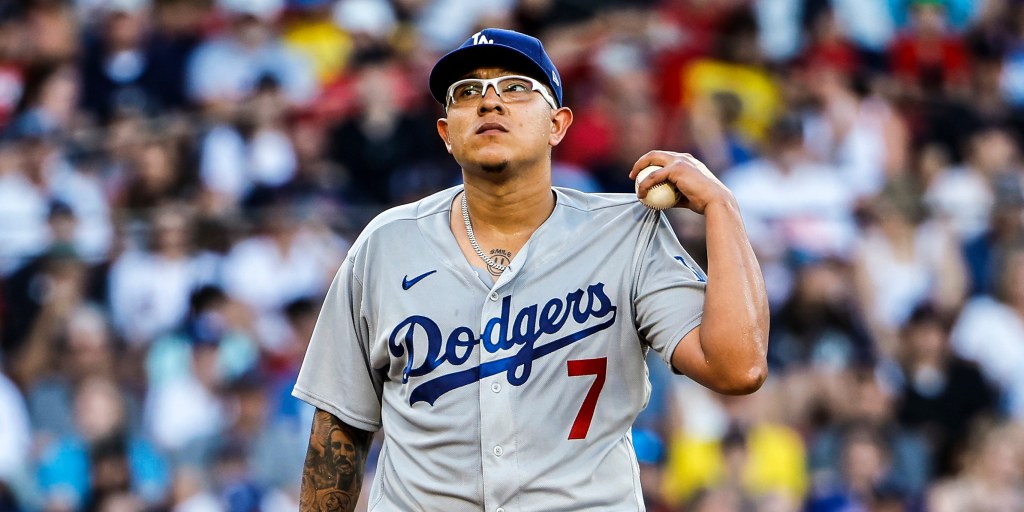
The Anatomy of a Brand Crisis: Urias’s Downfall
A personal brand, particularly for an athlete, is meticulously constructed over years, built on a foundation of performance, personality, public appearances, and perceived character. When a crisis strikes, this carefully cultivated image can shatter almost instantly, sending ripple effects through every aspect of their professional and personal life. The situation surrounding Julio Urias exemplifies how quickly a celebrated figure can transition from an icon to an individual facing severe brand erosion.
From Pitcher to Pariah: The Initial Shockwaves
For athletes like Urias, their public persona is deeply intertwined with their on-field achievements. Urias was known for his formidable pitching arm, his critical role in a World Series victory, and his youth, which promised a long and illustrious career. These attributes formed the core of his personal brand, projecting an image of talent, dedication, and potential. When allegations or legal troubles emerge, especially those involving serious misconduct, the initial shockwaves reverberate powerfully. The contrast between the heroic image and the alleged actions creates a profound cognitive dissonance for the public. This immediate disruption isn’t just about legal proceedings; it’s about the abrupt redefinition of a public figure’s identity in the collective consciousness. Fans, media, and even competitors are forced to reconcile the athlete they admired with the individual embroiled in controversy, initiating a rapid decline in goodwill and trust. The initial phase of a brand crisis is characterized by widespread confusion, speculation, and an urgent demand for answers, often fueled by media scrutiny and social media virality.
Public Perception and Reputation Erosion
Reputation is the cornerstone of any strong brand. For Urias, like many athletes, his reputation was built on his athletic prowess, but also on an assumed level of character and integrity. When events unfold that challenge this perception, reputation erosion is swift and severe. Public opinion often forms rapidly in the absence of complete information, with initial headlines and social media discussions shaping narratives that are incredibly difficult to reverse. The erosion isn’t merely a passive decline; it’s an active process of judgment, condemnation, and disillusionment. Fans feel betrayed, trust is broken, and the athlete’s name becomes associated with the negative incident rather than their achievements. This shift in public perception has tangible consequences, affecting everything from merchandise sales to stadium attendance and, crucially, the athlete’s marketability. The perception of a lack of judgment or a moral failing can overshadow years of positive contributions, demonstrating how fragile a public figure’s reputation truly is when confronted with significant controversy.
The Role of Media and Social Scrutiny
In the digital age, the media landscape plays an unparalleled role in amplifying and shaping brand crises. Traditional news outlets report on developments, while social media platforms become crucibles of public debate, speculation, and immediate reactions. For Urias, every update, every legal filing, every statement (or lack thereof) was scrutinized, dissected, and debated across countless platforms. This relentless scrutiny intensifies the pressure on the individual and their team, leaving little room for error in communication. Missteps, delays, or perceived insincerity can further inflame public sentiment and entrench negative narratives. Social media, in particular, empowers individuals to become instant critics and commentators, creating a decentralized and often unforgiving jury of public opinion. The sheer volume and speed of information dissemination mean that an athlete’s brand crisis unfolds in real-time, demanding an agile, strategic, and often defensive communication approach that can feel overwhelming and relentless.
The Impact on Stakeholders: Teams, Sponsors, and Fans
A personal brand, especially one as prominent as a professional athlete’s, does not exist in a vacuum. It is deeply interconnected with a network of stakeholders whose own brands and interests are directly affected by the athlete’s actions and reputation. When a crisis hits a key player like Julio Urias, the ripple effects are felt across the entire ecosystem.
Organizational Brand Damage: The Los Angeles Dodgers’ Dilemma
Professional sports teams are complex organizations with their own distinct corporate identities and brand values. When a star player becomes embroiled in scandal, the team’s brand is inevitably exposed to damage by association. For the Los Angeles Dodgers, Urias’s situation presented a significant dilemma. A team’s brand is built not only on winning but also on representing community values, integrity, and sportsmanship. Having a player accused of serious misconduct can contradict these values, leading to public criticism and a questioning of the organization’s judgment or commitment to its stated principles. The Dodgers faced the unenviable task of balancing legal processes with public perception, making difficult decisions regarding Urias’s employment status, and managing the narrative to protect their own long-standing, valuable brand. The challenge is to demonstrate accountability and uphold organizational values without prejudicing legal outcomes, a tightrope walk that can result in reputational hits regardless of the specific actions taken. This brand proximity means that the individual athlete’s crisis becomes, by extension, a corporate brand crisis.
Endorsement Deals and Sponsor Exodus
A substantial portion of a top athlete’s income often comes from endorsement deals, where their personal brand is leveraged to promote products and services. These sponsorships are predicated on the athlete’s positive image, public appeal, and perceived trustworthiness. When “what happened to Julio Urias” involves allegations that tarnish his image, sponsors are quick to distance themselves to protect their own brands from negative association. Morality clauses are standard in endorsement contracts, allowing companies to terminate agreements when an athlete’s behavior falls short of public expectations or brings disrepute. The exodus of sponsors is not merely a financial blow to the athlete; it’s a very public declaration of brand rejection. Each terminated deal serves as further evidence of the damage to the athlete’s brand, signaling to the public and potential future partners that the athlete is no longer a safe or desirable investment for brand alignment. This swift and decisive action by sponsors underscores the commercial value tied to an athlete’s impeccable personal brand and the severe consequences when that brand is compromised.
The Fan Base: Loyalty, Disappointment, and Disengagement
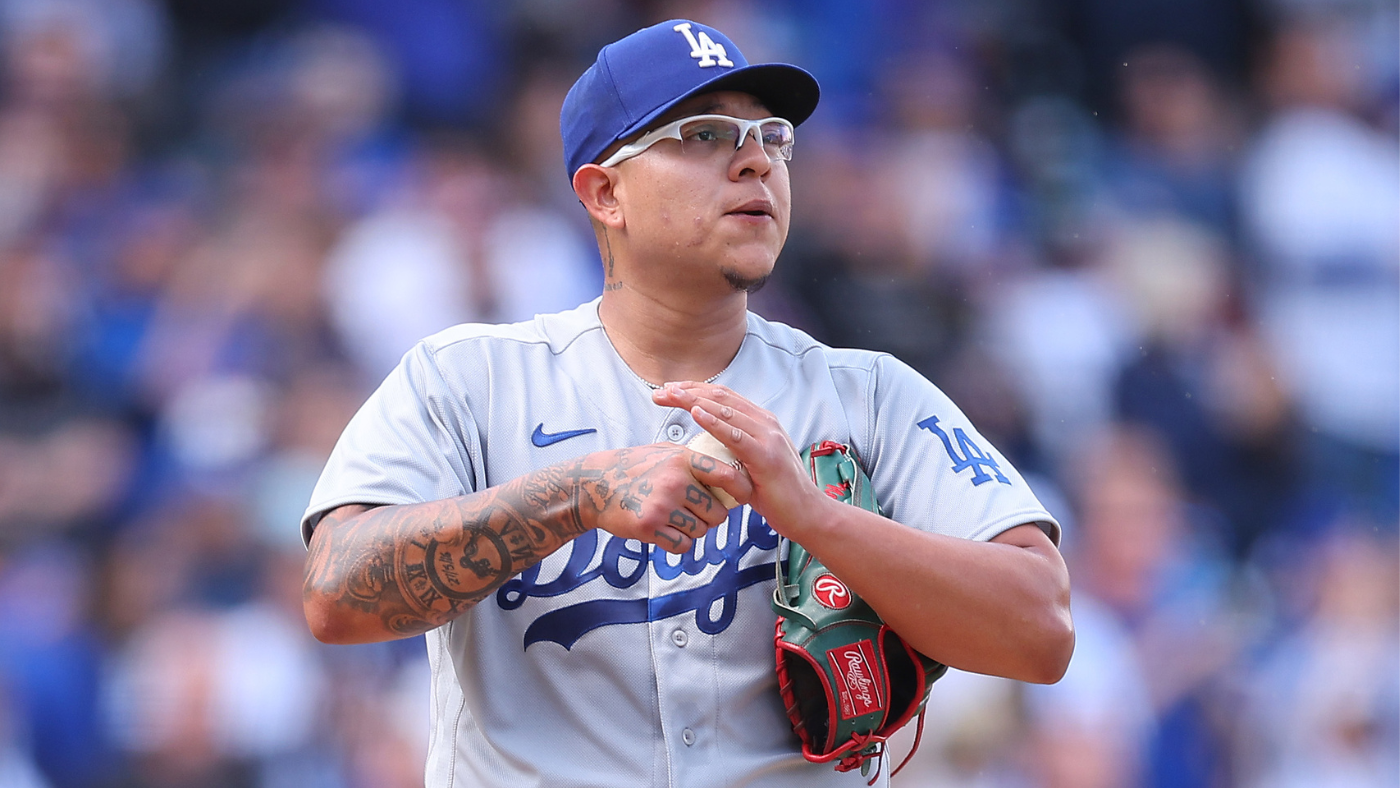
Fans are the lifeblood of professional sports, and their emotional investment is a critical component of an athlete’s personal brand equity. Urias’s fan base, which had celebrated his successes and cheered for his resilience, was confronted with a difficult reality. The immediate reaction from fans can range from fierce loyalty and defense to profound disappointment, anger, and ultimately, disengagement. Some fans may choose to separate the player’s on-field performance from their personal life, while others may feel a deep sense of betrayal. This internal conflict among fans can lead to fractured support, decreased attendance, and a general cooling of enthusiasm. For athletes, losing the trust and adoration of their fan base can be one of the most devastating consequences of a brand crisis. Rebuilding this relationship requires not just time, but often genuine remorse, demonstrable change, and consistent positive behavior, which can be an uphill battle when the emotional bonds of trust have been severed. The fan experience shifts from adoration to alienation, impacting the athlete’s emotional and psychological well-being alongside their brand.
Navigating the Aftermath: Crisis Communication and Brand Recovery Challenges
Once a personal brand is in crisis, the path forward is fraught with challenges. The immediate aftermath demands strategic communication, and the long-term journey requires sustained effort to even attempt brand recovery. For Julio Urias, like many public figures, the way these stages are managed can significantly influence any prospects of future redemption.
Initial Responses: Silence, Denial, or Accountability?
The critical first hours and days of a brand crisis dictate much of its future trajectory. The choice between silence, outright denial, or a posture of accountability is monumental. Silence, while sometimes a legal necessity, can be interpreted by the public as guilt, indifference, or a lack of respect, fueling negative speculation. Denial, especially when facts later prove otherwise, can irrevocably damage credibility. For Urias, as with any public figure facing serious allegations, the balance between legal counsel’s advice and public relations demands is delicate. An effective initial response typically involves acknowledging the gravity of the situation, expressing remorse if appropriate and possible without legal prejudice, and committing to cooperation. It’s about taking control of the narrative where possible, rather than allowing it to be entirely shaped by external forces. However, in sensitive legal matters, a comprehensive statement may not be possible, leaving the brand in a vulnerable position where every action (or inaction) is heavily scrutinized and interpreted, often negatively.
The Long Road to Redemption: Strategies for Image Rebuilding
Brand recovery, if it is even possible, is a marathon, not a sprint. For an athlete whose brand has been severely tarnished, the road to redemption is often arduous and requires a multifaceted strategy. This can include demonstrable personal change, engagement in positive community initiatives, public apologies (if and when legally advisable), and a period of sustained low-profile behavior. The challenge is convincing a skeptical public that the individual has genuinely learned from their mistakes and undergone a transformative process. Simply “waiting it out” is rarely sufficient; active steps must be taken to rebuild trust. For someone like Urias, this might involve extensive self-reflection, seeking professional help, and then, much later, engaging in carefully managed public appearances that showcase a changed individual. The authenticity of these efforts is paramount; any perceived insincerity can undo months or years of recovery work. The goal isn’t just to repair; it’s to redefine the brand with a new, more resilient narrative built on lessons learned and a commitment to positive contribution.
The Irreversible Scars: When Brand Damage is Permanent
In some instances, the damage to a personal brand can be so profound and the public’s forgiveness so elusive that the scars are effectively permanent. Certain types of misconduct, particularly those involving violence, abuse, or deep moral failings, can cross a threshold from which there is no full return. While individuals may rebuild their personal lives, their public brand, especially within the context of their previous profession, may never fully recover its original luster or commercial value. For Urias, depending on the eventual legal and public outcomes, there is a risk that his name will forever be associated with the controversy, overshadowing his athletic achievements. This doesn’t mean the individual ceases to exist or contribute, but their ability to command the same level of endorsements, fan adulation, or even professional opportunities within their former field can be severely limited. It serves as a stark reminder that some actions carry consequences that fundamentally alter a personal brand’s trajectory, leading to an irreversible loss of previous standing and potential.
Broader Implications for Personal Branding in Professional Sports
The “what happened to Julio Urias” narrative offers more than just a case study of individual downfall; it provides critical insights into the evolving landscape of personal branding for athletes and the increasing pressures they face in the public eye.
Athlete as a Brand: Beyond On-Field Performance
Today, an athlete is unequivocally a brand. Their value extends far beyond their statistics or their ability to perform on the field. It encompasses their personality, their social media presence, their philanthropic efforts, and their personal conduct. Fans and sponsors alike invest in the whole person, not just the player. This holistic view means that off-field behavior now carries as much, if not more, weight than on-field heroics in shaping an athlete’s marketability and legacy. The Urias situation underscores that athletic prowess, no matter how extraordinary, cannot fully insulate an athlete from the consequences of actions that contradict societal expectations or moral standards. Leagues and teams are increasingly aware that their collective brand is a mosaic of their individual players’ brands, necessitating greater scrutiny and proactive management of player conduct.
Morality Clauses and Contractual Safeguards
The increased awareness of an athlete’s personal brand impact has led to more stringent contractual safeguards. Morality clauses, which allow teams and sponsors to penalize or terminate agreements based on an athlete’s behavior that brings disrepute, have become standard and increasingly specific. These clauses reflect the commercial reality that an athlete’s value to a brand is directly tied to their public image and ethical conduct. The Urias case, like others before it, serves as a reinforcement for these contractual mechanisms. They are not merely legal boilerplate; they are essential tools for organizations to mitigate brand risk in an era where personal controversies can escalate rapidly and inflict significant financial and reputational damage. These clauses put the onus on the athlete to maintain a high standard of conduct, acknowledging that their actions have far-reaching commercial implications.
The Shifting Sands of Public Expectation
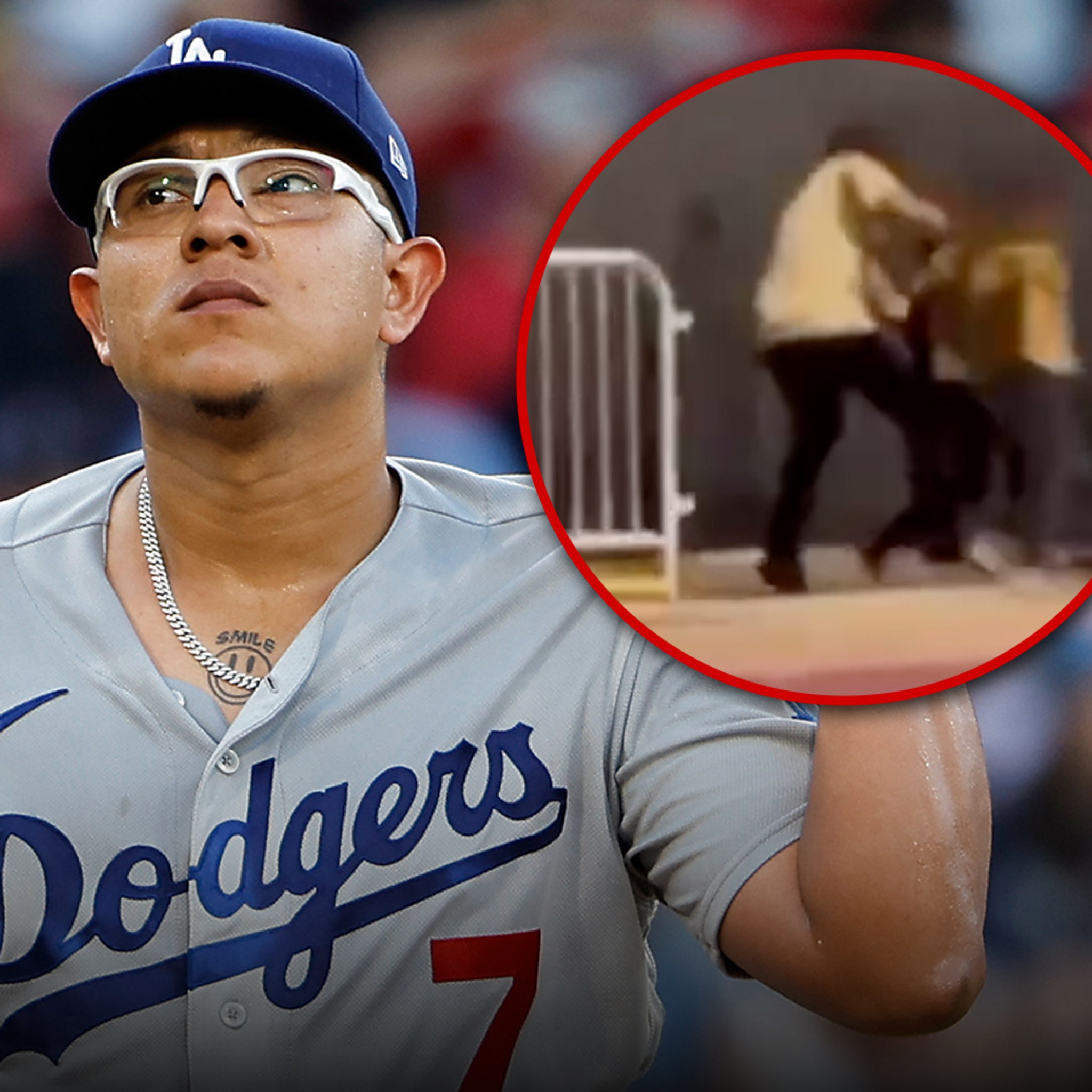
Finally, the Urias story highlights the ever-shifting sands of public expectation. What was once tolerated or overlooked in athletes is now often met with swift condemnation, particularly in an era of heightened social awareness and accountability. The public, empowered by social media, demands greater transparency, ethical conduct, and genuine remorse from figures they admire. There’s a growing intolerance for behaviors that are perceived as abusive, dishonest, or morally bankrupt. This means that athletes must not only be excellent performers but also exemplary citizens, or at least be perceived as striving towards that ideal. The grace period for missteps has shortened dramatically, and the court of public opinion can render a verdict long before legal proceedings conclude. For any athlete looking to build and sustain a successful personal brand, understanding and adapting to these evolving public expectations is not just advisable, but absolutely critical for long-term viability and success.
In conclusion, “what happened to Julio Urias” transcends the details of a specific event to become a powerful lesson in the intricate world of personal branding. It underscores the fragility of reputation, the immense power of public perception, and the profound impact of individual actions on a network of stakeholders. For athletes and anyone building a public persona, the Urias narrative serves as a potent reminder that a brand is built on trust, consistency, and integrity – elements that, once lost, are extraordinarily difficult, if not impossible, to fully regain.
aViewFromTheCave is a participant in the Amazon Services LLC Associates Program, an affiliate advertising program designed to provide a means for sites to earn advertising fees by advertising and linking to Amazon.com. Amazon, the Amazon logo, AmazonSupply, and the AmazonSupply logo are trademarks of Amazon.com, Inc. or its affiliates. As an Amazon Associate we earn affiliate commissions from qualifying purchases.