
In the landscape of modern technology, we are surrounded by information. Every swipe on a smartphone, every line of code executed by a server, and every pixel displayed on a monitor is the result of complex data processing. At the very heart of this digital ecosystem lies a fundamental concept: the numeric value. But when we ask, “What does numeric mean?” in a technical context, the answer goes far beyond simple arithmetic.
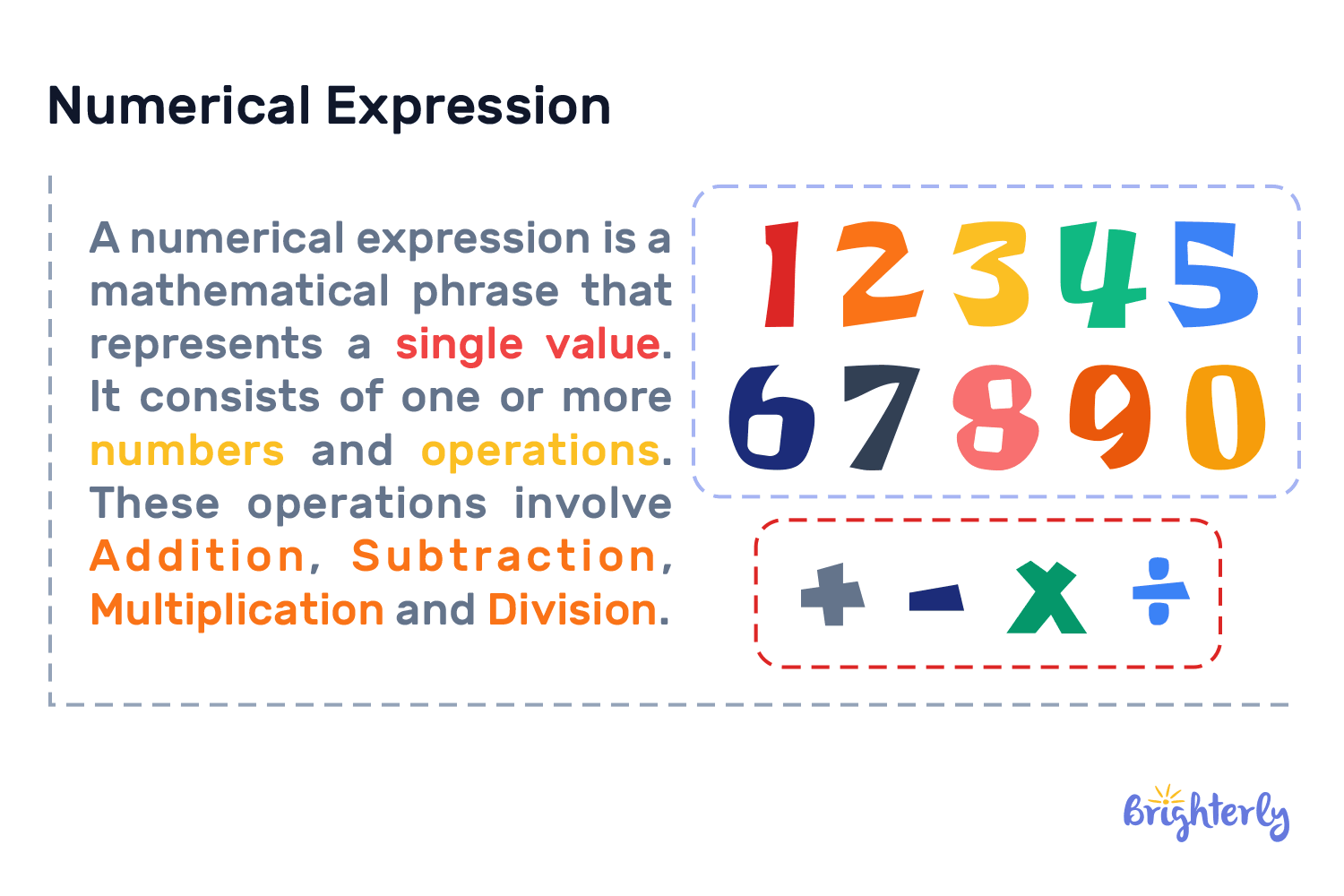
In the realm of technology, “numeric” refers to data that is represented by numbers rather than letters or symbols, specifically for the purpose of computation, storage, and logic. Understanding the nuances of numeric data is essential for software developers, data scientists, and anyone looking to grasp how our digital world functions. This article explores the technical definition of numeric data, how it is processed, its role in software development, and its critical importance in emerging technologies like Artificial Intelligence.
The Fundamental Definition of Numeric Data
To understand what numeric means in technology, one must first distinguish it from other types of data. While a human might see the number “5” on a screen and recognize it as a digit, a computer treats that “5” differently depending on how it is classified in its memory.
Numeric vs. Alphanumeric Data
The primary distinction in data processing is between numeric and alphanumeric (or string) data. Alphanumeric data consists of letters, symbols, and even numbers that are treated as “text.” For example, a zip code or a phone number is often stored as alphanumeric data because we do not intend to perform mathematical operations on it. Conversely, numeric data is specifically categorized so that the system can perform calculations—addition, subtraction, and complex algorithmic transformations—on the value.
Common Numeric Data Types: Integers and Floats
In software engineering, numeric data is further divided into specific “types.” The two most common are:
-
Integers: These are whole numbers without decimal points. They can be positive, negative, or zero. Integers are the backbone of loop counters, array indexing, and any scenario where discrete quantities are required.
-
Floating-Point Numbers (Floats): These are numbers that contain fractional parts or decimal points. Because computers have finite memory, representing a decimal (like 3.14159) requires a specific “floating” format that balances precision and memory usage. Within this category, tech professionals often distinguish between “Single Precision” and “Double Precision” (Doubles), which determine how many digits of accuracy the number can hold.
How Computers Process Numeric Values
While humans use the decimal system (Base-10), computers operate on an entirely different logic. To a machine, “numeric” ultimately translates to a series of electronic states.
The Binary System: The Foundation of Logic
Every numeric value processed by a CPU is eventually converted into binary—a Base-2 system consisting only of 0s and 1s. This is the most “numeric” a concept can get in tech. A single “bit” is the smallest unit of data, representing a 0 or 1. By grouping these bits into bytes (8 bits), computers can represent larger numeric values. For example, the numeric value “65” is represented in binary as 01000001. Understanding this conversion is vital for low-level programming and hardware optimization.
Computational Logic and the ALU
The processing of numeric data happens within the Arithmetic Logic Unit (ALU) of the computer’s processor. The ALU is a digital circuit that performs arithmetic and bitwise operations on integer binary numbers. This is where the “meaning” of numeric becomes action. Whether it is calculating the trajectory of a spacecraft or simply adjusting the volume on a laptop, the ALU handles the rapid-fire numeric transformations that make digital life possible.
Numeric Data in Modern Software Development
For developers, “numeric” isn’t just a definition; it’s a choice that affects the performance and reliability of an application. Choosing the right way to represent a number can be the difference between a smooth user experience and a catastrophic system crash.
Database Management and Storage
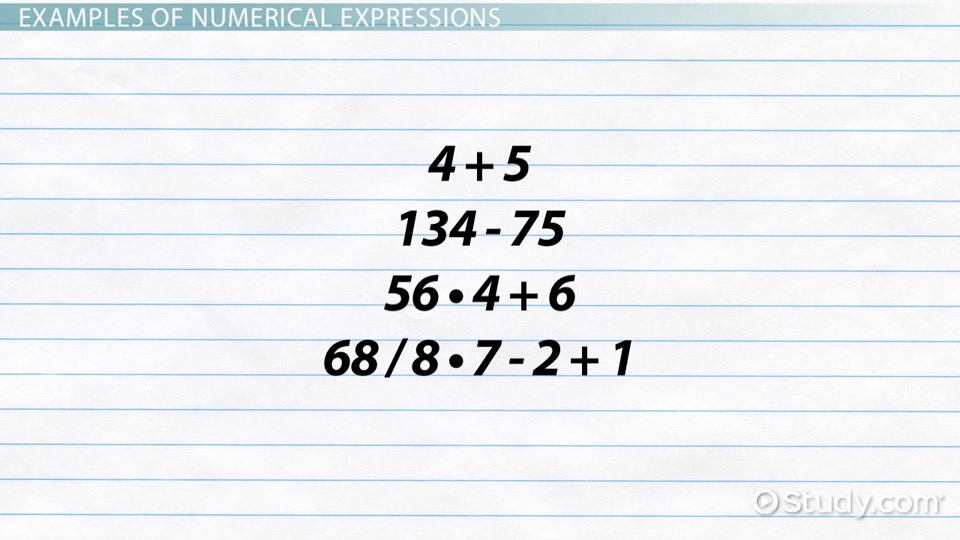
In database systems like SQL or NoSQL, defining a column as “numeric” is a critical architectural decision. Databases offer various numeric scales and precisions to ensure data integrity. For instance, storing a price requires a “Decimal” or “Numeric” type that prevents rounding errors which often occur with “Floats.” In a financial tech (FinTech) application, using the wrong numeric type could lead to losing fractions of a cent across millions of transactions, resulting in significant discrepancies.
User Interface (UI) and Data Validation
On the front end of technology, “numeric” refers to the constraints placed on user input. When an app asks for your age, it uses numeric validation to ensure you don’t enter letters. Modern web frameworks use specific “input types” to trigger numeric keyboards on mobile devices, streamlining the user experience. This bridge between human input and machine-readable numeric data is a cornerstone of modern UI/UX design.
The Role of Numeric Systems in Emerging Technologies
As we move into the era of Big Data and Artificial Intelligence, the importance of numeric data has reached new heights. In these fields, almost everything—even images and words—must be turned into numeric format to be understood by machines.
Machine Learning and Vectorization
In Artificial Intelligence, “numeric” is the only language the models speak. To train a Large Language Model (LLM) or an image recognition tool, data must undergo “vectorization.” This process converts text, pixels, or audio frequencies into massive arrays of numbers called vectors. For example, in a neural network, a word like “apple” is converted into a list of numeric coordinates in a high-dimensional space. The “meaning” of the word is then determined by its numeric proximity to other words.
Cybersecurity and Cryptography
In digital security, numeric properties are used to protect our data. Encryption algorithms like RSA rely on the properties of large prime numbers. The difficulty of factoring the product of two massive primes provides the numeric “wall” that keeps hackers out of secure systems. In this context, “numeric” means safety; the strength of an encryption key is often measured by its “bit-length,” a numeric representation of its complexity.
Best Practices for Handling Numeric Information
Because numeric data is so foundational, mishandling it can lead to significant technical debt or system failures. Professional tech environments follow strict protocols when dealing with these values.
Precision, Accuracy, and Rounding Errors
One of the most famous issues in tech is the “floating-point error.” Because computers use binary to represent decimals, some fractions (like 0.1) cannot be represented with perfect precision. Over millions of calculations, these tiny errors can compound. Engineers must decide when to use “arbitrary-precision” libraries—which are slower but perfectly accurate—versus standard numeric types which are fast but approximate.
Data Security and Sanitization
Even though numeric data seems “safer” than text (which can contain malicious scripts), it still requires sanitization. “Integer overflow”—a situation where a number becomes too large for its assigned memory space—has been the cause of numerous software vulnerabilities and system crashes throughout history. Ensuring that numeric inputs are within expected “bounds” is a fundamental practice in secure coding.
Conclusion
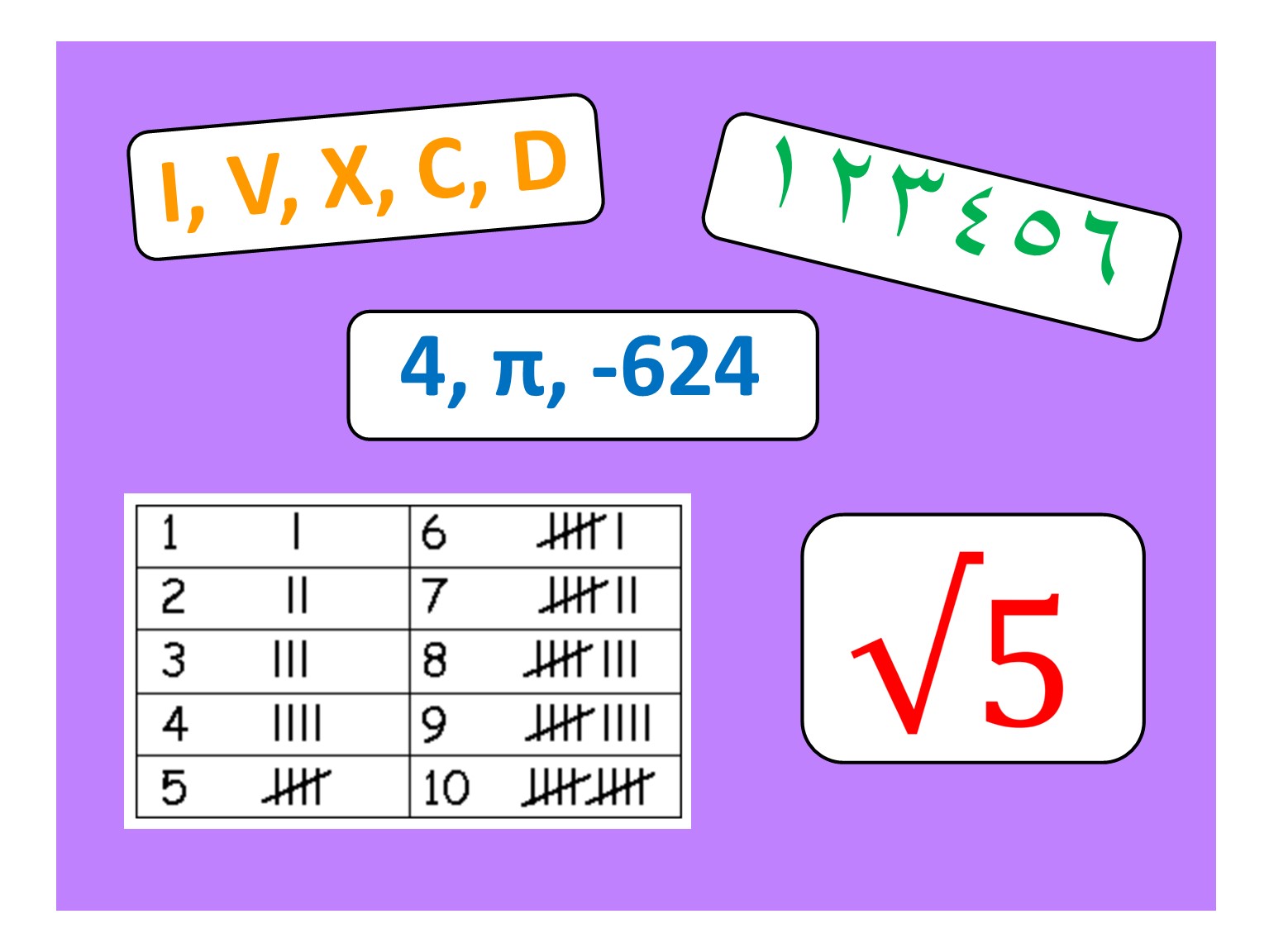
So, what does numeric mean? In the tech world, it is the bridge between the physical world of quantities and the digital world of logic. It is the language of the CPU, the structure of the database, the intelligence behind the AI, and the lock on the digital vault.
While we often take the numbers on our screens for granted, they represent a sophisticated hierarchy of data types, binary logic, and computational power. From the simple integer that counts your steps to the complex vectors that power generative AI, numeric data is the invisible scaffolding upon which the entire modern world is built. Understanding it is not just about math; it is about understanding the very fabric of the digital age.
aViewFromTheCave is a participant in the Amazon Services LLC Associates Program, an affiliate advertising program designed to provide a means for sites to earn advertising fees by advertising and linking to Amazon.com. Amazon, the Amazon logo, AmazonSupply, and the AmazonSupply logo are trademarks of Amazon.com, Inc. or its affiliates. As an Amazon Associate we earn affiliate commissions from qualifying purchases.