
The term “employer” is a cornerstone of our economic landscape, yet its full implications often extend far beyond the simple act of paying wages. In the realm of money and finance, understanding what it means to be an employer, or to work for one, is fundamental to comprehending personal finance, business operations, and the broader economy. An employer is not merely a provider of jobs; it is a financial entity with complex responsibilities, a significant economic driver, and a pivotal component of individual wealth generation and societal prosperity.
At its heart, an employer is an individual, organization, or business that hires workers and pays them in exchange for their labor or services. This relationship is codified, often legally, through contracts and agreements, establishing a framework of rights and obligations for both parties. For the employee, it signifies a source of income, benefits, and often a path to financial stability and growth. For the employer, it represents an investment in human capital, a strategic allocation of resources aimed at achieving business objectives, and a web of financial commitments that shape its very existence. Delving into the multifaceted financial dimensions of an employer reveals a crucial understanding of how money circulates, value is created, and economic systems function.

The Core Definition: An Economic Powerhouse
To truly grasp the meaning of an employer within the context of money, we must first establish its fundamental economic role. An employer is a central actor in the labor market, linking capital with human effort to produce goods and services, thereby generating revenue and contributing to the overall economic output. This function is not just operational; it is inherently financial, involving decisions about resource allocation, risk management, and value creation.
Legal and Contractual Frameworks as Financial Commitments
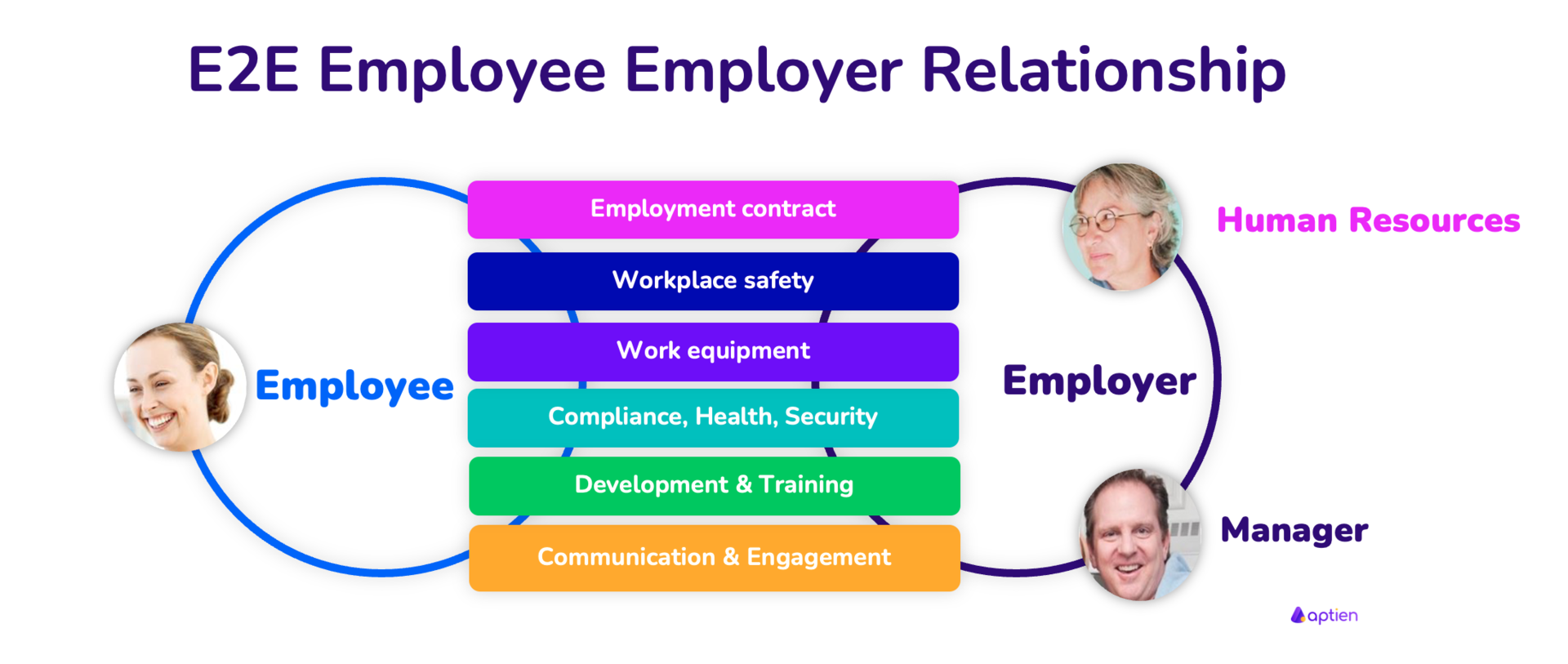
The relationship between an employer and an employee is typically governed by a legal and contractual framework that has significant financial ramifications. An employment contract isn’t just a job description; it’s a financial agreement specifying compensation, working hours, benefits, and termination clauses, all of which represent current and future financial obligations for the employer. These legal structures ensure a degree of financial predictability and protection for both parties. For the employer, adherence to labor laws regarding minimum wage, overtime, severance, and non-discrimination protects against costly lawsuits and fines, underscoring that legal compliance is a direct financial concern. These frameworks also dictate how payroll taxes are handled, benefits are administered, and employee contributions to retirement plans are managed, making them integral to business finance and financial planning.
More Than Just a Payer: A Source of Opportunity and Capital
While the most direct financial role of an employer is to pay salaries and wages, its impact extends much further. An employer is a key mechanism for distributing wealth and creating economic opportunity. By providing stable income, employers enable individuals to save, invest, purchase homes, and contribute to the consumer economy, thus fueling demand. Moreover, many employers offer opportunities for career advancement, which translates directly into increased earning potential and long-term financial growth for employees. From a broader perspective, the capital an employer deploys—whether in the form of wages, benefits, training, or infrastructure—circulates through the economy, supporting other businesses and industries. This makes an employer not just a payer but a crucial conduit for capital flow and economic multiplier.
The Financial Responsibilities of an Employer
The act of being an employer carries a heavy financial burden and an intricate set of responsibilities that span far beyond simply issuing a paycheck. These responsibilities are critical to a business’s financial health, legal standing, and reputation, making them a central focus of business finance and operational strategy.
Payroll Management and Compensation Structures
At the heart of an employer’s financial duties is payroll management. This involves not only calculating and distributing wages or salaries but also managing a complex array of deductions. These include federal, state, and local income taxes, Social Security and Medicare contributions (FICA), and other withholdings for benefits like health insurance premiums or retirement contributions. Ensuring accurate and timely payroll is paramount, as errors can lead to employee dissatisfaction, legal penalties, and significant financial liabilities. Beyond base pay, employers must also design and manage compensation structures that are competitive, fair, and aligned with market rates and company performance. This might include commissions, bonuses, profit-sharing schemes, and stock options, all of which are designed to motivate employees while remaining fiscally responsible and sustainable for the business.
Beyond Base Salary: Benefits and Financial Perks
A significant portion of an employer’s financial commitment lies in providing benefits. These are often non-wage compensation components that add substantial value to an employee’s overall financial package. Health insurance, retirement plans (like 401(k)s with employer matching contributions), paid time off (vacation, sick leave, holidays), life insurance, and disability insurance are common examples. From a financial perspective, these benefits represent a substantial ongoing cost for the employer, often comprising 30-40% of an employee’s total compensation. However, they are also a crucial investment. They help attract and retain talent, contribute to employee wellness and productivity, and provide vital financial security to employees, significantly impacting their personal finance. For instance, an employer’s contribution to a 401(k) directly boosts an employee’s retirement savings, a core aspect of personal financial planning.
Tax Obligations and Regulatory Compliance
Employers are crucial tax collectors and payers, acting as an intermediary between employees and government agencies. They are responsible for withholding various taxes from employee paychecks and remitting them to the appropriate authorities. Furthermore, employers themselves pay a share of payroll taxes, such as the employer portion of FICA and unemployment taxes (FUTA/SUTA). Beyond payroll taxes, businesses as employers are subject to corporate income taxes, property taxes, and sales taxes, depending on their structure and operations. Navigating this intricate web of tax obligations and ensuring compliance with labor laws, financial regulations, and industry-specific mandates is a critical financial undertaking. Non-compliance can result in severe financial penalties, audits, and damage to the company’s reputation and long-term viability. This demonstrates that an employer’s financial health is inextricably linked to its regulatory adherence.

Employers’ Role in the Broader Economic Landscape
The impact of employers extends far beyond individual employment contracts and company balance sheets. They are fundamental engines of economic growth, job creation, and capital circulation, directly influencing the financial health of regions, nations, and global markets.
Driving Economic Growth and Job Creation
Employers are the primary source of job creation, transforming capital and ideas into tangible economic output. Every new job created by an employer generates income, which in turn fuels consumer spending, savings, and investment. This ripple effect is a cornerstone of macroeconomic growth. When employers expand, they invest in new facilities, technologies, and services, further stimulating demand in various sectors. Small businesses, often started by individuals becoming employers for the first time, are particularly vital in this regard, consistently accounting for a significant percentage of new jobs and innovation. The ability of employers to sustain and expand their operations is therefore a direct indicator of economic vitality and a key driver of national prosperity.
Capital Allocation and Investment
Employers, especially corporations, are significant allocators of capital. They invest in research and development, infrastructure, technology, and human capital, often raising funds from financial markets through equity or debt. These investments are critical for innovation, increasing productivity, and maintaining competitiveness. A company’s decision to invest in a new production plant, for example, not only creates construction jobs but also signifies a long-term commitment to a region, potentially attracting other businesses and fostering further financial growth. The efficient allocation of capital by employers is essential for economic dynamism, ensuring that resources are directed towards productive ventures that generate future wealth.
Impact on Local and National Economies
The presence and health of employers profoundly shape local and national economies. A large employer can be the economic backbone of a town, influencing local housing markets, retail spending, and the tax base that funds public services. Nationally, the collective activity of millions of employers determines GDP, inflation, and unemployment rates. Government fiscal and monetary policies are often designed to create an environment conducive to employer growth and stability, recognizing their central role in job creation and wealth generation. When employers thrive, economies generally thrive, leading to higher tax revenues, reduced social welfare costs, and improved overall financial well-being for the populace. Conversely, widespread employer distress or closures can trigger significant economic downturns.
The Evolution of the Employer-Employee Financial Relationship
The traditional definition of an employer is continually being reshaped by technological advancements, societal shifts, and evolving financial models. Understanding these transformations is crucial for individuals navigating their careers and for businesses adapting their financial strategies.
From Traditional Employment to the Gig Economy
The rise of the gig economy has introduced new dimensions to the employer-employee financial relationship. Platforms like Uber, Airbnb, and various freelance marketplaces connect individuals providing services (gig workers) with those needing them, often blurring the lines of traditional employment. In many cases, gig workers are classified as independent contractors rather than employees, which has significant financial implications. Employers (or platforms) in the gig economy often have reduced obligations regarding benefits, payroll taxes, and minimum wage laws, shifting more financial responsibility onto the individual. While offering flexibility, this model requires gig workers to manage their own taxes, insurance, and retirement savings, fundamentally altering their personal financial planning. This shift challenges existing labor laws and calls for new financial tools and strategies for both businesses and individuals operating within this dynamic landscape.
Financial Wellness Initiatives from Employers
Recognizing the crucial link between employee financial health and productivity, many employers are increasingly investing in financial wellness programs. These initiatives go beyond traditional benefits, offering educational workshops on budgeting, debt management, retirement planning, and investing. Some employers provide access to financial advisors, emergency savings programs, or even financial coaching. From a business finance perspective, this is a strategic investment in human capital, aiming to reduce financial stress among employees, which can impact performance, absenteeism, and turnover. For employees, these programs offer invaluable resources that directly enhance their personal financial literacy and stability, empowering them to make better financial decisions and build long-term wealth.
The Entrepreneurial Shift: Becoming an Employer
For many, the ultimate expression of financial independence and wealth creation is to transition from being an employee to becoming an employer. This entrepreneurial shift involves taking on significant financial risk and responsibility, moving from earning a salary to creating income streams and jobs for others. It entails securing funding, managing business finance, navigating legal and regulatory complexities, and ultimately, building an organization that generates economic value. Becoming an employer means taking charge of all the financial responsibilities previously borne by someone else: payroll, benefits, taxes, and strategic investments. This journey embodies a profound transformation in one’s financial identity, marking a transition from being a recipient of an employer’s financial resources to being the steward and generator of those resources for others.
In conclusion, the term “employer” is deeply entrenched in the language of money and finance. It represents a fundamental economic unit, a complex financial entity with extensive responsibilities, a primary driver of economic growth, and an evolving concept in the modern labor market. Whether viewed from the perspective of an individual seeking financial stability, a business managing its bottom line, or an economist analyzing market dynamics, understanding the comprehensive financial meaning of an employer is indispensable to navigating and thriving within the intricate world of money.
aViewFromTheCave is a participant in the Amazon Services LLC Associates Program, an affiliate advertising program designed to provide a means for sites to earn advertising fees by advertising and linking to Amazon.com. Amazon, the Amazon logo, AmazonSupply, and the AmazonSupply logo are trademarks of Amazon.com, Inc. or its affiliates. As an Amazon Associate we earn affiliate commissions from qualifying purchases.