
In an increasingly digital world, the simple act of “hunching” has taken on a profound new significance. While historically referring to the act of bending one’s body into a humped or curved position, often out of cold, fear, or shyness, today it is most commonly associated with our interaction with technology. From the smartphone cradled in our palms to the laptop dominating our workspaces, the digital age has inadvertently ushered in an epidemic of poor posture, manifesting most visibly as a perpetual hunch. This article delves into the meaning of hunching in the context of technology, exploring its causes, its far-reaching implications, and how technology itself can be leveraged to mitigate this modern postural crisis.

The Ubiquity of the Digital Hunch: A Modern Epidemic
The rise of personal computing, the internet, and mobile devices has fundamentally reshaped human interaction, work, and leisure. However, this profound convenience has come with an often-overlooked cost: our physical well-being. The “digital hunch” has become a recognizable posture, indicative of prolonged engagement with screens and devices.
Screen Time and Postural Degradation
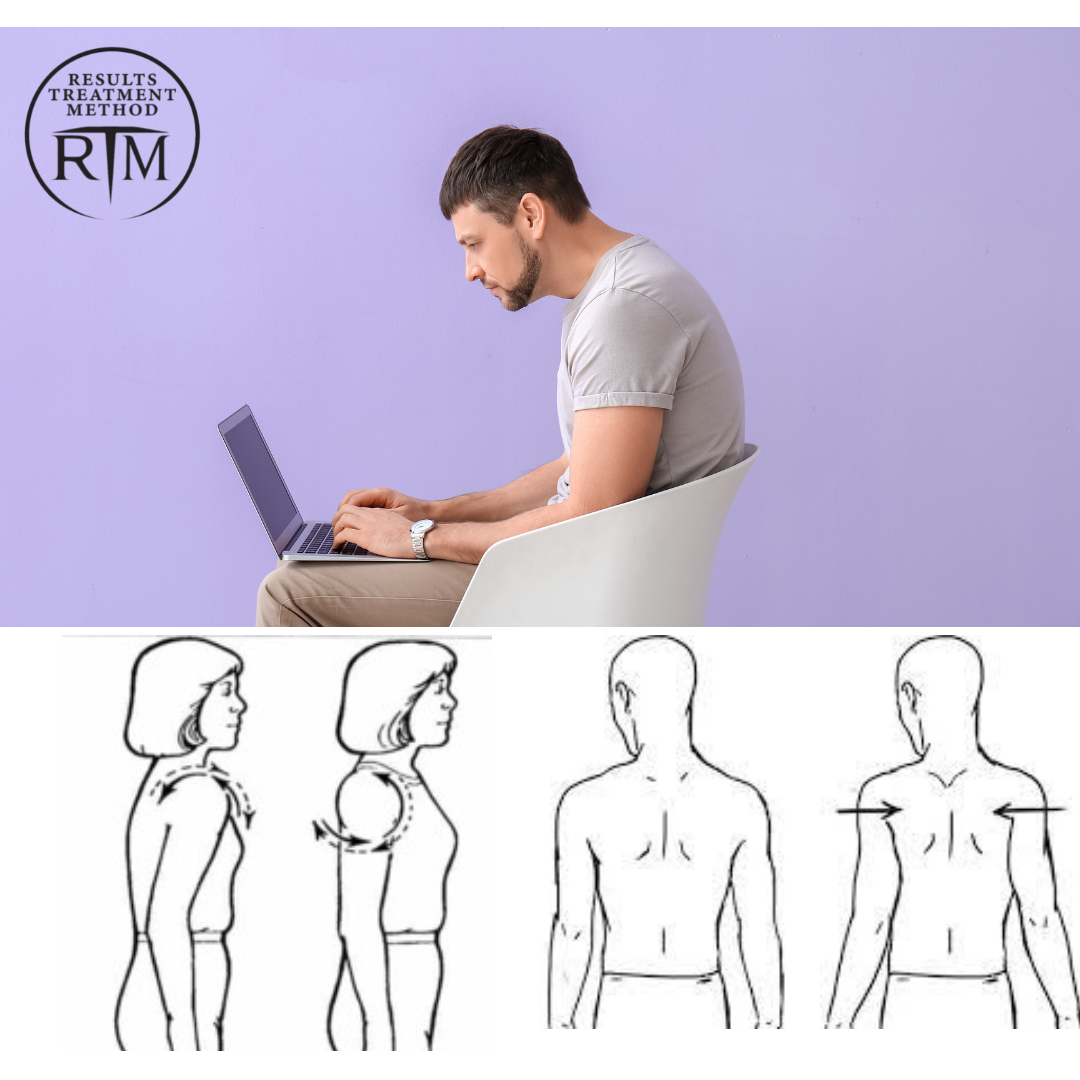
The primary driver behind the digital hunch is the sheer volume of time we spend looking down at screens or leaning forward into them. Smartphones, tablets, and e-readers encourage a forward head posture, where the neck and head are angled downwards. This position places immense strain on the cervical spine, increasing the effective weight of the head significantly. Over time, this sustained posture can lead to a phenomenon commonly dubbed “tech neck” or “text neck,” characterized by neck pain, stiffness, and degenerative changes in the spine. Similarly, prolonged computer use, especially without proper ergonomic setup, causes individuals to round their shoulders, slump their backs, and jut their chins forward, creating the classic hunched appearance. This constant gravitational pull on the upper body slowly but surely reshapes our natural spinal alignment, making the hunched position feel “normal” even when it’s detrimental.
The Sedentary Tech Lifestyle
Beyond just the direct act of looking at screens, the digital hunch is also exacerbated by the sedentary nature of modern tech-driven lifestyles. Many jobs today require employees to sit at a desk for eight hours or more, staring at a computer screen. Remote work, amplified by recent global events, has further blurred the lines between work and home, often leading to less structured movement and more time spent in suboptimal home office setups. Gaming, binge-watching streaming services, and endless social media scrolling all contribute to extended periods of sitting or reclining in positions that do not support the natural curves of the spine. When the core muscles weaken from disuse and the body adapts to a seated, forward-leaning posture, hunching becomes the default, even when standing. The combination of sustained static postures and lack of movement effectively trains the body to maintain this compromised position.
Gaming and Immersive Experiences
The world of gaming, particularly competitive e-sports and virtual reality (VR) experiences, presents another unique facet of the digital hunch. Gamers often spend hours in highly focused, intense sessions, leaning into their screens or wearing heavy VR headsets. The concentration required can lead to a rigid, forward-leaning posture as players become deeply engrossed in their virtual worlds. This fixed attention, combined with the physical demands of certain gaming setups (e.g., controller use, specific keyboard and mouse positions), can reinforce poor posture over extended periods. In VR, the weight of the headset itself can encourage a forward head tilt, and the immersive nature often means users are less aware of their physical posture until discomfort sets in, further solidifying the habit of hunching.
Beyond Aches and Pains: The Deeper Implications of Hunching in the Digital Age
While the immediate discomfort of a stiff neck or sore back is often the first sign of chronic hunching, its implications extend far beyond superficial aches. The digital hunch impacts physical health, cognitive function, and even how we are perceived by others.
Health Ramifications
The long-term health consequences of sustained hunching are significant and multifaceted. Chronic neck and back pain are perhaps the most common complaints, often escalating into debilitating conditions such as herniated discs, nerve compression, and repetitive strain injuries (RSIs) in the wrists and hands. Beyond musculoskeletal issues, hunching can compromise respiratory function. A slumped posture compresses the lungs, reducing their capacity and potentially leading to shallower breathing and decreased oxygen intake. This can contribute to feelings of fatigue and reduced vitality. Furthermore, a rounded back can put pressure on internal organs, potentially affecting digestion and circulation. The cumulative stress on the body from persistent poor posture accelerates wear and tear, contributing to premature degenerative conditions and reduced quality of life.
Cognitive and Psychological Impact
The link between body posture and mind state is increasingly recognized. Hunching doesn’t just make you feel physically tired; it can also affect your mood, confidence, and cognitive abilities. Studies suggest that individuals who maintain an upright posture tend to report higher energy levels, feel more confident, and even perform better on cognitive tasks. Conversely, a hunched posture has been associated with increased feelings of fatigue, anxiety, and even symptoms of depression. In a professional tech environment, where innovation and critical thinking are paramount, reduced alertness and difficulty concentrating due to poor posture can significantly hinder productivity and creativity. The physiological stress associated with chronic pain and restricted breathing also adds to mental fatigue, creating a vicious cycle where discomfort reduces focus, leading to more discomfort.
Social and Professional Perceptions
In an era of ubiquitous video conferencing and online collaboration, how we present ourselves digitally has become critical. A hunched posture can inadvertently project an image of disinterest, lack of confidence, or even unprofessionalism. In virtual meetings, a slumped individual might be perceived as less engaged or competent, regardless of their actual contributions. Even in face-to-face interactions, poor posture can undermine one’s credibility and authority. Conversely, an upright, open posture conveys confidence, professionalism, and engagement, which are crucial attributes in any professional setting. As our lives become more intertwined with digital communication, understanding and consciously managing our posture becomes not just a health imperative but also a social and professional asset.
Leveraging Technology to Combat the Hunch
Paradoxically, while technology is a primary contributor to the digital hunch, it also offers innovative solutions to help individuals reclaim better posture and mitigate its adverse effects. From hardware design to smart software, tech innovations are empowering users to become more aware and proactive about their postural health.
Ergonomic Hardware Innovations
The market for ergonomic hardware has expanded significantly in response to widespread tech-related postural issues. Ergonomic keyboards and mice are designed to promote a more natural hand and wrist position, reducing strain and the likelihood of RSIs that often accompany hunching. Monitor arms allow for flexible screen positioning, ensuring that the top of the monitor is at eye level, which is crucial for preventing forward head posture. Perhaps one of the most impactful innovations is the rise of standing desks and desk converters, which enable users to alternate between sitting and standing throughout the workday. This encourages movement, reduces sedentary time, and can significantly alleviate back pain associated with prolonged sitting. Ergonomic chairs, with adjustable lumbar support, armrests, and seat depth, also play a vital role in supporting the natural curvature of the spine and reducing the tendency to slouch.
Software and AI-Powered Posture Reminders
Beyond physical hardware, software solutions are emerging as powerful tools in the fight against hunching. AI-powered applications can use a computer’s webcam to monitor a user’s posture in real-time, providing gentle alerts or visual cues when slouching is detected. These apps can track posture over time, offering insights into habitual patterns and progress. Similarly, other software tools integrate with wearable sensors that vibrate or beep when a user begins to hunch. These digital reminders serve as an invaluable mechanism for increasing awareness, helping individuals break ingrained habits by bringing unconscious postural issues to the forefront of their minds. By making posture correction an interactive, data-driven process, technology is enabling a more proactive approach to postural health.
Digital Well-being Features and Break Reminders
Modern operating systems and numerous third-party applications now incorporate digital well-being features designed to promote healthier tech habits. These often include customizable break reminders that pop up after a set period, encouraging users to stand up, stretch, or simply step away from their screens. Some sophisticated solutions even guide users through short stretching routines or suggest eye exercises. While not directly focused on posture correction, these features indirectly combat hunching by disrupting prolonged static positions and encouraging movement. By promoting regular micro-breaks, they help prevent the gradual adoption of poor posture that occurs during extended periods of sedentary screen time.
Wearable Tech for Posture Correction
Wearable technology has also entered the posture correction space. Devices, often small and discreet, can be worn on the upper back or collarbone and contain sensors that detect changes in spinal alignment. When the user begins to slouch or deviate from an upright posture, the device provides a subtle vibration or haptic feedback, prompting them to correct their position. These wearables leverage biofeedback principles, training the body and mind to maintain better alignment over time. Paired with companion apps, they can offer detailed analytics on posture habits, allowing users to track their improvements and identify specific times or activities during which their posture tends to worsen. This personalized data empowers individuals to make targeted adjustments to their routines and workspace.
Cultivating a Hunch-Free Digital Future: Best Practices and Mindset Shifts
While technology offers powerful tools, ultimately, overcoming the digital hunch requires a conscious effort, strategic planning, and a fundamental shift in how we interact with our digital environment. It’s about building sustainable habits that prioritize well-being.
Strategic Workspace Setup
The foundation of good posture in a tech-centric world lies in an ergonomically optimized workspace. For desk workers, this means ensuring the monitor is at arm’s length, with the top of the screen at eye level. The keyboard and mouse should be positioned close to the body, allowing the elbows to remain at a 90-degree angle. Feet should be flat on the floor or a footrest, and the chair should provide adequate lumbar support, encouraging the natural S-curve of the spine. For smartphone and tablet users, developing the habit of bringing the device up to eye level, rather than craning the neck down, is crucial. Utilizing stands or pop sockets can facilitate this. Investing in even basic ergonomic accessories can make a significant difference in preventing the onset and progression of hunching.
Incorporating Movement and Micro-Breaks
The most effective countermeasure to prolonged static postures is movement. Building regular micro-breaks into the daily routine is non-negotiable. This means standing up and stretching every 30-60 minutes, walking around the room, or performing simple neck and shoulder rolls. Setting reminders on your phone or computer can help establish this habit. For those with standing desks, alternating between sitting and standing every hour prevents the body from settling into a single, potentially detrimental, position for too long. Even small bursts of movement can reactivate muscles, improve circulation, and break the pattern of slouching.
Mindful Tech Use
A key aspect of combating the hunch is developing mindfulness around technology use. This involves becoming acutely aware of one’s posture, body sensations, and how prolonged tech engagement affects them. Before settling into an activity, take a moment to adjust your posture consciously. Periodically check in with your body throughout the day: Are my shoulders rounded? Is my head jutting forward? Am I clenching my jaw? This heightened awareness, combined with the discipline to make immediate corrections, is fundamental to breaking poor postural habits. It’s about taking ownership of your physical presence in the digital realm.

The Role of Physical Activity
Beyond specific ergonomic setups and micro-breaks, general physical fitness plays a critical role in supporting good posture. Regular exercise, particularly activities that strengthen core muscles (abdominal and back muscles), improve flexibility, and enhance overall body awareness, can significantly bolster the body’s natural resistance to hunching. Yoga, Pilates, swimming, and strength training can all contribute to a stronger, more resilient spine and better postural habits. These activities build the muscular endurance necessary to maintain an upright posture effortlessly, even during extended periods of tech use.
Conclusion
“Hunching” in the digital age is far more than a casual posture; it’s a prevalent physical phenomenon with widespread implications for our health, mental well-being, and even professional standing. Born from our deep entanglement with technology, the digital hunch is a critical ergonomic challenge of our time. However, by understanding its roots and leveraging the very tools that contribute to it—through ergonomic design, AI-driven feedback, and digital wellness features—we can actively work towards a healthier, more upright future. Ultimately, overcoming the digital hunch requires a synergistic approach: conscious effort, strategic workspace optimization, consistent movement, and a mindful relationship with our devices. As technology continues to evolve, so too must our commitment to maintaining a posture that supports not just our screens, but our entire being.
aViewFromTheCave is a participant in the Amazon Services LLC Associates Program, an affiliate advertising program designed to provide a means for sites to earn advertising fees by advertising and linking to Amazon.com. Amazon, the Amazon logo, AmazonSupply, and the AmazonSupply logo are trademarks of Amazon.com, Inc. or its affiliates. As an Amazon Associate we earn affiliate commissions from qualifying purchases.