
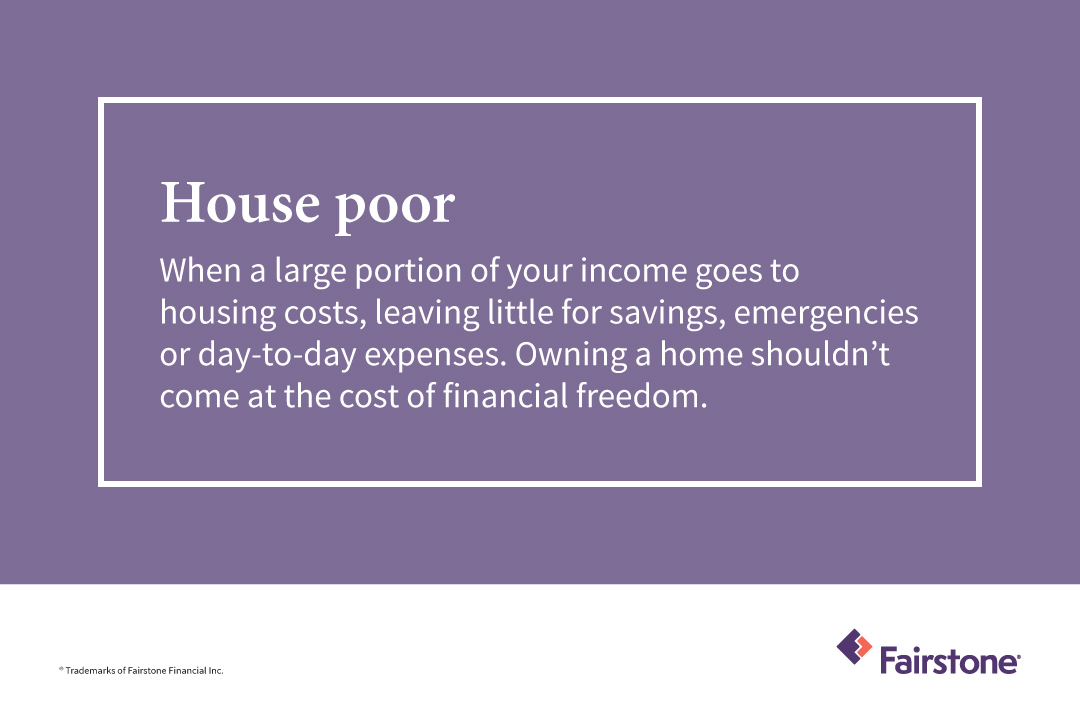
For many, owning a home represents the quintessential American Dream, a tangible symbol of stability, success, and personal freedom. It’s the promise of a place to call your own, to build equity, and to escape the whims of landlords. Yet, beneath this aspirational facade lies a potential financial pitfall that can transform the dream into a persistent nightmare: being “house poor.” This term, increasingly prevalent in discussions around personal finance and real estate, describes a situation where a homeowner dedicates such a significant portion of their income to housing costs that they are left with minimal funds for other necessities, savings, or discretionary spending. It’s a state of financial fragility, where the pride of ownership is overshadowed by the constant pressure of making ends meet, month after month.
Understanding what it means to be house poor is critical not just for prospective buyers, but also for existing homeowners who may be unknowingly grappling with its symptoms. It’s not merely about having a large mortgage; it’s about the broader financial ecosystem of homeownership impacting one’s overall economic well-being and quality of life. This article delves into the nuances of being house poor, exploring its definition, identifying its causes and consequences, and offering practical strategies to both avoid and overcome this pervasive financial challenge.
Unpacking the Concept of “House Poor”
The essence of being “house poor” lies in the disproportionate allocation of one’s financial resources towards housing expenses. While some debt is inevitable and even strategic when purchasing a significant asset like a home, the issue arises when this allocation crosses a threshold that compromises financial flexibility and stability in other areas of life. It’s a delicate balance, easily tipped by unforeseen circumstances or an overly optimistic assessment of one’s budget.
Beyond the Mortgage Payment: The True Cost of Homeownership
Many first-time homebuyers, and even some seasoned ones, primarily focus on the principal and interest payment of their mortgage. However, this figure represents only a fraction of the actual cost of owning a home. A truly comprehensive understanding of housing expenses must encompass a broader range of financial commitments that extend far beyond the monthly mortgage bill. These often-underestimated costs are frequently the silent culprits behind the house poor phenomenon.
First and foremost are property taxes, which can vary wildly depending on location and property value. These are non-negotiable and often increase over time, directly impacting your escrow payments. Then there’s homeowner’s insurance, a mandatory expense for most mortgage lenders, protecting against damage, theft, and liability. Like property taxes, premiums can fluctuate based on location, claims history, and changing market conditions. Beyond these regular outlays, a significant yet unpredictable category is maintenance and repairs. Unlike renting, where a landlord handles issues, homeowners are solely responsible for everything from a leaky faucet to a new roof. Experts often recommend budgeting 1-3% of the home’s value annually for maintenance, a sum that can quickly add up for older or larger properties. Furthermore, utility costs—electricity, gas, water, sewage, internet—are typically higher for homeowners than renters due to larger spaces and greater usage. Lastly, if you live in a condominium or a planned community, Homeowner’s Association (HOA) fees are another recurring expense that can be substantial, covering communal amenities and external maintenance, and these too can increase. Neglecting to factor in the cumulative impact of these “hidden” costs is a primary pathway to becoming house poor.
The Tipping Point: When Housing Costs Become a Burden
While there’s no single, universal definition, financial experts often use certain benchmarks to gauge affordability and identify potential house poor situations. A common rule of thumb is the 28/36 rule: your total housing expenses (including mortgage, property taxes, insurance, and HOA fees) should not exceed 28% of your gross monthly income, and your total debt obligations (including housing, credit cards, car loans, etc.) should not exceed 36% of your gross monthly income. While these are guidelines, they provide a valuable framework.
The “tipping point” isn’t necessarily when you exceed these ratios, but rather when the remaining portion of your income becomes insufficient to cover other essential living expenses, save for the future, or manage unexpected costs without resorting to debt. For instance, if after covering housing, you have little left for groceries, transportation, healthcare, or retirement contributions, you are likely house poor, regardless of what percentage your mortgage takes up. It’s about the erosion of disposable income and the subsequent impact on your financial freedom and ability to pursue broader life goals.
The Allure vs. The Reality: Why People Become House Poor
Given the significant financial implications, why do so many individuals and families find themselves in this predicament? The reasons are multifaceted, blending emotional aspirations with practical miscalculations. One major factor is the powerful emotional attachment to homeownership. The desire to own a “dream home,” to settle down, or to provide a specific environment for a family can lead buyers to overstretch their budgets. This is often exacerbated by fear of missing out (FOMO) in competitive housing markets, where buyers feel pressured to bid higher or accept less favorable terms to secure a property before prices climb further.
Another common pitfall is underestimating the true costs of homeownership, as discussed earlier. Many focus solely on the mortgage payment offered by a lender, without rigorously calculating the cumulative impact of taxes, insurance, maintenance, and utilities. The desire for status or perceived success can also play a role, pushing individuals towards larger or more expensive homes than they genuinely need or can comfortably afford. Moreover, a lack of comprehensive financial planning, including failing to account for potential future interest rate hikes (for adjustable-rate mortgages), property tax increases, or unexpected home repairs, can quickly push a homeowner from comfortable to house poor. It’s a collision between aspiration and inadequate preparation, where the dream of homeownership collides with the harsh realities of its ongoing financial demands.
The Hidden Risks and Consequences of Being House Poor
Being house poor is not merely an inconvenience; it can have profound and far-reaching negative consequences that ripple through various aspects of a homeowner’s life, from their immediate financial stability to their long-term well-being. These risks often remain hidden until a crisis hits, making them particularly insidious.
Stagnation of Personal Financial Goals
Perhaps the most significant long-term consequence of being house poor is the stagnation or complete derailment of personal financial goals. When a disproportionate amount of income is funneled into housing, there is little left to allocate towards other crucial financial objectives. This often manifests as an inability to adequately save for retirement, delaying the ability to build a comfortable nest egg. Investment opportunities, which are critical for wealth accumulation, also become inaccessible. The creation of an emergency fund, a bedrock of financial security, is frequently neglected, leaving households vulnerable to unexpected expenses. Down payments for other significant purchases, like a child’s education or a new vehicle, become insurmountable hurdles, forcing reliance on high-interest loans. In essence, while the house itself may be an appreciating asset, the homeowner’s overall financial portfolio outside of that asset struggles to grow, creating a skewed and ultimately fragile financial position.
Lifestyle Compression and Sacrifices
Beyond the numbers, being house poor severely impacts a homeowner’s quality of life through lifestyle compression and forced sacrifices. Discretionary spending, which includes activities like vacations, dining out, hobbies, and entertainment, is often the first to be cut or severely curtailed. This reduction in quality of life can lead to feelings of resentment and deprivation. Furthermore, the financial strain can force cuts in essential areas. Families might postpone necessary car repairs, opt for cheaper, less healthy food options, or defer medical and dental check-ups to save money. The constant need to economize can also place immense stress on personal relationships, as financial disagreements are a leading cause of conflict among couples. What was once a symbol of success can quickly become a source of daily anxiety and constraint, limiting life experiences and personal growth.
Vulnerability to Financial Shocks
A house poor household exists on a razor’s edge, making it incredibly vulnerable to unforeseen financial shocks. With little to no savings buffer, any unexpected expense or reduction in income can trigger a cascade of financial distress. A sudden job loss, for instance, can quickly lead to an inability to make mortgage payments, risking foreclosure. An unexpected medical emergency, car breakdown, or significant home repair can necessitate taking on high-interest credit card debt, further exacerbating the financial strain and creating a vicious cycle. For those with adjustable-rate mortgages, a sudden increase in interest rates can dramatically raise monthly payments, pushing an already strained budget past its breaking point. This lack of resilience means that house poor individuals are constantly one misfortune away from a severe financial crisis, undermining any sense of security that homeownership was supposed to provide.
The Psychological Toll
The relentless financial pressure of being house poor also takes a significant psychological toll. The constant worry about making ends meet, the sacrifices, and the fear of financial setbacks can lead to chronic stress, anxiety, and even depression. Homeownership, intended to be a source of pride and comfort, instead becomes a burden. There can be feelings of regret and remorse about the home purchase, a sense of being trapped, and a loss of personal agency. The inability to pursue dreams, save for the future, or simply enjoy life without financial worry can erode mental well-being and contribute to burnout. This psychological burden can be as debilitating as the financial one, impacting sleep, relationships, and overall life satisfaction.
Identifying if You’re “House Poor” (or at Risk)
Recognizing the signs of being house poor is the first crucial step towards addressing the issue. Often, homeowners are so caught up in the day-to-day grind that they may not consciously identify their situation until it reaches a critical point. Proactive self-assessment and awareness of common pitfalls can help in early detection and intervention.
Key Indicators and Self-Assessment Questions
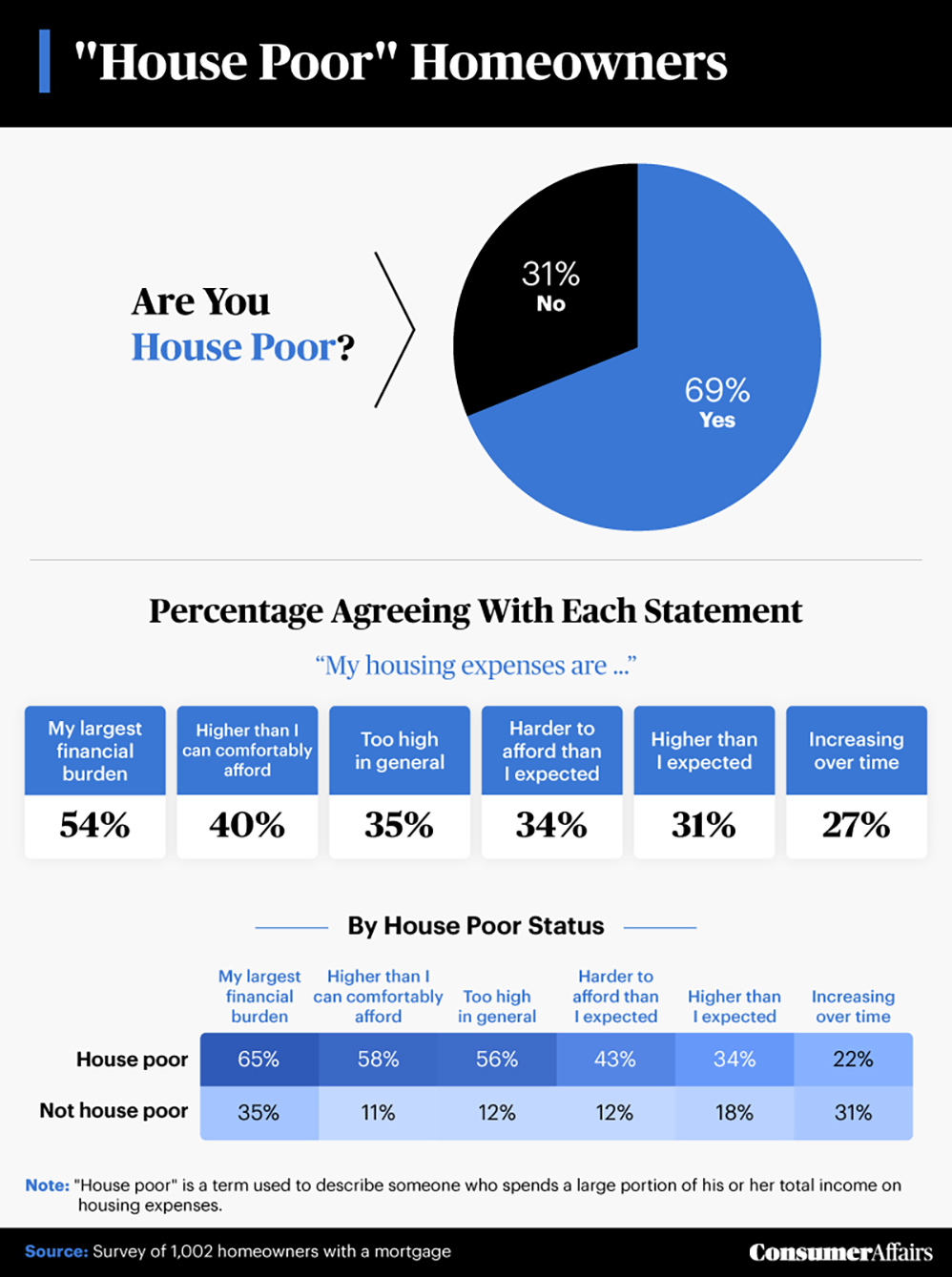
To determine if you are currently house poor or heading in that direction, an honest evaluation of your finances is necessary. Start by reviewing your monthly budget analysis. Are your housing costs (PITI + utilities + maintenance + HOA) consistently consuming more than 30-35% of your gross income, leaving little room for other essentials? Do you frequently find yourself having to dip into savings or rely on credit cards to cover routine living expenses towards the end of the month? This reliance on credit cards for everyday purchases is a strong indicator of an overstretched budget.
Another critical indicator is the status of your emergency fund. Do you have at least 3-6 months’ worth of living expenses readily accessible in a savings account? If your emergency fund is non-existent or perpetually depleted, it signals a significant vulnerability. Ask yourself: Can I comfortably afford an unexpected home repair of $5,000 without going into debt? Am I consistently postponing important financial goals like retirement savings or debt reduction because all available funds are tied up in housing? Do you feel constant stress about making the next payment, or does the thought of an interest rate hike fill you with dread? If the answers to these questions are concerning, it’s time for a deeper financial dive.
Common Pitfalls to Avoid Before Buying a Home
For prospective buyers, understanding the common traps that lead to being house poor is paramount to making a sound financial decision. The most prevalent pitfall is overstretching on the purchase price. It’s tempting to buy the most expensive home a lender pre-approves you for, but pre-approval limits often represent the maximum you can borrow, not necessarily what you should borrow comfortably. Lenders primarily focus on debt-to-income ratios, not your personal discretionary spending habits or future savings goals.
Another critical mistake is neglecting to budget for closing costs. These can amount to 2-5% of the home’s purchase price and include fees for appraisals, inspections, title insurance, and legal services. Many buyers forget these upfront costs, draining their savings before they even move in. Crucially, ignoring future maintenance and repair costs is a pervasive error. Many first-time buyers romanticize homeownership and fail to set aside a dedicated fund for the inevitable wear and tear or unexpected breakdowns. Furthermore, failing to account for potential increases in property taxes or insurance premiums over time, especially in rapidly appreciating areas, can erode affordability down the line. Finally, making a small down payment can lead to higher monthly mortgage payments and potentially mandatory private mortgage insurance (PMI), increasing the overall housing burden. Careful planning and a conservative approach are essential to avoid these pitfalls.
Strategies to Avoid or Overcome Being House Poor
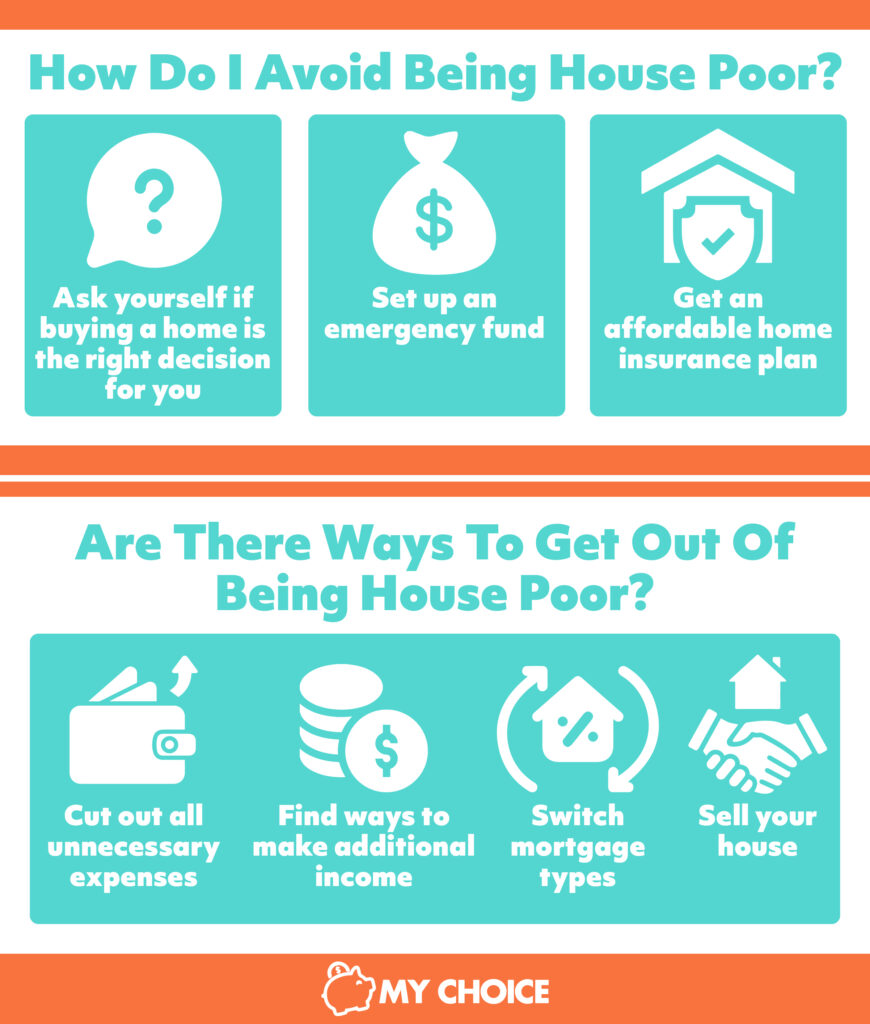
Recognizing the problem is the first step; taking proactive measures to address or prevent being house poor is the critical next one. Whether you are contemplating a home purchase or already struggling with the financial demands of homeownership, there are actionable strategies to regain financial control and build a more secure future.
Smart Home Buying: Due Diligence and Realistic Budgeting
For those yet to buy, the most effective strategy is a meticulous and realistic approach to home buying. Do not automatically accept the maximum loan amount your lender pre-approves. Instead, create a comprehensive personal budget that accounts for all your current expenses and savings goals. Then, calculate how much you can truly afford for housing (including PITI, utilities, maintenance, and HOA) without compromising these other financial objectives. Aim for housing costs to be comfortably below the 28% gross income guideline, allowing for a buffer.
Beyond the monthly payment, ensure you have a robust contingency fund specifically for closing costs and immediate post-purchase expenses (like moving, new furniture, or minor repairs). A larger down payment, if feasible, can significantly reduce your monthly mortgage, eliminate PMI, and provide more equity from the outset. Crucially, research potential homes thoroughly, paying close attention to the age of major systems (HVAC, roof, plumbing, electrical), as older components signal higher future repair costs. A thorough professional inspection is non-negotiable. Think long-term: will your income grow? Are property taxes in the area stable? By exercising due diligence and prioritizing affordability over aspiration, you can set yourself up for financial success from day one.
Optimizing Your Existing Home Finances
If you’re already a homeowner feeling the pinch, there are several avenues to optimize your existing home-related expenses. One of the most impactful strategies can be refinancing your mortgage. If interest rates have dropped since you purchased your home, or if your credit score has significantly improved, refinancing to a lower interest rate can reduce your monthly payments. Alternatively, refinancing from a shorter term to a longer one (e.g., 15-year to 30-year) can also lower monthly payments, though it will mean paying more interest over the loan’s life. Always weigh the pros and cons and calculate all associated fees.
Another area to explore is reducing property taxes, though this can be challenging. Research your local assessment process; if you believe your home has been overvalued, you may be able to appeal your property tax assessment. Investing in energy efficiency upgrades (e.g., better insulation, energy-efficient windows, smart thermostats) can significantly lower utility bills over time, potentially qualifying for tax credits or rebates. Lastly, becoming more adept at DIY maintenance and minor repairs can save thousands annually on labor costs, provided you have the skills and tools. For larger projects, get multiple quotes and consider phased approaches to spread out costs.
Boosting Income and Managing Debt
To alleviate the house poor burden, increasing your income and effectively managing other debts are vital strategies. Consider exploring side hustles or freelance work that aligns with your skills or interests. This could range from gig economy jobs to consulting or creating an online business. Even a few hundred extra dollars a month can make a significant difference in a tight budget. Salary negotiation in your current role or seeking a higher-paying position are also powerful long-term income-boosting strategies.
Simultaneously, rigorously managing and reducing other high-interest debt, particularly credit card balances, frees up more of your income. Implement a debt repayment strategy, such as the snowball or avalanche method, to systematically tackle your obligations. In some cases, debt consolidation (e.g., a personal loan with a lower interest rate, or a balance transfer card) might be considered, but proceed with caution, ensuring you don’t accrue more debt. The goal is to maximize the income available for non-housing essentials and savings.
Building a Robust Emergency Fund
Regardless of your homeownership status, a fundamental pillar of financial security is a robust emergency fund. This non-negotiable safety net should ideally cover 3 to 6 months’ worth of essential living expenses. For homeowners, this fund is even more critical, as it covers unexpected home repairs, job loss, or medical emergencies without forcing you into high-interest debt or risking mortgage default. Start small if you must, even $10-$20 a week, and build it up consistently. Automate transfers from your checking to a separate, easily accessible savings account to make it a habit. This fund acts as a buffer against life’s unpredictable events, preventing a temporary setback from escalating into a full-blown financial crisis.
Reassessing Your Priorities and Lifestyle Adjustments
Sometimes, the most effective solution involves a candid reassessment of priorities and making necessary lifestyle adjustments. This might mean temporarily cutting back on non-essential spending, such as expensive vacations, dining out, or subscription services. It could involve finding more economical ways to enjoy leisure time, exploring cheaper transportation options, or being more mindful of grocery spending. The goal is not permanent deprivation but rather strategic cutbacks that free up funds to achieve greater financial stability. This might also involve adjusting your long-term goals—perhaps delaying an expensive renovation or accepting a smaller home than initially desired. Open communication with family members about financial constraints and shared goals can foster a collective effort toward overcoming being house poor. Remember, the comfort and security of your financial future outweigh the temporary satisfaction of excessive spending.
Conclusion
The dream of homeownership remains a powerful aspiration, but it comes with substantial financial responsibilities that, if not managed carefully, can lead to the silent struggle of being “house poor.” This condition, characterized by an overwhelming proportion of income dedicated to housing costs, undermines financial stability, stifles personal growth, and exacts a significant psychological toll. From underestimating the true costs of homeownership to falling prey to aspirational overspending, the pathways to becoming house poor are numerous.
However, the good news is that being house poor is not an irreversible fate. Through diligent planning, realistic budgeting, strategic financial adjustments, and a willingness to reassess priorities, both prospective and current homeowners can navigate these challenges. By understanding the full spectrum of housing expenses, building robust emergency funds, optimizing existing home finances, and exploring avenues for income growth and debt reduction, individuals can transform their relationship with their homes. Ultimately, achieving financial freedom and genuine comfort in your own home requires foresight, discipline, and a commitment to making informed choices that prioritize long-term well-being over short-term desires. Homeownership should be a source of security and pride, not a constant financial burden.
aViewFromTheCave is a participant in the Amazon Services LLC Associates Program, an affiliate advertising program designed to provide a means for sites to earn advertising fees by advertising and linking to Amazon.com. Amazon, the Amazon logo, AmazonSupply, and the AmazonSupply logo are trademarks of Amazon.com, Inc. or its affiliates. As an Amazon Associate we earn affiliate commissions from qualifying purchases.